REVIEW · CALGARY
Icefield: Icefield Parkway, Bow Lakes & Peyto Lakes Day Tour
Book on GetYourGuide →Operated by Calgary Tours · Bookable on GetYourGuide
Icefield Parkway views run in your bloodstream. This Icefield Parkway day tour stitches together Banff and Jasper with a string of glacier lakes and jaw-dropping stops. I also like that the day is guided, so you get context while you’re staring up at mountains.
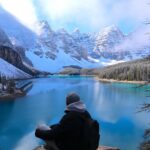
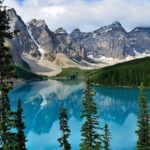
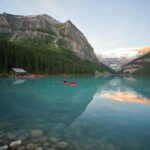
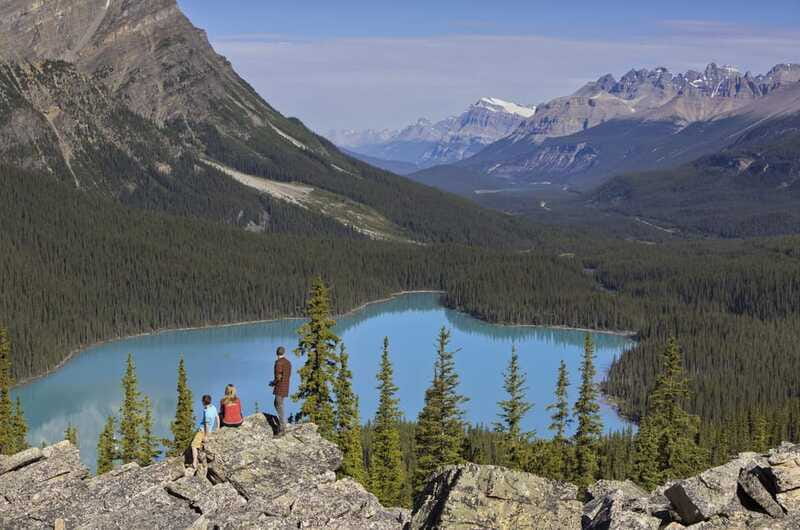
Two things I love: Peyto Lake’s bright turquoise color and the way Bow Lake mirrors the Crowfoot Mountains right on the water. Both are the kind of sights you understand instantly, even if you’re not a geology expert.
One thing to consider: the day is long and weather-driven. If a stop is closed, you’ll get swaps (like Peyto Lake being replaced by Waterfowl Lake), and at the Columbia Icefield, the big glacier add-ons can cost extra.
In This Review
- Key things to know before you go
- Why the Icefield Parkway day feels special fast
- Peyto Lake (and Waterfowl Lake backup) for the classic turquoise hit
- Bow Lake reflections and the Crowfoot Glacier “third toe”
- Columbia Icefield: where the ice story gets real (Athabasca optional walk)
- What the guide does besides point and smile
- Timing, weather, and stop swaps: how to keep your day smooth
- Price and value: what $114 buys you, and what you should budget
- What to pack for glacier-lake weather (the small items matter)
- Who this tour suits best (and who might want a different plan)
- Should you book the Icefield Parkway, Bow Lakes & Peyto Lakes day tour?
- FAQ
- How long is the Icefield Parkway, Bow Lakes & Peyto Lakes day tour?
- What is included in the price?
- Is lunch included?
- Are there optional glacier activities?
- Which stops do we visit?
- Does the itinerary change if the weather is bad?
- What should I bring?
- Are pets allowed?
- Is checked luggage allowed?
- Is the tour wheelchair accessible?
- What tour languages are available?
Key things to know before you go
- Icefield Parkway (232 km): a world-famous drive linking Banff and Jasper National Parks
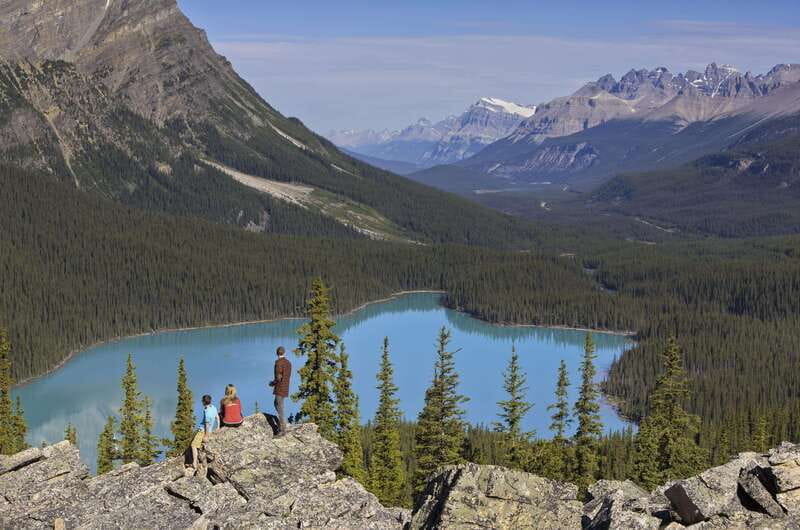
- Peyto Lake (or Waterfowl Lake swap): that classic turquoise “fox” view
- Bow Lake + Crowfoot Glacier: reflection shots and a glacier shaped like a toe
- Columbia Icefield: one of the largest ice accumulations south of the Arctic Circle
- Optional glacier walk: the chance to walk on ancient ice during the glacier activity
- Long day, limited flexibility: closures can change stop times and locations
Why the Icefield Parkway day feels special fast
The Icefield Parkway isn’t just scenic because it’s pretty. It’s scenic because it’s packed with “wow” in a steady flow—turquoise water, icy backgrounds, and mountain scale that hits you before you fully grasp it.
This tour runs about 9–11 hours, usually in the morning. That timing matters. You get daylight for photos and views, and you’re not stuck doing the drive in a late-day haze. The route covers the key stretch of highway between Banff and Jasper National Parks—about 232 km—and that’s a huge part of why the day feels like more than a single sightseeing stop.
You’ll also get the practical benefit of an English-speaking tour guide (with live guiding available in Chinese, English, and Japanese). With glaciers and lakes, the “what am I looking at?” question comes up constantly. Having someone explain what you’re seeing helps you slow down and actually notice details instead of rushing from viewpoint to viewpoint.
You can also read our reviews of more tours and experiences in Calgary.

Peyto Lake (and Waterfowl Lake backup) for the classic turquoise hit
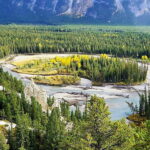
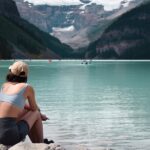
Peyto Lake is the star in a lot of people’s minds, and for good reason. This glacier-fed lake is vivid turquoise, and its shape is often described as fox-like, which makes it easy to “read” from viewpoint angles. You don’t need a map or a lecture—you just look, and your brain goes: wow, that color should not be that real.
The catch: the day is weather dependent. If Peyto Lake is closed, it can be replaced by Waterfowl Lake. That’s not a downgrade so much as reality in the Rockies. I’d rather have a guaranteed substitute stop than sit around waiting for access to reopen.
A tip that saves disappointment: treat viewpoints as time-sensitive. Weather can shift quickly here, and stop times can change. If you want your best photos, move quickly once the group reaches the viewpoint. Don’t spend 20 minutes reorganizing your camera setup when the weather window might be short.
Bow Lake reflections and the Crowfoot Glacier “third toe”
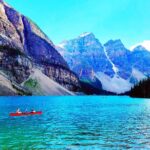
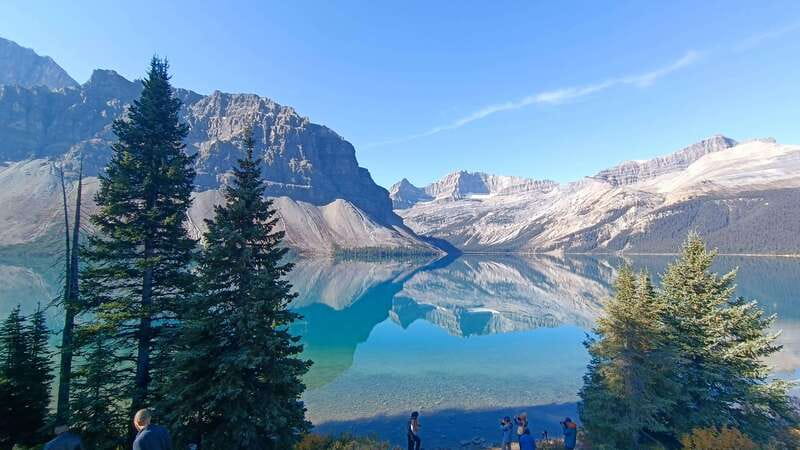
Then you shift from the bright, iconic lake look to the more moody, reflective side of the Icefield Parkway: Bow Lake. This glacier-fed lake is known for striking blue water, and the extra magic is what happens when the light is right—Crowfoot Mountains’ reflections can show up on the lake’s surface.
That reflection aspect is more than “cool for photos.” It’s a reminder that the Rockies aren’t only about peaks. They’re also about light, still water, and how quickly the environment changes your view. On a calm day, Bow Lake looks almost polished.
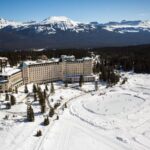
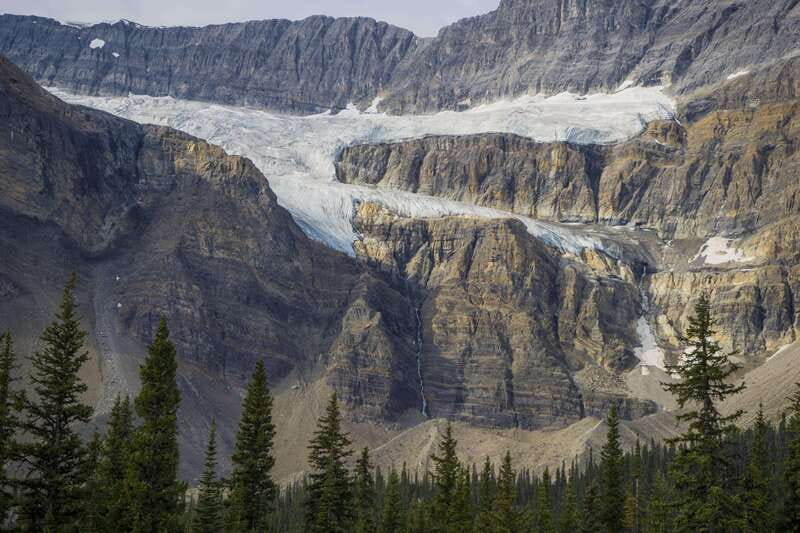
Nearby, you’ll see Crowfoot Glacier, famous enough that its name comes from its shape. It’s often described as a glacier “named for its distinctive shape,” with a “third toe” that has largely receded. That detail isn’t just trivia. It’s one of the most direct, visible ways climate change shows up in glacier landscapes—something you can look at and understand without needing complicated charts.
Practical note: glacier viewpoints are often exposed. You’ll want sun protection even when it feels cold. Pack around the idea of “bright and breezy,” not “mild sightseeing.”
Columbia Icefield: where the ice story gets real (Athabasca optional walk)
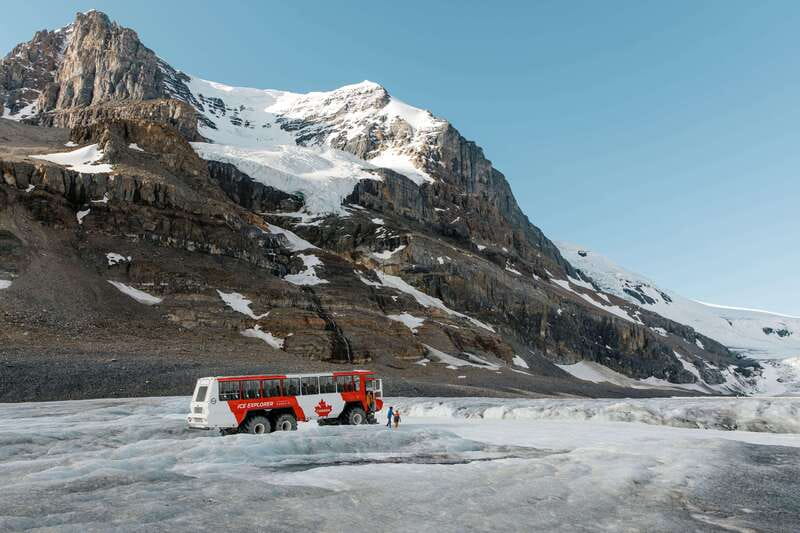
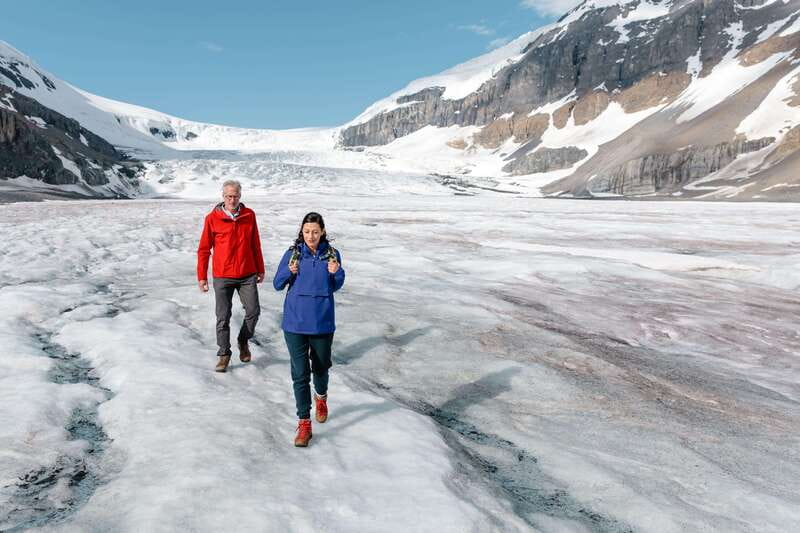
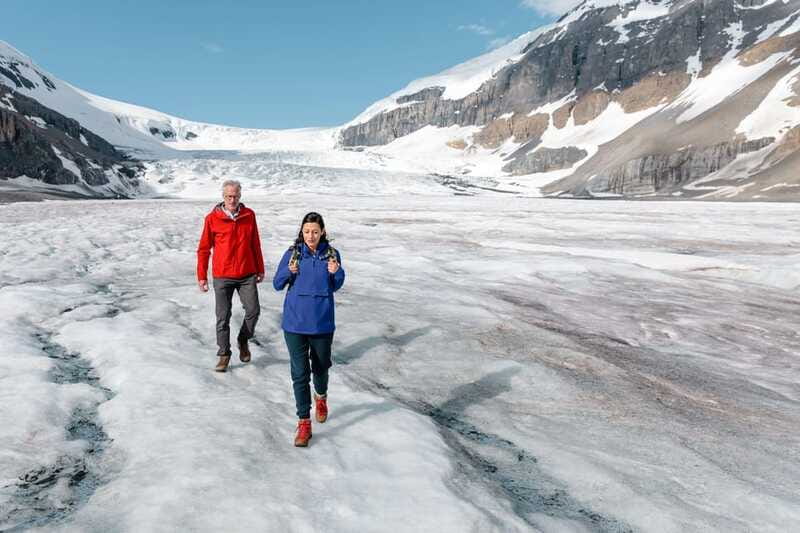
Columbia Icefield is the emotional center of this day. It’s one of the largest accumulations of ice south of the Arctic Circle, and the scale is hard to absorb from a single viewpoint. This is where the tour transitions from “pretty lakes” to “ice that’s actually ancient.”
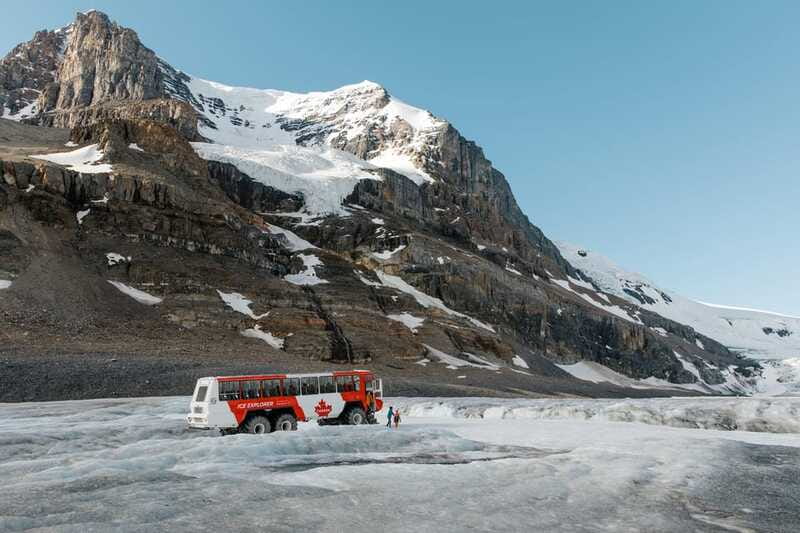
At Columbia Icefield, you also get the optional glacier experience. The tour description highlights the chance to walk on ancient ice during an activity at the Athabasca Glacier, described as about 25,000 years old. That’s the kind of encounter that stays with you, because you can’t really “scroll past” what it feels like to be on old ice.
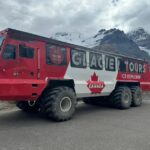
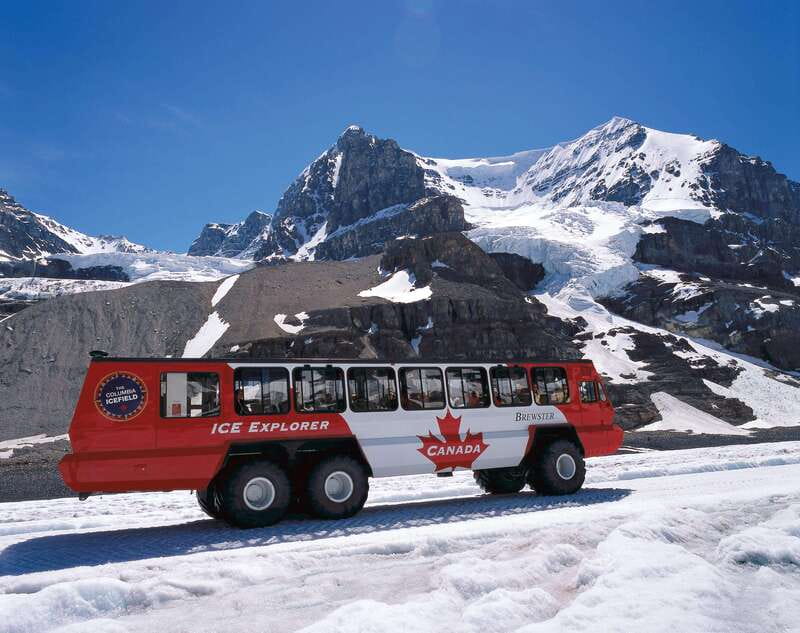
The big add-on sits at the center too: Ice Explorer is mentioned as optional (and noted as optional $$). The wording here matters. The day includes transportation and a national park fee, but it does not automatically include every glacier-related attraction inside the complex. So if you’re determined to do a specific Ice Explorer or walk option, plan for extra cost.
One more thing to keep expectations grounded: if you were hoping for every possible activity at the site to be included, this tour doesn’t promise that. There’s a solid core experience here—views, guiding, and access to the main stops—but the glacier world has layered add-ons.
What the guide does besides point and smile
In places like these, the guide’s real value is how they manage the day and explain what you’re seeing without wasting time.
When I think about what makes the experience work, it’s this: glacier and lake days can turn into a blur if you’re not sure what to look for. A good guide gives you cues—what to notice at each lake, what the glacier shape refers to, and why this specific stretch of road is so famous.
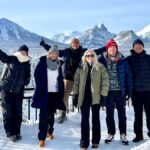
A highlight from the guide feedback is that Raymond was described as friendly, helpful, and informative, with a considerate approach to guest needs. That matters because this is a long ride and you’ll be switching between bus time and walking onto viewpoints. Clear guidance helps you feel organized instead of rushed.
Also, the tour includes park fee and transportation, which simplifies your day. You’re not making extra decisions every time you pull in.

Timing, weather, and stop swaps: how to keep your day smooth
This is a weather-driven outing. The information is direct: sightseeing points and stop times are subject to weather conditions, and stops can be replaced if closures happen.
That can sound stressful, but it’s actually useful if you plan mentally. Here’s how I’d handle it:
- Expect at least one “maybe” stop. If Peyto Lake is closed, you’ll likely shift to Waterfowl Lake.
- Be ready to move quickly when you arrive at a viewpoint.
- Don’t plan a tight follow-up schedule immediately after the tour. A long day in the mountains doesn’t always end on the minute.
At the end, you’ll be dropped off back at the meeting point at the end of your tour. That’s convenient because you’re not trying to figure out transport after you’ve spent the day in a minibus/coach setting.
Price and value: what $114 buys you, and what you should budget
At $114 per person, this day tour sits in the “worth it if you want convenience” category. You’re paying for:
- Transportation along the scenic highway corridor
- An English-speaking tour guide (with live guiding available in Chinese and Japanese too)
- National park fees
What you don’t get is equally important:
- Lunch isn’t included
- Checked luggage isn’t included (and you’re limited to one carry-on piece)
- Optional glacier add-ons at the Columbia Icefield complex may cost extra
- A suggested service charge for the driver and guide is CAD $15 per guest (not included)
So the value equation is simple. If you’d otherwise be renting a car and trying to coordinate the same stops plus parking plus entrance timing, this is a lower-stress way to do the highlights in one go.
I’d especially see this as good value if:
- You don’t want to drive between Banff and Jasper yourself
- You’d rather spend the ride getting explained views instead of reading on your phone
- You want the “best-of” stops without building your own schedule from scratch
What to pack for glacier-lake weather (the small items matter)
For a day built around big views, small comfort items make a noticeable difference. The tour list is short and practical:
- Sun hat
- Sunscreen
Even if it’s cooler, the sun at altitude can be sharp. You’ll be outside at viewpoints for stretches, and snow/ice reflections can add glare.
Also keep in mind the luggage rule. You can bring one piece of carry-on luggage with applicable size restrictions. Checked luggage isn’t included, so keep your packing tight.
And no pets: they’re not allowed.
Who this tour suits best (and who might want a different plan)
This is a great fit for people who want the signature Icefield Parkway sights in one day with guiding. You’ll enjoy it most if you:
- Like photography and want strong stops like Peyto Lake, Bow Lake, and Crowfoot Glacier
- Want optional participation at the Athabasca Glacier walk level (if you choose)
- Prefer a structured day over driving yourself through mountain road conditions
It’s not suitable for wheelchair users, based on the information provided.
If you’re traveling with limited time between Banff and Jasper, this is also one of the most efficient ways to connect them—because the drive itself is part of the experience.
Should you book the Icefield Parkway, Bow Lakes & Peyto Lakes day tour?
I’d book it if your main goal is the “big hits” of the Canadian Rockies—Peyto Lake, Bow Lake, Crowfoot Glacier, and the Columbia Icefield area—without building logistics yourself.
I’d pause before booking if:
- You’re counting on every possible add-on at the Columbia Icefield complex. This tour includes the core experience, but glacier add-ons can be optional and may cost extra.
- You hate long days. It runs around 9–11 hours, and it’s weather dependent.
Overall, this tour is a clean, efficient way to experience one of the world’s most famous scenic drives, with a guide to turn the scenery into something you understand.
FAQ
How long is the Icefield Parkway, Bow Lakes & Peyto Lakes day tour?
The duration is typically 9 to 11 hours, usually available in the morning.
What is included in the price?
The tour includes an English-speaking tour guide, transportation, and a national park fee.
Is lunch included?
No, lunch is not included.
Are there optional glacier activities?
Yes. There is an optional glacier experience that includes the chance to walk on ancient ice on the Athabasca Glacier. Ice Explorer is also mentioned as optional.
Which stops do we visit?
You’ll visit Peyto Lake (or Waterfowl Lake if Peyto Lake is closed), Bow Lake, Crowfoot Glacier, and the Columbia Icefield area.
Does the itinerary change if the weather is bad?
Yes. Sightseeing points and stop times can change due to weather conditions, and closed areas may be replaced by other points.
What should I bring?
Bring a sun hat and sunscreen.
Are pets allowed?
No, pets are not allowed.
Is checked luggage allowed?
No checked luggage is mentioned. You’re allowed one piece of carry-on luggage per person, with size restrictions.
Is the tour wheelchair accessible?
No, it is not suitable for wheelchair users.
What tour languages are available?
Live tour guiding is available in Chinese, English, and Japanese.