REVIEW · CALGARY
Kootenay: From Icy Mountain Rivers to Steamy Hot Springs
Book on GetYourGuide →Operated by Calgary Tours · Bookable on GetYourGuide
Kootenay is the rare park that swings from icy rivers to steamy hot pools in one day. This Calgary day trip threads you through Kootenay National Park’s rugged scenery first, then ends with a soak at Radium Hot Springs if you want it.
I especially like the mix of self-guided canyon walks (so you can move at your pace) and the big Mitchell and Vermilion range viewpoints that make the day feel bigger than the drive. One consideration: it’s a long day and the schedule can feel tight, so if you’re hoping for extra time at Marble Canyon over the springs, you’ll want to go in with realistic expectations.
In This Review
- Key things that make this trip work
- Kootenay National Park’s icy-to-steamy switch in one day
- Good Value for $68: what you’re really paying for
- Getting from Calgary: meeting point and how the day feels
- Marble Canyon: the self-guided ice-caved trail and 2003 wildfire traces
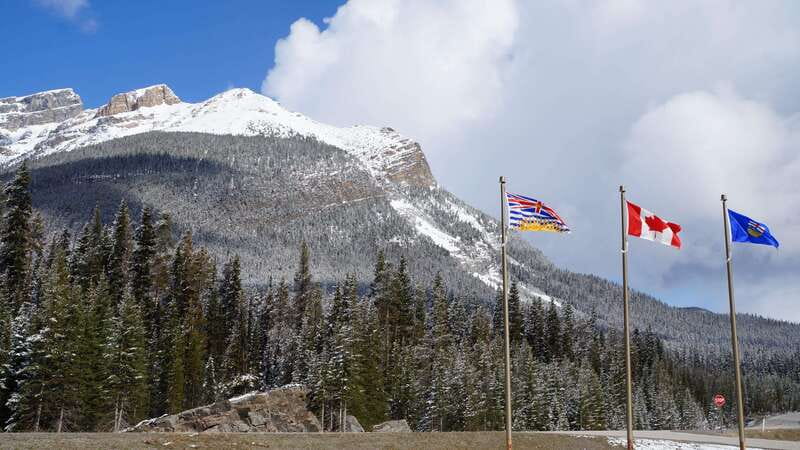
- Great Divide photo stop: where Kootenay meets Banff
- Kootenay Valley View Point: Mitchell and Vermilion panoramas that snap the day into focus
- Radium Hot Springs: optional admission, mineral soak, and a smart timing choice
- Sinclair Canyon: Douglas-fir forest walking with falls and Columbia Valley views
- Price, timing, and what to expect from the group day
- Who should book this Kootenay day trip—and who should skip it
- Practical tips I’d use before you go
- Should you book this Kootenay day trip from Calgary?
- FAQ
- Is Radium Hot Springs admission included?
- How long is the tour?
- Do I need to pay for meals during the day?
- Where do I meet the guide?
- What can I do if I don’t want to visit the hot springs?
- Are the canyon trails guided?
- Are pets allowed?
- What luggage can I bring?
- What languages are available for the guide?
- Is the tour suitable for wheelchair users?
- What if weather forces changes to stops?
Key things that make this trip work
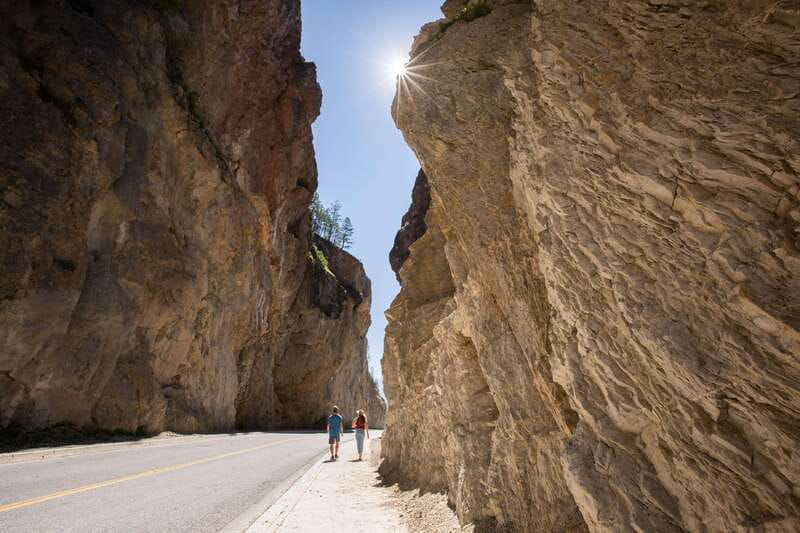
- Marble Canyon ice-caved trail with a clear, easy self-guided route along the canyon
- Great Divide photo stop marking the boundary between Kootenay and Banff national parks
- Kootenay Valley View Point panoramas of the Mitchell and Vermilion ranges and the Kootenay River far below
- Optional Radium Hot Springs paid on-site, with a no-springs walking alternative
- Sinclair Canyon walk through an open Douglas-fir forest with views toward Columbia Valley and Sinclair Canyon falls
Kootenay National Park’s icy-to-steamy switch in one day
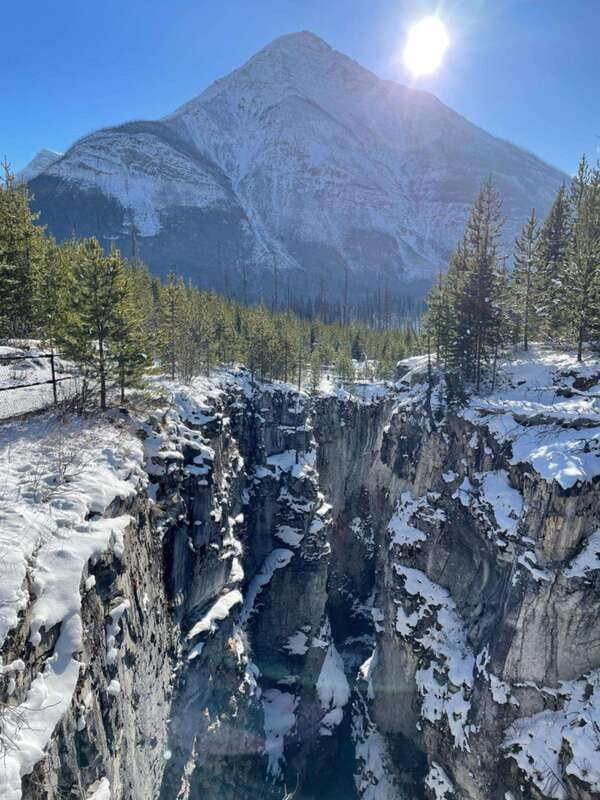
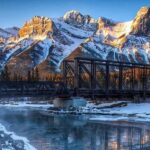
This is a good trip if you like contrast. Kootenay National Park doesn’t just look scenic—it changes character as you move. You start with colder, harder scenery: ice-caved canyon sections and mountain rivers. Then the mood warms up with hot mineral water at Radium Hot Springs.
That contrast is exactly why I think the day fits so well as a Calgary add-on. You get a real national-park feel without needing a multi-day itinerary or complicated planning. The route also makes the day flow in logical chunks: canyon walking, viewpoint time, optional soaking, then another canyon walk before heading back.
You’ll also get context along the way. The tour includes an English-speaking guide and transportation, plus the national park fee. In other words, you’re not solving logistics between stops—you’re using the day for scenery.
You can also read our reviews of more tours and experiences in Calgary
Good Value for $68: what you’re really paying for
At $68 per person for a 10-hour tour, the value comes from what’s bundled—not just the sightseeing. You’re paying for:
- guide service in English (and Chinese is available too)
- transportation
- national park fees
- GST (5%)
What’s not included is the admission to Radium Hot Springs, and that’s a key detail for your planning. Since the springs are optional, you should treat that as part of your budget decision, not a surprise fee.
I like this setup because it gives you flexibility. If you’re not in the mood for soaking, you’re not stuck paying for it. The tour notes there’s a walking trail you can explore instead of visiting the springs, so you can still finish the day with nature time.
Getting from Calgary: meeting point and how the day feels
This trip runs about 10 hours, usually available in the morning, and you’ll meet at a centrally-located meeting point. There’s no specific hotel pickup. That sounds minor, but it matters in real life: you’ll want to plan your morning so you’re early and calm. If you’re relying on transit or a rideshare drop-off, give yourself a buffer.
The schedule can also be influenced by weather. Sightseeing points and stop times may shift, and alternative points may replace anything closed. That’s the practical reality of mountain areas—fog, ice, or closures can change plans fast.
Comfort-wise, the tour isn’t marketed as a long, cushy bus-and-walk-lite experience. You’ll be doing canyon trail segments and walking between stops, including self-guided trails at Marble Canyon and Sinclair Canyon. Bring the right shoes for uneven ground and possible icy spots, especially when you’re dealing with canyon sections.
Marble Canyon: the self-guided ice-caved trail and 2003 wildfire traces
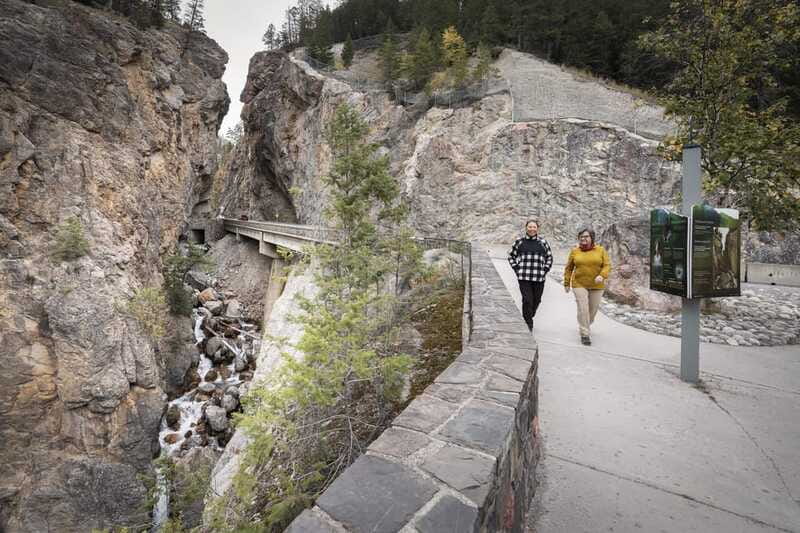
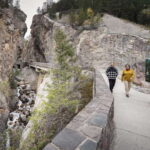
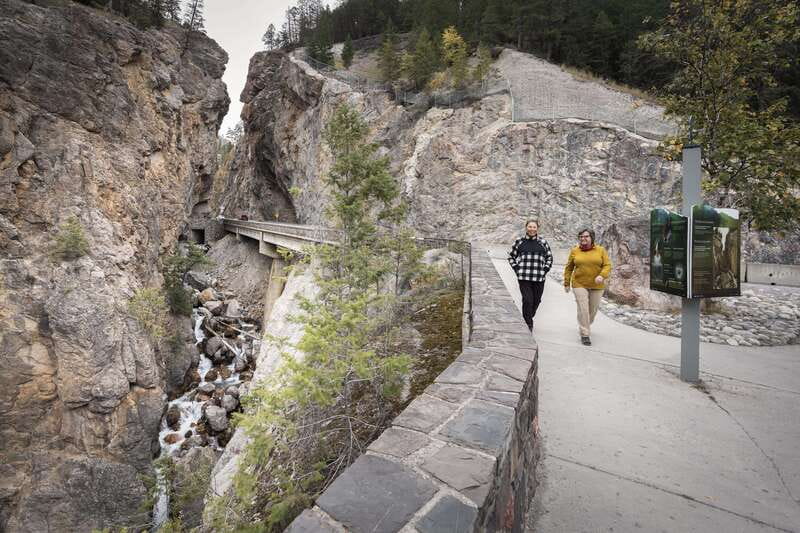
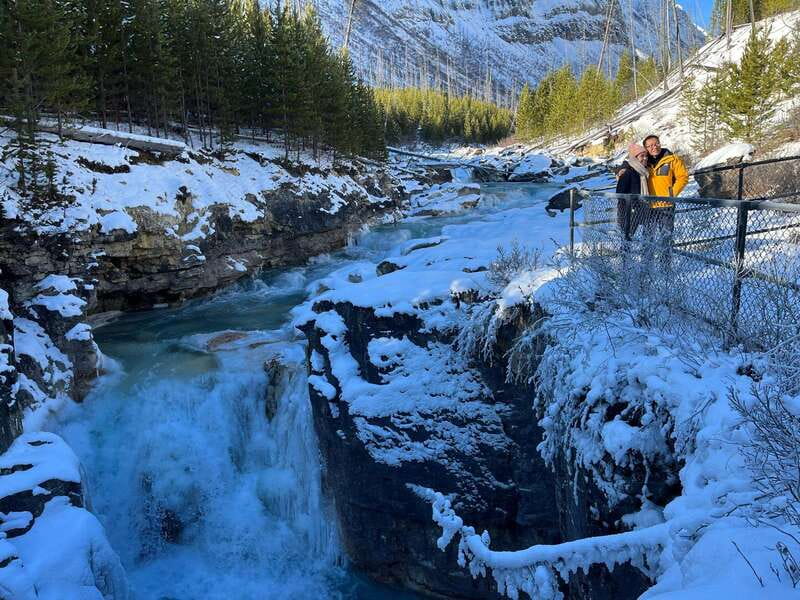
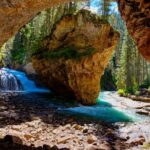
Marble Canyon is where the trip’s tone sharpens. You drive to Marble Canyon first, then take a self-guided trail that leads along an ice-caved canyon. The canyon scenery is the star here—cold stone, tight canyon walls, and the feeling of being right in the mountain’s throat.
There’s also an important background layer: the remains of a forest destroyed by wildfires in 2003. That detail changes how you see the place. Instead of viewing it as scenery that simply exists, you see a landscape shaped by time and disturbance—and that makes the walk feel more meaningful.
Here’s the practical part. Because it’s self-guided, you’re free to stop for photos and move at your own pace. That’s great for couples, solo travelers, and anyone who hates feeling rushed in viewpoints. It also means you should still pay attention to the trail you’re on. If conditions change due to weather, keep an eye on any on-site guidance.
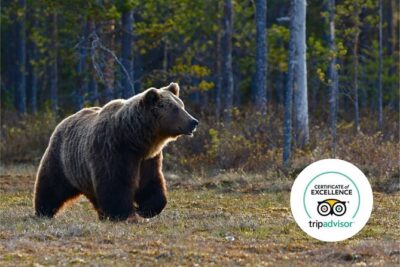
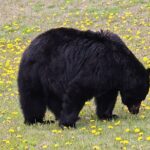
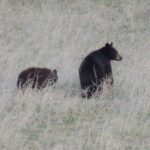
Wildlife is another possibility to keep in mind. One highlight that’s stood out in guide experience is seeing a bear with cubs near the canyon area. You can’t count on that, but it’s a reminder to stay observant and not block others while you stare straight down at your phone.
Great Divide photo stop: where Kootenay meets Banff
Between Calgary and the main canyon stop, you’ll stop at the Great Divide, which marks the border between Kootenay National Park and Banff National Park. The point of this stop is simple: photos and views.
This is one of those quick moments that makes the drive feel like part of the tour, not just transportation. Even if you’re not a big “driving view” person, it’s a clean way to understand you’re crossing from one protected landscape into another.
Tip: have your camera ready but don’t sprint for the best angle. Photo stops tend to be tight on time and space, and mountain pull-offs can be slippery.

Kootenay Valley View Point: Mitchell and Vermilion panoramas that snap the day into focus
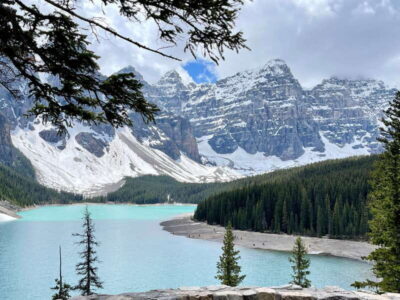
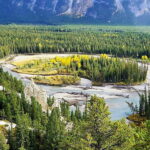
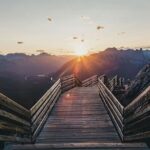
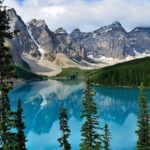
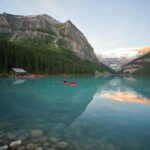
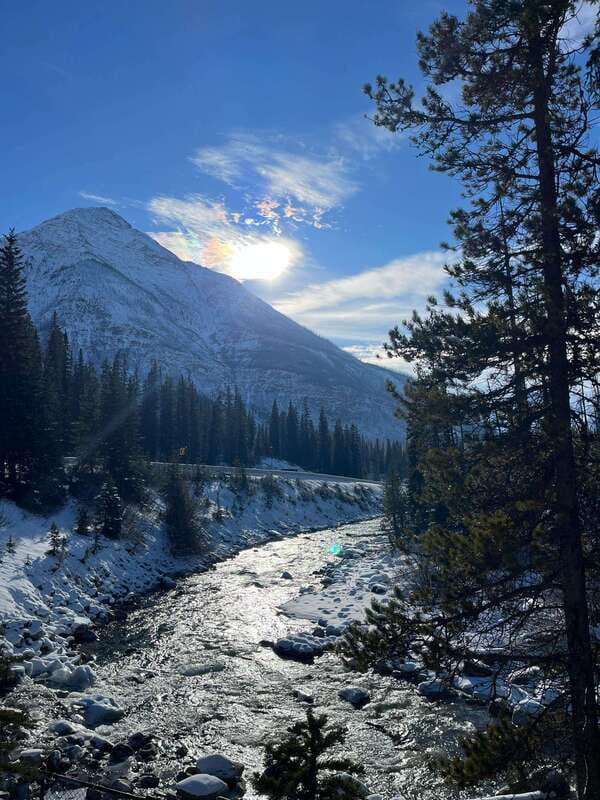
After Marble Canyon, the tour heads to the Kootenay Valley View Point. This is the big payoff viewpoint stop: panoramic views of the Mitchell and Vermilion mountain ranges, plus the Kootenay River far below.
What I like about this stop is how it reframes your earlier walking. You spent time close to the canyon environment—now you get perspective on scale. When you look down into the valley, the river winding through the mountain forest starts making more sense: you’re seeing the same natural system from far away.
There’s also a story element here. The Kootenay River follows an ancient route to the great Columbia River. Even if you’re not mapping watersheds in your head, it’s a useful mental link: mountain rivers aren’t random. They’re pathways that have shaped landscapes for ages.
If you enjoy looking for patterns—how water cuts through rock, how forest lines up the valley, where the river bends—this is the moment you’ll feel happiest pausing.
Radium Hot Springs: optional admission, mineral soak, and a smart timing choice
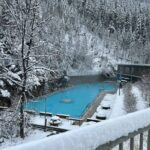
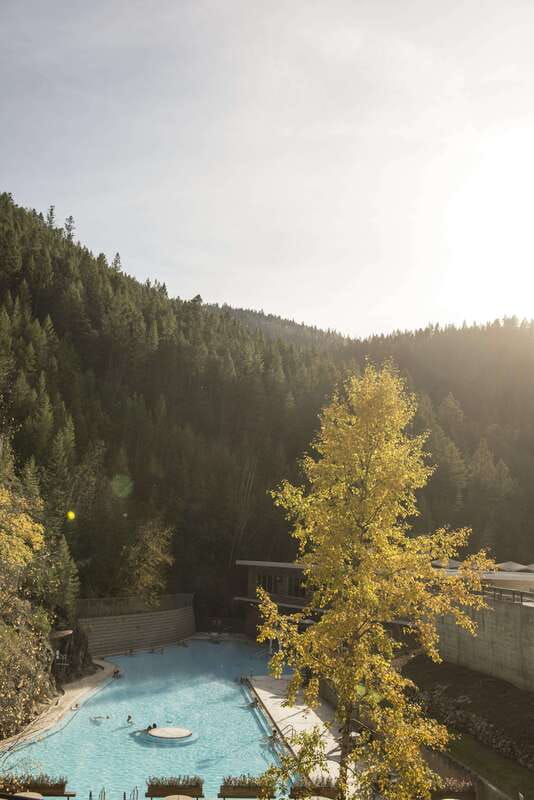
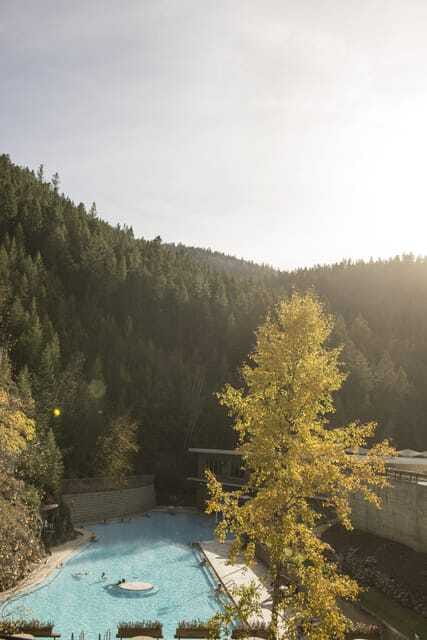
Then comes the warm-up: Radium Hot Springs. The tour includes time to relax in the naturally heated, mineral-rich thermal waters. Admission to the springs is not included, and it’s paid on-site, so you’ll decide in the moment whether you want to add that cost.
I think that optional structure is a practical win. If you’re already paying for your day and you’re not sure you’ll enjoy soaking, you can base the decision on:
- how your legs feel after canyon walking
- whether the weather is comfortable for an outdoor soak
- your interest in hot springs as a travel ritual
Also, the tour includes a fallback. If you do not want to visit the springs, there is a walking trail you can explore instead. That matters for travelers who want nature time but don’t want water-and-towel logistics.
One more reality check: hot springs can be a time sink because you’ll likely linger. If you’re the type who hates feeling rushed, plan on staying comfortable, not finishing fast.
Sinclair Canyon: Douglas-fir forest walking with falls and Columbia Valley views
After the springs segment (or the alternative walking time), the day finishes with a scenic trail through an open Douglas-fir forest along the edge of Sinclair Canyon.
This portion is all about ease and views. You get scenery toward the Columbia Valley and you’ll see Sinclair Canyon falls. Compared to Marble Canyon’s ice-caved feel, Sinclair Canyon tends to read more as a forest-and-water transition: walkable nature with a steady sense of place.
The edge-of-canyon position is what makes it rewarding. You’re close enough to feel the valley pull, but far enough to catch the overall geometry of the terrain.
If your group is split—some want photos, some want a slower pace—this last walk is a good place for it, because it’s outdoorsy and forgiving. Just keep an eye on footing and don’t let the photo stops stretch so long that you feel rushed at pickup time back to Calgary.
Price, timing, and what to expect from the group day
A quick note on pacing. This is a full-day circuit—canyon, viewpoint, optional hot springs, then another canyon walk. That’s great for coverage, but it does mean your schedule is structured and you can’t fully customize every stop.
There’s also a logistics factor you should know about: the meeting point may vary depending on the option booked, and the tour uses a centrally-located meeting spot rather than hotel pickup. That can add a little unpredictability to how the morning starts and how the return feels.
If you love long dwell times at your first stop, keep this in mind. The park part is the point, but you may feel that the day allocates time across multiple priorities. Go with the idea that you’re seeing a “best-of” slice, not a deep, slow exploration.
Who should book this Kootenay day trip—and who should skip it
This trip fits best if you want:
- a national-park day from Calgary without overnight planning
- a mix of canyon walking and viewpoint time
- the option to end with a hot springs soak (or a walk instead)
It’s not suitable for wheelchair users. Also, pets aren’t allowed, and the tour doesn’t permit luggage or large bags. If you travel light and you’re comfortable with a day of walking, it’s an easy match.
A good tip for packing: you’re allowed one piece of carry-on luggage per person, with size limits. If you need checked luggage, expect an extra fee.
Practical tips I’d use before you go
- Wear grippy shoes. Canyon trails can be uneven, and weather can bring slick surfaces.
- Plan for optional costs. Radium Hot Springs admission is on-site and optional—decide before you’re standing there cold and hungry.
- Bring layers. Even in a warm season, canyon air can feel cooler, and hot springs are easier when you can cool down comfortably afterward.
- Give yourself photo time but not chaos time. Photo stops and viewpoints are tight windows.
- If you see wildlife, watch quietly. A bear with cubs has been reported near the canyon area, so keep eyes up and don’t crowd others for a better angle.
- Think about your walking comfort. You’ll be on self-guided trails at Marble Canyon and Sinclair Canyon, plus movement between stops.
Should you book this Kootenay day trip from Calgary?
If you want one day that captures Kootenay National Park’s contrasts—icy canyon sections, big mountain viewpoints, then a warm mineral soak—you should book it. The value is strong for a packaged day: transportation, an English-speaking guide, park fees, and structured stops are all included.
Skip it if you hate long days, want minimal walking, or need accessibility options for mobility devices. Also, be honest about what you’re after: this is a well-paced “highlights” day, not a leisurely deep-dive.
If you can handle canyon trail time and you’re open to the optional hot springs decision in real time, this is a smart, scenic day from Calgary.
FAQ
Is Radium Hot Springs admission included?
No. Admission to Radium Hot Springs is optional and paid on-site.
How long is the tour?
The duration is about 10 hours.
Do I need to pay for meals during the day?
Meals (lunches and dinners) are not included, so you’ll cover personal expense for food.
Where do I meet the guide?
You meet at a centrally-located meeting point. Specific meeting point details may vary depending on the option booked, and there’s no specific hotel pickup.
What can I do if I don’t want to visit the hot springs?
If you don’t wish to visit the springs, the tour notes that there is a walking trail you can explore instead.
Are the canyon trails guided?
The Marble Canyon and Sinclair Canyon parts are described as enjoyable self-guided trails.
Are pets allowed?
No, pets are not allowed.
What luggage can I bring?
Luggage or large bags are not permitted. You’re allowed 1 piece of carry-on luggage per person with applicable size restrictions. Checked-in luggage may have an extra fee.
What languages are available for the guide?
The live tour guide is available in English and Chinese.
Is the tour suitable for wheelchair users?
No, it is not suitable for wheelchair users.
What if weather forces changes to stops?
Sightseeing points and stop times are subject to weather conditions, and closed points may be replaced by other points.