REVIEW · LAKE LOUISE ALBERTA
Sunrise or Sunset/Stargazing Tour at Moraine Lake from Banff
Book on GetYourGuide →Operated by Into the Wild Tours · Bookable on GetYourGuide
A predawn start can still feel calm. This Moraine Lake sunrise or sunset + stargazing tour is built for quieter moments, using timing, a small group (max 13), and a local guide to help you see the lake and the sky at their best. My favorite part is the way you get to sit at the viewpoints early enough that the place feels less crowded. I also love the practical comfort extras, like headlamps, blankets, and hot drinks, so you’re not freezing while you wait for the light. The main thing to watch is that stargazing depends on weather, so cloudy skies can cut down the star show.
The drive from Banff isn’t short, but the schedule makes sense: you’re pulled into prime photo areas, then you get real time at Moraine Lake. Guides like Tobias and Laura (names I’ve seen pop up in guide feedback) seem to run the evening with a steady mix of safety, timing, and photo help, including tips to get Milky Way shots when conditions cooperate. One consideration: food is not included, so you’ll want to plan your day around dinner or bring a snack if that matters to you.
Bottom line: this is a well-run, hands-on tour for people who care about light, quiet views, and seeing the stars above the Canadian Rockies—without the stress of figuring out everything on your own.
In This Review
- Key things to know before you go
- Why catch Moraine Lake at sunrise or sunset from Banff?
- The small-group difference: pick-ups, shuttle comfort, and staying close to your gear
- Bow Valley Parkway wildlife corridor and Morant’s Curve photo stop
- Sunrise: arriving before the crowds and timing the turquoise glow
- Sunset and stargazing: Rockpile viewpoints, binoculars, and calm lakeshore time
- What the guided Rockpile walk really gives you
- Photo help that actually makes a difference
- Comfort details: hot drinks, rain ponchos, water refills, and warm gear
- Price and value: does $98 make sense for a 6-hour tour?
- Who this tour suits best—and who should skip it
- Quick packing list so you don’t regret the cold
- Should you book the Moraine Lake sunrise or sunset stargazing tour?
- FAQ
- What’s the pickup like for Banff guests?
- Is food included on the tour?
- What happens if it’s cloudy or raining during stargazing?
- Are headlamps provided for the night portion?
- What’s the minimum age for this tour?
- Can I bring a pet?
Key things to know before you go
- Small group max 13 keeps Moraine Lake from turning into a stampede.
- Headlamps and blankets mean you can enjoy the viewpoints longer, even after sunset.
- Rockpile time gives you higher, better angles than the lower roadside spots.
- Low-light stargazing gear includes binoculars and a monocular for sky spotting.
- Weather check may shift the plan toward more lake time if clouds or rain move in.
Why catch Moraine Lake at sunrise or sunset from Banff?
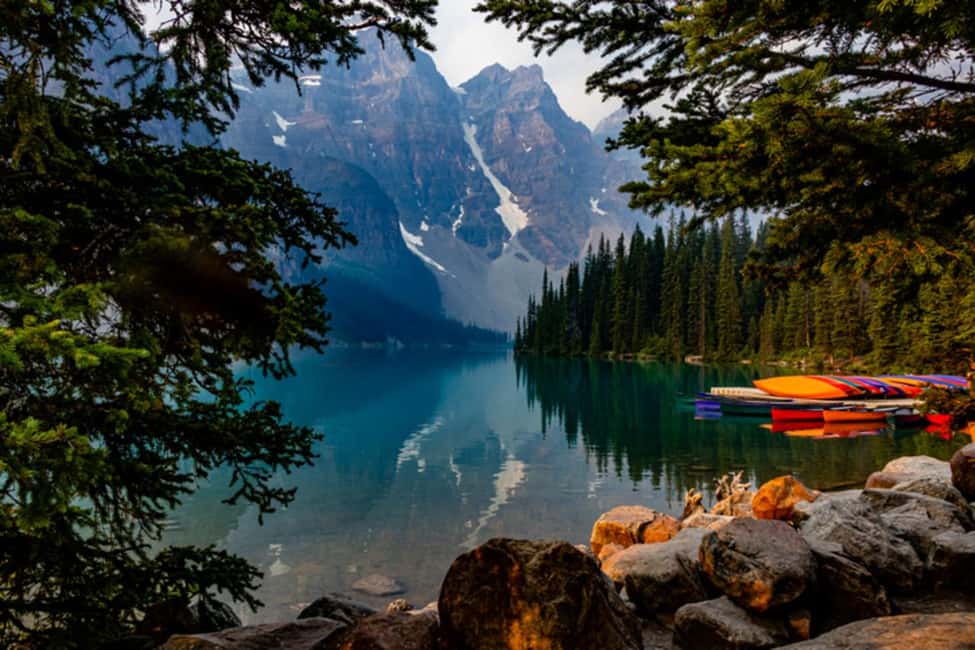
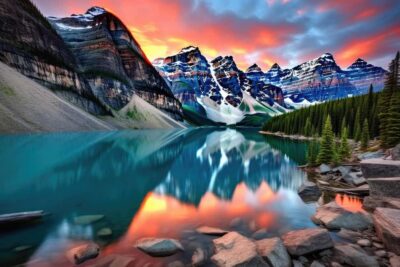
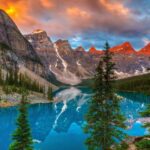
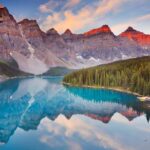
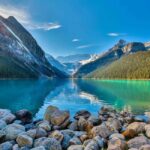
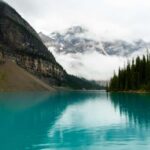
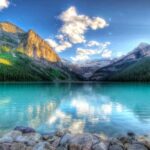
Moraine Lake is famous for a reason, but the trick is timing. At sunrise or sunset, the light hits the Valley of the Ten Peaks in a way that turns the turquoise water into something more alive—gold first, then deep blue. This tour is designed around that “soft light” window, not around a quick drive-by.
Going with a guided group also helps with something you can’t fake: patience. You don’t just stop, take a picture, and leave. You arrive early enough (sunrise option) or after crowds thin (sunset option) that you can actually look around, find your footing on the viewing paths, and enjoy the lake like it’s not competing for your attention.
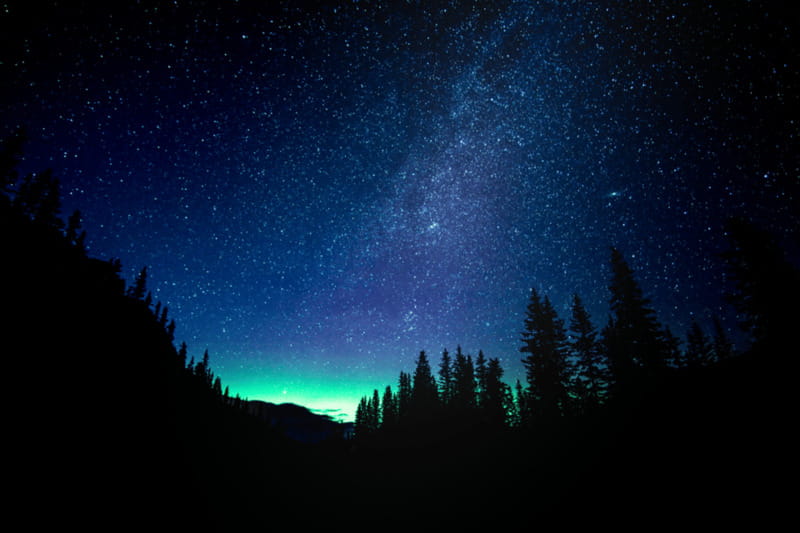
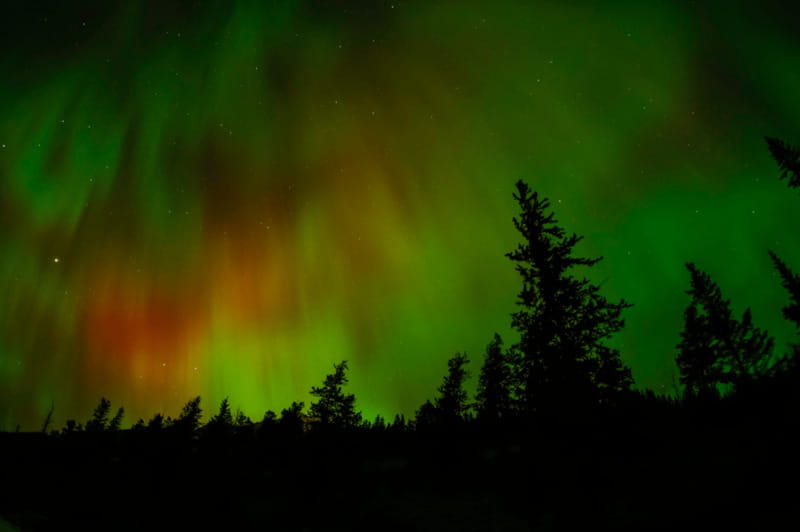
And then there’s the second act. The sunset + stargazing version aims for a sky that’s dark enough to make planets and constellations worth spotting. On lucky nights, aurora can show up, and the guides use equipment to help you see more than random pinpricks.
You can also read our reviews of more tours and experiences in Lake Louise Alberta.
The small-group difference: pick-ups, shuttle comfort, and staying close to your gear
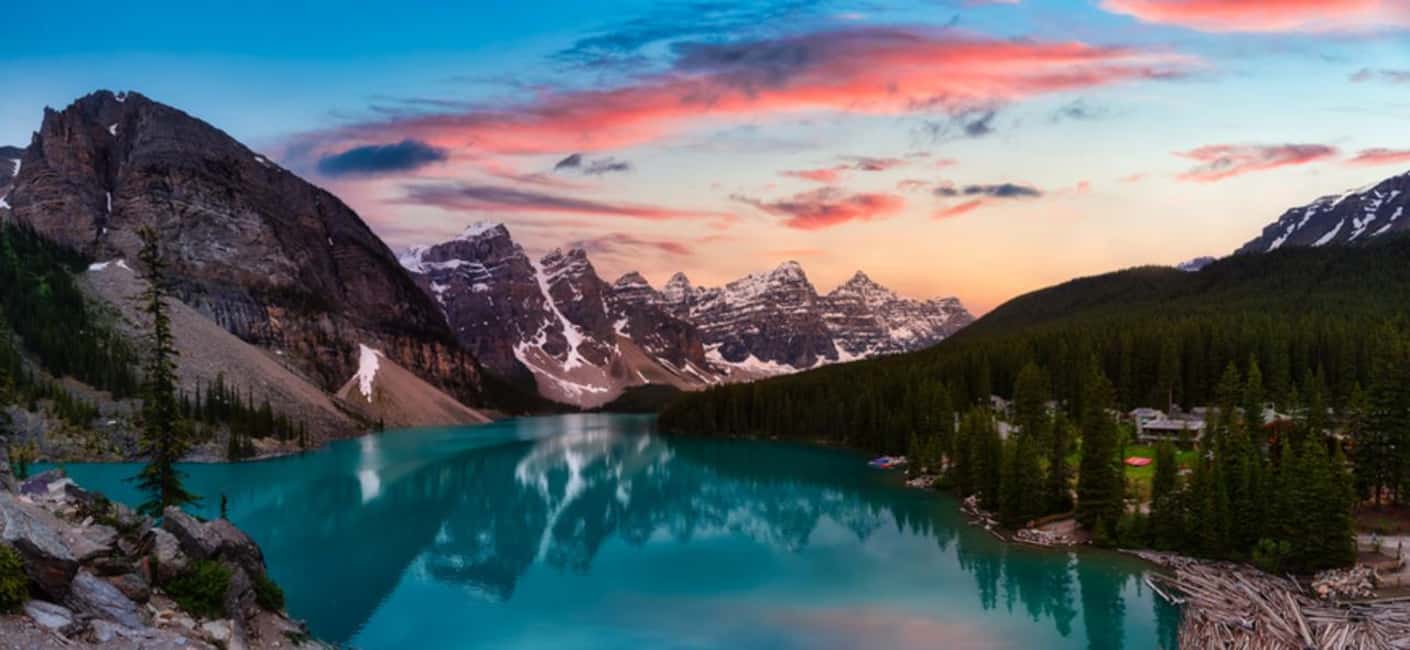
This is a van tour with a small group size (13 max). That matters because Moraine Lake is popular, and crowd energy can wreck the mood fast. With fewer people, you move at a pace that feels human. You also get more attention at photo stops and during the Rockpile walk.
Pick-up is spread across Canmore and Banff. If you’re in Banff, your pick-up happens about 30 minutes after the tour starts in Canmore, and you’re asked to be ready 10 minutes early at your location so the whole route doesn’t get thrown off. Once you’re on the shuttle, the vehicle stays in the parking area during the Moraine Lake portion, so you’re not stuck hauling bags around for every stop.
English-speaking guides run the tour, and they’re there to keep the evening organized. You’re not just handed a schedule and left to figure out the rest.
Bow Valley Parkway wildlife corridor and Morant’s Curve photo stop
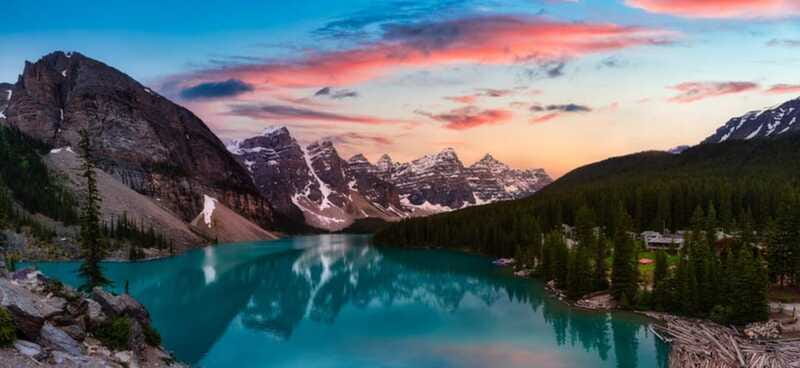
One reason I like this route from Banff is that it doesn’t feel like dead time in the van. The drive includes the Bow Valley Parkway, known as a wildlife corridor. You might spot elk or deer, and on some evenings even bears. That’s never guaranteed, but it’s the kind of place where your eyes naturally start scanning the edges of the road.
For the sunset option, there’s also a photo stop at Morant’s Curve. It’s positioned for that golden-hour glow, so you get a warm-up shot before Moraine Lake goes full show. Even if you’re not a photographer, it helps you get your bearings early—plus it breaks up the drive so you arrive feeling more present than rushed.
Sunrise: arriving before the crowds and timing the turquoise glow
The sunrise version starts early and works the light like a pro. You’ll head out before dawn and arrive at Moraine Lake at least 45 minutes before sunrise, which is the difference between squeezing into a view and actually staking out a comfortable spot. The lake is at its most peaceful before the buses fully load.
Once you arrive, you get a comfort setup for the cold hours ahead. There’s complimentary hot chocolate or tea, and you’re given a comfort bag that includes a headlamp, blanket, and sit pad. That might sound small, but it changes everything. When you’re warm and sitting, you watch the sky instead of checking your watch every two minutes.
Then the guide leads you on a short walk to the Rockpile area. This is where the view over the Valley of the Ten Peaks becomes more dramatic, and where photography advice matters. I’ve seen guides like Tobias go out of their way to help people frame shots and stay patient while the light shifts.
After the guided portion, you get about 3 hours of free time at Moraine Lake to explore at your own pace. That time is key. You can wander, take photos, or just sit and watch the color shift across the peaks and water.
Sunset and stargazing: Rockpile viewpoints, binoculars, and calm lakeshore time
The sunset version follows a similar “best light, fewer people” idea, but with a different rhythm. You’ll do the scenic drive, then hit Morant’s Curve for that warm glow moment, and continue on to Moraine Lake as crowds thin.
At the lake, you get a peaceful lakeshore walk before heading to the Rockpile for sunset views. Expect warmth first. You’ll be offered a warm drink, covered with blankets, and guided to viewpoints where the Valley of the Ten Peaks can turn from daylight color into twilight gradients.
Once night falls, the tour shifts to the sky. The included equipment is a monocular and binoculars, used to identify planets and constellations. On clear nights, it can also include northern lights sightings. Even if you’re not into astronomy, this part is designed to feel guided rather than confusing. Guides also help you with practical viewing—like knowing where to look and how to stay comfortable while you look up for a long time.
One very real thing: stargazing is weather-dependent. If cloud cover, rain, or even snow affects visibility, the plan adjusts. You’ll spend more time enjoying Moraine Lake instead of forcing the astronomy part. It’s a smarter approach than pretending the sky will cooperate.
You can also read our reviews of more tours and experiences in Lake Louise Alberta
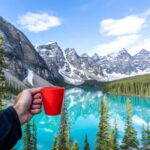
What the guided Rockpile walk really gives you
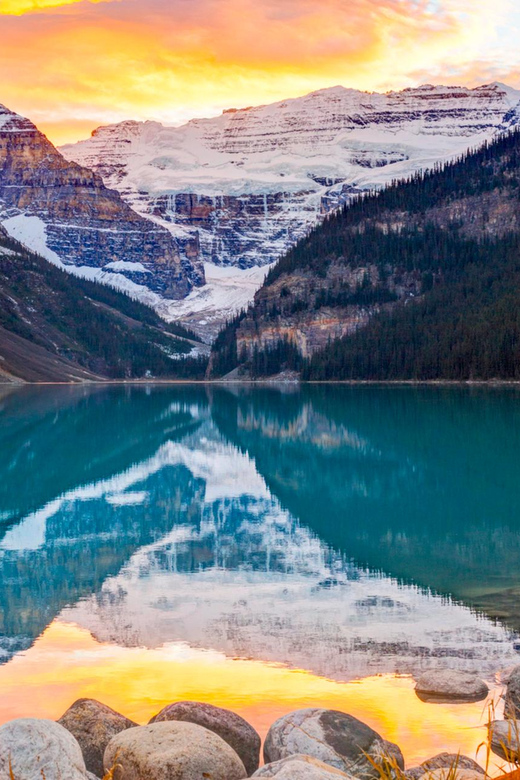
The Rockpile is more than a named spot on a map. It’s a way to see Moraine Lake from a higher angle, where the peaks and the water line up in a more dramatic composition.
This matters if you care about photos, but it also matters if you care about feeling. On the Rockpile, the view opens up and you’re not staring at the backs of other people’s heads. Guides help you manage the walking and timing too, especially during sunset and the later evening steps.
In guide feedback, I’ve seen a consistent theme: they don’t just point you toward the view. They help people get better pictures and keep everyone together and safe, including during the trip back down with headlamps for visibility.
Photo help that actually makes a difference
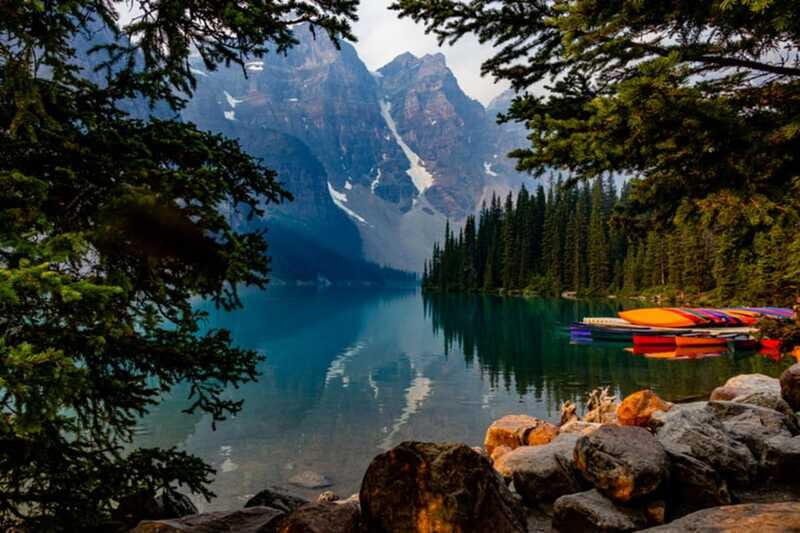
This tour is set up for photography, but it’s not photo-snobby. The guides focus on getting you to good positions and helping you use what you have—especially in low light.
Headlamps are provided for night viewing, which means you can look at your camera settings without turning your head into a stumbling hazard. You also get tips for where to stand and how to frame the Valley of the Ten Peaks and the lake.
If you’re doing long-exposure shots, the stargazing portion has the best lighting coaching, including help for capturing the Milky Way when the sky clears. Some guides use extra tools like star maps on a screen, and the goal stays the same: you leave with images and a clearer understanding of what you saw.
Comfort details: hot drinks, rain ponchos, water refills, and warm gear
This is one of the better-balanced tours for comfort because the cold is taken seriously.
Included:
- Tea and hot chocolate
- Water refills (bring a bottle)
- Blankets and a sit pad for the sunrise or sunset wait
- Headlamps for the viewpoints
- Ponchos in case of rain
That list matters because Moraine Lake can go from chilly to bitter fast. Warm drinks help you stay longer. The blankets and sit pad keep you from turning the “wait” into an endurance event. And the ponchos mean a light rain won’t automatically ruin the plan.
What’s not included is food. So if you’re doing sunrise, you’ll want breakfast before you go. If you’re doing sunset, plan your dinner afterward.
Price and value: does $98 make sense for a 6-hour tour?
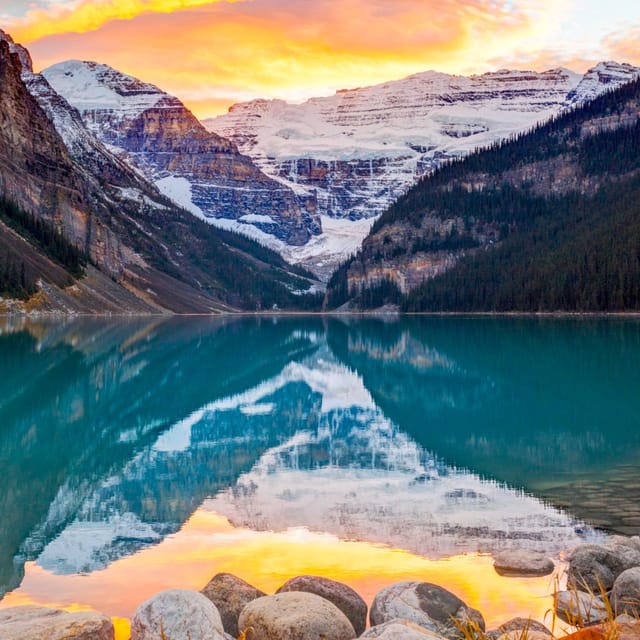
At $98 per person for about 6 hours, you’re paying for three things that add up fast in the Rockies: transportation, guiding time, and low-light gear support.
You’re not just getting a ride to a famous spot. You’re getting:
- a local guide with region stories and on-the-ground viewpoint timing
- small-group movement (max 13)
- practical equipment for night and cold conditions (headlamps, blankets, ponchos)
- stargazing optics (monocular and binoculars)
- a real chunk of time at Moraine Lake (around 3 hours)
If you were to DIY this, you’d still need to time sunrise/sunset correctly, deal with parking realities, and figure out where to stand for the best Rockpile angles—plus you’d be guessing through the dark without headlamps and sky-spotting help.
There’s also an environmental note: the tour supports tree planting in Canada through the Blue Green Planet Project. It’s not a reason to buy by itself, but it’s a nice bonus when you already plan to visit a sensitive natural area.
Who this tour suits best—and who should skip it
This tour is ideal if you:
- want Moraine Lake at the calmest times of day
- like small groups and structured guiding
- care about photography at sunrise or in twilight
- want a real stargazing session with binoculars and a guide
It’s less ideal if:
- you’re only interested in a quick stop (this is a sit-and-wait style experience)
- you need guaranteed stargazing no matter the weather (it’s visibility-dependent)
- you’re traveling with kids under 6 (minimum age is 6)
Pets aren’t allowed, except assistance dogs. If you’re someone who needs your furry companion, you’ll have to plan a different format.
Quick packing list so you don’t regret the cold
Moraine Lake nights and early mornings are no joke. You’ll want:
- comfortable shoes with good grip
- weather-appropriate layers (mountain weather changes fast)
- a water bottle (refills are available)
- a backup layer for windy viewpoints at the Rockpile
You’ll get ponchos if rain moves in, but having warm layers makes the whole tour feel smoother.
Should you book the Moraine Lake sunrise or sunset stargazing tour?
Book it if your goal is to experience Moraine Lake with breathing room, not crowds. I think it’s especially worth it for the sunrise option if you’re tired of arriving late to the good light. The sunset version is great if you want the full arc: golden-hour views, Rockpile time, then a guided sky session with real optics.
Skip it if you only want the lake as a daytime photo stop. This tour is timed, cozy, and patient. It rewards people who are willing to wait for the sky to change.
If you’re on the fence, the deciding question is simple: do you want help finding the best viewpoint and learning what you’re seeing in the dark? If yes, this tour fits that purpose well.
FAQ
What’s the pickup like for Banff guests?
Banff pickups are approximately 30 minutes after the tour starts in Canmore. Your exact pickup time is emailed 2–3 days in advance, and you should be ready about 10 minutes early at your selected location.
Is food included on the tour?
No. The tour includes beverages like tea and hot chocolate, plus water refills, but it does not include food.
What happens if it’s cloudy or raining during stargazing?
Stargazing is weather-dependent. If clouds, rain, snow, or other conditions limit visibility, the guide will adjust by spending more time enjoying Moraine Lake and less on stargazing.
Are headlamps provided for the night portion?
Yes. The tour provides headlamps to help you see the best viewpoints and navigate safely after dark.
What’s the minimum age for this tour?
The minimum age is 6 years. Children under 6 can’t be accommodated.
Can I bring a pet?
Pets are not allowed. Assistance dogs are allowed.