REVIEW · CALGARY
Calgary Downtown: 2-Hour Introductory Walking Tour
Book on GetYourGuide →Operated by CalgaryWalks & Bus Tours · Bookable on GetYourGuide
Calgary downtown teaches you to walk smarter. This 2-hour intro threads public art through the core and uses +15 skywalks so you keep moving even when the weather turns. I also like that the history is tied to buildings you can actually see, not just slides in a room. One thing to keep in mind: the pace is easy, and depending on questions and foot traffic, it can feel a touch shorter than a strict two hours.
I like how the guide makes the city click fast. Starting at Municipal Plaza by the horse statue, the route flows into East Village, Chinatown, and ends back on Stephen Avenue, with clear stories and practical orientation along the way. Guides I’ve seen praised include Adelaide, Linda, Jennifer, and Freddie, and the common theme is that they answer questions in a way that helps you plan the rest of your day.
In This Review
- Key Points Before You Go
- Municipal Plaza Start: Getting Oriented Right Away
- Public Art Trail: Calgary’s Outdoor Gallery Up Close
- East Village Revival and Old Downtown Bones
- The +15 Walkways: Warm, Dry, and Fast
- Chinatown to Stephen Avenue: Two Moods, One Route
- The New Public Library Moment
- Historic Buildings With Survival Stories
- Pace, Weather, and What to Wear
- Price and Value: What $21 Buys You in Two Hours
- Who This Tour Fits Best
- Should You Book This Calgary Intro Walk?
- FAQ
- How long is the Calgary Downtown 2-Hour Introductory Walking Tour?
- Where is the meeting point?
- What if the weather is bad at meeting time?
- How much does the tour cost?
- Does the tour run in rain?
- What should I bring?
- Is the tour wheelchair accessible?
- What language is the tour guide speaking?
- Are gratuities included in the price?
Key Points Before You Go
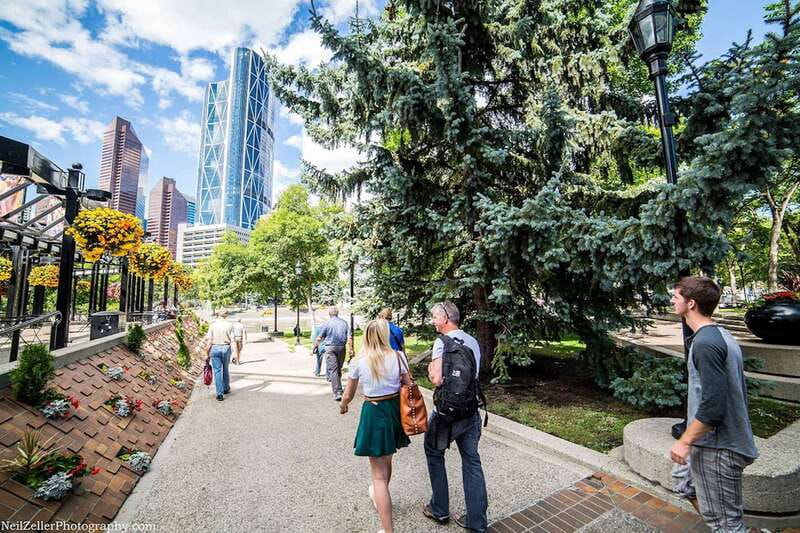
- Municipal Plaza start point: by the horse statue at 800 Macleod Trail SE, with a backup meet-in-doors plan when weather is rough.
- Public art all the way: sculptures, murals, and other city artwork you’d miss if you just aimlessly walk around.
- East Village revival stops: you’ll see how Calgary refreshes old downtown bones without pretending the past disappeared.
- +15 walkway system: Calgary’s most extensive pathway network keeps you warm and dry.
- Chinatown to Stephen Avenue flow: two very different downtown moods, linked by a route your legs can handle.
Municipal Plaza Start: Getting Oriented Right Away
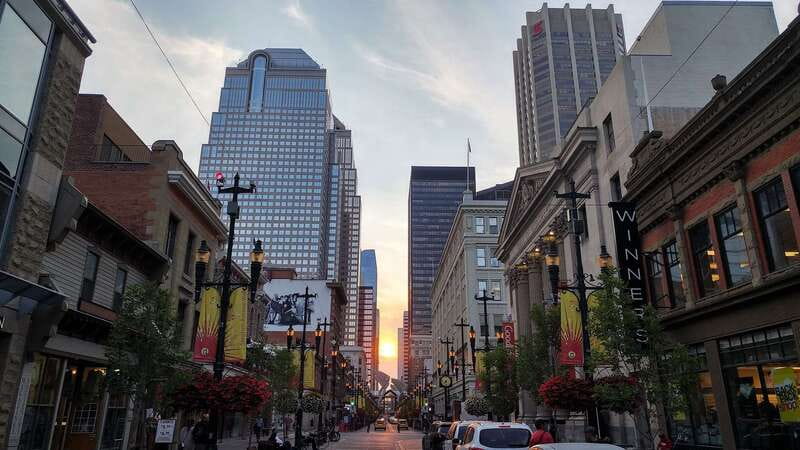
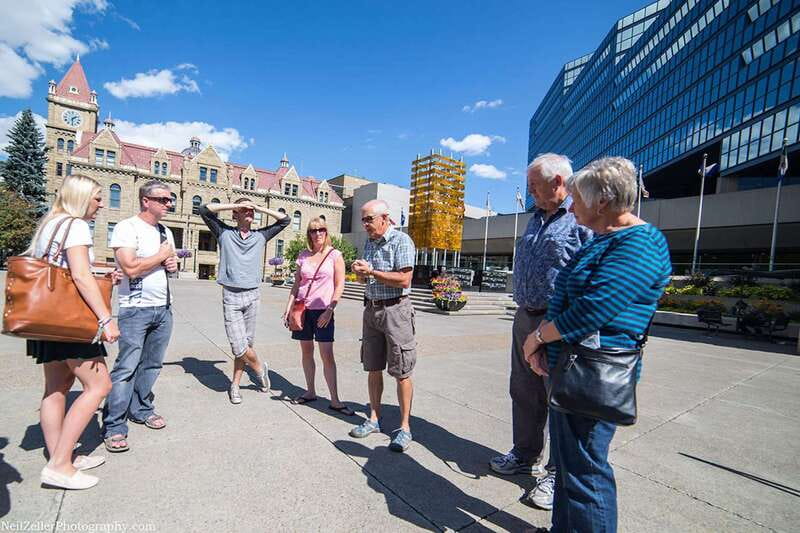
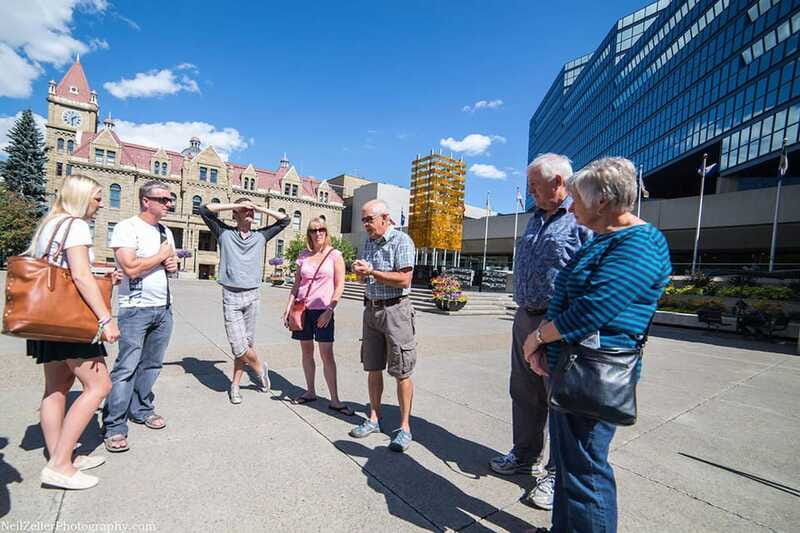
Meet at Municipal Plaza at 800 Macleod Trail SE by the horse statue. The advice here is simple: arrive at least 10 minutes early so you’re not sprinting in dress shoes while your guide is trying to wrangle a group.
This start matters because it gives you the map in your head fast. Calgary downtown can feel like a patchwork—modern glass next to old brick, open plazas next to covered corridors. The tour’s structure helps you understand how these pieces connect, so later you can choose where to walk and where to duck into the elevated pathways.
If the weather is bad, meet inside the Municipal Building’s front doors. On weekends in bad weather, the backup spot is by the lion at the main doors. This small detail is a big quality-of-life thing in Calgary, where rain can change plans in five minutes.
You can also read our reviews of more walking tours in Calgary


Public Art Trail: Calgary’s Outdoor Gallery Up Close
One of the main reasons I’d do this walk is the steady drip of public art along the route. This is not one quick stop for a photo and then off you go. Instead, you get little “look again” moments—art integrated into the streetscape, plazas, and corridors that make downtown feel like a place with personality, not just a business district.
In practice, this changes how you walk. You start noticing the visual rhythm: where the city puts color, where it puts sculpture, and how art helps break up long downtown blocks. It also gives you useful clues for return visits. After the tour, you’re more likely to spot the places that work well for a slow afternoon walk.
You’ll also hear why Calgary’s public art and street-level design fit the western-culture story the guide is building. That helps the art feel intentional, not random.
East Village Revival and Old Downtown Bones
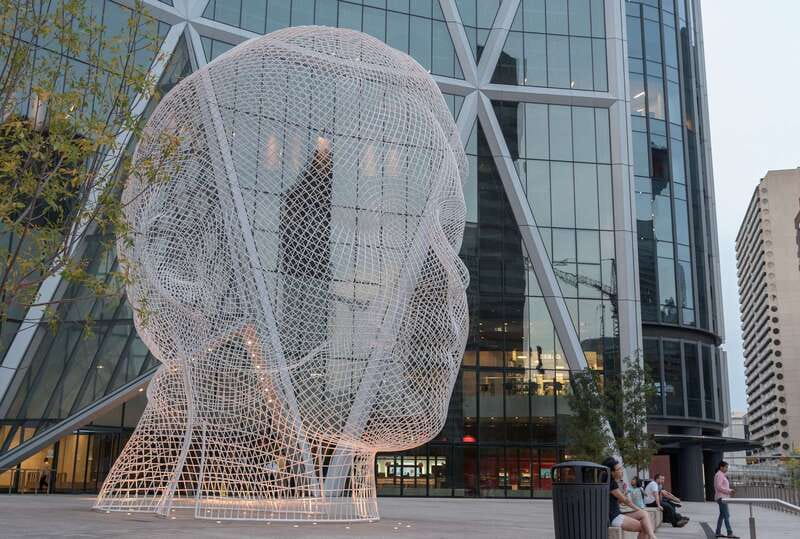
From the plaza, the route heads toward the East Village—a part of downtown that shows how Calgary mixes old and new. You’ll see newly revitalized buildings and learn how the area’s shift connects back to the city’s earlier roots.
What I like about this section is that it helps you stop thinking of Calgary as only a frontier-era myth or only a modern metropolis. It’s both, and the guide points out the physical proof: building styles, street patterns, and the way surviving structures were reused instead of flattened.
This is also where the tour’s storytelling earns its keep. The tour doesn’t treat downtown history as trivia. It explains survival—what kept buildings standing, what changed, and why some spaces became central again. That makes you feel like you’re reading the city instead of just walking it.
The +15 Walkways: Warm, Dry, and Fast
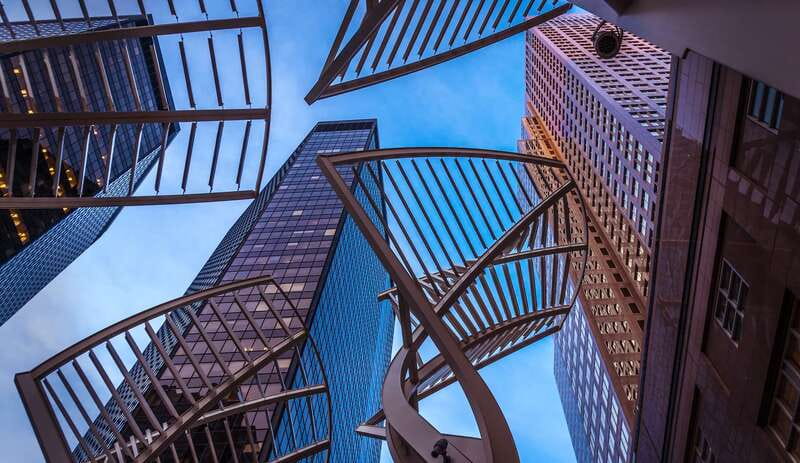
Calgary’s elevated +15 pathway system is the reason many locals walk around town more like pedestrians in a climate-controlled mall than people on sidewalks. This tour uses that network strategically, and it’s a huge value if your visit overlaps with rain, wind, or cold snaps.
You’ll travel along the most extensive pathway system in North America. Translation: you’ll cover a lot of downtown ground without constantly fighting the elements. It also helps you understand why Calgary feels unusually “walkable” in winter. The city literally built routes for it.
A practical tip: even if you’re dressed for the outdoors, bring layers you can manage in warmer interior spaces. You can move quickly from chilly air to heated corridors, and walking for two hours can make you warm faster than you expect.
And yes, you’ll still spend real time on the street, but the +15 sections make the whole experience comfortable enough to feel worth doing even on a gray day.
Chinatown to Stephen Avenue: Two Moods, One Route
As the tour moves toward Chinatown, you get another layer of downtown identity. The shift feels cultural, not just geographic—different streets, different storefront energy, and a different set of stories tied to how Calgary grew.
Then the route works you back toward historic Stephen Avenue for the finish. Stephen Avenue is one of those downtown anchors where you can instantly feel the change from “systems and corridors” to “street life.” It’s a good place to end because you’ll understand what to do next without needing extra orientation.
Think of it like this: Chinatown gives you depth, Stephen Avenue gives you momentum. After the tour, you can branch out based on what you liked most—architecture, art, food areas, or simply longer walks in the warmer, busier streets.
You can also read our reviews of more tours and experiences in Calgary

The New Public Library Moment
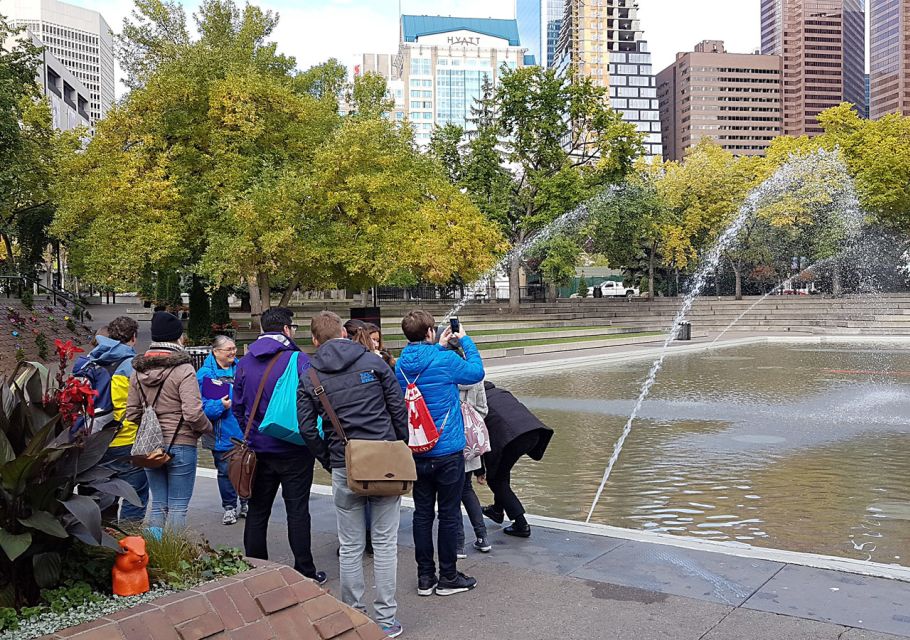
You’ll also see the stunning architecture of Calgary’s new public library. It’s not just a photo stop. This is a visual reminder that downtown Calgary is still evolving, even while it respects older structures.
In a short tour, that kind of modern anchor matters. It prevents the trip from feeling like only an ancestry lesson. You get a snapshot of Calgary now, which is what you want on day one or day two.
If you’re an architecture person, this is one of the stops that helps you switch gears from “where is everything” to “what does downtown look like at its best.”
Historic Buildings With Survival Stories
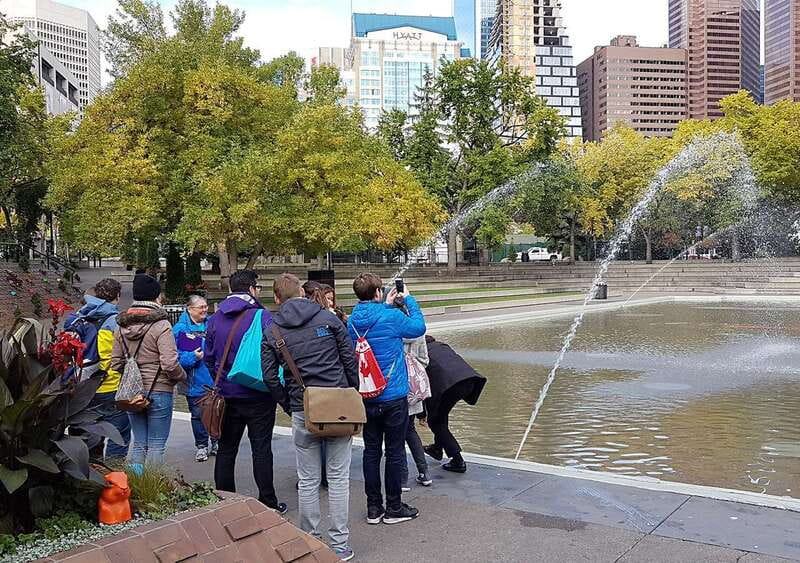
Beyond the big-name modern sights, the tour spends time on historic buildings and how they endured. That theme—survival—shows up in the way the guide talks about downtown: not as a museum of perfectly preserved relics, but as a living area where older buildings stayed relevant.
This section is especially useful if you’re the type who likes meaning behind design. Instead of staring at old brick and wondering what you’re looking at, you’re given a story for what you’re seeing and why it’s still there.
I’ve seen guides called out for adapting to interests, too. If you ask questions about architecture, street art, or what neighborhoods connect to what, you’ll often get an answer that points you toward a next stop. That’s the difference between a walk that passes by facts and one that gives you a workable understanding of the city.
Pace, Weather, and What to Wear
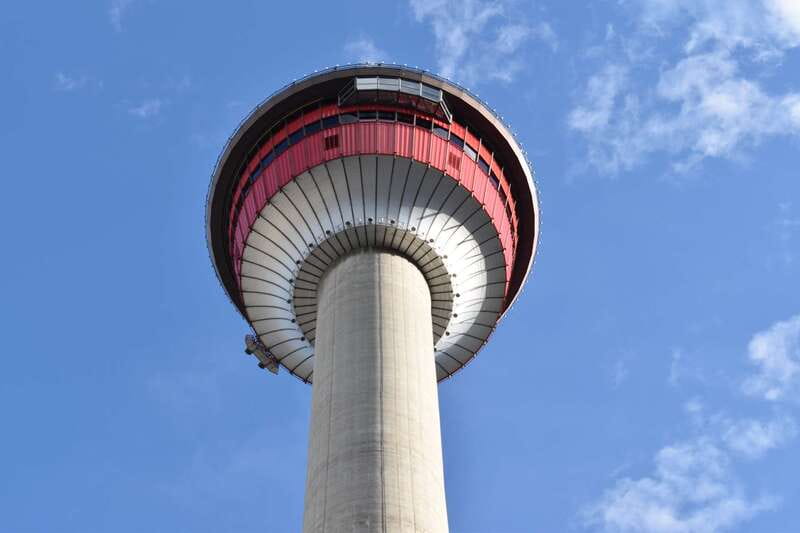
This tour runs rain or shine, and that’s not a throwaway line. Calgary weather can shift fast—rain, wind, cold, and sudden dry spells. The route leans on elevated walkways so you can stay warm and dry more than you’d expect from a normal outdoor-only stroll.
Here’s what you should bring:
- Comfortable shoes (seriously)
- Thermal clothing (even if it looks mild at noon)
The pace is designed to feel manageable. Many people mention it as relaxed and not rushed, which makes it a smart choice when you still haven’t built up stamina yet or you’re arriving from a long travel day.
One small consideration: if you’re hoping for a strict, high-speed checklist tour, this probably won’t be that. It’s built for learning and questions, and that can affect timing on the margins.
Price and Value: What $21 Buys You in Two Hours
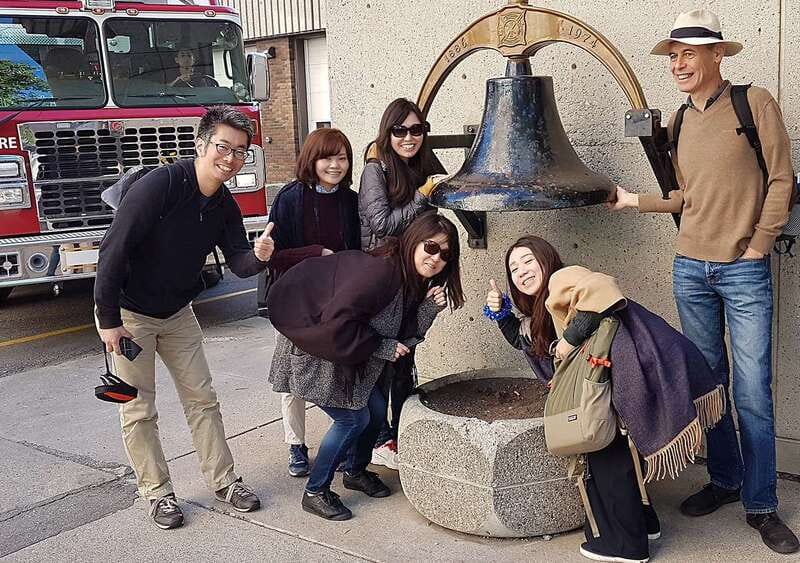
At $21 per person for a 2-hour walking tour with a live guide (plus taxes and fees), you’re buying something practical: orientation plus context.
For the money, you’re not just seeing downtown—you’re learning how it fits together. That means you’re less likely to waste time zig-zagging blindly across blocks, and you’ll know how to use Calgary’s pathways for future walks. If your goal is to make the most of your first day, this is a smart spend.
You also get flexibility. The tour is designed so you can keep going even when the weather changes, which reduces the chance you’ll sit around wishing you’d booked an indoor plan.
And if you’re planning a few activities in the city center, this tour acts like a connector. It can make later choices easier—what area to explore longer, what to skip, and how to get there without backtracking.
Who This Tour Fits Best
This tour is ideal if:
- You’re in Calgary for the first time and want a fast way to get your bearings
- You want a mix of public art, architecture, and city history without a heavy museum day
- You’re traveling in variable weather and want a plan that works rain or shine
- You want a guided route that uses the +15 system so you’re not soaked by hour one
It’s also listed as wheelchair accessible, which is important for inclusivity. If you need step-free routes and smoother walking, this type of downtown network-focused itinerary can be a real advantage.
Should You Book This Calgary Intro Walk?
I’d book it if you want a clean, first-day understanding of downtown Calgary—especially the parts people usually walk past. The combination of public art, East Village history, Chinatown, and the return finish on Stephen Avenue gives you both context and options.
Skip it if you already know Calgary downtown well and don’t care about an orientation walk, or if you only want stops you can spend long stretches photographing. This is a guided introduction, not a deep, slow crawl.
If you’re debating between “do nothing” and “learn the city,” this is the kind of trip that pays back later the same day: you leave with a map in your mind and a better sense of where you want to go next.
FAQ
How long is the Calgary Downtown 2-Hour Introductory Walking Tour?
It lasts 2 hours.
Where is the meeting point?
Meet at Municipal Plaza by the horse statue at 800 Macleod Trail SE, Calgary, AB T2P 2M5, Canada.
What if the weather is bad at meeting time?
If weather is bad, meet inside the Municipal Building’s front doors. On weekends in bad weather, meet by the lion at the Municipal Building’s main doors.
How much does the tour cost?
The price is $21 per person.
Does the tour run in rain?
Yes, it runs rain or shine.
What should I bring?
Bring comfortable shoes and thermal clothing.
Is the tour wheelchair accessible?
Yes, it is listed as wheelchair accessible.
What language is the tour guide speaking?
The tour is in English.
Are gratuities included in the price?
No. Gratuities are not included.