REVIEW · CANMORE
Canmore: Canyons & Cave Paintings – 2.5hr Hiking Tour
Book on Viator →Operated by Banff & Canmore Tours · Bookable on Viator
Cave paintings, with fresh mountain air nearby. This Canmore hiking tour pairs Grotto Canyon views with an on-trail explanation of First Nations life and beliefs, then stops at ancient rock art that uses ochre pigments. I love the small-group feel capped at 12 people, and I also like that the guide turns a walk into a story you can actually connect to what you’re standing on. One consideration: the tour depends on good weather, and bottled water isn’t included, so come prepared.
You’ll meet at the Canmore Recreation Centre and hike out with a professional, certified guide who sets the pace and keeps the group together. In the best moments, you’ll feel like you got the trail to yourself, especially when you start earlier, but the canyon experience can also shift if conditions aren’t ideal—your guide may offer an alternate route.
In This Review
- Quick hits on this 2.5–3 hour canyon and pictograph hike
- Why Grotto Canyon pictographs hit harder than photos
- Meeting point in Canmore: the easiest start to get right
- The hike itself: an enjoyable walk with real canyon ground underfoot
- First Nations stories that actually match what you see
- The rock art stop: reading ochre symbols with guidance
- When the weather changes plans, your guide may offer options
- Gear and comfort: what’s provided, and what you should add
- Price and value: is $86.05 a fair deal?
- Who should book this Canmore canyon and cave paintings tour
- Should you book this tour or skip it?
- FAQ
- How long is the Canmore: Canyons & Cave Paintings hiking tour?
- Where do I meet for the tour?
- How many people are in the group?
- What is included in the price?
- What should I bring since bottled water isn’t included?
- What happens if the tour is canceled due to weather?
Quick hits on this 2.5–3 hour canyon and pictograph hike
- Up to 12 people means you can ask questions and hear the stories clearly.
- Certified guide experience brings First Nations history into context as you hike.
- Pictographs at a sheltered rock face let you slow down and look closely at ancient symbols.
- Ice cleats when required plus hiking poles helps on slick or uneven ground.
- Departure times that fit your day makes it easier to plan around weather and other Banff-area stops.
- Bring your own water since bottled water isn’t included.
Why Grotto Canyon pictographs hit harder than photos
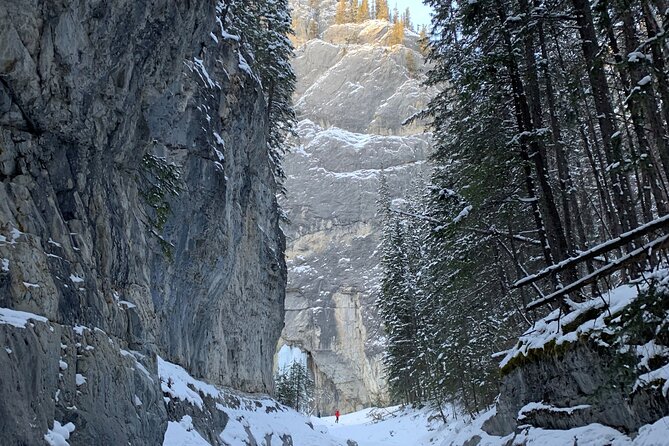
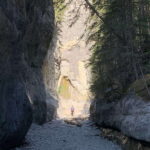
This is one of those tours where the point isn’t speed. You’re walking through Kananaskis Country terrain and stopping where the rock tells a story—literally, with pictographs painted in ochre reds and blacks that stand out against the canyon’s natural tones. Up close, the symbols feel less like a fact to memorize and more like a message you’re being taught to read.
What makes the experience special is the way the guide links the art to people and daily life. As you hike, you get context about the First Nations peoples who once used this land, and you’re invited to think about how the artwork connects to spiritual beliefs and everyday routines. Then, at the sheltered rock face, you’re not just looking at marks—you’re looking with a framework.
You can also read our reviews of more hiking tours in Canmore
Meeting point in Canmore: the easiest start to get right
You’ll start at the Canmore Recreation Centre, 1900 8 Ave, Canmore. It’s simple, central, and you don’t have to guess where to go once you arrive in town.
The tour includes multiple departure times, which matters more than it sounds. If you can choose an earlier slot, you’ll often get cooler air and a quieter start, and that can make the hike feel more personal. The experience is capped small either way, but earlier timing helps the whole day feel calmer.
The hike itself: an enjoyable walk with real canyon ground underfoot
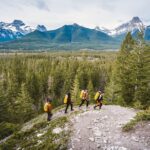
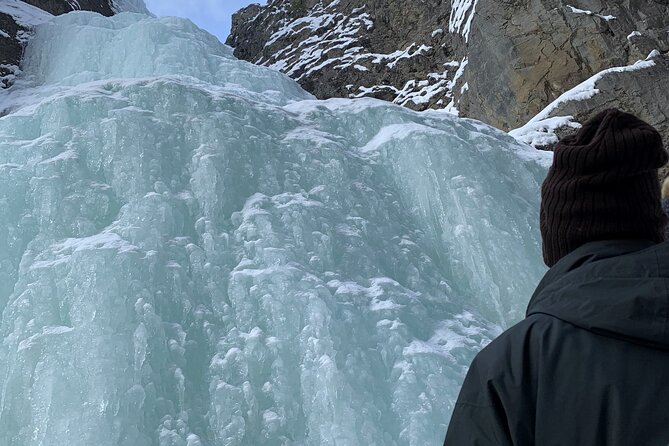
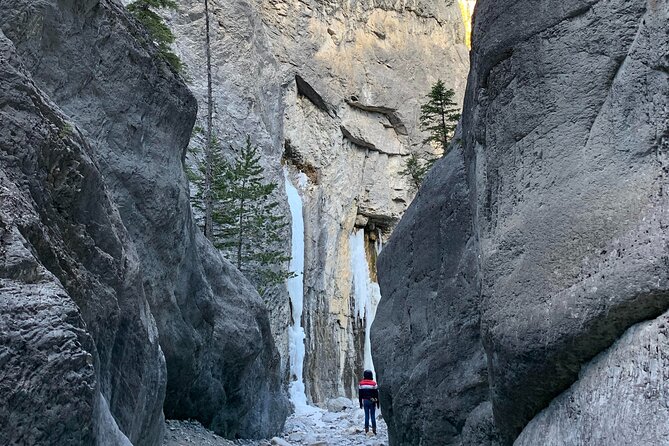
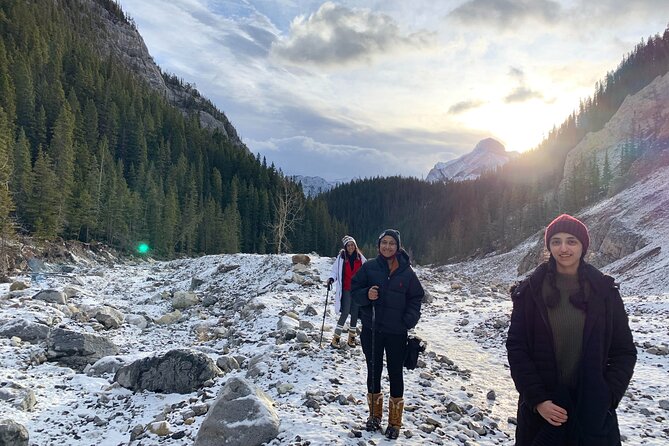
This tour is built around a guided hike through the canyon with time to stop and look. The overall pace is set for most people to participate, and the hike is described as easy enough that it doesn’t feel like a workout-first outing. That doesn’t mean it’s flat and effortless; canyon trails can still be uneven, rocky, or slick, so good foot placement is part of the experience.
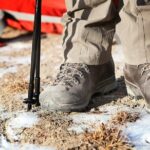
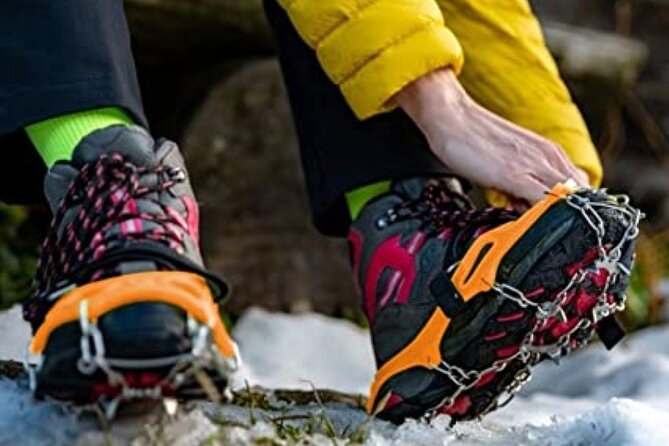
You’ll use hiking poles during the walk, which is a nice practical touch for stability on uneven ground. And when conditions call for it, you’ll get ice cleats. That combination is a big deal because it keeps the focus on the scenery and the stories instead of worrying about slips.
First Nations stories that actually match what you see
A key part of this tour is the way the guide talks about people and place together. You’ll hear stories about the First Nations peoples who once roamed these lands, with emphasis on how they understood and moved through the environment. That’s not just a lecture delivered from a distance; it’s threaded into the hike so you’re making connections as you go.
Guides you may get include Jacob and Ben, and both come through in the feedback for being friendly, prepared, and grounded in local perspective. Jacob, for example, is described as bringing the area to life with stories shared from a family connection, and he’s also noted for training other guides. Ben is mentioned as well prepared outdoors, which adds confidence when you’re hiking on canyon terrain.
For me, the value here is that history isn’t treated like a separate stop. You’re standing in the same environment where the stories make sense, and you can watch the guide point out why the land mattered.
The rock art stop: reading ochre symbols with guidance
The main moment arrives at the sheltered rock face with ancient pictographs. The guide helps you look at the symbols carefully—describing how the images depict significant events, spiritual beliefs, and aspects of daily life. Even if you’re not an art person, you’ll get enough context to notice patterns instead of just seeing paint.
The colors matter. The pictographs use ochre pigments—especially reds and blacks—which create strong contrast against the canyon’s natural hues. That contrast helps your eyes slow down, and the sheltered setting gives you a better chance to see details without wind and glare turning the moment into a blur.
Don’t rush this part. You’ll get the most out of the tour if you let the guide’s explanations shape how you look, then spend a little extra time on the symbols before moving on.

When the weather changes plans, your guide may offer options
This is a weather-dependent experience. If conditions aren’t good, you may be offered a different date or a full refund. That’s the simple version.
The more interesting version is what can happen on the day. One guide, Jacob, is described as offering the group an option to change the hiking location if canyon conditions weren’t ideal, and then leading an alternate hike to an abandoned mining town with remnants of past inhabitants. The point isn’t that you’ll definitely get an alternate stop—it’s that your guide may be thinking on their feet and adjusting to keep the outing enjoyable and meaningful.
So if your schedule is flexible, you’re in a good spot. If you’re not, choose a time that makes sense and be ready for the possibility that the hike could shift slightly based on conditions.
Gear and comfort: what’s provided, and what you should add
Here’s what’s included:
- Professional certified guide
- Hiking poles
- Ice cleats when required
Here’s what isn’t:
- Bottled water
That last part is a practical note. Bring your own water bottle and plan to sip during the hike. It’s a short tour by hiking standards, but you’re still outside in Alberta mountain air, and it’s easier to enjoy the pictographs when you’re not distracted by thirst.
Also, dress for canyon weather. The tour needs good conditions, but even on good days, temperatures can shift and trail surfaces can change. In other words, wear shoes you trust on uneven ground, not just for comfort but for grip.
Price and value: is $86.05 a fair deal?
At $86.05 per person for roughly a 3-hour outing, you’re paying for more than trail access. You’re buying:
- a certified guide who interprets the area and the pictographs
- small-group treatment capped at 12 people
- hiking poles and ice cleats when needed
- time built in for the story stop at the rock art
If you were to DIY this, you’d still face the question of how you’d interpret what you’re seeing. The guide’s explanations are a major part of the tour’s value, especially at the pictographs where context changes everything.
So the price makes sense if you want a guided interpretation, not just a hike. If you prefer solo walking with no structured stops, you might question the cost. But if you enjoy learning while you move, the guide component is where you get your money’s worth.
Who should book this Canmore canyon and cave paintings tour
This tour is a good match if you want a meaningful hike that doesn’t require long hours on the trail. You’re looking at a short guided outing that combines nature, safety support, and interpretation—exactly the kind of plan that works well for couples, friends, and families who want history without turning the day into a museum marathon.
It also fits solo travelers who like small groups. With a maximum of 12 people and an emphasis on questions and attention, you’re less likely to feel like you’re shouting for the guide’s attention.
You might want to choose another option if you:
- hate guided interpretation and prefer to figure things out on your own
- arrive with no water and don’t plan to grab some before the meeting point
- can’t deal with weather-related changes, even if the company offers a different date or refund when cancellations happen due to poor conditions
Should you book this tour or skip it?
Book it if you want a guided hike where the highlight is ancient pictographs you learn to see properly. The small-group cap, the inclusion of poles and ice cleats when required, and the strong focus on First Nations stories make it feel more like an outdoor history lesson than a random walk.
Skip it only if you’re purely in scenery mode and would rather spend time elsewhere without structured interpretation. In that case, you might prefer a self-guided trail day.
If you’re undecided, pick a departure time that works with your other Banff-area plans, bring your own water, and show up ready to look slowly at the rock art. This is the kind of outing that rewards attention.
FAQ
How long is the Canmore: Canyons & Cave Paintings hiking tour?
It’s listed as about 3 hours (approximately 2.5 hours).
Where do I meet for the tour?
You meet at the Canmore Recreation Centre, 1900 8 Ave, Canmore, AB T1W 1Y2, Canada.
How many people are in the group?
The tour has a maximum of 12 travelers.
What is included in the price?
It includes a professional certified guide, hiking poles, and ice cleats when required.
What should I bring since bottled water isn’t included?
You should plan to bring your own water, since bottled water isn’t provided.
What happens if the tour is canceled due to weather?
If it’s canceled due to poor weather, you’ll be offered a different date or a full refund.