REVIEW · CANMORE
Discover Ancient Pictographs – Guided Canyon Hiking Tour 3H
Book on GetYourGuide →Operated by Banff & Canmore Tours · Bookable on GetYourGuide
Rocky walls, two waterfalls, and pictographs all in 3 hours. This guided canyon hike out of Canmore pairs ancient Indigenous pictographs with big scenery, plus the ride to get you there without fuss. I especially liked how the guide kept it interactive, and how the stops felt purposeful instead of just point-and-shoot photo breaks.
My other favorite part was the combination of waterfalls + caves/canyon sections, with enough time to actually look and listen. One possible drawback: this is not a slow stroll, and it is listed as not suitable for pregnant women, people with mobility impairments, or anyone with pre-existing medical conditions.
In This Review
- Small group + real interpretation makes the difference
- Key points before you go
- A 3-hour canyon hike that starts (and ends) in Canmore
- The 15-minute coach ride: more than just getting there
- Waterfalls, canyon steps, and cave sections: what the hike feels like
- The main event: ancient Indigenous pictographs on canyon walls
- Safety that feels real: poles, traction, bear spray, and first aid
- How the guides shape the experience (Ben, Jake, Jacob)
- What to bring (so you’re not stuck improvising)
- Who this tour is best for
- Price and value: why $69 can feel fair here
- Should you book it?
- FAQ
- Where do we meet for the tour?
- How long is the tour?
- Is there transportation included?
- What gear is provided?
- What should I bring since food and drinks aren’t included?
- Is the tour guided in English?
- Is the tour suitable for everyone?
Small group + real interpretation makes the difference
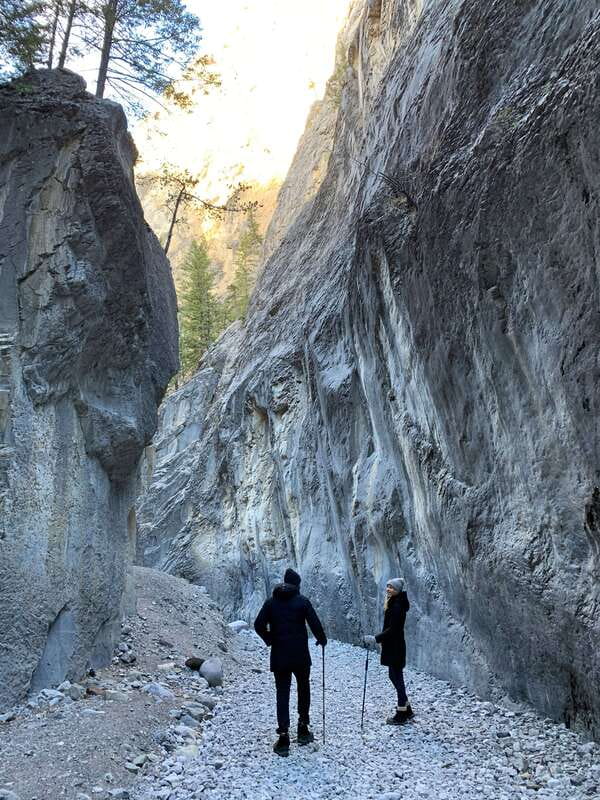
The tour runs with a max group size of 6, and that matters because you get questions answered, not just instructions shouted over the wind. From the guides I’ve seen associated with this tour, like Ben, Jake, and Jacob, the vibe is friendly and safety-minded, with bear spray and a first aid kit carried by the guide.
Key points before you go
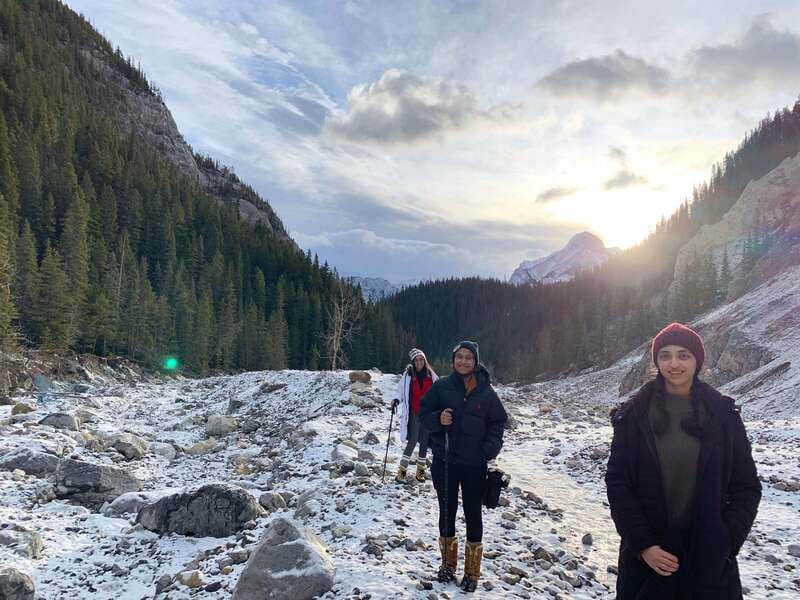
- Max group size of 6 keeps the hike personal and question-friendly
- Two waterfalls plus canyon and cave sections make the walking feel worth it
- Ancient Indigenous pictographs are the main event, explained in context
- Certified local guide shares geology and Indigenous connections to the area
- Hiking poles supplied year-around, with ice cleats in winter for traction
- Bear spray and first aid kit are part of the safety setup
You can also read our reviews of more guided tours in Canmore
A 3-hour canyon hike that starts (and ends) in Canmore
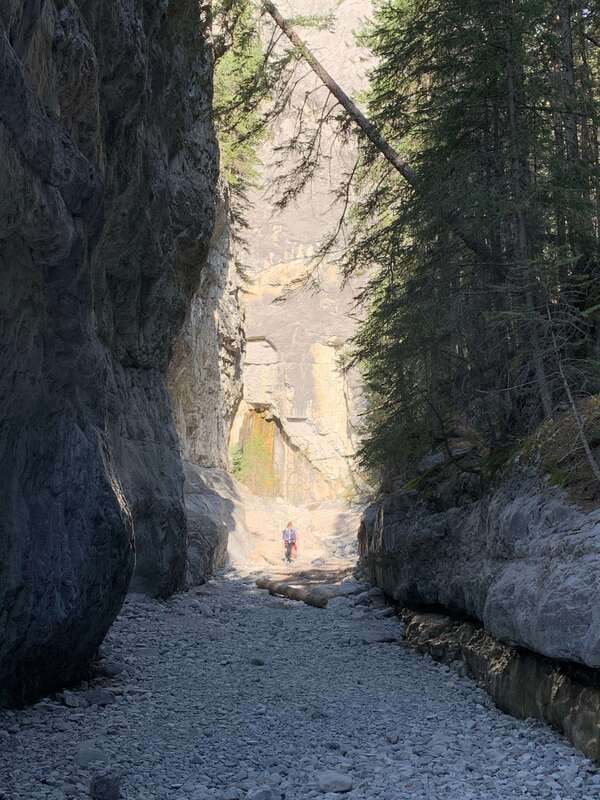
This is a 3-hour guided canyon hiking tour built for people who want a real taste of the Canadian Rockies without losing half a day to logistics. You meet at the Canmore Recreation Centre, outside the main doors, where your guide will be wearing a black hat and holding a clipboard.
You’ll also get that quick, low-stress rhythm: ride out with the group, hike with stops for viewpoints and interpretation, then ride back. If you want one outing in the Canmore area that feels like more than a scenic walk, this one hits the sweet spot.
The price is $69 per person. That sounds simple, but the value comes from what’s wrapped in: a professional certified guide, transfers to and from the meeting point, and gear support (hiking poles, and winter ice cleats). Add in the guided storytelling about geology and Indigenous pictographs, and it feels more like paying for access and expertise than just transportation and a path.
The 15-minute coach ride: more than just getting there
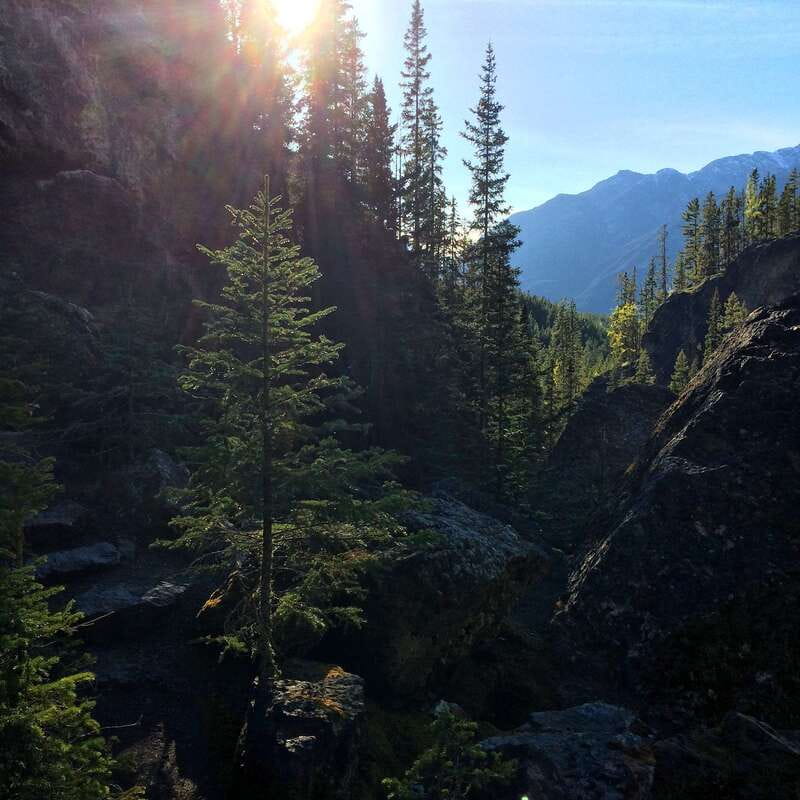
Right away, you’re transferred by bus/coach from the Canmore Recreation Centre. Expect about a 15-minute ride each way. During the journey, you’ll get guided touring and scenic views on the way, not just a silent drive.
For me, this matters because it sets expectations. By the time you step onto the trail, you already understand what you’re about to see: how the canyon’s rock formations formed, and why this region is important to Indigenous peoples. It helps the hike land emotionally, not just visually.
Also, the small group size (max 6) makes the ride calmer. You can actually hear your guide when you ask questions, and you’re not playing game of telephone with other people’s wind-blown answers.
Waterfalls, canyon steps, and cave sections: what the hike feels like
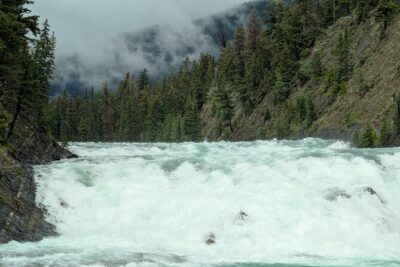
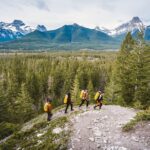
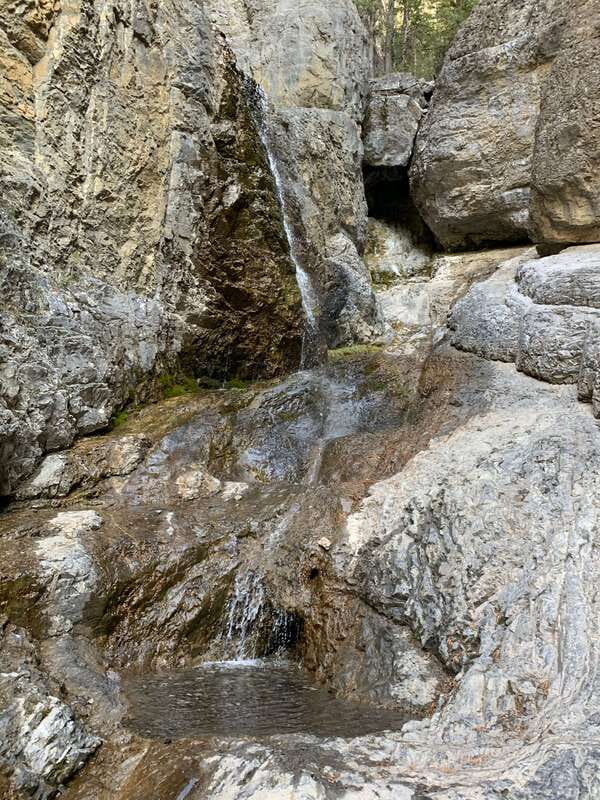
The walking portion is about 2.5 hours, and the itinerary is designed around variety rather than distance. You’ll visit two waterfalls, then continue through canyon terrain where caves and rock features come into play.
What I like about this setup is pacing. Waterfalls are natural “pause points.” They give you a reason to stop, breathe, take photos, and listen as your guide explains the surrounding rock and water story. Then the trail shifts into canyon sections and caves, which usually means tighter spaces, different light, and a stronger sense of being inside the landscape instead of just looking at it from above.
A practical note: since the tour is listed as not suitable for mobility impairments, you should assume there will be uneven ground and some level of footing challenges. If your hiking style is mostly flat paths and you get tired quickly on uneven terrain, this might feel like too much.
The main event: ancient Indigenous pictographs on canyon walls
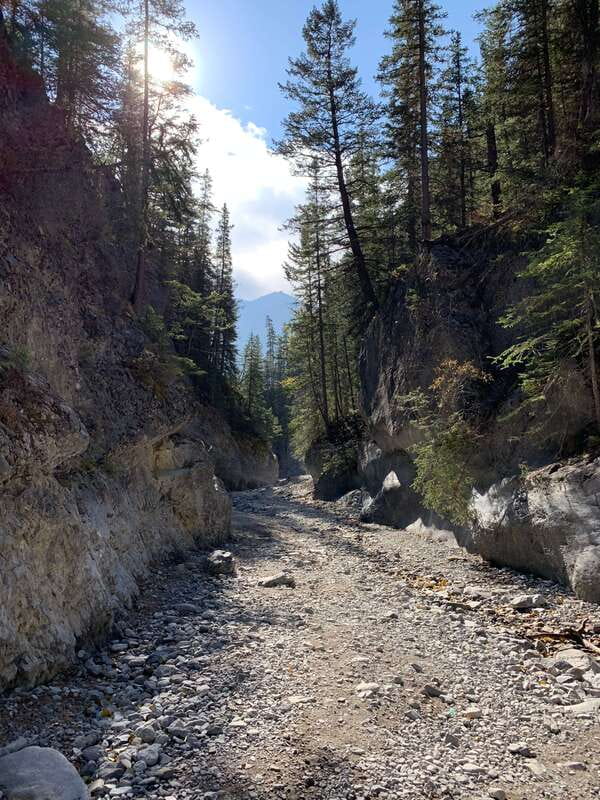
The headline is seeing ancient pictographs painted by Indigenous peoples. These artworks are located on the rock faces within the canyon, and they’re not treated like a random curiosity. Your guide connects them to the cultural narratives tied to the region.
Even if you know nothing about pictographs going in, you’ll get a guided way of looking. Your guide is there to explain what you’re seeing and why the canyon setting matters. The goal is to help you read the environment, not just glance at drawings and move on.
In addition to the pictographs themselves, your guide is set up to talk about the importance of this area to Indigenous peoples, including how ancient and local lifeways depended on the land. The tour also includes discussion of how Indigenous peoples relied on local plants and animals for sustenance, shelter, and medicine. That kind of context turns the canyon from scenery into a story you can follow.
If you’re the kind of traveler who likes to ask questions on-site, this portion is where the guide becomes especially valuable. The tour is described as interactive, and you’ll have opportunities to engage—exactly what you want when the subject is cultural heritage, not just a viewpoint.
You can also read our reviews of more hiking tours in Canmore

Safety that feels real: poles, traction, bear spray, and first aid
A good hike plan is more than route notes. This one is built around practical safety support.
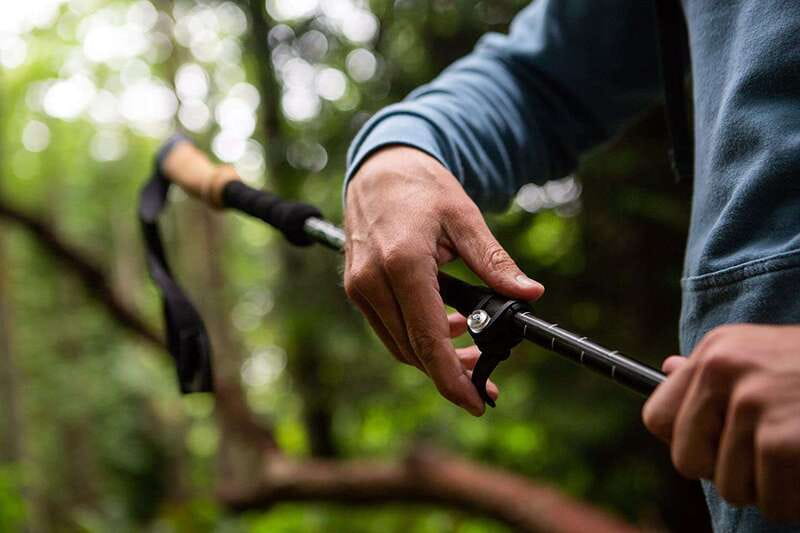
You’re supplied with hiking poles year-around. In a rocky canyon, poles can be the difference between controlled footing and constant hand-to-rock balance. If you forget poles at home, you’re covered here. That alone makes it easier to travel light.
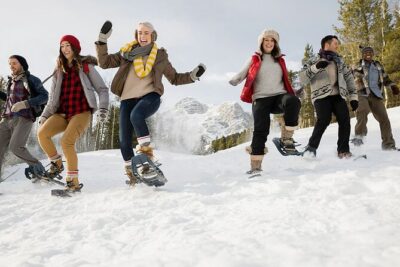
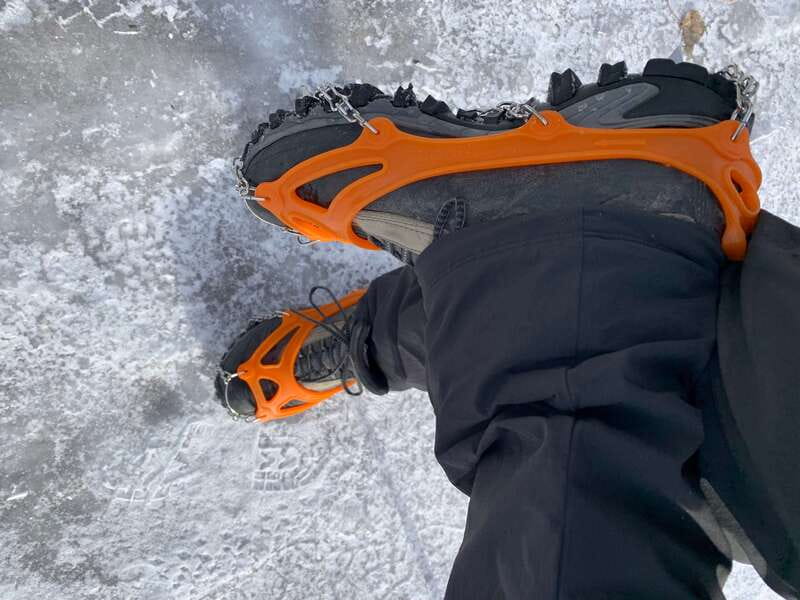
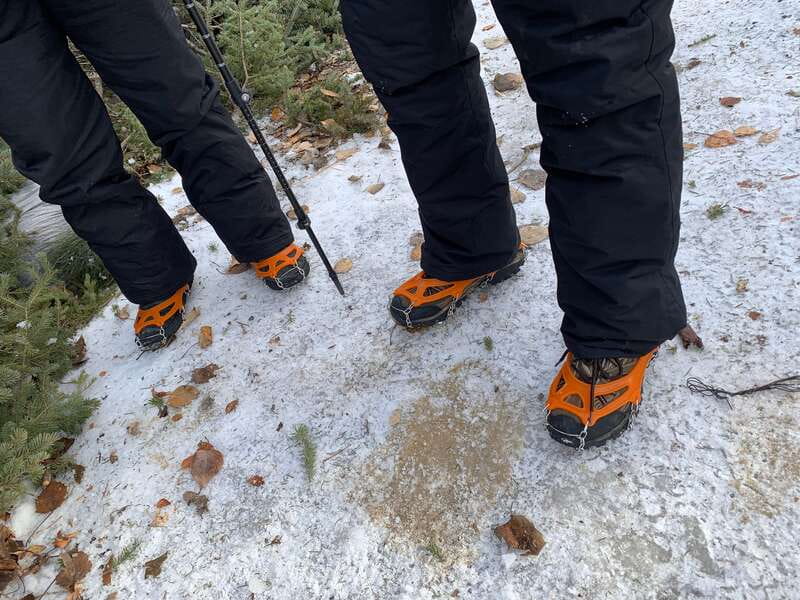
In winter, ice cleats are supplied. You can’t always predict trail conditions from your hotel window, and traction matters when you’re walking near shaded areas or slick rock. If you’re visiting in colder months, this gear inclusion is a big quality-of-life win.
Your guide also carries bear spray and a first aid kit. That’s exactly what you want to hear before you start hiking in bear country. It doesn’t eliminate risk, but it tells you the guide is prepared and operates with safety in mind.
One more detail worth your attention: the tour is not suitable for people with pre-existing medical conditions. I can’t tell you what that means for your situation, but it is a clear sign the activity is physically demanding enough that they do not want to guess.
How the guides shape the experience (Ben, Jake, Jacob)
The tour shines when the guide makes the material feel human. That’s what stood out in examples of recent guides leading this experience.
Ben is described as super helpful, accommodating, funny, and very informative—also interactive, meaning you’re invited into the conversation. Jake is noted for providing personalized service, including when weather forced a change and the guide suggested an alternate hike. Jacob is mentioned for customizing the hike for a family with limited hiking experience while still showing beautiful trails, and also for being patient and safety-minded. There’s even an example of a family with kids under 10 using kids sized ice cleats in winter.
You’ll see a pattern here: these aren’t guides who just recite facts and move on. The best part of a guided canyon hike is when you leave feeling like you understood what you saw. These guide styles align with that goal.
What to bring (so you’re not stuck improvising)
The tour doesn’t include food or drinks, so plan on bringing your own. A bottle of water is an obvious must, and a light snack helps if you’re doing this as your main activity for the day.
Wear good hiking shoes with grip suited to the season. Since hiking poles are provided, you don’t need to pack them, but you do need to wear footwear you trust. If you’re hiking in winter, you’ll get ice cleats from the tour—still, your boots matter for comfort.
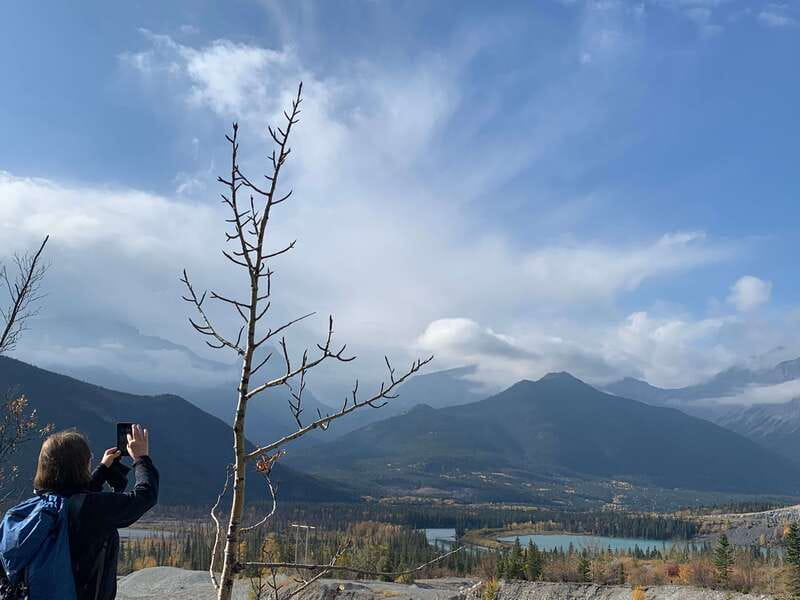
Bring a camera or phone for pictographs and waterfalls, but also keep one hand free. You’ll appreciate that if you’re stopping for photos while the guide explains details.
Who this tour is best for
This is a strong match if you want:
- A guided hike that mixes waterfalls + canyon features + pictographs
- Small-group attention (max 6)
- Interpretation that connects geology and Indigenous cultural meaning
- A safety-first guide with bear spray and first aid kit
It’s also a good choice for families with kids who can hike comfortably and handle uneven terrain, since the tour has been used with younger children in winter with appropriate ice cleats. That said, the tour is not listed as suitable for mobility impairments, so I’d be careful if your group includes someone who needs a more accessible route.
If you’re pregnant, have mobility limitations, or have a medical condition you need to manage closely, skip this one and look for an alternative that matches your needs more safely.
Price and value: why $69 can feel fair here
At $69 per person for a 3-hour experience, you’re paying for more than a guide on a trail. You’re getting:
- A professional certified guide
- Transfers to and from the Canmore Recreation Centre
- Hiking poles (provided)
- Ice cleats (provided in winter)
- Guided interpretation of geology, canyon features, and Indigenous pictographs
A hike with only a map and no interpretation would be cheaper, but you’d miss the point of the pictographs and the land-based storytelling. This tour sells access to understanding, not just access to a route.
If you’re in Canmore for a short stay and you want one structured outing that covers multiple highlights in a single block of time, this is the kind of value that adds up.
Should you book it?
I’d book this tour if you’re excited by canyon scenery and especially by the chance to see ancient Indigenous pictographs explained with respect and context. The small group size, safety setup (bear spray and first aid kit), and supplied gear make it easier to show up and focus on the experience instead of logistics.
Skip it if you or anyone in your party falls under the tour’s listed limits: pregnant women, people with mobility impairments, or anyone with pre-existing medical conditions. Also, if you prefer flat, easy walks only, the canyon terrain might feel like more work than you want.
If you’re on the fence, think about your goal: do you want scenery, or do you want meaning? This tour is built for the second one, while still delivering the two waterfalls you came for.
FAQ
Where do we meet for the tour?
Meet your guide outside the main doors of the Canmore Recreation Centre. The guide will have a black hat and a clipboard.
How long is the tour?
The tour lasts 3 hours.
Is there transportation included?
Yes. You get transfer to and from the designated meeting point by bus/coach.
What gear is provided?
Hiking poles are supplied year-around. Ice cleats are supplied only in winter.
What should I bring since food and drinks aren’t included?
Bring your own food and drinks. The tour does not include them.
Is the tour guided in English?
Yes. The live tour guide speaks English.
Is the tour suitable for everyone?
No. It is not suitable for pregnant women, people with mobility impairments, or people with pre-existing medical conditions.