REVIEW · CANMORE
Canmore Cowboys and Coal Miners History Tour – 2H Walk
Book on Viator →Operated by Banff & Canmore Tours · Bookable on Viator
Canmore’s past is written in working boots and hard choices, not museum glass. This 1.5-hour history walk tracks the people who built Canmore through cowboys and coal miners stories, with stops that make the town feel real fast. You’ll mix charming streets with trail time, plus chances to spot wildlife and catch big Rockies views.
Two things I especially like: the guide-driven storytelling that connects daily labor to what Canmore looks like today, and the variety of scenes—from the Bow River area to historic downtown landmarks like the Canmore Hotel and Miner’s Union Hall. One thing to watch: this is a history walk that runs on narration, so if you want quiet, you may find yourself wishing for more “stop and stare” time.
In This Review
- Key highlights worth knowing before you go
- Why Canmore’s cowboy-and-coal story works better on foot
- Meeting at Canmore Recreation Centre: what the start sets you up for
- Bow River walking and the first mining-era context
- Historic bridges and downtown landmarks that make the timeline click
- Cowboys vs coal miners: the story isn’t just rivalry
- Rockies views and wildlife spotting without losing the point
- Pacing, personality, and what can feel like too much talking
- Season and weather: how to dress for a comfortable 90 minutes
- Who this tour suits best (and who might prefer a different style)
- Price and value: $48.71 for 90 minutes that connect people to places
- Should you book this Canmore Cowboys and Coal Miners walking tour?
- FAQ
- How long is the Canmore Cowboys and Coal Miners History Tour?
- Where do I meet for the tour?
- What sights are included on the walk?
- Is the tour offered in English, and how big is the group?
- Do I need a mobile ticket, and are service animals allowed?
- What happens if the weather is poor?
Key highlights worth knowing before you go
- Small group feel (up to 12): easier to ask questions and keep a comfortable pace.
- Historic stops you can point at: Canmore Hotel and Miner’s Union Hall are part of the route.
- Bow River + old mining area context: you learn why the land matters, not just what’s there.
- Old bridges and downtown walking: the route threads “work era” sites with historic streets.
- Real-world expectation on coal mines: some mine areas are closed and not set up for touring.
Why Canmore’s cowboy-and-coal story works better on foot
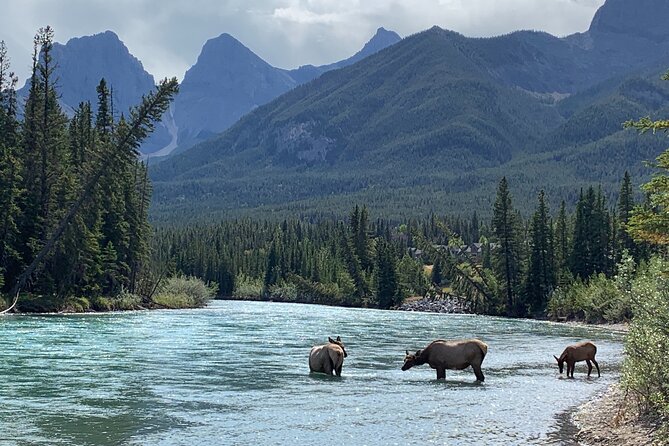
I like history tours that don’t just list dates. This one explains why the region developed the way it did—through work, ambition, and tough economics. In Canmore, that story often comes down to two competing forces: the era when ranching and cowboy life shaped the Bow Valley, and the coal-mining boom that brought dangerous labor and steady change.
As you walk, you start seeing the town as a living timeline. The route doesn’t rush you through trivia. It’s designed to make you connect the people to the places: where the economy pulled people in, where transit helped move resources, and how the land itself influenced what was possible.
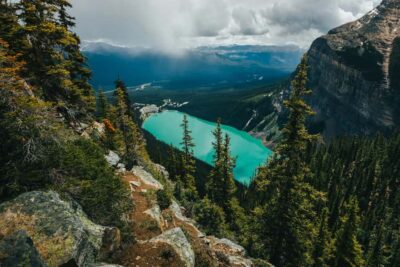
You’ll also get a bonus that’s hard to fake on a spreadsheet: scenery time. This tour includes trails with Rockies views, plus time along the Bow River. That mix matters. You end up learning without feeling like you’re stuck inside a classroom.
You can also read our reviews of more walking tours in Canmore
Meeting at Canmore Recreation Centre: what the start sets you up for
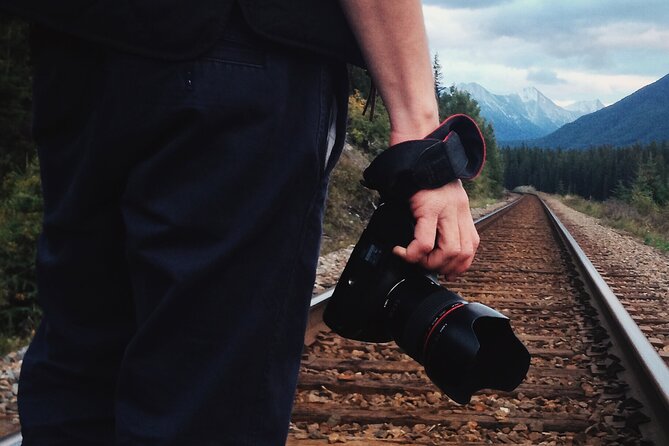
The tour meets at the Canmore Recreation Centre, 1900 8 Ave. It’s the kind of easy, recognizable starting point that helps you settle in quickly.
Time-wise, expect about 1 hour 30 minutes. That’s short enough to keep energy up, but long enough to get multiple stops and a proper story arc. If you’re the kind of traveler who likes to control pacing—stop for a photo, ask one more question, take a breather—this format fits. Guides can slow down or match your group rhythm.
What to bring:
- Good walking shoes (you’ll be on trails and along the river area)
- A jacket, even in mild seasons, since you’re moving outdoors and can catch wind off the Bow River
- A camera (there are views worth stopping for)
- If you care about wildlife spotting, keep your eyes up—part of the point is getting outside your normal “drive-by” perspective
And yes, it’s offered in English, with a mobile ticket. Service animals are allowed too, so long as your animal can handle a walking route.
Bow River walking and the first mining-era context
The tour’s early stretch sets the tone. You move along the Bow River area, and it’s a strong start because the river gives you a natural sense of direction. You also begin learning how work and settlement clustered around practical access—water, transport routes, and usable land.
Soon, you get into the mining-era context. Even if you don’t linger in an old mine itself, the guide helps you understand what mining meant here: the effort, the risk, and the way industry shaped day-to-day life in Canmore.
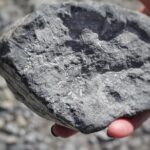
One practical heads-up: even though you’ll hear about local coal mining, old coal mine sites are cemented closed due to methane gas leaks and aren’t set up for touring. So you won’t be exploring dark tunnels or climbing into “real” mine spaces. The tour focus stays on stories and what you can still see or understand from the surface.
Historic bridges and downtown landmarks that make the timeline click
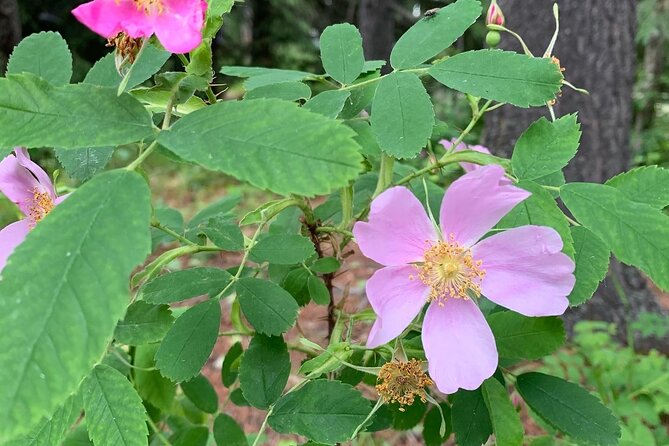
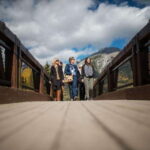
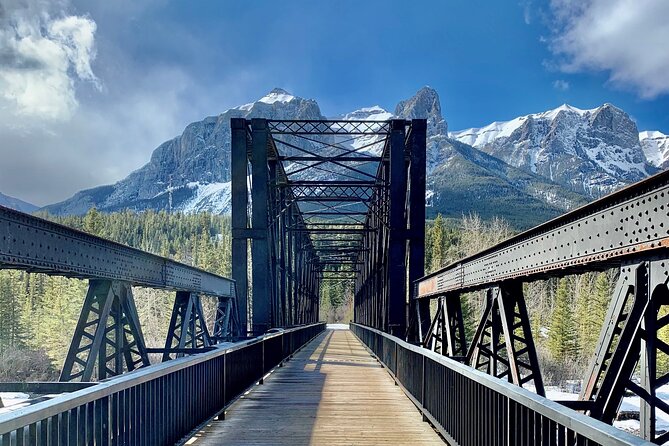
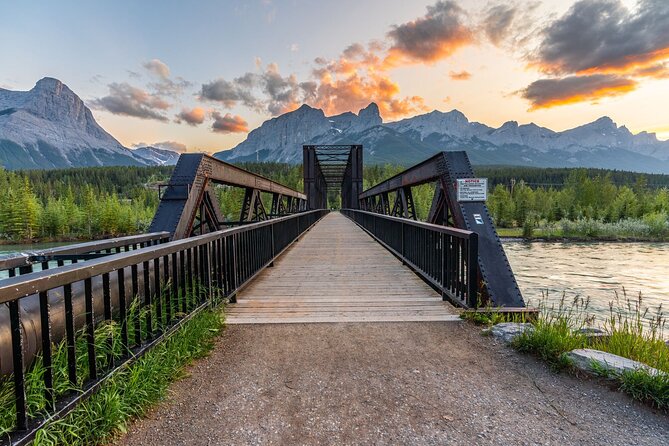
A highlight of this walk is how it stitches together different “eras” without feeling like a random lineup of buildings. After the river and mining-area context, you cross a couple of older bridges. Bridges may sound like filler, but they’re often where a town’s history becomes physical. They show you the engineering mindset that helped connect communities.
Then you move down through the center of historic downtown Canmore. This is where you really start to feel the contrast between labor and architecture—where people lived, worked, and gathered.
Two stops are especially memorable because they’re tangible:
- Canmore Hotel: tied to the town’s built-up growth and social life
- Miner’s Union Hall: the name alone tells you this is where workers organized and shared power
If you like “I can see that, now I get it” history, these stops land well. You don’t just hear about coal miners and cowboys as categories; you place them in specific buildings and public spaces.
You may also hear smaller but cool details, like the idea of an 1883 railroad tie showing up in the town’s early story—one of those facts that makes the whole region feel older than you expected.
Cowboys vs coal miners: the story isn’t just rivalry
The tour title sells you a showdown: cowboys versus coal miners. In real life, the story is more about how different economic forces overlapped and competed for influence.
The cowboy side helps you understand settlement patterns and the mindset of ranching life in the Bow Valley. The coal-miner side brings a tougher thread: hard work, organized labor, risk, and the reality that jobs shaped politics.
What I like most is how the guide connects these themes to the wider forces still shaping Canmore today—economic and political pressures that echo beyond the past. It’s not just “what happened,” but also “why it mattered.”
You’ll also hear about geology and ancient history of the First Nations in the region. That adds depth because it reminds you mining and settlement didn’t happen on a blank slate. The land already had meaning. And the rocks and river system helped determine how all later human stories unfolded.
You can also read our reviews of more historical tours in Canmore

Rockies views and wildlife spotting without losing the point
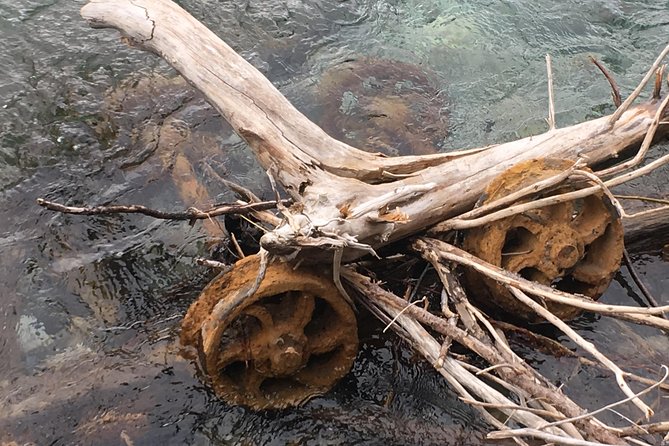
This is one of those tours where scenery is part of the educational package, not a break from it. As you walk, you get chances to look out toward the mountains and appreciate how the town sits in relation to the terrain.
Wildlife spotting is also a theme. You can’t force animals to appear, of course. But the tour’s rhythm encourages you to look up and pay attention. That helps you experience the Bow Valley as something living, not just a backdrop.
If you want a little strategy: slow down your pace when you’re near viewpoints or river bends. Give the guide a moment to finish a thought, then take a breath and scan. That’s when you’re most likely to catch something moving near the treeline or along open areas.
Pacing, personality, and what can feel like too much talking
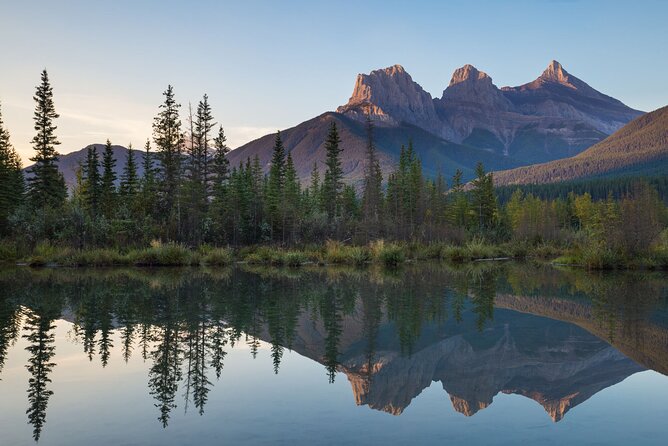
Here’s the honest trade-off. This walk is history-forward. For some people, that’s exactly what they want. For others, narration can feel constant—especially if you came for nature quiet.
In the feedback from the field, the tour has been described as enjoyable and informative, with guides like Jacob praised for being attentive and tailoring the pace to the group. Another guide, Ben, has been described as friendly and easy going.
But there’s also a clear caution: if your ideal vacation is “walk, look, hear birds,” you may feel the guide’s voice is on the heavy side. The good news is that guides can generally adapt to group needs. If you want more pause time, ask early. Even one request like, “Can we slow down for photos and scenery?” can shift the vibe.
Also, you may want to manage your expectations around what you’ll see up close. If you’re hoping for open coal mine access, remember mines are closed due to methane gas leaks and not set up for touring. You’ll still learn a lot, but it won’t be an inside-the-mine kind of adventure.
Season and weather: how to dress for a comfortable 90 minutes
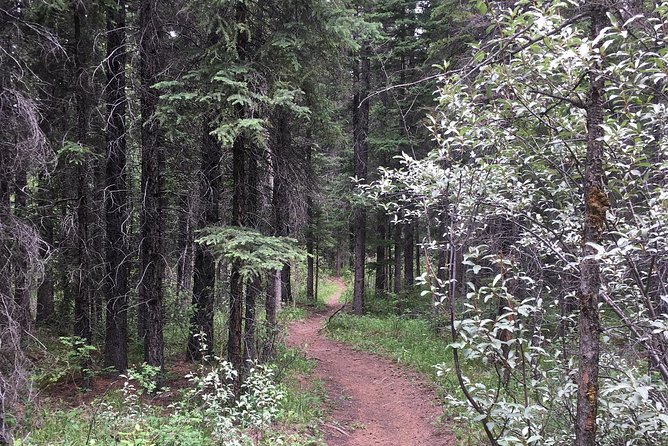
This tour requires good weather. That’s a smart detail, because you’ll be outside on a walking route along river areas and trails. If conditions are poor, the operator will offer a different date or a full refund.
For clothing, I’d plan for layered comfort. Even on sunny days, mountain air can flip the temperature. Bring a jacket you’ll actually wear, not just one you packed in case of emergencies.
If you’re traveling in early fall or shoulder season, you might be surprised how quickly wind can change your comfort level near the Bow River. Dress for movement, but plan for pauses.
Who this tour suits best (and who might prefer a different style)
This is a great fit if you:
- Want a quick way to understand Canmore beyond the postcard version
- Like guided walks where the route helps explain history
- Prefer small groups and the chance to ask questions
- Enjoy nature views but still want a clear “learning goal”
It’s less ideal if you:
- Want a mostly quiet nature stroll
- Are hoping for hands-on exploration of mine tunnels
- Struggle with sustained listening on a walking tour
If that last bullet hits home, consider pairing your day with a more nature-focused outing where the goal is scenery time first. This one is history first, scenery second—but the scenery still matters.
Price and value: $48.71 for 90 minutes that connect people to places
At $48.71 per person for about 90 minutes, this isn’t the cheapest thing in town—but it’s also not priced like a private luxury car tour. The value comes from the guide’s role: you’re paying for interpretation and structure, not just walking through Canmore on your own.
Two reasons I think the price works:
- You get multiple “story anchor” locations (river area, historic bridges, historic downtown buildings like the Canmore Hotel and Miner’s Union Hall).
- The tour connects topics—cowboys, coal miners, geology, ancient history of the First Nations, and the economic/political forces that shaped the Bow Valley.
And because it’s run with a small group limit (up to 12), you’re not stuck with a mega-group where questions never get answered.
If you’re visiting for a short time and want context fast, this kind of guided walk can save you effort. It helps you recognize what you’re seeing later as you wander on your own.
Should you book this Canmore Cowboys and Coal Miners walking tour?
Book it if you want a first pass at Canmore that feels grounded in real work and real places. You’ll get a tight route, a clear theme, and the kind of guidance that turns buildings and trail bends into meaning.
I’d skip it—or at least adjust expectations—if you’re craving silence and lots of unstructured viewing. This one is built around storytelling. You’ll still see great views and you might spot wildlife, but the narration is part of the package.
If you can handle a bit of talking, and you’re curious about how cowboys, coal miners, and the land shaped the Bow Valley, this is an excellent use of a morning or early afternoon.
FAQ
How long is the Canmore Cowboys and Coal Miners History Tour?
It runs for about 1 hour 30 minutes.
Where do I meet for the tour?
The tour starts at the Canmore Recreation Centre, 1900 8 Ave, Canmore, AB T1W 1Y2, Canada, and it ends back at the meeting point.
What sights are included on the walk?
You’ll see key Canmore landmarks tied to the town’s past, including the historic Canmore Hotel and Miner’s Union Hall, plus walking sections along the Bow River area, old bridges, and through historic downtown.
Is the tour offered in English, and how big is the group?
The tour is offered in English, and the maximum group size is 12 travelers.
Do I need a mobile ticket, and are service animals allowed?
Yes, the tour uses a mobile ticket, and service animals are allowed.
What happens if the weather is poor?
The experience requires good weather. If it’s canceled due to poor weather, you’ll be offered a different date or a full refund.