REVIEW · BANFF
Lake Louise: Cross Country Skiing Lesson with Tour
Book on GetYourGuide →Operated by Freeheelin' Adventures · Bookable on GetYourGuide
Lake Louise on skis is a simple idea with a big payoff. You get coaching on cross-country technique right in front of one of Canada’s most famous backdrops, plus a guided practice day that runs about 5 hours. It’s not just a stroll on flat snow; it’s structured so you learn how to move, stop, and recover.
What I like most is the mix of beginner or refresher teaching and real time on the trail. You start with safety and orientation, then your instructor works through the basics you actually need—think falling and getting back up, gliding, and stopping on nordic skis. One name that shows up strongly in feedback is Shauna, praised for patient, personal tuition.
One thing to consider before you book: the day depends on the right gear. The tour specifically requires waxless cross-country skis (plus boots and poles), and rentals aren’t cheap. If you need to rent, you’ll want to plan ahead so you don’t lose time—or comfort—on the slope.
In This Review
- Key Things You’ll Notice Right Away
- Lake Louise on Nordics: What Makes This Day Work
- Check-In at Lake Louise: Meeting Point and What Happens First
- Morning Lesson: Falling, Gliding, and Stopping With Real Coaching
- Guided Loop Around Lake Louise: Making Technique Connect to Terrain
- The Secret Stop Break: A Chance to Reset and Stay Warm
- Afternoon Guided Session: Confidence Over Speed
- Price and Value: Is $146 a Good Deal?
- What to Pack for Comfort (and Hands That Don’t Quit)
- Equipment Rentals: How Not to Get Stuck on the Wrong Skis
- Who This Tour Suits Best (And Who Might Skip It)
- Tiny Planning Tips That Make a Big Difference
- Should You Book This Lake Louise Cross-Country Lesson?
- FAQ
- Where is the meeting point for the tour?
- What time does the experience start?
- Is this lesson for beginners or more experienced skiers?
- What skills will the instruction cover?
- Do I need to bring my own cross-country ski equipment?
- How much do equipment rentals cost?
- Is lunch provided?
- How big is the group?
- What’s the language of instruction?
Key Things You’ll Notice Right Away
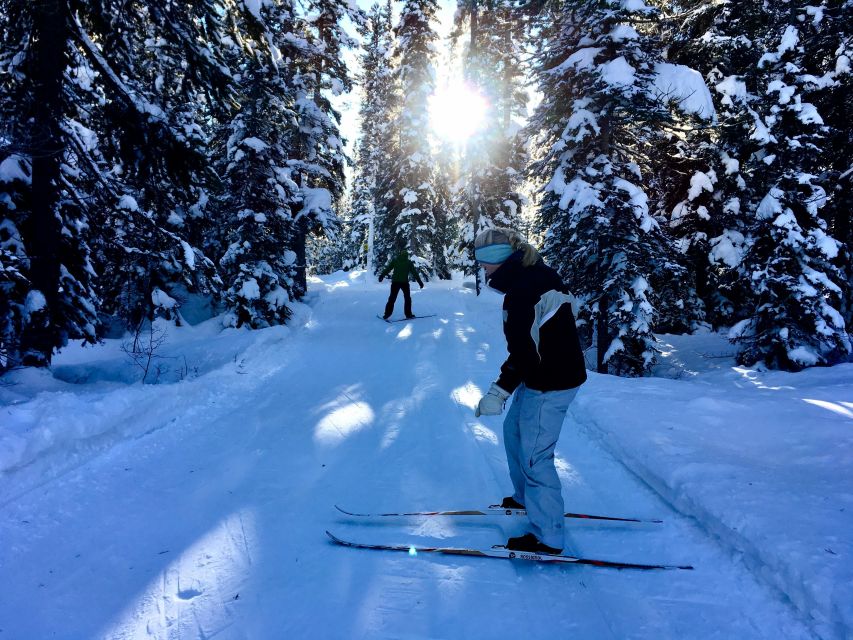
- Small-group size (max 4) means you’re not lost in the crowd.
- Beginner-to-refresher coaching covers both learning and correcting habits.
- You practice the real skills: getting up, gliding, and stopping.
- Two guided trail blocks plus a break to regroup and warm up.
- Lake Louise “loop time” keeps the iconic scenery part of the lesson.
- English instruction with a local guide who teaches technique, not just routes.
Lake Louise on Nordics: What Makes This Day Work
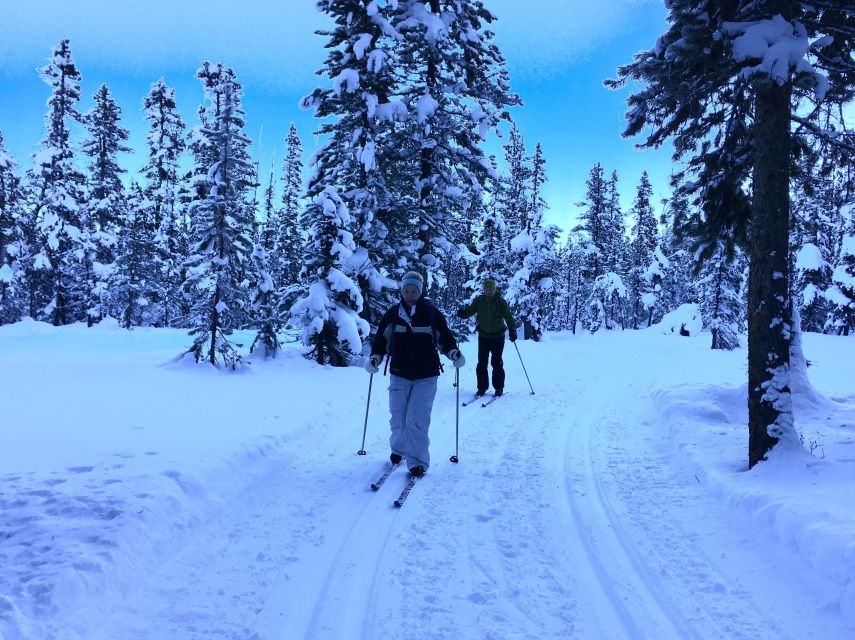
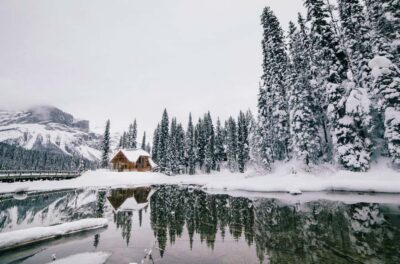
Lake Louise is the kind of place where the view can distract you. Good tour design uses that distraction as motivation. The smart move here is that you don’t just show up and follow tracks. You start the day with a safety briefing, then your instructor guides how to ski before you spend long stretches moving on your own.
This is also a practical tour for learning. Cross-country skiing feels easy when you watch someone else. Then you get on waxless nordic skis and your body learns new jobs fast. The coaching format—learn, practice, refine—helps you avoid the most common beginner trap: rushing straight to “going somewhere” without mastering control.
And yes, you still get to see the Canadian Rockies in winter. But more importantly, you get to experience them while you’re actually skiing—so the scenery isn’t passive. It’s part of the work you’re doing.
You can also read our reviews of more tours and experiences in Banff
Check-In at Lake Louise: Meeting Point and What Happens First
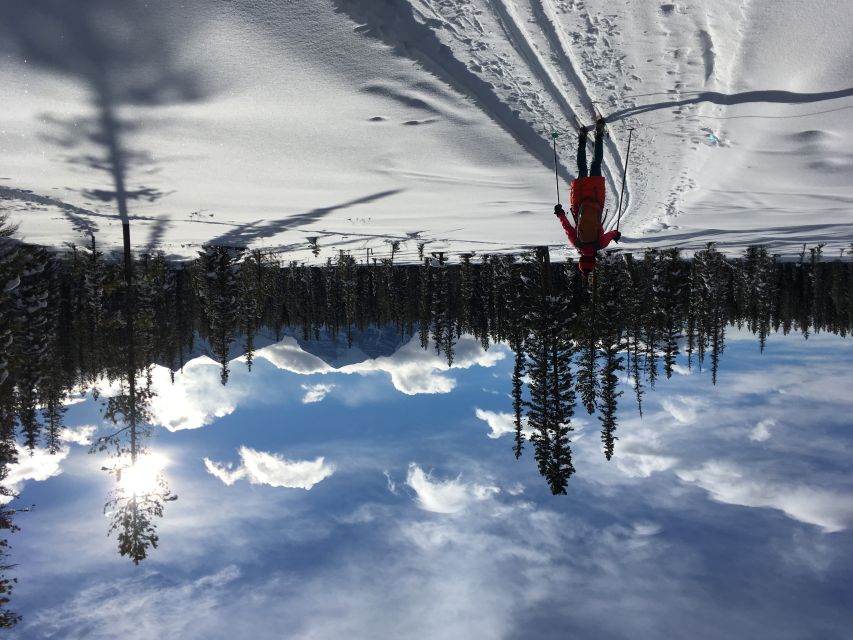
Your day begins at 10:30 AM at the public bench in front of the washrooms at Lake Louise. The meeting is at the parking area; if you’re using Google Maps, you may need to zoom in to see the exact road/bench area.
Before you step onto the snow, you’ll do a waiver and a medical form. You’ll also complete an orientation. That matters more than it sounds. Cross-country skiing has fewer “big moments” than downhill, but the small errors—wrong posture, poor weight shift, or panic stopping—make the day harder. A quick start-up process helps you get into the right rhythm fast.
Expect a 15-minute safety briefing before you head out. Then the lesson begins in earnest. This is the part that turns a potentially awkward first attempt into something you can actually build on.
Morning Lesson: Falling, Gliding, and Stopping With Real Coaching
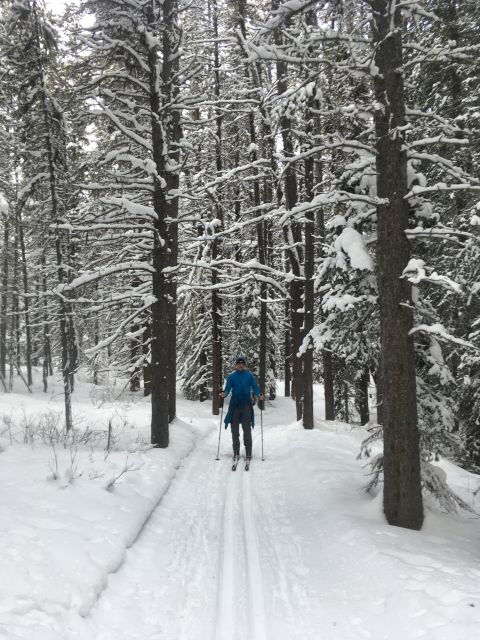
The morning is where the value hides. This tour doesn’t treat instruction like a warm-up talk. You’ll get hands-on cross-country ski instruction and a guided learning session built around core movements.
Even if you’re a beginner, you’ll be taught fundamentals that keep you from getting stuck. The coaching includes:
- how to fall and how to get back up
- how to glide properly
- how to stop confidently on nordic skis
That list is gold because it targets the fear points. Beginners usually worry about two things: balance and control. Refresher skiers often struggle with stopping—especially when they’ve developed habits that felt fine on flat ground but fail when conditions tighten up.
You’ll also have a short tour at the end of the lesson segment. That gives you a chance to stitch technique into actual movement, rather than feeling like you only learned “moves” that never connect to the trail.
Guided Loop Around Lake Louise: Making Technique Connect to Terrain
After the safety briefing and the learning block, you shift into trail time. The schedule gives you about 2 hours of guided skiing with instruction support as you move through the Lake Louise area.
This is a sweet spot for most people. Two hours is long enough to feel the difference between knowing a technique and using it. It’s also short enough that you’re not exhausted before lunch.
The “Lake Louise” part of the day matters because the environment stays iconic. Even when you’re focusing on your own stride, the setting keeps reminding you why you came. The trail time here feels like more than practice. It’s practice with context.
A small-group format (up to 4 participants) helps because your instructor can adjust on the fly. If someone’s stride is too choppy, if poles are off, if stops aren’t controlled—those things can be corrected quickly when you’re not competing for attention.
The Secret Stop Break: A Chance to Reset and Stay Warm
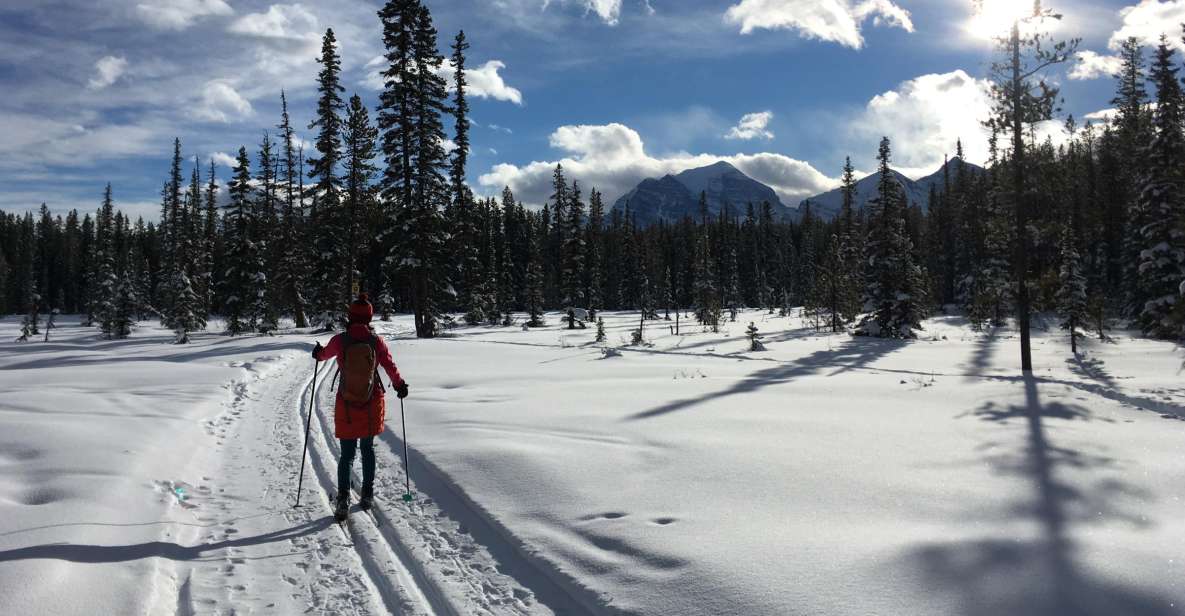
Midday includes a break time of 25 minutes at a “secret stop.” The exact spot isn’t detailed, but the purpose is clear: you regroup, take a breath, and keep your body comfortable.
This break is important because cross-country skiing uses muscles that often feel fine at first and then get busy. Your legs may be okay; your hips might start asking questions; your hands might get cold if gloves or mittens are too thin. A scheduled reset helps you go into the afternoon with better control instead of fading.
Since the activity operates over lunch, you’ll want a packed lunch. It’s one of those small planning details that keeps the day enjoyable instead of stressful.
You can also read our reviews of more tours and experiences in Banff






Afternoon Guided Session: Confidence Over Speed
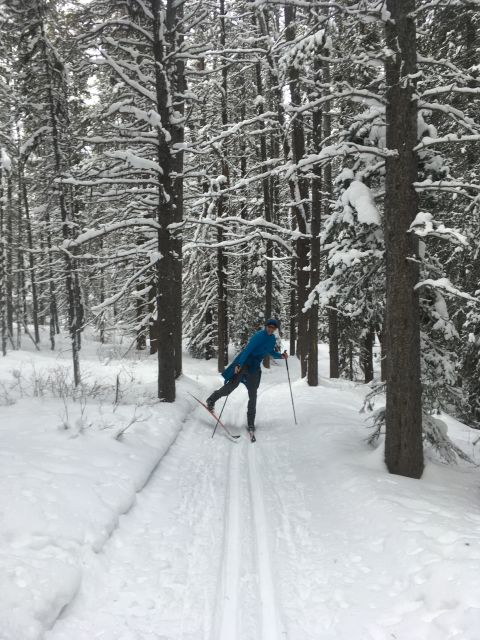
You’ll head back out for another 2 hours of guided tour time at Lake Louise. By now, you should be past the initial uncertainty. The afternoon is where your technique gets tested in real motion: weight shifts, gliding rhythm, and stopping control.
For beginners, the goal is confidence, not distance. For refresher skiers, the goal is clean up. That might mean smoother glides, more stable posture, or better stopping with less panic.
Also, the tour structure keeps the lesson practical. Instead of cramming everything into one intense block, you get a first guided period, a break, then more trail work. That pacing helps you absorb instruction rather than just “survive” the first half.
If you’re the type who learns best by repetition, this afternoon block is ideal. One round of technique often isn’t enough on skis you’re still getting used to. Two rounds with time to reset typically makes the improvements stick.
Price and Value: Is $146 a Good Deal?
At $146 per person for about 5 hours, the price isn’t the bargain end of the spectrum. But it also isn’t a generic “book-and-go” activity. What you’re paying for is coaching time and small-group attention, plus guided skiing in a high-demand scenic location.
Here’s what makes the value work:
- You get instruction designed for both beginners and refreshers.
- The group is limited to 4 participants, so your instructor can correct technique instead of lecturing.
- The itinerary includes structured safety, orientation, guided trail blocks, and a final short tour element.
The part that can change your real total cost is equipment. The tour requires you to bring waxless cross-country skis, boots, and ski poles. If you need to rent, you’ll pay extra:
- Chateau Lake Louise rentals are listed at $60/person
- Gear Up in Canmore is $30/person
- Wilson Mountain Sports in Lake Louise is $29/person
That rental pricing can swing the economics quickly. If you already own suitable waxless gear, the tour feels like a straightforward paid coaching day. If you need rentals on-site at Lake Louise, it becomes more of an all-in winter activity with higher costs.
My practical advice: price out your full day before you commit. Then decide what matters more to you—saving money on rentals or reducing friction by renting closer to where you start.
What to Pack for Comfort (and Hands That Don’t Quit)
Winter skiing is mostly about comfort. The tour expects you to show up ready for cold, and they list specific items to bring.
You’ll want:
- warm clothing and warm waterproof layers
- hat, neck warmer, and outdoor winter layers
- gloves or mittens
- winter sports gear
- packed lunch for the day
- winter basics like tissues/hand sanitizer (and a medical mask, as noted)
One subtle issue: cross-country boots and bindings can feel tight on day one. If your socks or base layers aren’t right, you’ll feel it more than you expect. So aim for warm, not bulky. The goal is to avoid cold while keeping freedom of movement in your stride.
And don’t forget: you must come with the right style of ski equipment. The tour notes that you need waxless cross-country skis, plus boots and ski poles.
Equipment Rentals: How Not to Get Stuck on the Wrong Skis
This tour’s equipment requirement is the main “gotcha.” Waxless cross-country skis are specifically mentioned, and that can affect what rentals you choose.
If you don’t have your own gear, you’ve got a few options listed:
- Chateau Lake Louise: $60/person
- Gear Up (Canmore): $30/person
- Wilson Mountain Sports (Lake Louise): $29/person
If you’re staying in the area, the Canmore or Lake Louise rental options might be easiest. But you’ll still want to confirm they’ll provide what you need for waxless nordic skiing, not something that requires wax or is meant for a different style.
Also think about timing. You’re meeting at 10:30 AM. Even a short rental delay can throw off your warm-up and your confidence.
Who This Tour Suits Best (And Who Might Skip It)
This experience is a great fit if:
- you want beginner instruction or a structured refresher
- you like learning technique before moving fast
- you want small-group attention (max 4 participants)
- you’re visiting the Canadian Rockies and want a winter activity that’s active, not just scenic
It’s not suitable if you:
- are under 14 years old
- use a wheelchair or have mobility impairments (as noted)
If you’re an able-bodied adult who can handle cold weather and walking on snow, you’re in the right category.
Also, if you hate being cold, you’ll enjoy the structure. The break and the total timing help keep the day from turning into an endurance test.
Tiny Planning Tips That Make a Big Difference
Here are a few smart moves that keep the day smooth:
- Bring layers you can adjust. If you overheat early, you’ll ski worse.
- Pack a lunch you can eat quickly. You’re active, and you’ll want food without fuss.
- If you rent, verify the gear is waxless and you have boots and poles—don’t assume.
- Arrive ready for the cold so you’re not changing clothes on the fly.
And one more thing: cross-country skiing is easier when you focus on control. Your instructor’s work on stopping and getting back up is exactly what you should care about. Once control clicks, speed becomes a side effect.
Should You Book This Lake Louise Cross-Country Lesson?
I’d book it if you want a guided way to learn or refresh cross-country skiing in a truly iconic setting. The small group size, the hands-on instruction (including falling, gliding, and stopping), and the two guided trail blocks make it a strong value for your time.
I’d think twice if you don’t have the right gear and you’ll have to pay premium rentals at Lake Louise. In that case, your total cost could climb quickly. Still doable—but run the numbers first.
If you’re prepared with warm layers, a packed lunch, and waxless gear, this is the kind of winter day where you leave with new skills instead of just photos.
FAQ
Where is the meeting point for the tour?
Please meet at the parking for Lake Louise in front of the public washrooms by the bench. The tour asks you to meet at the bench area for check-in and forms.
What time does the experience start?
The meeting time is 10:30 AM, and the total duration is about 5 hours.
Is this lesson for beginners or more experienced skiers?
It works for both. You can book as a beginner or for a refresher course tailored to your level.
What skills will the instruction cover?
The instruction includes falling and getting back up, gliding, and stopping on nordic cross country skis.
Do I need to bring my own cross-country ski equipment?
Yes, the tour notes that you must bring waxless cross-country skis, boots, and ski poles. Equipment rentals are available, but they are not included in the tour price.
How much do equipment rentals cost?
Rental prices listed include $60/person at Chateau Lake Louise, $30/person at Gear Up in Canmore, and $29/person at Wilson Mountain Sports in Lake Louise.
Is lunch provided?
No. The activity operates over lunch, so you should pack a lunch for the day.
How big is the group?
The group is small, limited to 4 participants.
What’s the language of instruction?
The instruction is in English.