REVIEW · BANFF
Columbia Icefield Tour with Glacier Skywalk
Book on Viator →Operated by Banff Jasper Collection By Pursuit · Bookable on Viator
A glacier day in a real ice vehicle feels rare. This tour pairs an Ice Explorer drive to Athabasca Glacier with a glass-bottom Glacier Skywalk for big, cliff-edge views. You also get a guided look at the Icefield’s changing environment, not just scenic stops.
Two things I like a lot: first, you’ll actually walk on the glacier and get that cold, clean snowmelt water experience in a practical, guided setting. Second, the Skywalk adds a thrilling photo moment without needing a hike.
One thing to keep in mind: the timing is strict and weather can shut things down. If you show up late, you may not get your exact departure, and the walk areas can be crowded.
In This Review
- Key points before you go
- Riding the Ice Explorer: the part that makes this tour different
- Athabasca Glacier walk: water, footing, and how much time you really get
- Glacier Skywalk: the cliff-edge payoff (and how to time your photos)
- The narration: how the guide turns the Icefield into a story you can remember
- Stop order and what it feels like in real time
- Price and value: what you’re paying for at $99.56
- Timing, tickets, and the one rule that can ruin your day
- What to pack: the cold is real and the ground can be slippery
- Who this tour suits best (and who should rethink it)
- How weather affects the plan (and what you can do)
- Should you book the Columbia Icefield Tour with Glacier Skywalk?
- FAQ
- How long is the Columbia Icefield Tour with Glacier Skywalk?
- Where does the tour start, and where does it end?
- How often do tours depart, and can I use my ticket for any departure time that day?
- What’s included in the price?
- Is the tour affected by weather?
- Are children allowed?
Key points before you go
- Ice Explorer ride: Big, rugged vehicle built for glacial terrain, with narration along the way
- Athabasca Glacier walk: A real chance to see and feel the scale up close, with limited, roped-off walking space
- Snowmelt water moment: Bring something to refill; the tour offers the option on the glacier
- Glacier Skywalk thrills: Glass-bottom walkway out over the cliff edge, with a short photo window
- Frequent departures, but not infinite patience: Tours run often, yet boarding can close early—show up early
- Small group size: Maximum of 14 travelers helps keep the experience from feeling like a cattle call
Riding the Ice Explorer: the part that makes this tour different
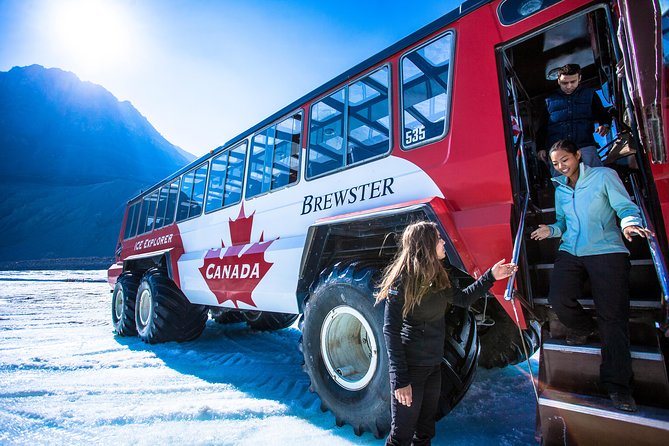
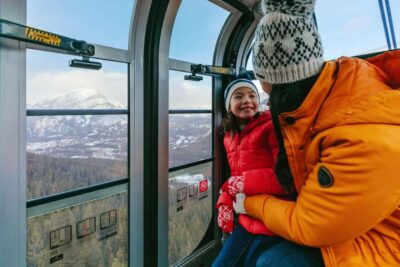
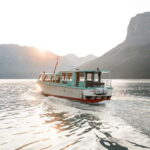
The day starts at the Columbia Icefield Glacier Discovery Centre on Icefields Parkway near Jasper. From there, you board a specialized ice vehicle designed to handle steep, rough, icy ground. It’s a ride that feels more like equipment than transportation, and that matters because the Icefield is not a typical road trip stop.
What you’ll notice right away is how the scenery changes as you move onto the Icefield itself. Towering mountains, dark rock, white ice, and the constant sense that you’re inside something huge. You’re also not just looking out the window—your guide’s commentary turns the views into something you understand.
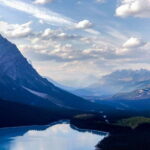
The route is scenic in a very specific way. You pass sights such as the Weeping Wall, Crowfoot Glacier, Peyto Lake, and Bow Lake on the Columbia Icefield drive. Those names matter less than the feeling you get when your guide ties them back to ice movement, seasonal changes, and what’s happening to glaciers over time.
You can also read our reviews of more tours and experiences in Banff.

Athabasca Glacier walk: water, footing, and how much time you really get
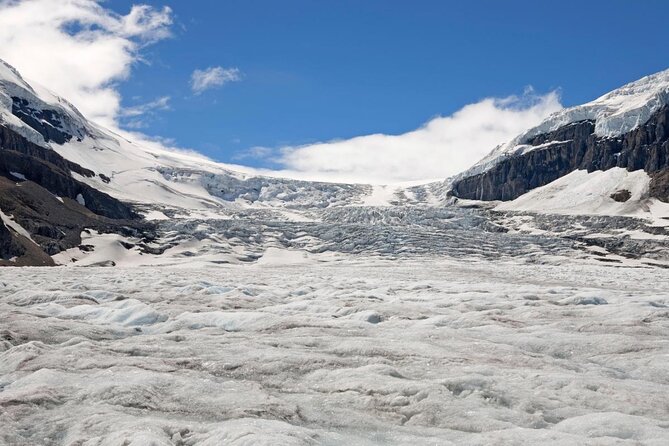
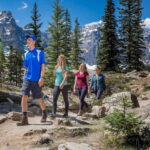
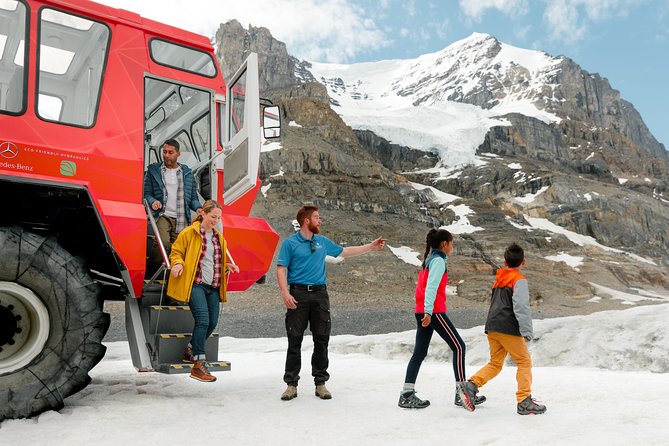
Once you arrive at the Athabasca Glacier area, you hop out for a walk along the glacier. This is the centerpiece for most people, because there’s a difference between seeing glacier ice from a viewing platform and standing on it. Your group walks in a controlled area, and there’s a limited, cordoned-off section rather than open roaming.
You’ll also hear about glacier basics and the local ecosystem, but the practical part is what you do with your body. The air can be frigid, and the surface can feel slick. Based on what I’ve learned from guide stories and on-the-ground advice, good boots with grip are your best friend here.
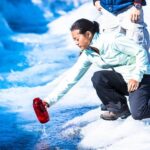
One of the most memorable options on this stop is the chance to refill your water bottle with pristine snowmelt. If you want to do it, bring a container you can handle safely and keep filled for later. Some people treat it like a tiny glacier souvenir you can taste, and honestly, it’s one of the few moments on the day that turns sightseeing into a sensory experience.
Time is another factor. This is not an all-day glacier trek. You get enough time to walk, look around, and take photos, but if you expect long roaming time, you’ll feel the squeeze—especially if the weather or conditions slow the group down.
Glacier Skywalk: the cliff-edge payoff (and how to time your photos)
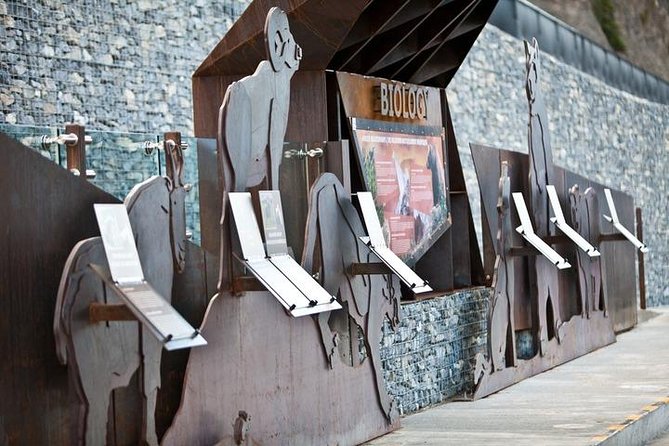
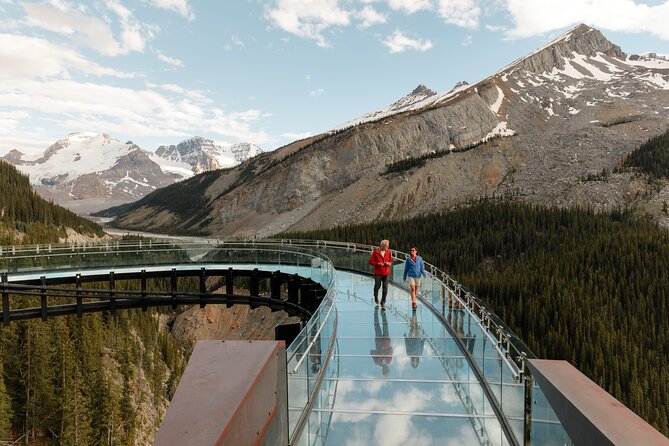
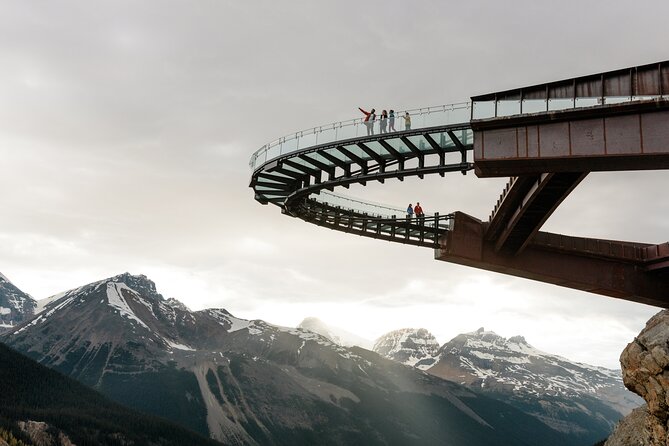
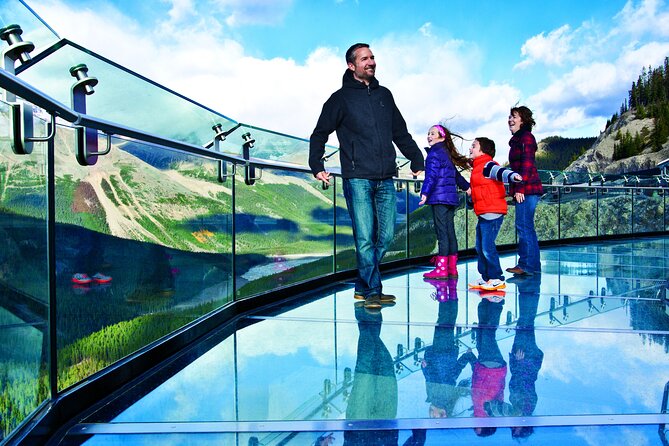
After the glacier walk, you return on the ice vehicle and then stop at the Glacier Skywalk. This is the glass-bottom portion, built for exactly what you want it to do: give you views down over the cliff edge, with lots of photo potential.
The Skywalk works best if you treat it like a quick ritual rather than a long hangout. You’ll get a window of time to walk the glass sections, pause, and get pictures. In my experience-style take: the photos are the point, but the views also help your brain connect what you saw on the glacier to the surrounding mountain walls and the drop-off below.
You’ll find refreshments at the Skywalk stop, which is useful because the cold can drain you. Prices for snacks and drinks can be high, so if you’re picky about costs, plan to bring your own snacks if allowed on your departure. If snacks aren’t part of your budget, you’ll still be fine—just don’t assume this stop is a full meal break.
The narration: how the guide turns the Icefield into a story you can remember
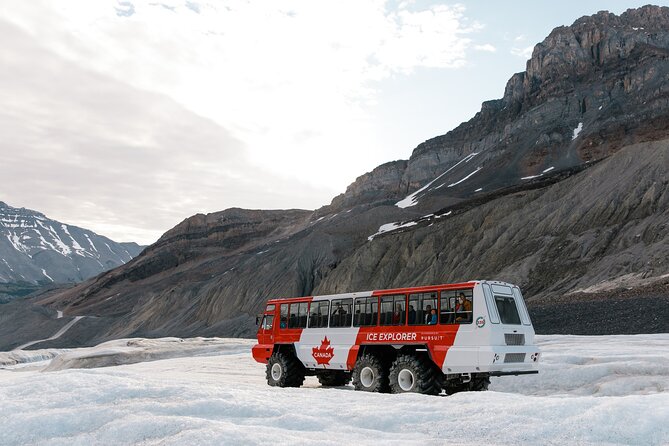
The guided part isn’t fluff. On the Ice Explorer drive, your guide connects the scenery to the glacier itself and the larger story of change in the area. You’ll get explanations about glaciers, their impact on the local ecosystem, and what environmental changes mean when you’re watching ice that’s constantly moving and slowly reshaping.
Names pop up for a reason because guides often control the vibe. I’ve heard stories tied to guides like Leanne, Lars, Andy, Jackson, Mitch, Brandy, and others, and the common theme is simple: they make the science approachable without turning it into a lecture you’ll forget by the parking lot.
A good narration flow makes the drive stops feel intentional, not random. Passing sites like Peyto Lake and the Weeping Wall becomes a chain of observations—ice, water, rock, and weather all working together.
Stop order and what it feels like in real time
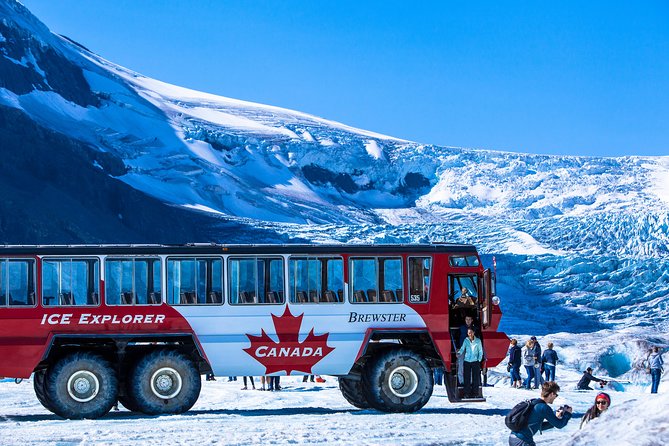
This tour moves in a straightforward sequence. You start at the Icefield Discovery Centre, ride out to the Athabasca Glacier, walk on the glacier, then return and do the Glacier Skywalk stop before heading back. It all adds up to about 3 hours on average, so you’re never stuck for long.
That short duration is a real advantage if your Jasper day is packed. You don’t need a huge commitment window to get the two signature experiences: glacier walking plus the Skywalk.
At the same time, being time-efficient can also make people feel rushed. If you’re the kind of traveler who likes to linger, you may want to keep expectations flexible—especially during busy seasons or with variable weather.

Price and value: what you’re paying for at $99.56
At $99.56 per person for an approximately 3-hour experience, the value depends on what you’re trying to get out of the day. If you want a scenic drive only, you can find cheaper options in the region. But this isn’t just a drive.
You’re paying for three bundled things:
- access to the Ice Explorer ride that can handle the terrain
- the guided Athabasca Glacier walk (not just a viewpoint)
- entry to the Glacier Skywalk with cliff-edge views
That’s why this pricing feels fair to many people. You’re buying transportation in rugged conditions, a guide to interpret what you’re seeing, and two major attractions that would be harder to combine on your own without the right setup.
Also, the tour runs fairly frequently during the day. On paper, that helps you line it up with your schedule. In real life, the “frequent” part doesn’t mean you can show up at the last second and expect the best outcome—boarding close times are still a thing.
Timing, tickets, and the one rule that can ruin your day
The most important practical advice: arrive early. Several experiences I saw emphasized the same pattern—boarding and check-in can happen fast, and doors may close before your printed or selected departure time.
Here’s what to do so you’re not stressed:
- Check in at the desk first, even if you have a voucher or mobile ticket
- Be ready to get your ticket handled on-site
- Aim to be at the boarding area well before your departure
Some people reported needing their ticket printed after check-in, and others noted that being even a few minutes late can lead to missing your exact departure and waiting on standby. Nobody wants to lose a chunk of their day because of timing at a remote location.
If you’re traveling with kids, keep the schedule in your head. Children must be accompanied by an adult, and the pace is not designed for slow arrivals.
What to pack: the cold is real and the ground can be slippery
Dress like you expect glacier weather, not like you expect Banff weather. Even when the sky looks clear, the Icefield can feel cold and windy. Layers beat one heavy coat, and you’ll want something that blocks wind.
You should also plan for slippery conditions. Reviews and on-the-ground advice keep pointing to the same thing: sneakers aren’t a safe choice for an icy surface. Wear waterproof shoes with real grip, and bring warm gloves or at least something you can comfortably keep on.
If you want the snowmelt refill, bring a container. It’s simple, and it’s one of those small “why didn’t I do that?” moments when you’re standing on the glacier.
Finally, plan for bathroom timing. One practical note that matters: there may not be toilets available during transit or during the time you spend on the glacier. So use facilities before boarding.
Who this tour suits best (and who should rethink it)
This is a strong fit if you:
- want a guided glacier walk without planning logistics
- like photo stops but also want a bit of interpretation beyond scenery
- value comfort and safety from a vehicle built for the terrain
- travel with someone who wants variety in a short timeframe
It may feel less ideal if you:
- hate crowds at photo spots (the glacier walk area is limited, and people can cluster)
- need lots of independent wandering time (this is time-managed and roped off)
- rely on being late to schedules—this tour is the opposite of forgiving
If you’re an experienced hiker craving hours on ice, you might find this short. But for most visitors, the balance hits the sweet spot: meaningful access without turning the day into a full-blown expedition.
How weather affects the plan (and what you can do)
This experience runs only under favorable weather conditions. If conditions are poor enough to cancel, you’ll be offered an alternative date. In practice, weather is the variable you can’t control on the Icefields Parkway, so try to build flexibility into your Jasper/Journey plans when you can.
If you can choose your day, a calmer forecast can help with comfort and pacing. Even with perfect weather, still expect cold on the glacier area.
Should you book the Columbia Icefield Tour with Glacier Skywalk?
If your goal is to experience Athabasca Glacier up close and also get the glass-bottom cliff-edge thrill, I’d say yes—book it. This tour bundles the two biggest “wow” moments into about three hours, with guided context that helps you understand what you’re seeing instead of just snapping pictures.
I’d especially recommend it if you’re short on time in Jasper or you don’t want to deal with the logistics of getting onto glacier-access terrain. The Ice Explorer ride alone is part of the reason this feels special, and the glacier walk turns the Icefield from a photo stop into a real moment.
Just do your part: show up early for check-in and boarding, dress for cold and slippery conditions, and bring what you need for the snowmelt water moment. If you do those things, the day feels efficient, memorable, and worth the cost.
FAQ
How long is the Columbia Icefield Tour with Glacier Skywalk?
It’s about 3 hours on average, including the guided ice explorer drive, the glacier stop, and the Glacier Skywalk portion.
Where does the tour start, and where does it end?
It starts at 93 Icefields Pkwy, Jasper, AB T0E 1E0, Canada and ends back at the same meeting point.
How often do tours depart, and can I use my ticket for any departure time that day?
Tours depart every 15 to 30 minutes, and your ticket is valid for any departure on the day you select.
What’s included in the price?
The tour includes the guided drive to Athabasca Glacier, access to the Glacier Skywalk, a guide, and all taxes and fees.
Is the tour affected by weather?
Yes. The experience is subject to favorable weather conditions. If it’s canceled due to poor weather, you’ll be given an option for an alternative date.
Are children allowed?
Children can participate, but they must be accompanied by an adult. Infant tickets are free but are required for the attraction.