REVIEW · BANFF
Banff LOST TOWNS and Untold Stories! 2hr Walk + Transportation
Book on Viator →Operated by Banff & Canmore Tours · Bookable on Viator
Banff’s lost towns stories are the kind you hear with your feet moving, not just from a book, and this 2-hour walk mixes Banff National Park heritage with real local know-how. You’ll follow a guide through Banff while they handle the driving, plus you get easy transfers from the Banff Park Museum National Historic Site.
I really like two things about this tour: you get a small group (max 12), which keeps the pace friendly and questions welcome, and the guiding is led by a Banff native named Jacob who brings the era to life. The mix of coal-mining details, park founding context, and jokes keeps it from turning into a lecture.
One thing to think about: it runs on good weather, and in winter some locations can be unsafe or unreachable due to snow cover, so your route may change.
In This Review
- Key moments you can expect
- A 2-hour Banff walk that feels personal, not packed
- Where the tour starts (and why that matters)
- How the coal town stories connect to Banff’s park beginnings
- Cave and Basin area: early Banff you can walk through
- Route choices: muddy trails vs mostly paved
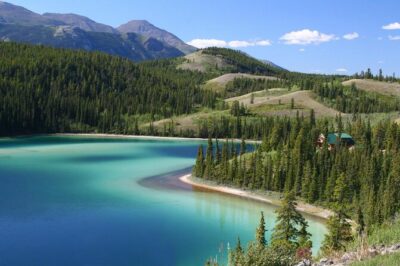
- Lake Louise and beyond: scenic payoffs without doing extra planning
- What you’ll learn (besides dates)
- Price and value: is $93.44 worth it?
- Weather reality: how the guide adapts your route
- Who should book this tour
- Should you book Banff LOST TOWNS and Untold Stories! 2hr Walk + Transportation?
- FAQ
- How long is the Banff LOST TOWNS and Untold Stories tour?
- Where does the tour start and where does it end?
- What’s the group size limit?
- What language is the tour offered in?
- Does it include transportation?
- Is a mobile ticket used?
- Is the tour weather-dependent?
- Can service animals join the tour?
- Is there free cancellation?
Key moments you can expect
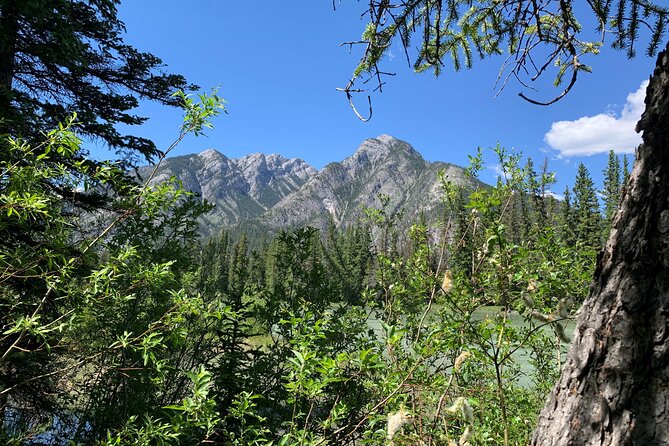
- A two-route approach: you may get an option between muddy trails and mostly paved paths (depending on conditions)
- Local storytelling from Jacob: grounded, humorous, and packed with period details
- Coal-town remnants you can actually see: including remains connected to coal loading facilities
- Cave and Basin area time: one of the classic spots tied to early Banff and park beginnings
- Small-group feel: capped at 12 travelers, so the guide can adjust to you
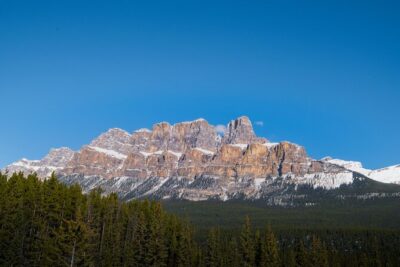
- Scenic Banff/nearby stops: the tour’s highlights include Lake Louise and beyond, with stops handled by the guide
A 2-hour Banff walk that feels personal, not packed

This is the sweet spot if you want Banff context without spending your whole day in transit. The duration is about 2 hours, and the group size stays small, at 12 travelers maximum. That matters in Banff, where it’s easy to feel like you’re just part of the crowd.
The format is also practical. You’re not the one navigating roads or figuring out transfers. The tour includes transportation/transfer support, and the guide leads the way while handling the driving between parts of the route. You’re free to focus on walking, listening, and spotting what your guide points out.
Language is English, and you’ll use a mobile ticket. It’s also designed for most travelers, so you’re not dealing with a ultra-strenuous program on paper. Still, you’ll be walking on outdoor paths, so wear shoes you trust.
You can also read our reviews of more walking tours in Banff


Where the tour starts (and why that matters)
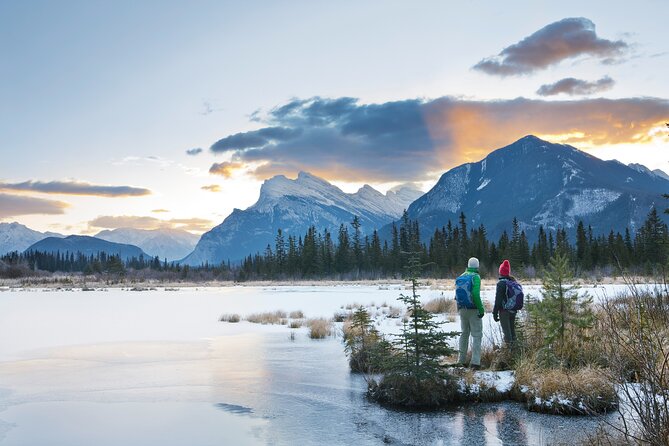
The meet-up is tied to the Banff Park Museum National Historic Site area, and the tour ends back at the same meeting point. That’s a smart setup for your day because it keeps you centered. You can fit this in without committing to a long one-way journey.
Also, the start location is described as near public transportation, which helps if you’re staying slightly outside the core. In Banff, that flexibility is gold.
Finally, the tour is listed with service animals allowed, which can make a real difference for planning. If you rely on one, you’ll appreciate having it explicitly supported.
How the coal town stories connect to Banff’s park beginnings
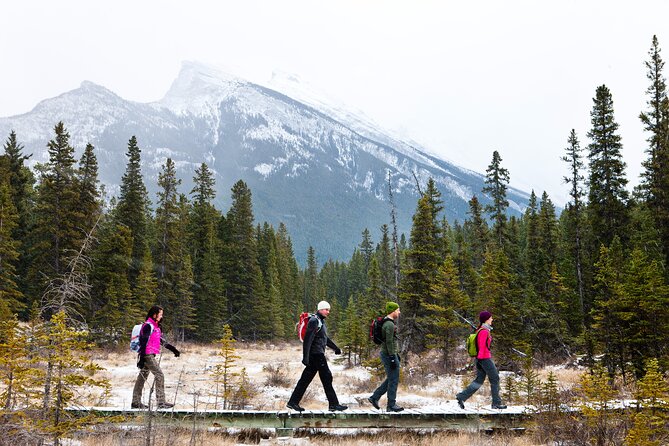
This tour is built around a walking history theme: Banff National Park heritage plus the lesser-known industrial side of the town. Expect the guide to weave together how Banff developed, what work looked like in the early days, and why the coal-mining era matters in understanding the area.
Here’s what that usually feels like on the ground:
You start with the bigger picture—Banff as a place that was not just a scenic stop. In the early 1900s, Banff was shaped by coal mining, and your guide explains how a remote mining community grew to support the operation. The stories focus on miners and their families, so it doesn’t stay abstract. You get a human scale for the industrial facts.
Then you move into the visible proof. The route commonly includes stops where you can see or understand remnants tied to coal loading facilities. That’s where the history lands hardest: you’re not only hearing about work—you’re standing near the physical traces that point to it.
You’ll also hear how Banff connects to the origin of Canada’s first national park (1885) and how early railroads and tourism shaped what the area became. A good tour detail here is tone: one review highlights that the guide adds humor, plant and animal info, and ecological notes along the way. That mix keeps the walk from feeling like a timeline drill.
Cave and Basin area: early Banff you can walk through
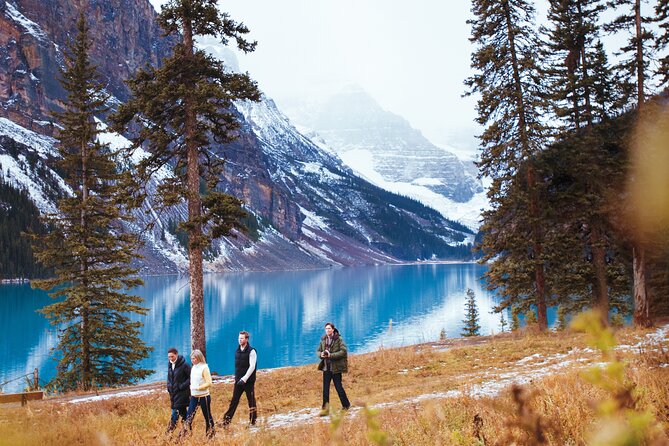
One of the most praised parts of this tour is time around the Cave and Basin area. This is a classic Banff spot for a reason, and it’s especially effective when your guide uses it as a window into the early park story.
In a history walk like this, Cave and Basin works because it’s both scenic and meaningful. You get views while the guide explains why early visitors cared, how tourism evolved, and what connections the area had to the larger shifts around the park and rail access.
If you’re the type who likes to understand what you’re seeing, this section is where you’ll feel it click. You’ll likely come away with a clearer mental map of Banff’s timeline—mining town life, park beginnings, and the Victorian-flavored tourism that came after.
Route choices: muddy trails vs mostly paved
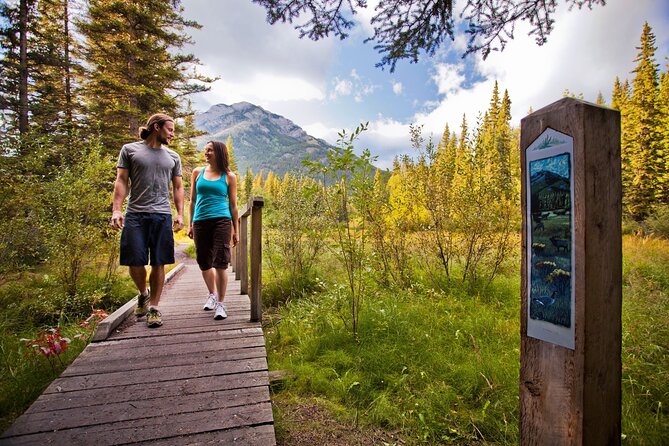
This tour has a smart built-in detail: you may be offered two route options—one with muddier trails and one that’s mostly paved. That’s not just comfort. It changes the kind of experience you’ll have.
- If you pick the mostly paved option, you’ll spend more time on smoother walking and likely keep the pace steady for the full 2 hours.
- If you pick muddy trails, you’ll get closer to the rugged feel of trails and may slow slightly for traction and footing.
Either way, it’s handled by your guide, which reduces your stress. One review also praised the fact that you can make the choice at the start, which is great when weather and ground conditions shift.


Lake Louise and beyond: scenic payoffs without doing extra planning
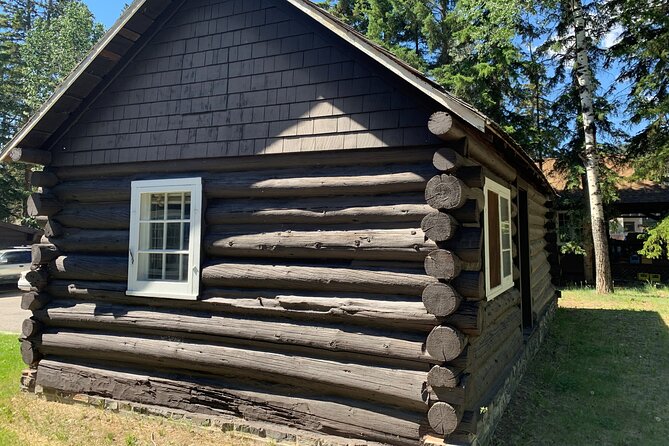
The tour’s highlights include exploring Lake Louise and beyond, which is a big promise—so the key question for you is: does it feel worth it, or like a quick photo stop?
From how the tour is structured, it’s not about you driving yourself out there. Since the guide handles the driving and the itinerary is built around storytelling, you’re likely getting a blend of “watch and listen” plus scenic context. That combination can be more valuable than a standalone drive, because you’re not just looking—you’re understanding what shaped the region.
If you’re visiting Banff and want Lake Louise sights but don’t want to manage parking, buses, or timing, this tour can be a low-effort way to add it into a shorter timeframe.
What you’ll learn (besides dates)
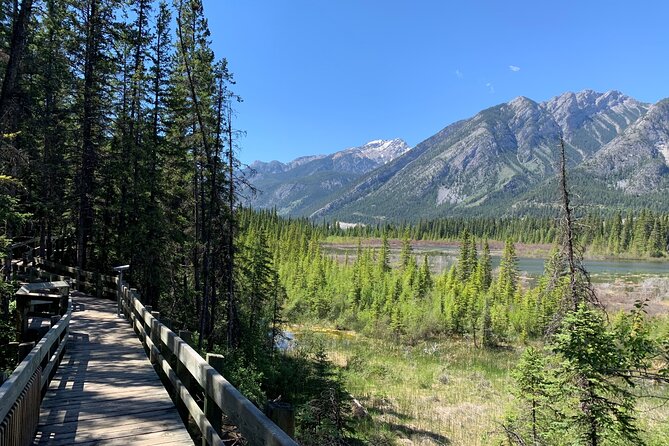
Good history tours give you more than facts. This one aims for stories that help you see Banff differently.
You’ll likely pick up:
- How the coal mining era supported community life—not only the mining, but the families and daily reality around it
- What coal loading facilities were for, and what their remnants suggest about the town’s industrial footprint
- How railroads and early tourism boosted Banff’s visibility
- The lighter side of history: humor, human oddities, and Victorian-style visitor vibes
- Occasional ecological info and plant/animal notes along the walk
Even if you’re not a history fanatic, this kind of “people + place” approach is often what makes the walk memorable.
Price and value: is $93.44 worth it?
At $93.44 per person for about 2 hours, this is not a cheap add-on. But it can be good value if you care about three things this tour supports:
- A local guide with real storytelling skill
When the guide is a Banff native and the narration is strong (Jacob is specifically mentioned in feedback), you pay for the quality of the experience, not just the route.
- Small group time
With 12 travelers max, you’re not fighting for attention. That’s a practical value factor in a small town where guided time can feel rushed in bigger groups.
- Transportation/transfer included
The tour includes hassle-free transfers from the Banff Park Museum area and the guide handles driving. If you’ve ever tried to stitch together transportation yourself in winter or during peak season, you know why that matters.
If you’re on a tight budget or you just want a scenic walk with no explanation, you might prefer a self-guided route. But if you want Banff context in a short, guided package, the price can pencil out.
Weather reality: how the guide adapts your route
This tour requires good weather. If it’s canceled due to poor weather, you’ll be offered a different date or a full refund. That’s reassuring.
You should also know the guide adjusts for conditions. In winter, some locations can be unsafe or inaccessible due to snow cover, so your exact walk may shift. The two-route option (muddy vs mostly paved) is another sign the tour is built to respond to the ground truth.
My practical advice: check the day’s conditions and bring footwear that handles slush and uneven surfaces.
Who should book this tour
This experience fits best if you:
- Want Banff history without a long day plan
- Like your history with humor and real place-based details
- Prefer small groups over bus-style sightseeing
- Want to add some Lake Louise area time without figuring out logistics yourself
- Enjoy walking tours where the guide points out what to notice
It may be less ideal if you hate any walking outdoors, even short distances, or if you’re looking only for panoramic views with zero interpretive content.
Should you book Banff LOST TOWNS and Untold Stories! 2hr Walk + Transportation?
If you’re choosing between a quick photo loop and a guided story walk, I’d lean toward booking this—especially because the guiding (Jacob) and the small-group setup are the two things that repeatedly earn praise. You get Banff National Park heritage tied to the coal-town era, plus a memorable stop around the Cave and Basin area, all wrapped into a compact 2-hour plan.
Book it if you want the “why” behind the views and you like walking while someone explains what shaped the place. Skip it if you want pure scenery with minimal explanation, or if you’ll struggle with winter footing and outdoor conditions.
FAQ
How long is the Banff LOST TOWNS and Untold Stories tour?
It’s listed as approximately 2 hours.
Where does the tour start and where does it end?
It starts at the meeting point in Banff (near the Banff Park Museum National Historic Site) and ends back at the same meeting point.
What’s the group size limit?
The tour has a maximum of 12 travelers.
What language is the tour offered in?
It’s offered in English.
Does it include transportation?
Yes. The tour includes hassle-free transfers from the Banff Park Museum National Historic Site, and the local guide handles the driving.
Is a mobile ticket used?
Yes, the tour uses a mobile ticket.
Is the tour weather-dependent?
Yes. It requires good weather, and if it’s canceled due to poor weather you’ll be offered another date or a full refund.
Can service animals join the tour?
Service animals are allowed.
Is there free cancellation?
Yes. You can cancel up to 24 hours in advance for a full refund.