REVIEW · BANFF
The Banff Stargazing Tour – 2hr Walking Tour
Book on Viator →Operated by Banff & Canmore Tours · Bookable on Viator
Banff after dark is a different kind of trip. I love how this tour starts at Cave and Basin National Historic Site and quickly turns into hands-on night walking, with ice cleats, headlamps, and a guide who keeps the group moving safely. The bonus is the small group size, so you actually get help spotting constellations instead of just following along. One catch: the night sky depends on conditions, and the tour only runs if cloud cover is low enough to make it worthwhile.
My favorite part is the mix of a relaxed 3.5-mile walk and real dark-sky viewing in Banff National Park. You get stories about what you’re seeing, chances to look for the Milky Way, and time at stops where you can focus on the sky (and not just your footing). If your idea of stargazing is zero walking and zero cold, this may not be the best fit.
In This Review
- Key Highlights Worth Planning For
- Meeting at Cave and Basin: Where Your Banff Night Begins
- The 3.5-Mile Walk: Easy Terrain, Real Winter Conditions
- What You’ll See and Learn: Constellations, Milky Way, and Banff Stories
- Timing Rules: Sunset-Based Departure and Cloud Cover Limits
- Photo Tips You Can Use on the Trail (Even With a Phone)
- Who This Tour Is Best For (And Who Should Skip It)
- Value for $68.34: What You’re Actually Buying
- Final Call: Should You Book the Banff Stargazing Tour?
- FAQ
- Where does the Banff stargazing tour meet?
- How long is the tour and how far do you walk?
- Is transportation provided to the meeting point?
- What gear is included for the night walk?
- What weather conditions affect whether the tour runs?
- Is it suitable for kids or people with mobility issues?
Key Highlights Worth Planning For
- Small-group focus (max 20): more time for questions and star-spotting help
- A 3.5-mile, mostly flat route: easy walking pace, with outdoor footwear required
- Night gear support: you’ll be set up with ice cleats and headlamps
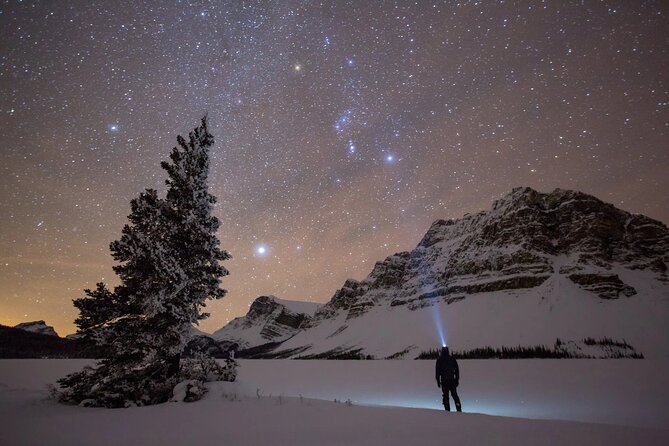
- Guided dark-sky viewing: constellations, plus Banff history and ecology stories
- Photography friendly: you’ll get guidance aimed at capturing the Milky Way and night sky
- Seasonal timing: departure shifts with sunset, so you’re looking at the sky at the right moment
Meeting at Cave and Basin: Where Your Banff Night Begins
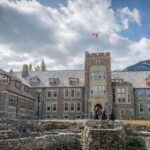
Your evening starts at the Cave and Basin National Historic Site, at the parking lot/welcome area on Cave Avenue (309 Cave Ave, Banff, AB T1L 1C3). It’s also one of the easiest places to self-manage logistics, since there’s free parking on-site. Plan to arrive about 10 minutes early so your guide can get everyone set up.
This is a smart starting point because you’re already at a place that feels like part of Banff’s story, not just a random trailhead. Once you meet your guide, the tone shifts quickly to practical: how to walk on uneven winter surfaces, how to use the gear, and what you’ll be looking for once the dark really settles in. Guides I’ve seen leading this tour, including Ewan, Kael, and Ben, tend to mix facts with a light, friendly rhythm that keeps the group engaged without turning it into a lecture.
One important thing: transportation to and from the meeting point is not included. If you’re staying in town, you’ll want to plan a short local taxi trip or time your walk/ride accordingly.
You can also read our reviews of more walking tours in Banff
The 3.5-Mile Walk: Easy Terrain, Real Winter Conditions
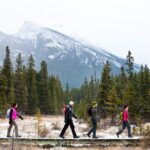
The total walking distance is about 3.5 miles (5 km), rated easy and mostly flat. That’s the good news. The other truth is that it’s an outdoor walk at night, on trails shared by people and horses, with winter traction likely depending on the season.
The tour is designed for steady, comfortable movement, with enough stops to actually see the sky and not just pass through it. Even so, you should expect some uneven spots—some reviews describe paved areas and boardwalk sections, plus stretches that can feel muddy or rough underfoot. Bring outdoor shoes you’d be happy hiking in, and if you know you get clumsy in the dark, consider trekking poles or anything that improves balance.
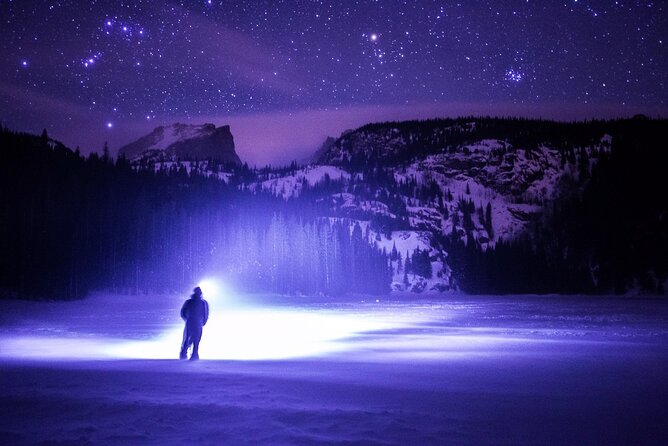
Your guide sets up the group with ice cleats and equipment, plus headlamps. That support matters because the goal isn’t only to look up—it’s to do it safely while you move between viewing stops. The vibe is active but not strenuous. You’re walking, pausing, listening, looking up, and repeating, which is exactly what stargazing tours should be.
What You’ll See and Learn: Constellations, Milky Way, and Banff Stories
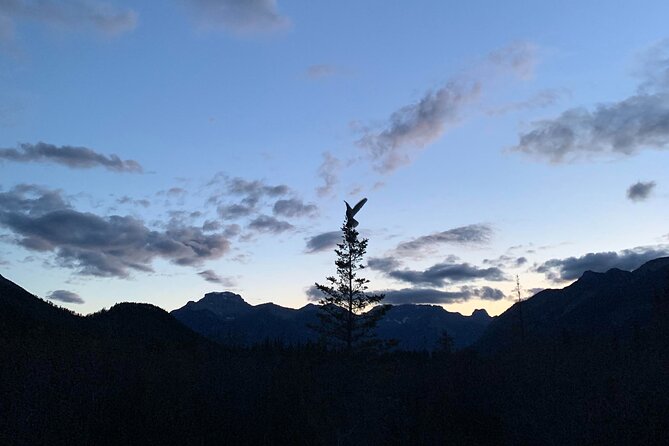
Once darkness starts to fully take over, you head into Banff National Park for the main stargazing portion. This tour isn’t just about pointing at the sky and hoping you recognize something. Your guide helps you spot constellations and connects what’s overhead to Banff’s broader picture—history, ecology, and the way the park works.
A standout value here is how the guide turns the sky into something you can navigate. Instead of feeling lost, you learn a few anchor points (constellations or notable star patterns), and then the rest of the view starts making more sense. Many people end up surprised by how much you can see once your eyes adjust and the group settles into quiet observation.
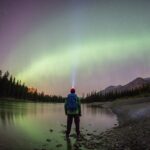
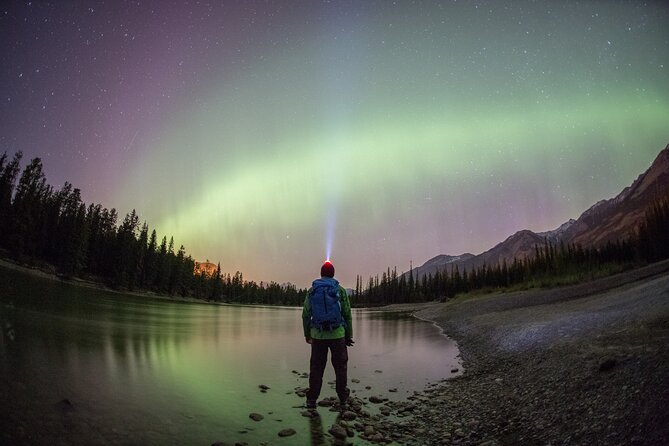
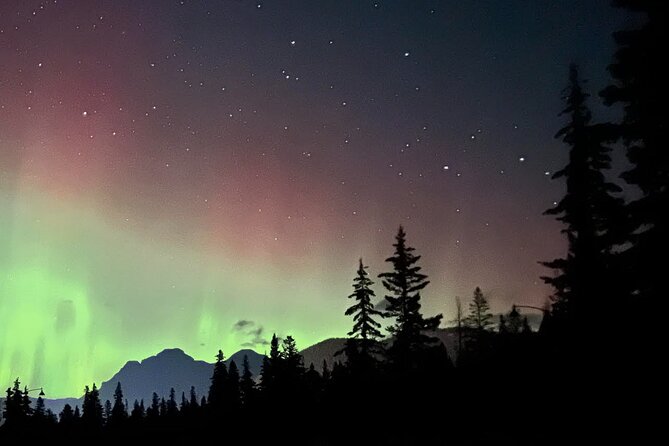
The night sky experience is built around Banff’s commitment to dark skies, which makes this one of the better chances you’ll have in the area to see a strong star field. You may get views that include the Milky Way, and depending on the conditions, you might even spot Northern Lights. That part isn’t guaranteed, but the tour is clearly structured for maximizing the chances when the sky cooperates.
Timing Rules: Sunset-Based Departure and Cloud Cover Limits
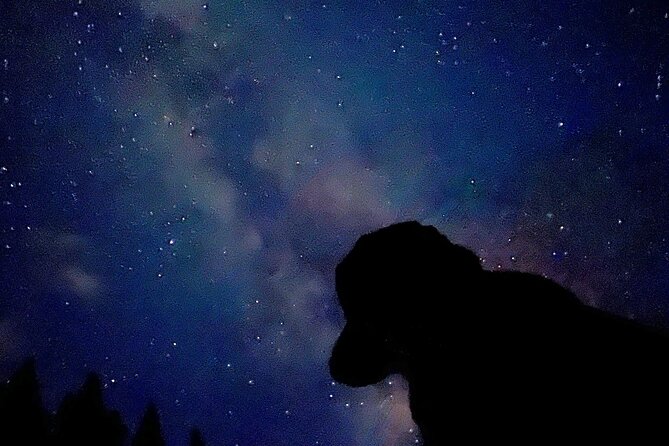
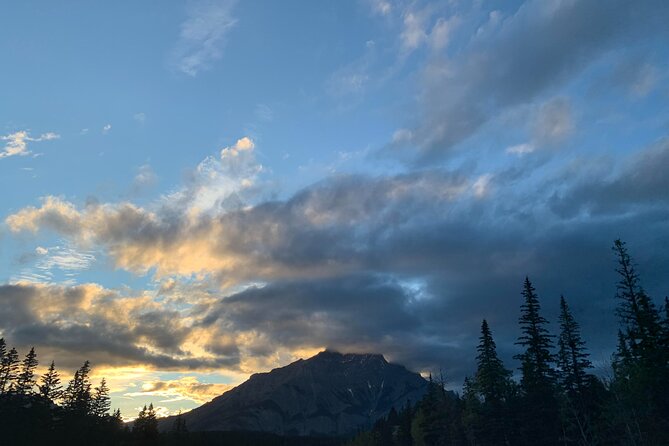
This tour leaves just after sunset, and the exact departure time changes by season. You should expect an update by message 8–24 hours before if the timing shifts. That’s helpful because you don’t have to guess when twilight will land; the tour adjusts so you’re not standing in the dark too early or missing prime sky-darkening.
Cloud cover matters here in a very practical way. The tour departs when cloud cover is 50% or less (described as partially cloudy conditions). If it’s truly poor weather—cold, rain, or snow in particular—you’re offered refunds up to departure time for extreme weather events. If the sky is blocked enough, you’ll likely get an alternate date or a full refund, depending on how the provider handles the night.
I find this approach fair. A stargazing tour can feel great even with a few clouds, but there’s a huge difference between light cloud haze and a sky that’s basically gray soup. If your main goal is maximum stars, you’ll do better thinking of this as a weather-dependent experience with a backup plan.
Photo Tips You Can Use on the Trail (Even With a Phone)
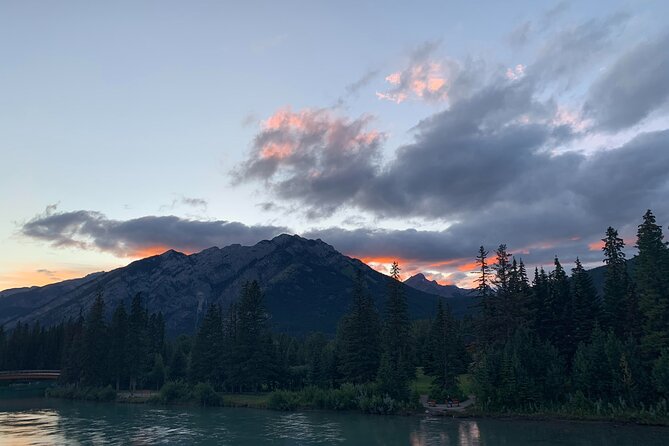
If you care about photos, this tour is set up for you. Banff’s dark skies are a big deal for night photography, and the tour’s stops are timed for looking up and steady viewing. You’ll also be encouraged to practice, because night sky photos reward small adjustments and patience.
Phone help is part of the experience. People have described getting guidance on camera settings for phones, which is exactly what you want on a dark trail—someone to point you to the right mode, and help you avoid the usual mistake of shooting too bright and washing out the sky.
A few practical tips that matter on this specific walk:
- Give your eyes time to adjust before you judge the sky.
- Keep your screen brightness low so you don’t ruin your night vision.
- Use your headlamp only when you need it, not as a constant torch pointed at the trail.
- If the moon is bright, star visibility can drop, so lean into the guide’s recommendations.
If you’re hoping for the Milky Way, the best results usually come when you have dark, stable skies and minimal cloud haze. Your guide will be watching conditions and selecting stops with that in mind.
Who This Tour Is Best For (And Who Should Skip It)
This is a great fit if you want an evening that feels different from daytime Banff. The walking distance is manageable, the group size is small, and you get real guided time under the sky—without needing any prior astronomy knowledge.
It’s also best if you like learning by doing. You’ll be moving through the park, pausing at viewing points, listening to stories, and pointing out what you’re seeing together. That works well for couples, small groups, and friends who enjoy a guided experience but still want personal moments to look up.
Not everyone should plan to join. This tour isn’t suitable for people with mobility issues, back problems, recent surgeries, or serious medical conditions. Pregnant women are advised to refrain from participating. And it’s not designed for children under age 8. If any of those apply to you, you’ll likely be happier choosing a different Banff night option that’s easier on the body.
Value for $68.34: What You’re Actually Buying
At $68.34 per person for about 2 hours, you’re paying for more than the walk. You’re buying:
- a professionally certified guide and hands-on assistance,
- the dark-sky structure (timing around sunset and conditions),
- night walking gear like headlamps and ice-cleat setup,
- and time at viewing points where the sky is the main event.
This price feels more reasonable when you consider what costs add up to in Banff: guide-led experiences, winter gear help, and the fact that the group is capped at 20 travelers, not a big crowd. Small group attention makes it easier to ask questions, get help with your phone camera, and stay confident walking in the dark.
One more practical detail: this tour is often booked about 56 days in advance on average. If you’re traveling in peak season, don’t wait until the last minute. Night tours are easier to sell out than daytime attractions, because weather and timing matter.
Final Call: Should You Book the Banff Stargazing Tour?
I’d book this if you want a calm, guided way to see Banff at night without committing to long hikes or complicated planning. The combination of a mostly flat 3.5-mile walk, dark-sky focus, and guide-led constellation spotting is the sweet spot for first-timers and casual stargazers.
Skip it if you need fully accessible terrain, have mobility or back limitations, or hate cold outdoor walking at night. Also, if you’re coming with zero flexibility, remember that the tour depends on cloud cover and weather—so choose dates that let you handle a reschedule if the sky isn’t cooperating.
If your plan is simple: show up, walk a little, look up a lot, and leave with better photos or at least better sky knowledge, this is one of the best ways to do it in Banff.
FAQ
Where does the Banff stargazing tour meet?
The tour meets at the PARKING LOT/Welcome Building of Cave and Basin National Historic Site (309 Cave Ave, Banff, AB T1L 1C3). The tour ends back at the same meeting point.
How long is the tour and how far do you walk?
The tour is about 2 hours. The total walking distance is 3.5 miles (5 km) and it’s described as mostly flat.
Is transportation provided to the meeting point?
No, transportation to and from the meeting location is not provided. Free parking is available at the meeting point.
What gear is included for the night walk?
You’ll be prepared with ice cleats and equipped with headlamps and other essential supplies. Your guide helps with this setup.
What weather conditions affect whether the tour runs?
The tour departs if conditions are suitable, including a cloud cover threshold of 50% or less. Refunds are offered up to departure time for extreme weather events like cold, rain, or snow, and poor weather can lead to a different date or a full refund.
Is it suitable for kids or people with mobility issues?
The tour is not designed for children under age 8. It’s also not suitable for individuals with mobility issues, back problems, recent surgeries, or serious medical conditions. Pregnant women are advised to refrain from participating.