REVIEW · BANFF
Banff Highlights & Wildlife | Award-Winning Small Group Adventure
Book on Viator →Operated by Radventures · Bookable on Viator
Banff wildlife is a timing game. This small-group drive leans into that, with a guide who checks recent sightings and builds your route around the day’s chances. You’ll bounce between serious looking viewpoints and wildlife hotspots in a capped group that avoids the big-bus vibe, with the bonus of big views through panoramic windows.
What I love most is the small-group size (max 12). It helps you actually hear the guide, get timely photo stops, and not get swallowed by crowd noise when you’re scanning for movement. I also like the modern minibus setup with panoramic windows, which makes wildlife viewing feel safer and easier than leaning out from a car window.
The one drawback to plan for: wildlife isn’t guaranteed. Even with smart routing, animals roam, and some evenings turn up fewer sightings than others—so you’ll want to go in for the scenery and the possibility of wildlife.
In This Review
- Key things I think you’ll notice fast
- Why dusk matters on a Banff wildlife drive
- The small-group advantage: max 12 and how it changes your experience
- Transportation built for wildlife viewing (not just getting there)
- How the route is tailored: spotting chances without the crowds
- Stop-by-stop: what each Banff highlight actually gives you
- Mount Norquay Road viewpoint for instant Banff orientation
- Lake Minnewanka and Two Jack Lake: your main wildlife window
- Hoodoos Trail: red-chair views without a huge hike
- Surprise Corner: Tunnel Mountain and a castle-in-the-sky moment
- Bow Falls: a classic Banff scene with film-history cachet
- What’s included (and how that affects the real value)
- The wildlife odds: how to set your expectations correctly
- Who this tour suits best (and who should skip it)
- Practical tips to make your evening work
- Should you book Banff Highlights & Wildlife?
- FAQ
- How long is the Banff Highlights & Wildlife tour?
- Is the tour scheduled for daytime or evening?
- How big is the group?
- Are wildlife sightings guaranteed?
- Do I need a park pass?
- Where do pick-up and drop-off happen?
- Is food or hot drink included, and do I need to bring water?
- Can children join the tour?
Key things I think you’ll notice fast
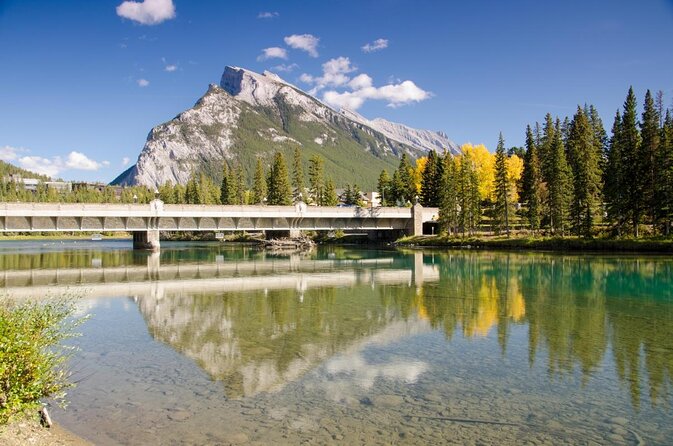
- Dusk/sunset timing helps you escape crowds and increases your odds when animals are most active
- Max 12 guests means you get real guide time, not just a lecture between stops
- Panoramic windows support calmer, safer wildlife viewing and better photos
- Last-sighting routing: the guide checks current reports and adjusts the drive to where the animals are likely to be
- A balanced mix of wildlife and classic Banff lookouts so the tour still feels worth it if wildlife is quiet
Why dusk matters on a Banff wildlife drive
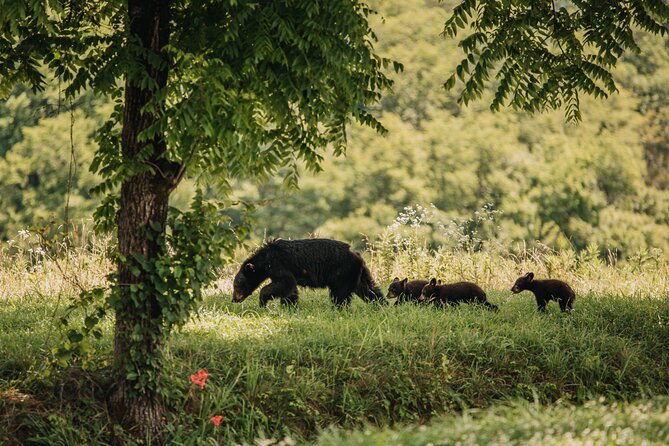
This tour is built around the idea that animals move more at low light. By running at dusk/sunset, you’re not just chasing scenery—you’re timing your scanning window for behavior changes like feeding and travel. That’s also when many viewpoints feel less crowded and more peaceful.
The route logic is practical too. Your guide isn’t just running a fixed loop; they’re checking what’s been spotted recently and factoring in weather and big bus schedules. That means you’re more likely to arrive at a spot when something is happening, instead of showing up after the action has moved on.
You can also read our reviews of more tours and experiences in Banff
The small-group advantage: max 12 and how it changes your experience
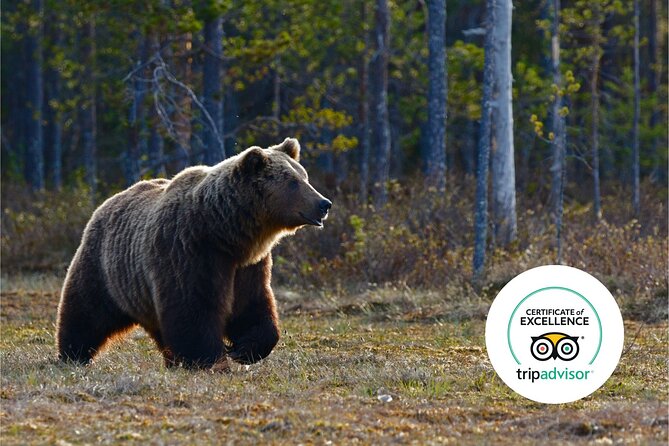
With a small group guarantee (up to 12 guests), you get a different feel than most Banff “drive-and-stop” tours. The guide can slow down for questions. You can hear the details about what you’re looking at, and you’re not constantly negotiating with dozens of people for the best viewing angle.
This size also helps with the rhythm of the stops. When you only have a handful of people, the guide can choose where to park and how long to linger without turning every stop into a waiting game. That matters with wildlife because the best sightings often happen in those in-between moments—when someone spots movement and everyone else needs a few seconds to refocus.
Transportation built for wildlife viewing (not just getting there)
The transport is one of the most underrated parts of the tour. You’re in upscale, modern transportation with large panoramic windows, which is a real help when you’re trying to photograph or simply keep your attention on the animals.
It also keeps the vibe relaxed. You’re not dodging foot traffic or crowding a pull-off. Instead, you’re settled, warm enough to focus, and ready to react when the guide calls out something worth checking.
On multiple outings, guides like Nolan, Lubo, Charlie, Tyler, Ollie, Liam, Cam, Bee, and Dan have been specifically praised for being friendly and for making stops feel organized rather than rushed. You shouldn’t expect every guide to tell the same stories, but you can expect the guide role to be active—pointing out what to look for and why that spot is worth your time.
How the route is tailored: spotting chances without the crowds
The key difference here is that the itinerary is tailor-made as the day unfolds. Your guide connects with other operators and locals to learn about recent wildlife sightings and then adjusts the route with the current weather and seasonal patterns in mind.
That approach is valuable because Banff can be busy, even outside peak seasons. If you show up late to a hot spot, you might find a nice view and no animals. If you arrive at the right moment, the same location can feel like a wildlife documentary.
It also helps you avoid the trap of thinking you can “just drive the route yourself” and get the same results. Driving can work for scenery, but wildlife watching rewards timing and pattern knowledge—like where animals tend to feed and how to position yourself without wasting half the evening stuck in traffic or parking chaos.
Stop-by-stop: what each Banff highlight actually gives you
Mount Norquay Road viewpoint for instant Banff orientation
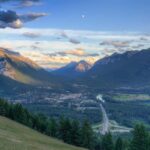
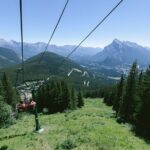
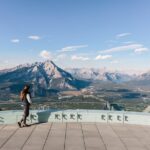
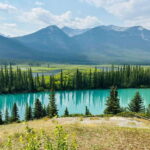
Your first stop heads up Mount Norquay Road for a viewpoint over Banff and the surrounding big mountains. It’s short, about 15 minutes, and the entry is free.
This stop is smart because it gives you context fast. Before you chase wildlife on the flats, you get a “map in your mind” of where you are in the Bow Valley and how the peaks frame the town. If you like getting your bearings quickly before the real action starts, this is the kind of pause that pays off later.
Lake Minnewanka and Two Jack Lake: your main wildlife window
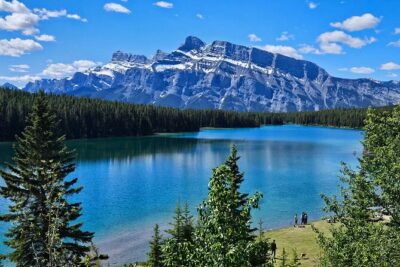
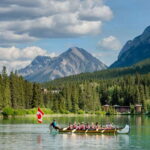
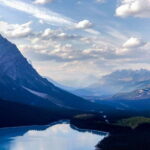
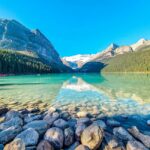
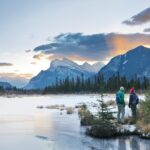
Next up is the long wildlife push into the Banff National Park area: Lake Minnewanka and Two Jack Lake. The time here is about 30 minutes, again with free admission.
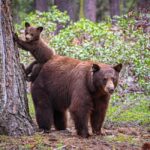
This is where you keep scanning for bears, elk, bighorn sheep, deer, coyotes, foxes, and more—plus any smaller surprises that show up along shorelines and open edges. Lake Minnewanka is known for dramatic glacial water and plenty of habitat around it, while Two Jack Lake can feel a bit calmer and easier to watch from depending on conditions.
The practical value: lakes are “high probability” stops. Wildlife often uses these corridors for drinking, grazing, and moving between safe areas. And since this portion of the tour happens in that dusk window, you’re not only seeing scenery—you’re timing your viewing for better odds.
Hoodoos Trail: red-chair views without a huge hike
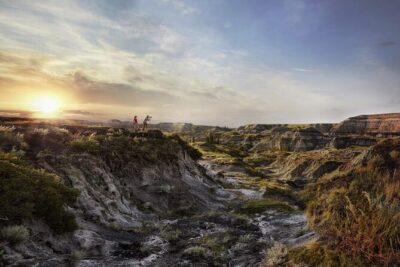
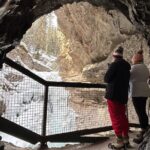
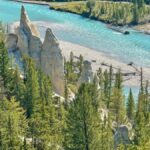
Then you’ll do a short walk on the Hoodoos Trail, about 20 minutes. This is described as one of Banff National Park’s red chair destinations, with epic views of hoodoos spilling across the Bow Valley.
This stop gives your brain a break from nonstop scanning. Wildlife watching can turn into constant staring. Hoodoos views help reset your focus and enjoy the geology while you’re still out in nature.
Possible consideration: it’s still a walk. You don’t need to be an athlete, but if you’re sensitive to uneven ground or short distances, keep an eye on your comfort level and wear grippy footwear.
Surprise Corner: Tunnel Mountain and a castle-in-the-sky moment
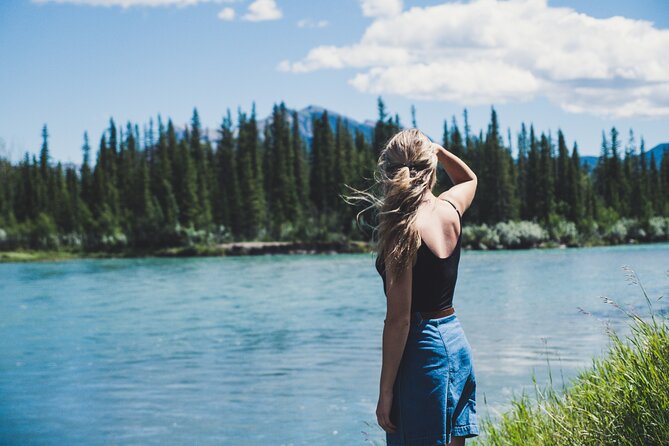
Next is Surprise Corner, about 15 minutes. You’ll gaze up through alpine forest, with a line of sight toward Tunnel Mountain and a local hotel famous for its castle-like silhouette in the sky.
This is a great photo-and-breath stop. It’s not about wildlife identification. It’s about a Banff “wow” that feels different from the typical postcard look. And since it’s only 15 minutes, you get the moment without losing too much time in a day where wildlife sightings drive the schedule.
Bow Falls: a classic Banff scene with film-history cachet
Finally, you hit Bow Falls, another 15-minute stop with free admission. It’s famous partly for a landmark view and partly because it’s tied to the 1953 Marilyn Monroe film River of No Return.
This is a strong finish because it’s iconic even if wildlife was quiet that night. You still get a memorable Banff scene, plus the added layer of pop-culture recognition that makes the stop easier to appreciate quickly.
What’s included (and how that affects the real value)
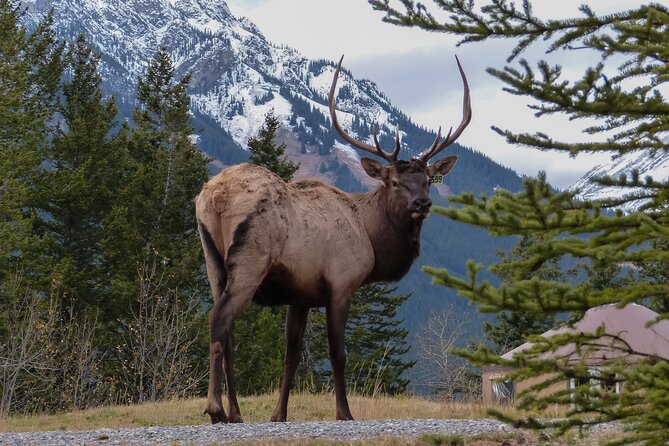
At $94.06 per person for roughly 3 hours, this tour costs more than fuel and parking if you’re thinking of self-driving. But it also buys you three things that are hard to replicate: a guide’s routing logic, time-saving positioning, and comfortable transport designed for viewing.
Here’s what’s included:
- Small group guarantee (max 12)
- Upscale modern minibus with panoramic windows
- Water refills (please bring a water bottle)
- Pick up and drop off at the Banff Train Station, plus hotel pick ups in Banff
- Dusk/sunset tour time
- Expert local guides
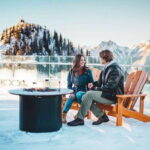
- Winter-only: complimentary hot chocolate/tea/coffee at a stunning viewpoint
Not included:
- Park pass
- Guide gratuities (not mandatory, but appreciated)
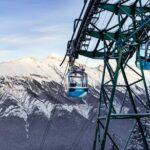
- A potential Banff Gondola add-on is not included, and you’d need to ask before booking
Value tip: if you’re traveling without a car, your transportation savings alone can close most of the price gap. If you do have a car, the question is simpler: do you want to spend your evening driving, parking, and trying to time wildlife, or do you want a guide doing the guesswork for you while you enjoy the ride and the lookouts?
The wildlife odds: how to set your expectations correctly
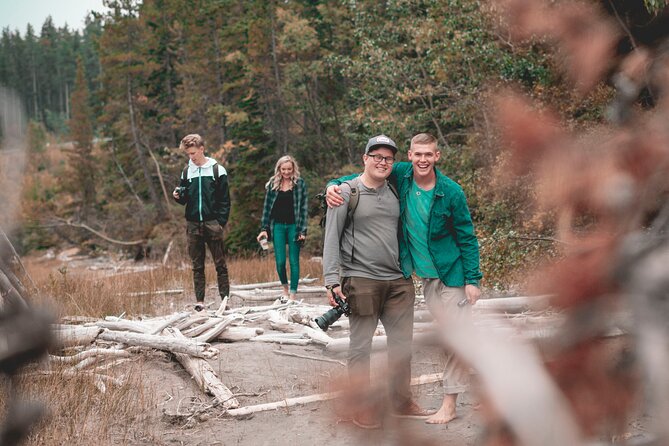
Wildlife sightings are never a sure thing. That’s just how animals work. But the operator states sightings happen on around 95% of tours, which is a strong probability to plan around.
In real terms, here’s how I’d think about it:
- If you’re lucky, you’ll get multiple sightings in different habitats during the dusk drive.
- If you’re unlucky, you’ll still get a solid set of Banff highlights: the viewpoint, lakes, hoodoos, a Tunnel Mountain view, and Bow Falls.
This is why I like the structure. It protects your time. You’re not paying only for a lottery ticket. You’re paying for a guided evening with classic stops plus a genuine attempt to find animals.
Who this tour suits best (and who should skip it)
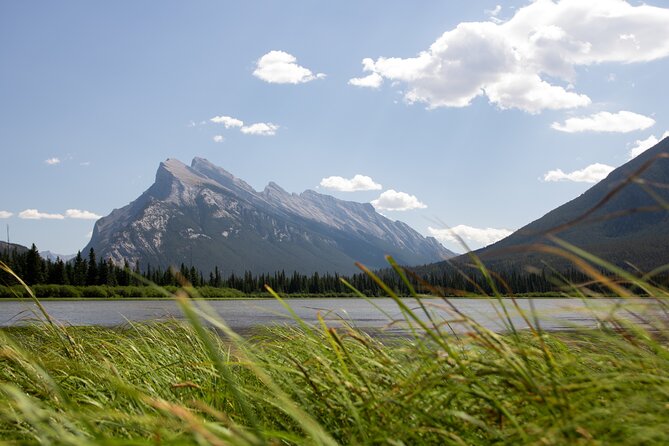
This is a great fit if you:
- Want to maximize wildlife odds without turning your evening into driving homework
- Prefer small groups with more conversation and less crowd friction
- Like an easy-to-moderate walking day, plus plenty of scenic windows time
You may want to rethink it if:
- You only care about wildlife, and you’re not willing to accept that some evenings can be quiet
- You expect a hard promise of specific animals at specific stops
- You’re okay doing Banff’s lookouts on your own and don’t mind figuring out timing and parking
Also, this tour runs in English, and it allows service animals. Children 5 and under can’t join, so families with younger kids will need to choose another option.
Practical tips to make your evening work
A few small things can make the difference between a good night and a great one:
- Bring a water bottle for the water refill setup.
- Have patience for the timing. Wildlife sightings are often last-minute, and the guide will adjust based on what they hear and see.
- Expect short stops. The tour is timed to keep you moving without rushing past the important moments.
- If you’re photographing, use the window-friendly setup and be ready when the guide points out something specific.
And if your guide is someone like Ollie, Liam, or Bee, there’s a decent chance you’ll get extra enthusiasm and extra attention to making each stop easy to enjoy. In at least one example, a guide even helped with photos and kept things comfortable for a guest with limited mobility.
Should you book Banff Highlights & Wildlife?
I think you should book this tour if you want a guided, dusk-focused Banff evening where wildlife odds are treated as the main goal—while still delivering classic Banff views even if animals don’t cooperate. The combination of max 12 guests, panoramic-window transport, and a guide who adjusts the route based on current sightings is the sweet spot for most visitors.
If you’re on a tight schedule, or you don’t want to gamble your time with self-driving, the value gets even stronger. If you love wildlife but you also like having a “plan B” built in through major scenic stops, this tour fits your style.
FAQ
How long is the Banff Highlights & Wildlife tour?
It runs for about 3 hours.
Is the tour scheduled for daytime or evening?
The tour uses dusk/sunset timing to help you escape crowds and maximize wildlife viewing chances.
How big is the group?
The tour keeps a small-group size with a maximum of 12 travelers.
Are wildlife sightings guaranteed?
No. Wildlife sightings aren’t guaranteed, and animals move freely in their natural habitat. That said, the operator indicates wildlife is seen on around 95% of these tours.
Do I need a park pass?
Yes. A park pass is not included.
Where do pick-up and drop-off happen?
You get pick up and drop off at the Banff Train Station, with hotel pick ups also available in Banff.
Is food or hot drink included, and do I need to bring water?
Water refills are included, but you should bring your own water bottle. Complimentary hot chocolate, tea, or coffee is included in winter only.
Can children join the tour?
Children 5 and under cannot join the small group adventures.
If you tell me your travel month and whether you’ll have a car, I can help you decide if dusk timing is the best choice for your specific day.