REVIEW · BANFF
Banff and its Wildlife – Year Round Tour
Book on Viator →Operated by Discover Banff Tours · Bookable on Viator
Banff in three hours can feel surprisingly complete. This small-group morning tour mixes classic Banff landmarks with wildlife-spotting time, plus geology and local stories from guides like Bobby and Eli. I like that it is built for your first-day legs: you get picked up, you get the lay of the land, and you head out early when animals are most active.
What I really like is how efficiently it hits big-name sights. You stop at Lake Minnewanka (with the underwater ghost town stories), roar past Bow Falls, and take in the Hoodoos viewpoints without turning your day into a car rental quest.
One consideration: this is not a guarantee-you-will-see-bears situation. Wildlife sightings depend on season and conditions, and you will spend a meaningful chunk of the time on the bus between photo stops.
In This Review
- Key highlights worth knowing
- A Banff morning route that gives you context fast
- Pickup, timing, and how to avoid the classic I’m-late problem
- Lake Minnewanka: the biggest lake stop with the best story hook
- Bow Falls: sound, limestone, and a 1950s movie cameo
- Surprise Corner: Castle of the Rockies in one clean framed view
- Hoodoos Trail: learn what you’re seeing before you photograph it
- Bankhead Ghost Town: a summer-only glimpse of Banff’s mining past
- The Banff Springs Hotel and Bow Valley lookouts: when the guide makes passing views worth it
- Wildlife expectations: great odds, still not a promise
- Included extras that actually help your morning
- Price and value: what $72.04 really buys you
- Who this tour suits best (and who should consider another option)
- Should you book this Banff and its Wildlife morning tour?
- FAQ
- What time does the Banff and its Wildlife tour start?
- Where do I meet if I do not select a pickup?
- Is hotel pickup included?
- How long is the tour?
- What are the main stops during the morning?
- Is it really a wildlife tour?
- What happens if I cancel or the weather is poor?
Key highlights worth knowing
- Early start for animals: you’re out in the morning, when elk, deer, bears, and bighorn sheep are more likely to show up.
- Lake Minnewanka ghost-town story: Banff’s largest lake comes with a neat piece of local history.
- Bow Falls is more than pretty: ancient limestone, big sound, and a film connection.
- The Hoodoos Trail viewpoint time: you get guide-led context before you snap photos.
- Iconic Surprise Corner view: Castle of the Rockies with Sulphur Mountain and the Bow River framing the scene.
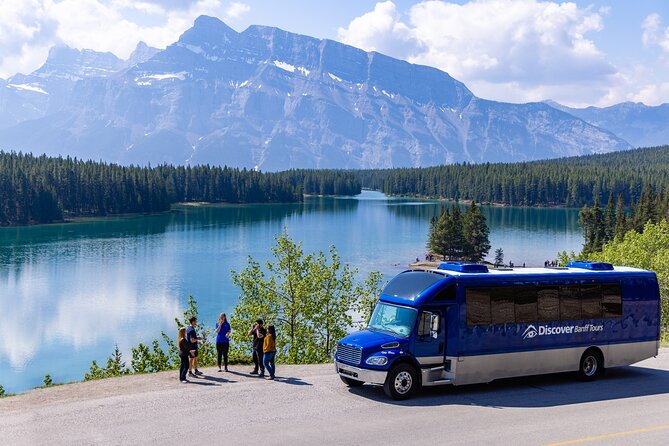
- Small group (max 24): easier conversation than a giant bus tour, especially at stops.
A Banff morning route that gives you context fast
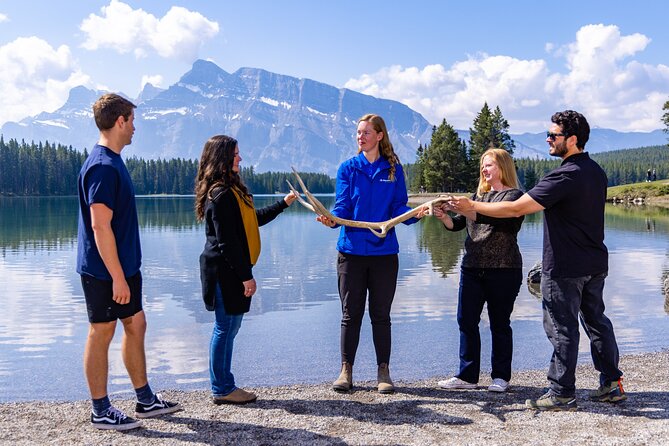
If you want Banff to make sense quickly, this tour is a strong first move. You start at 8:30 am, get picked up across multiple hotels, and ride to several headline sights in one tidy loop. The big win here is the guide storytelling: you don’t just park at a viewpoint and move on. You learn how the rocks, water, and landforms formed—then you look at the same features with new eyes.
This is also a smart way to see Banff without stressing over parking or driving. Even if you plan to rent a car later, a guided morning helps you understand where things are and what to prioritize the rest of your trip.
And because it’s a morning outing, you’re aiming for the best odds. You’ll keep an eye out for elk, deer, bears, and bighorn sheep as you travel and pause at stops. Some trips can feel wildlife-heavy, and some can feel more scenery-focused. That uncertainty is part of the game in the Rockies.
You can also read our reviews of more tours and experiences in Banff
Pickup, timing, and how to avoid the classic I’m-late problem
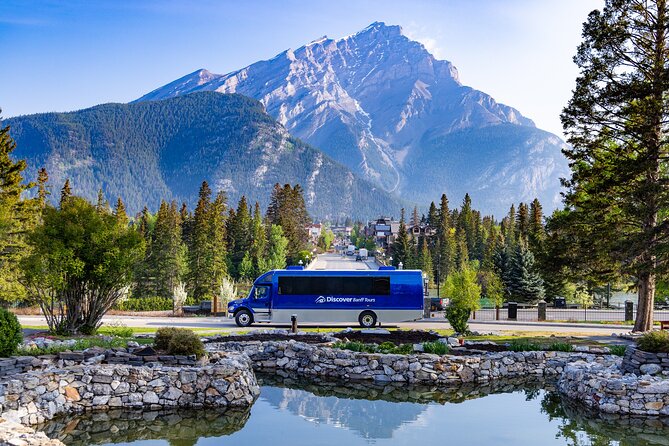
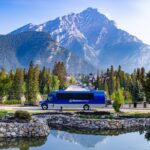
The start time is 8:30 am, and pickup runs on a schedule of unique times by location. Plan to be at your chosen pickup point 5 minutes early—not 5 minutes before departure time, but early enough that you’re not hunting for the van in cold air.
If you do not select a pickup, your default meeting point is the public bus parking behind the Mount Royal Hotel at 8:12 am. Hotel pickup is available on request, too, so you can keep the morning low-effort if your hotel is near the usual pickup map.
This matters because you only get a few minutes at each stop. The tour is designed to be tight and efficient. If you miss your window, you can end up losing the whole day’s ride.
Lake Minnewanka: the biggest lake stop with the best story hook
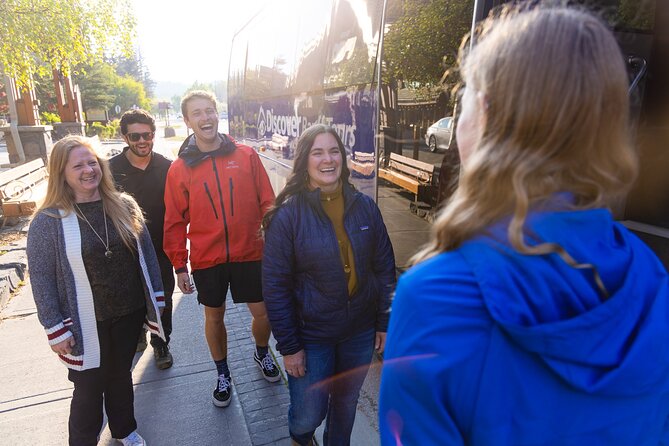
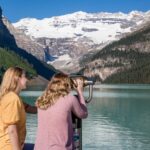
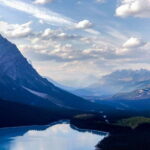
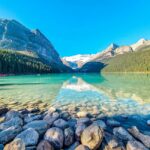
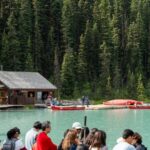
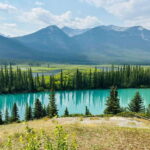
Your first real taste of Banff scenery is Lake Minnewanka. It is Banff’s largest lake, and the stop comes with the kind of local legend that makes the place feel human—not just scenic.
You’ll hear stories about an underwater ghost town, and the guide also ties it to the area’s broader history and landscape formation. That background helps you look at the water without wondering what you’re supposed to notice.
You only have about 15 minutes here, so it is not the kind of stop for a long walk. Think of it as a quick orientation and photo moment. If the weather is clear, this is the stop where you’ll likely want to linger for one more picture, even if you have to keep it moving to stay on schedule.
Bow Falls: sound, limestone, and a 1950s movie cameo
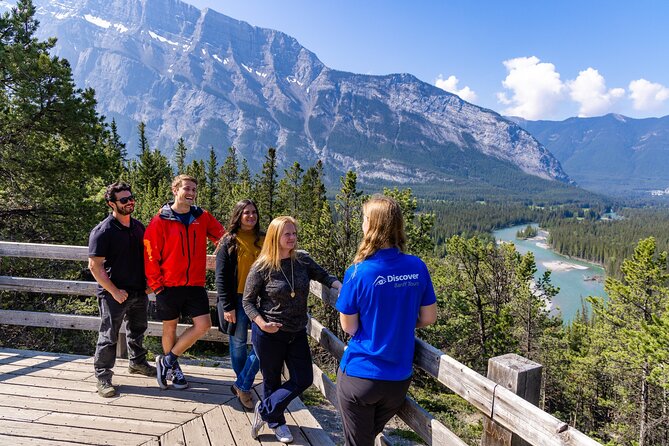
Next up is Bow Falls, where water crashes over ancient limestone. The payoff is not just the view; it’s the sound. Even during a quick stop, you get the sense of power.
There’s also a fun pop-culture connection: Bow Falls appeared in classic Hollywood films, including River of No Return with Marilyn Monroe. That detail is small, but it makes the falls easier to remember later—like a shortcut into the mental catalog of Banff.
Plan on about 10 minutes. Again, it is quick. If you arrive and immediately think you need a bigger hike to appreciate it, you’ll be slightly underwhelmed by the time. But if you want classic Banff icons without full-day commitments, this works.
Surprise Corner: Castle of the Rockies in one clean framed view
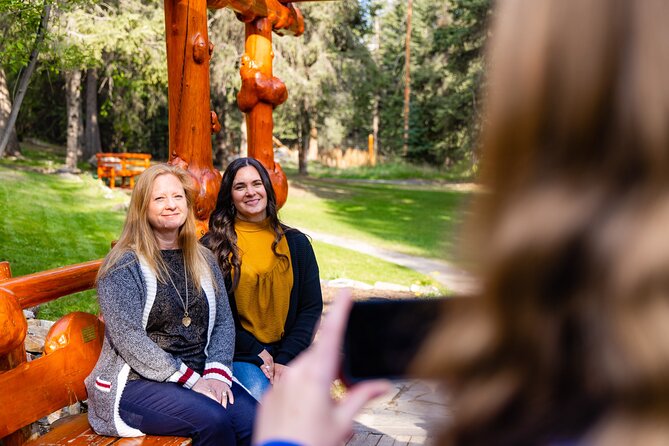
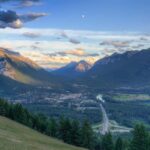
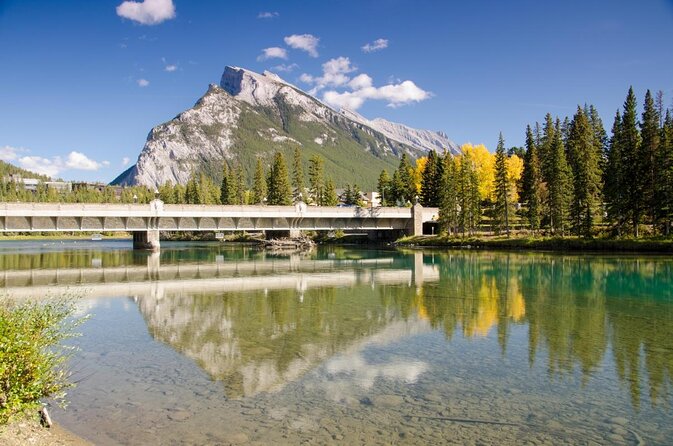
Then you hit Surprise Corner, a viewpoint that gives an iconic composition: the Castle of the Rockies against the backdrop of Sulphur Mountain, with the Bow River in the foreground. This is one of those Banff spots where you can tell why artists and photographers keep returning.
You get about 10 minutes. That’s enough time to take the full set of standard photos—wide shot, tighter shot, phone panorama attempt—then step back to look again with the guide’s explanation in your head.
What I like about viewpoints like this is that they help you understand Banff’s layout. After a stop like Surprise Corner, many other areas start to click into place when you’re sightseeing on your own later.
Hoodoos Trail: learn what you’re seeing before you photograph it
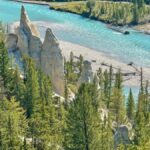
The tour’s next standout scenery stop is the Hoodoos Trail viewpoint. The hoodoos are the star here—odd rock shapes that look sculpted by time rather than machinery. The guide uses the time at the viewpoint to explain what you’re looking at and why it forms the way it does.
You get around 20 minutes at this stop, which is a little more comfortable than the shorter photo pulls. It gives you enough time to slow down. If you’re the type who likes to pause, read signs, and stare at rock formations until your brain gets its own weather system, this is your moment.
There is also an Indigenous connection tied to one of the mountain names you’ll hear on this side of Banff. In past trips, guides have pointed out Sleeping Buffalo Guardian Mountain as a way of interpreting the area’s rock-and-mountain presence through Indigenous naming and meaning. Even if you only catch part of that context, it can make the viewpoint feel more grounded and less like a random stop.
Bankhead Ghost Town: a summer-only glimpse of Banff’s mining past
Depending on the season, you may also stop at Bankhead Ghost Town. It is listed as summer only, so it’s not a given year-round. If you catch it during operating months, it adds an industrial layer to the morning’s natural focus.
This stop is about an abandoned mining town and Banff’s industrial past. You’ll likely get the sense of how extraction shaped the region—then you look around and realize how quickly nature reclaims what humans built.
You only get about 10 minutes here. That’s enough time for a photo and a short story, but not enough for a deep exploration. If you’re the kind of traveler who wants ruins plus a longer walk, you’ll want to plan a separate excursion or come back later in the day.
The Banff Springs Hotel and Bow Valley lookouts: when the guide makes passing views worth it
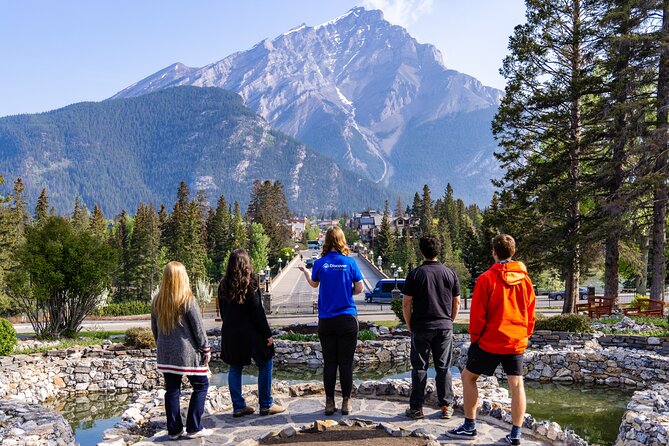
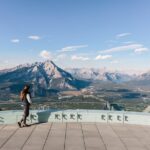
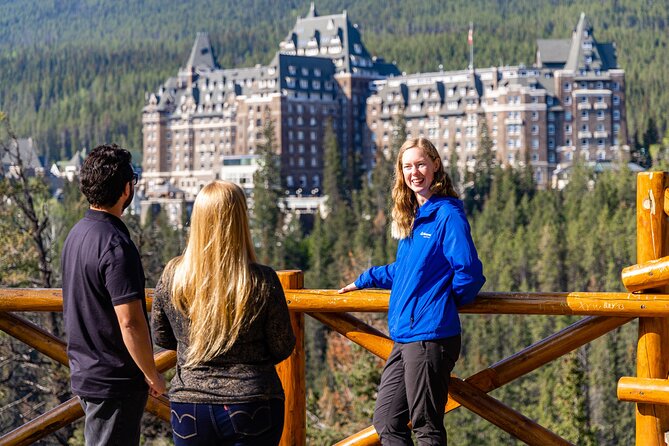
Even when you do not have a formal, long stop at every landmark, you still get a strong sense of the iconic spots around town. The tour includes time to see the Banff Springs Hotel and you get a viewpoint element that helps you understand the Bow Valley.
This is one of the underrated values of a guided morning: you see the headline features from the road, but you also learn what to notice. Where is the valley trending? Which ridge line stands out? Why does the water sit where it does?
Then, when you later head out on your own, you’re not looking at Banff like a postcard. You’re looking with some basic map knowledge in your head.
Wildlife expectations: great odds, still not a promise
This is the part you should calibrate early. The tour is promoted as a wildlife outing in the morning, and your route is designed to help you spot animals—especially because you’re traveling during peak activity hours.
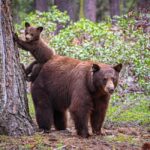
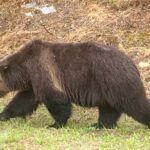
You will be scanning for elk, deer, bears, and bighorn sheep. Some days you’ll get close enough for satisfying views from the roadside. Other days, you might get more scenery than wildlife.
If you want the best shot:
- dress warm and stay alert during driving time, not just at stops
- keep your eyes moving along open fields and forest edges
- treat sightings as a bonus, not the main product
The good news is that even without wildlife, the scenery stops still deliver. Bow Falls and the Hoodoos are strong on their own, and the geology context makes them more than a quick photo stop.
Included extras that actually help your morning
This tour is priced to include a lot of practical items that make the ride feel complete, not bare-bones. You get:
- a professional guide
- a maple cookie snack and fresh water
- hot chocolate in winter
- hands-on interpretive tools
- pickup and drop-off (either from public bus parking behind the Mount Royal Hotel or from other hotel pickup points by request)
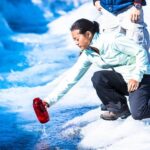
That snack and water thing sounds small until you realize you are starting early and moving through multiple stops in a short time. You also get interpretive tools, which is a real advantage for geology and landform understanding. Instead of only listening to explanations, you get something tactile that helps it click.
Price and value: what $72.04 really buys you
At $72.04 per person, you’re paying for three things at once: guided storytelling, transportation, and convenience. For a 3-hour loop with multiple iconic sights, that can be fair value—especially if you don’t want to drive yourself, park, and coordinate everything.
Here’s what makes the math work:
- Hotel pickup and drop-off mean you’re not fighting local logistics
- a guide adds meaning to the stops, especially for geology and local history context
- small-group size (max 24) keeps the experience from feeling like a cattle call
- key sights are grouped efficiently, so you get more than one “best of Banff” moment
The trade-off is the same trade-off you get with almost any short tour: time is tight. You’ll spend more time on the bus than you would if you had your own vehicle and could linger. But for a first morning in Banff, that structure can be a win.
Who this tour suits best (and who should consider another option)
This tour is a good fit if you:
- want a first-day orientation to Banff’s layout
- prefer guided stops over self-driving
- want iconic sights like Lake Minnewanka, Bow Falls, and the Hoodoos without a full-day commitment
- travel in a group size that benefits from conversation and quick Q&A
- are comfortable with wildlife viewing being partly luck
It may not be your best match if you:
- need wildlife to be the main show every time
- hate bus time and want long walks
- are looking for deep, multi-hour exploration at one site
In other words, treat it as a sights + morning wildlife odds tour. That mindset keeps expectations realistic and the day fun.
Should you book this Banff and its Wildlife morning tour?
I’d book it if you want Banff to feel organized fast. The mix of Lake Minnewanka, Bow Falls, and the Hoodoos stops gives you three major scenery wins in one short morning, and the guide context makes those stops stick. If you’ve got limited time, this is one of the easier ways to cover a lot of ground without stress.
If you’re visiting during the operating window (April to mid-October), and you can handle the fact that wildlife sightings are not guaranteed, this tour is a solid value play. It’s especially worth it for travelers who do not want to rent a car for just a few icon stops.
FAQ
What time does the Banff and its Wildlife tour start?
The tour starts at 8:30 am.
Where do I meet if I do not select a pickup?
If you do not choose a pickup, you meet at the public bus parking behind the Mount Royal Hotel at 8:12 am.
Is hotel pickup included?
Hotel pick up and drop-off is available on request. There is also pickup from the public bus parking behind the Mount Royal Hotel.
How long is the tour?
The tour is about 3 hours.
What are the main stops during the morning?
You visit Lake Minnewanka, Bow Falls, Surprise Corner, the Hoodoos Trail, and (in summer) Bankhead Ghost Town.
Is it really a wildlife tour?
The morning timing is set up for wildlife viewing, and you are encouraged to look for elk, deer, bears, and bighorn sheep. Wildlife sightings are not guaranteed.
What happens if I cancel or the weather is poor?
The experience is non-refundable and cannot be changed. If it is canceled due to poor weather, you’ll be offered a different date or a full refund. The tour requires good weather.
If you want, tell me your travel month and whether you have a rental car. I’ll help you decide if this morning tour lines up well with your exact Banff schedule.