REVIEW · BANFF
2 Hour Banff Horseback Riding Adventure
Book on Viator →Operated by Banff Trail Riders · Bookable on Viator
Two hours on horseback in Banff feels magic. This Sundance Loop adventure threads you along the Bow River and through classic Banff sights, with guides who help you feel steady in the saddle from the first minutes. You’ll be riding in the Banff area where cars don’t go, and you get a wildlife-spotting view that’s hard to match on foot.
I love how beginner-friendly it feels without being boring. The well-trained horses are calm, and you get basic riding instruction plus helmet-required safety basics from the staff. I also like that the ride blends scenery with Banff history, since you pass natural sulphur hot springs on the way to the Cave and Basin area. One consideration: it’s a gentle pace, and if you end up mid-line you may not hear every word from the lead guide.
In This Review
- Key highlights at a glance
- Where you start: Banff Trail Riders and the 30-minute rule
- The Sundance Loop: Bow River Trail on a horse (and why it’s worth it)
- Passing hot springs on the way to Cave and Basin
- Sulphur Mountain climb: marshy paths and big effort
- Windy Knoll: the best photo angles come near the end
- The guides and the horse match: how comfort really happens
- Rules that are strict for a reason (and what to pack)
- Price and value: is $160.52 worth 2 hours on the trail?
- Who should book this ride (and who should skip it)
- Should you book Banff Trail Riders in Banff?
- FAQ
- How long is the horseback riding experience?
- Where does the ride start, and where does it end?
- How much does it cost per person?
- What’s the minimum age to ride?
- Is there a weight limit?
- Do you provide helmets, and are they required?
- What should I wear on the ride?
- Is food included?
- Do I need hotel pickup?
- What’s the cancellation policy?
Key highlights at a glance
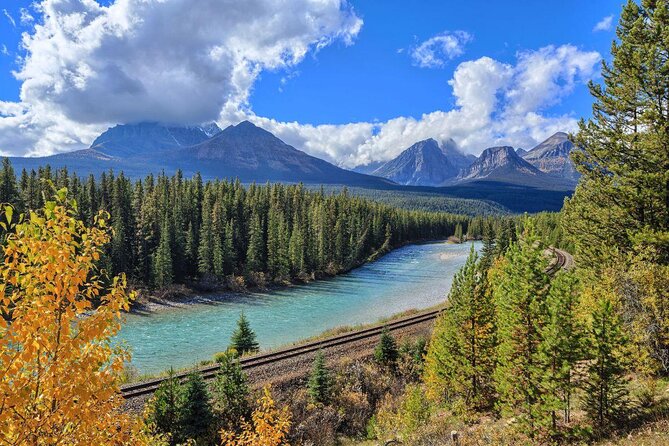
- Sundance Loop + Bow River trail for wide-open views and a real change from walking
- Cave and Basin Historic Site area stop with sights tied to Banff’s earliest hot-spring story
- Sulphur Mountain climb through marshy terrain that feels more remote than most viewpoints
- Windy Knoll photo stop with sweeping Bow Valley angles
- Max group size of 12, with a lead and tail guide keeping the line moving
- Safety rules that are strict but clear: helmet mandatory, long pants, closed-toe shoes, weight cap enforced
Where you start: Banff Trail Riders and the 30-minute rule
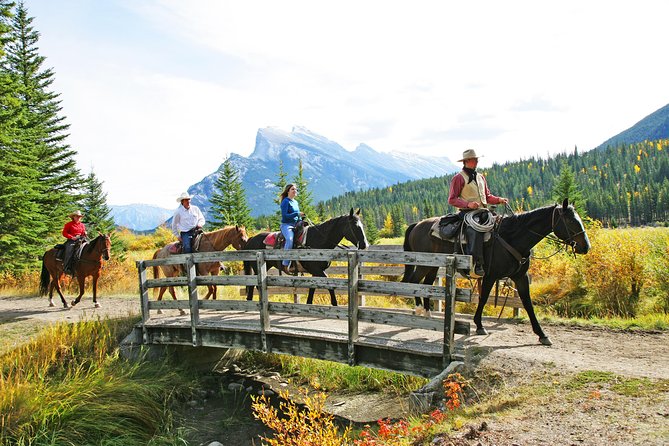
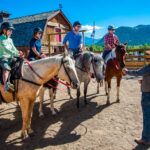
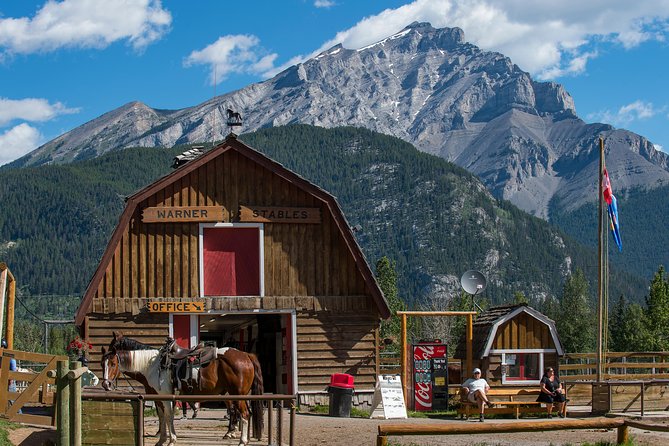
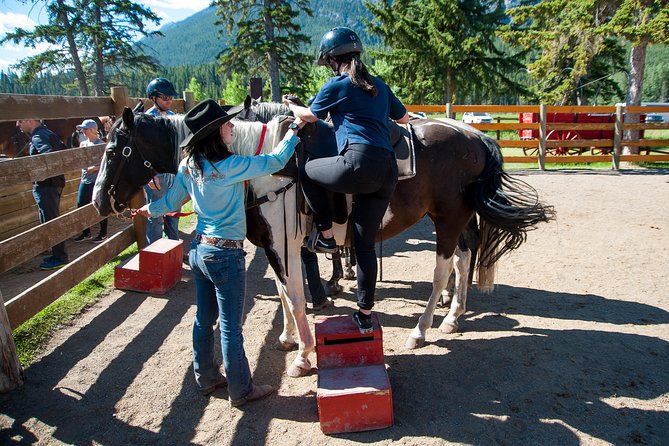
Your ride starts at Banff Trail Riders – Stables on Sundance Rd. Plan to arrive early—everyone must be there 30 minutes before the ride time—so you can check in, get your helmet, and receive the basic riding briefing without stress.
This matters more than it sounds. When you walk in rushed, you lose time learning how the horse responds to simple cues. When you show up on time, you’ll settle quickly and enjoy the ride instead of worrying about your gear.
A few practical notes that will help you feel comfortable right away: you’ll need long pants and sturdy closed-toe shoes that cover the ankle. Open-toe shoes and shoes with big heels are a no-go, and helmets are mandatory for every rider.
You can also read our reviews of more tours and experiences in Banff
The Sundance Loop: Bow River Trail on a horse (and why it’s worth it)
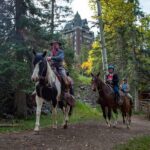
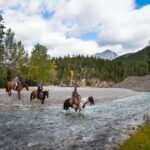
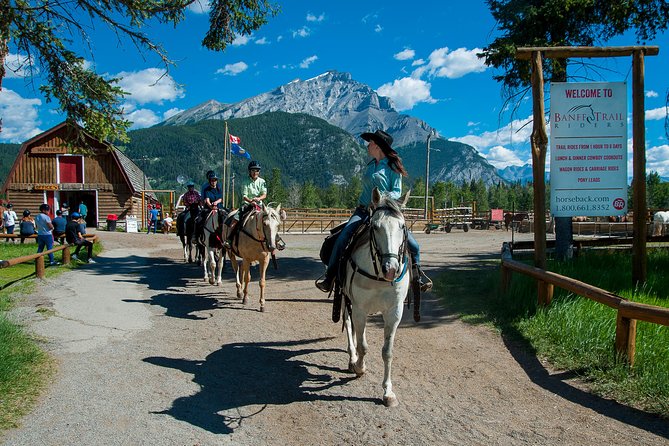
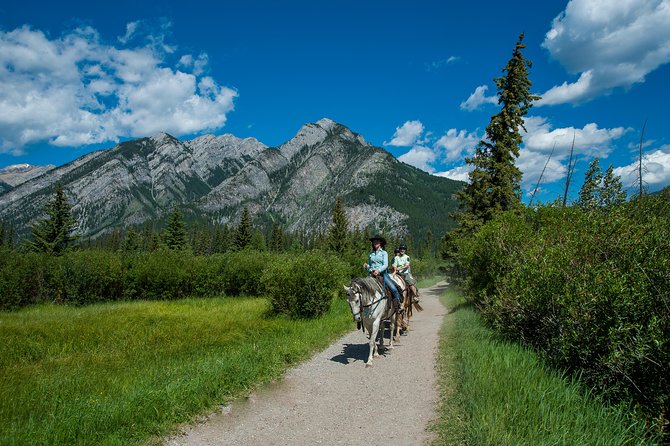
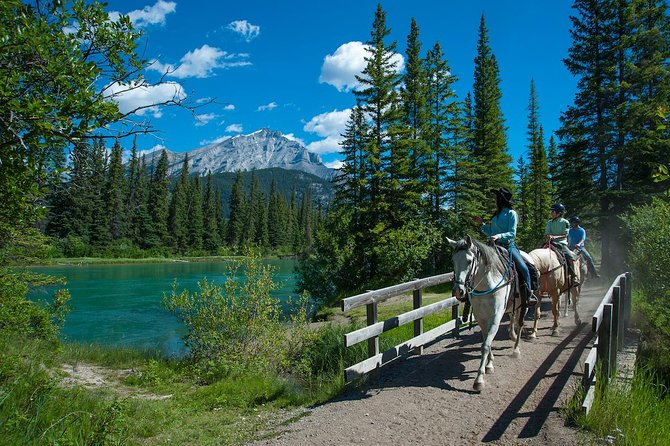
The ride begins on the Bow River trail, where Banff’s scenery has that close-up feel you don’t get from a viewpoint pull-off. From horseback, the motion is smooth and steady, and you see the river bends, trees, and wildlife angles as you move past them.
This is also where the experience earns its place as a first-time horseback pick. The route is designed to be manageable for people who are new, with guides positioned to help control the group tempo. You’ll also get basic cowboy-style tips along the way, but the main goal is simple: keep you safe and confident.
About pace: expect a gentle, walk-oriented feel. One downside you should plan for is that you may not get much time trotting or cantering, even if you’re hoping for a faster burst. If that’s what you crave, set your expectations now so you don’t leave feeling shorted.
That said, the pace is part of the magic. Slow enough to take in wildlife chances, the Bow Valley changes around you, and photos come out better because you’re not constantly bracing for speed.
Passing hot springs on the way to Cave and Basin
At some point during the loop, you’ll head toward one of Banff’s iconic historic areas: the Cave and Basin National Historic Site. Before you reach that area, you’ll pass by natural sulphur hot springs along your route.
This is a smart pairing for a horse ride because it gives you something beyond scenery. You’re not just moving through pretty scenery; you’re traveling through a place tied to why Banff became famous in the first place. The hot springs note helps you understand what you’re seeing when you get to the historic site.
What you should keep in mind: this stop is part of a trail experience, not a museum visit. You’ll likely get time to take in the area and soak up the atmosphere, but don’t plan on a full on-foot exploration like you would with a dedicated walking tour.
Sulphur Mountain climb: marshy paths and big effort
After Cave and Basin, the ride pushes on toward Sulphur Mountain. You’ll press through thick marshes as you climb, and that mix of terrain is one reason a horse can feel so different from hiking. Your legs are steadier, but you’re still riding through varied ground, not just an easy path.
This section is where the views start to feel more dramatic, especially as you get closer to open angles toward the Bow Valley. It can also be the part you feel most in your body afterward, particularly if you’re new to riding. The saddle works your core in a quiet way, and the slight rocking motion adds up.
Weather plays a big role here. When conditions are muddy, trails can get slick and slower, and horses may react to footing and ground conditions. The good news is that experienced staff keep the group safe and moving, even if it means the ride feels less “smooth” and more “workmanlike” for a stretch.
If you’re expecting a clear, dramatic, top-of-mountain payoff every time, consider tempering that plan. Some riders have found the higher portion to feel more like a trek through forest paths than an open summit viewpoint. Your best strategy: treat it as a scenic ride through terrain change, not a guaranteed look-at-the-top-from-a-deck moment.
Windy Knoll: the best photo angles come near the end
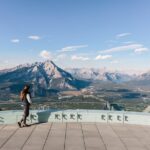
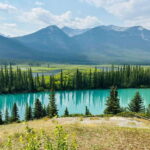
Once you climb and work your way up the route, you’ll reach Windy Knoll—a spot built for photos. This is where you get sweeping views that feel wide and classic: mountain silhouettes, the river corridor, and the long lines of the Bow Valley.
If you’re traveling with someone who cares about photos, this is the moment to slow down and actually compose the shot. Even if you’re a little sore, you’ll want to be ready here, because the views are the kind that make horseback feel like a special Banff mode instead of a simple activity.
And you can improve your chances of good photos by paying attention at the photo-friendly moments. Riders who want a clear picture tend to do best when they’re seated and ready, not adjusting at the last second.
You can also read our reviews of more tours and experiences in Banff
The guides and the horse match: how comfort really happens
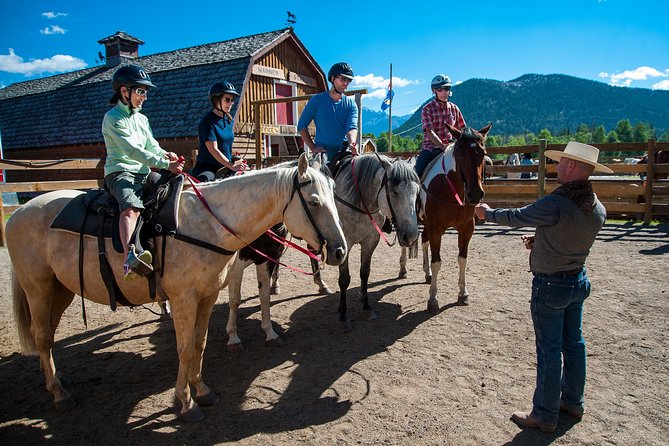
Two things make this tour work for first-timers: the staff flow and the horse behavior.
Guides typically run the group with a lead out front and a tail guide behind, keeping the line organized. That also affects how much you can hear. If you’re close to the front, you’ll catch more of the commentary. If you’re deeper in the line, you might miss some of what’s being said, even though you’ll still enjoy the scenery and safety setup.
There are also clear signs that rider experience and safety matter to the team. Helmets are mandatory, the ride includes basic instruction, and there are firm rules about who can ride. One name that shows up in riders’ praise is Abby and Amy, with another standout guide called out as Jess. The common thread: attention and safety focus, especially for people who are nervous about their first time.
Horse behavior is usually calm on this kind of route, and many riders highlight how gentle and sure-footed the mounts are. But no tour can promise your horse will match your exact preferences. If you know you’re sensitive to certain horse temperaments, communicate your comfort needs during check-in so the staff can pair you as safely and smoothly as possible.
Rules that are strict for a reason (and what to pack)
This is one of those activities where the safety rules are not optional “paperwork.” They’re tied to how the staff keeps the ride stable for everyone.
Here are the big, practical requirements:
- Minimum age is 8 years old
- Maximum weight is 230 lbs (104 kg), and that limit is enforced strictly
- Long pants plus sturdy closed-toe shoes that enclose the ankle
- Helmet mandatory
- Adults sign a waiver, and minors need a parent/guardian to complete the waiver too
- Riders must be physically capable of controlling the horse without assistance
- The company notes it can’t accommodate disabilities or special needs riders because of equipment and safety limits
What to pack is simple and practical. Wear layers because Banff weather can shift quickly. Bring something for your hands if it’s cool, and don’t forget sun protection even if you think the ride will stay shaded.
Also, bring a small tipping buffer if you plan to tip your guides. Riders often recommend Canadian cash for tips. It’s a small move that can make the day feel extra appreciated, especially after a ride where the staff keeps you safe and helps you relax.
Price and value: is $160.52 worth 2 hours on the trail?
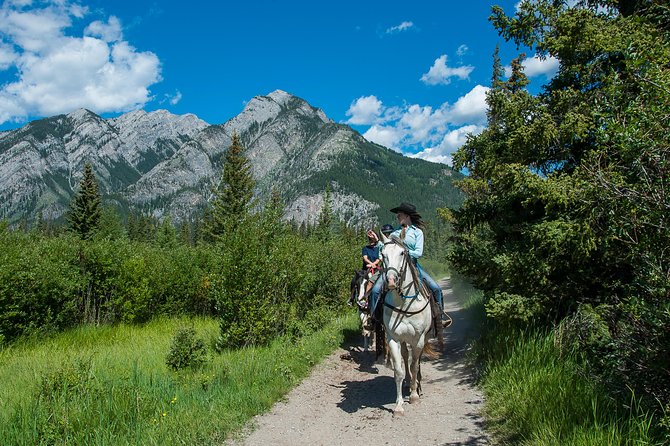
At $160.52 per person, this isn’t a throwaway activity. But it also isn’t just “sit on a horse and go.” You’re paying for trained horses, mandatory safety gear, lead and tail guidance, and an actual route through Banff terrain that most people can’t access easily by car.
You also get time that’s long enough to feel like a real outdoor experience—about two hours on the trail—without turning into an all-day commitment. In a place like Banff where weather and crowds can change your plans fast, a tight, well-run ride can be a smart use of time.
Value is highest if:
- You’re new to riding and want an easy on-ramp
- You want Banff views without walking the whole distance
- You like wildlife and nature chances from an elevated, moving perspective
- You’d rather experience the Bow River corridor from horseback than from a busier parking spot
Value drops a bit if you want a high-energy gallop adventure. This is designed as gentle and safe, not as a thrill-only ride. If you’re expecting lots of trots and fast turns, you may feel it’s more workmanlike than wild.
Who should book this ride (and who should skip it)
This tour is a strong fit for families with kids over 8, couples, and solo travelers who want an outdoor Banff experience with guidance. It’s also a good option for beginners because you’ll get basic instruction and a predictable ride flow.
It’s a weaker fit if:
- You need guaranteed summit views from Sulphur Mountain
- You’re counting on frequent trotting or cantering
- You dislike slow walking pace for two hours
- Your group is extremely large in your mindset—this ride caps at 12, but it still may feel busy if you end up mid-line and can’t hear the guide clearly
If you’re traveling with teens or younger kids, read the child rules carefully. Kids under 18 must have a parent/guardian sign the waiver, and children ride their own horse rather than being paired with an adult. That can be great for independence, but it’s important for planning and expectations.
And if someone in your group is near the weight limit, don’t gamble with it. The maximum is enforced, and the company notes they may require confirmation of current weight on a scale.
Should you book Banff Trail Riders in Banff?
I’d book it if you want a safe, classic Banff experience that gets you out into real terrain fast. The Bow River start, the historic stop near Cave and Basin, the climb through sulphur mountain routes, and the photo angles at Windy Knoll add up to a well-rounded day without being exhausting.
I’d think twice if your goal is speed, summit views, or lots of trotting. This is built to be gentle and beginner-friendly, and sometimes that means more walking than action.
If you’re on the fence, here’s my simple decision rule: if you want to feel calm, ride confidently, and trade a short hike for an unforgettable view angle, you’ll likely love it.
FAQ
How long is the horseback riding experience?
It’s about 2 hours total on the trail.
Where does the ride start, and where does it end?
It starts and ends back at Banff Trail Riders – Stables at 100 Sundance Rd, Banff, AB.
How much does it cost per person?
The price is $160.52 per person.
What’s the minimum age to ride?
Riders must be at least 8 years old.
Is there a weight limit?
Yes. Riders must be under 230 lbs (104 kg). The limit is strictly enforced.
Do you provide helmets, and are they required?
Helmets are provided and they’re mandatory for all riders.
What should I wear on the ride?
You’ll need long pants and sturdy closed-toe shoes enclosed to the ankle. No open-toe shoes or shoes with big heels.
Is food included?
No. Food and drink are not included.
Do I need hotel pickup?
No. Hotel pickup and drop-off are not included.
What’s the cancellation policy?
You can cancel for a full refund if you cancel at least 24 hours in advance. If it’s canceled due to poor weather, you’ll be offered a different date or a full refund.