REVIEW · BANFF
1 Hour Spray River Ride
Book on Viator →Operated by Banff Trail Riders · Bookable on Viator
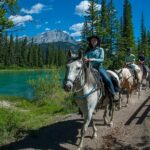
Banff from a horse saddle? That is a fast way to change your whole trip mood. This 1-hour Spray River Ride pairs a calm ride across the Spray River with big views of Bow Falls and the surrounding mountains, all in a small group capped at 12. It also starts with a short orientation, which matters if you are new.
I especially like the beginner-friendly setup. You get basic riding instruction and helmet guidance right away, and the guides keep things clear and calm—folks have called out staff like Abbey and Kayler for being patient, plus Max and Dakota for friendly, professional hosting. The second thing I love is the river-crossing moment: walking right into the water on a well-trained horse is the kind of Banff memory that feels personal, not staged.
One consideration: you must follow the rules closely. They enforce an arrival time (plan to be there 30 minutes early) and a strict rider weight limit (230 lbs max), and if you miss those, it can affect whether you ride.
In This Review
- Key things to know before you go
- Your one-hour Banff horseback rhythm on the Spray River
- Stop-by-stop: from Banff National Park to Bow Falls
- Banff National Park: setting the scene without the hike
- Spray River Trail Loop: the main event on horseback
- Bow Falls: finishing with a view moment
- Horses, helmets, and the safety rules that shape the whole ride
- Price and value: what $88.33 buys in real terms
- Logistics that matter: meeting point, arrival time, and English basics
- Who should book this ride (and who should think twice)
- Quick tips to make your Spray River hour smoother
- Should you book the 1 Hour Spray River Ride?
Key things to know before you go
- Small group, capped at 12: more attention, less waiting, and a calmer ride rhythm.
- A real river experience: you cross in the middle of Banff scenery, not just near it.
- Walking-only pace: it feels relaxed and controlled, ideal for first-timers.
- Helmet is mandatory and provided: a big safety win for a short tour.
- Clear safety dress code: long pants and closed-toe shoes with ankle coverage are required.
Your one-hour Banff horseback rhythm on the Spray River
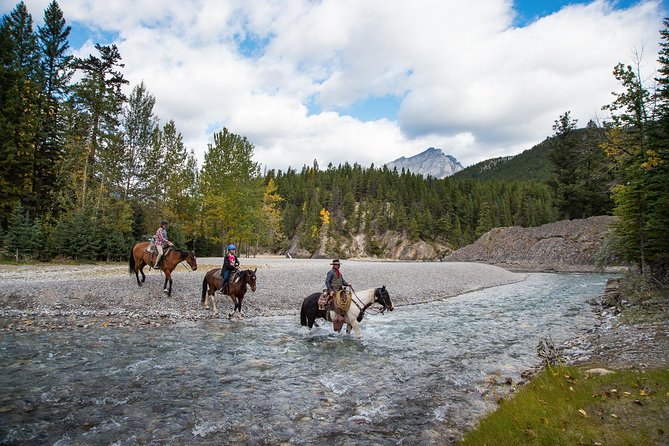
This tour is built for people who want Banff outdoors without a full day commitment. It is about an hour on horseback, then you are back where you started. The ride is structured, not chaotic: horses go in a line and you move at a walking pace, with the guide(s) leading and tailing the group to keep everyone together.
What makes it work so well for many visitors is that it does two things at once. You get a guided trail experience, and you also get the simple coaching needed to feel in control of your horse. Even if you have never ridden before, you should be able to follow along because the orientation is brief and focused on what you need for the next steps—not a lecture.
Price-wise, $88.33 for roughly an hour can feel steep until you add up what is included: you are paying for the horse, the guides, the safety gear (helmets), and the time on an actually curated route in Banff National Park. If you are already spending money on park entry, transport, and parking, this can start to look like a “buy the time and expertise” deal instead of just a novelty activity.
You can also read our reviews of more tours and experiences in Banff
Stop-by-stop: from Banff National Park to Bow Falls
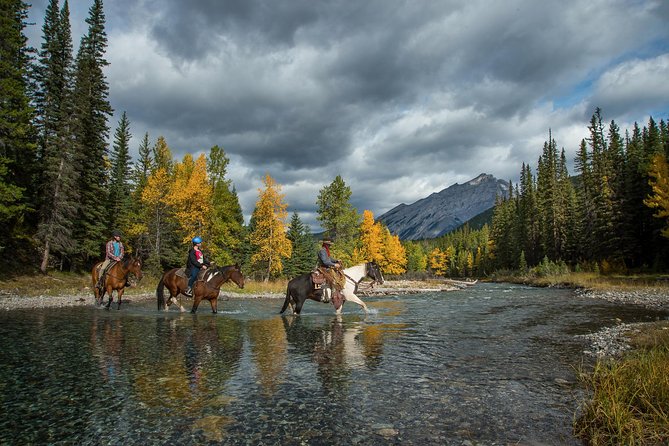
The route is simple: Banff National Park first, then the Spray River Trail Loop, then Bow Falls views before you head back. Here is how to think about each part so you know what you are signing up for.
Banff National Park: setting the scene without the hike
At the start, you are in Banff National Park, which gives the ride its feel right away. You are not doing this in a parking-lot simulator. Expect the guide to help you get your footing—literally and figuratively—so you understand how to sit, when to listen for instructions, and how the group moves.
A possible drawback here is mental, not physical: if you expect a total backcountry feel from minute one, remember this is a guided horseback outing that is close enough to town to matter at times. On some rides, you might cross or ride near roads rather than only through far-removed wilderness.
Spray River Trail Loop: the main event on horseback
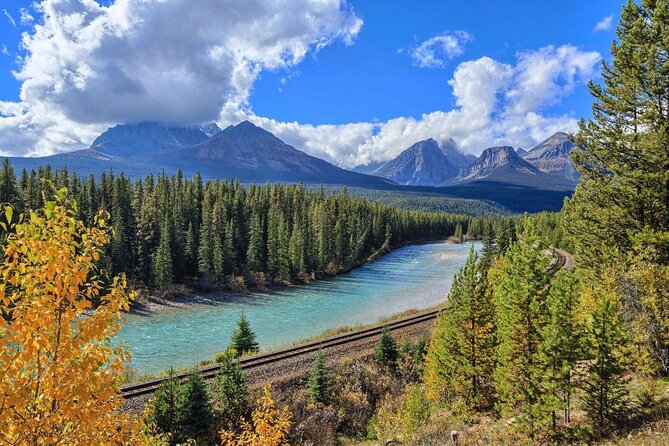
This is where most of the magic happens. The ride takes you across the Spray River at a calm pace, and the rest of this segment feels like a long, gentle “look around” moment. You get woodland sections and water near your path, which makes the scenery feel more layered than you might expect from a short tour.
The practical win is that the horses are trained for this kind of work. Many riders describe the horses as tame and predictable, and that makes the hour much more relaxing. If you are nervous, that predictability matters more than people realize. Still, there can be occasional quirks on any animal-driven experience: one horse may be a touch slower or more particular on a given day, which can make the experience feel less smooth for that rider.
Bow Falls: finishing with a view moment
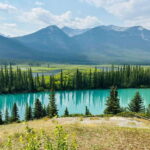
The ride includes Bow Falls as a highlight, along with mountain surroundings in the background. This is the part you will want to keep your eyes up for, because once you are moving again you may not get a long stop for photos. Try to plan your camera timing for the bigger sightlines, and do not wait until the guide is far ahead to get positioned.
If the weather is cold or snowy, the ride can still go on when conditions allow. That is a plus if you are visiting in shoulder season and want the experience anyway—but it also means you should dress for real outdoor temps, not just “Banff weather” vibes.

Horses, helmets, and the safety rules that shape the whole ride
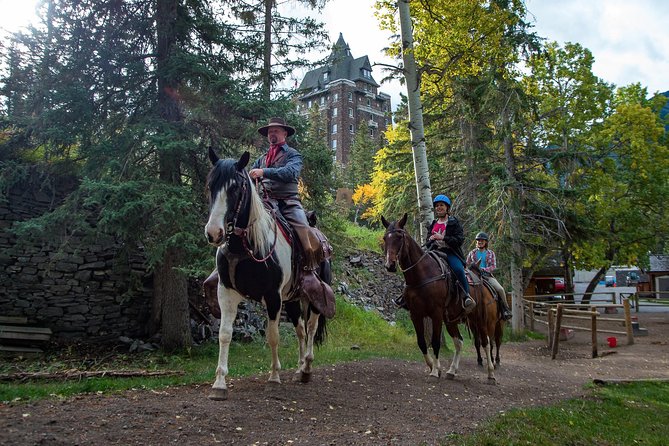
This tour is pretty clear about safety, and honestly that is a big reason people feel good about booking. Helmets are mandatory, and you use one during the ride. They also provide basic horseback riding instruction, so you are not left to guess how to move with the horse.
Then there is the dress code, which you should treat as non-negotiable:
- long pants
- sturdy closed-toe shoes that are enclosed to the ankle
- no open-toe shoes
- no big heels
The reason this matters on the ground is simple: mud and uneven footing happen, especially around horses and trails. If your footwear is wrong, the ride feels harder even if the horse part is easy.
Weight and body requirements are also strict:
- riders must be under 230 lbs
- they may require you to confirm your current weight on a scale during check-in
- if that requirement is not met, the booking can be forfeited without a refund
One more rule that shapes the experience: they do not pair children with an adult. Riders age 17 and under must ride their own horse, and the minimum age is 8. If you are traveling with kids, this is great for independence—but it also means the horse fit and the rider readiness matter more.
And for anyone who needs special accommodations: the operator states they cannot accommodate disabled or special-needs riders because they may not have the equipment or skills to execute a safe ride. If that applies to you, it is worth contacting them directly before booking so you do not waste time.
Price and value: what $88.33 buys in real terms
Let’s make the value concrete. You pay $88.33 per person for about one hour, plus:
- lead and tail guides
- use of the horse
- basic riding instruction
- a helmet (mandatory)
What you do not get:
- hotel pickup or drop-off
- food and drink
That means you should plan to arrive ready to ride and handle your own snacks and timing before/after. Also, since hotel pickup is not included, you’ll want to factor in transportation to the meeting point—more on that next.
Why this price can feel fair: horseback tours have real costs tied to staffing and animal care, and the operator emphasizes horse health and safety. The strict weight rule is not just paperwork; it is part of protecting the horses. That type of enforcement usually correlates with better safety and fewer messy surprises for the group.
Logistics that matter: meeting point, arrival time, and English basics
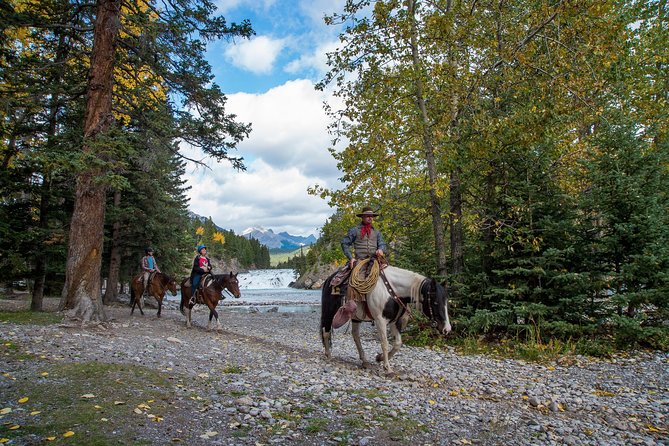
You meet at Banff Trail Riders – Corrals on Spray Ave in Banff, and the tour ends back at the same meeting point. Bring your phone for the mobile ticket, and make sure you understand where you are going before you show up—because being late is a common way people accidentally lose the chance to ride.
The schedule rule is direct: arrive 30 minutes prior to your ride time. This is not just “be early if you can.” It is required. If GPS sends you on a detour or you hit parking confusion, you could be short on time. Plan for buffer.
Language is another practical note. For foreign visitors, they require an understanding of basic English so you can follow simple instructions from the guides. If English is a challenge for you, consider whether you have enough comfort with basic directions, safety prompts, and short explanations.
Finally, there is no meal component and no included refreshments. If you tend to get hungry, stop beforehand and bring water if you want it for after the ride.
Who should book this ride (and who should think twice)
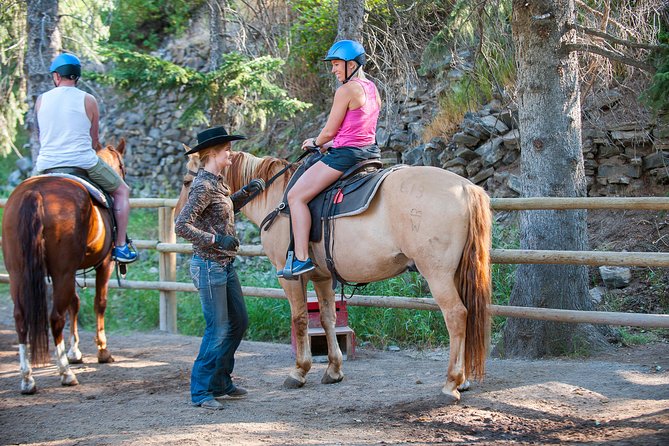
This is a strong pick if you want a short, scenic horseback experience without committing to a half-day or day-long tour. It is especially suitable if:
- you are a first-time rider and want coaching
- you like the idea of river crossings as a clear highlight
- you want small-group attention (12 max)
- you prefer a calm walking pace through forests and along water
It is also a good choice if you are traveling with a mix of experience levels, because the guides can work with nervous riders while still keeping the group moving.
Think twice if:
- you are likely to arrive late or have a strict timing window
- you do not meet the weight requirement (230 lbs max)
- you need specialized accommodations not supported by the operator
- you expect a fully rugged backcountry feel with zero proximity to roads (some days can feel closer to town than others)
Also consider the weather factor. This tour requires good weather, and if conditions cause cancellation, you will be offered a different date or a full refund. That is part of why people who book in shoulder season should still dress for cold and wet—just in case.
Quick tips to make your Spray River hour smoother
A few small choices can make your hour feel effortless:
- Wear long pants and proper ankle-enclosed closed-toe shoes so you are not dealing with mud discomfort.
- Arrive early enough to handle check-in without rushing. The 30-minute buffer is your friend.
- If you are nervous as a first-timer, listen closely during the orientation and keep your attention on the guide’s cues—horse calm depends on rider calm.
- For photos, be ready around the Bow Falls segment. Stops may not be long.
If you see guide names like Abbey and Kayler credited for patience, that is a clue about what the experience aims to deliver: clarity, kindness, and enough time to look around while still keeping safety tight.
Should you book the 1 Hour Spray River Ride?
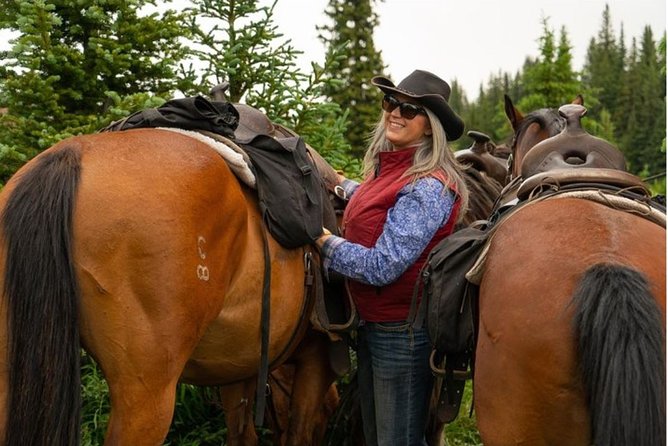
Yes, you should book it if you want a short Banff nature moment with a real horseback component—especially if you are new to riding and want a guided, structured experience. The river crossing and Bow Falls views are the kind of highlights you can feel in your body, not just see from a viewpoint.
Skip or reconsider if you are sensitive to strict rules (arrival time, weight cap, required footwear) or you expected the ride to be purely remote wilderness. And if weather in Banff is iffy during your dates, keep your plan flexible.
If your goal is an hour that feels like Banff, not like a long tour machine, this one is a solid bet.