REVIEW · ALBERTA
Icefields Parkway: a Smartphone Audio Driving Tour
Book on Viator →Operated by Tripvia Tours · Bookable on Viator
On the Icefields Parkway, the best parts are easy to miss. This smartphone audio driving tour turns your car into a guided road trip with about 45 GPS-triggered audio points, covering the Icefields, Peyto Lake, Athabasca Falls, and more. I like the freedom to stop when the view grabs you, and I like that the audio keeps pace without needing cell service. One thing to plan for: you must do the initial download well before you enter the no-signal stretch, or setup can become a headache.
What you’re paying for is simple: more meaning per kilometer. At $9 per group (up to 15) and only one booking per vehicle, it’s low-cost compared with missing key viewpoints or spending time hunting for them. The main drawback is tech-related: getting audio to play through your phone in the car can take a few tries if your settings are picky.
In This Review
- Key points before you go
- Icefields Parkway by smartphone: how the audio really guides
- Price and value: $9 per group can be surprisingly smart
- Getting ready: the download and your car audio setup
- Jasper–Lake Louise route: what you’ll hear and why it helps
- Lake Louise area: Peyto, Icefields country, and the big-picture view
- Yoho-to-Icefields to Icefields Parkway icons
- Columbia Icefields and beyond: glaciers, falls, and water stories
- Jasper-side stops: canyons, falls, trails, and the fun parts of named peaks
- Pacing tips: how to stop without killing your day
- Who should book this audio driving tour?
- Should you book it?
- FAQ
- How much does the Icefields Parkway smartphone audio driving tour cost?
- How long is the tour?
- Do I need data or cell signal during the drive?
- Do I need mobile signal to download it?
- Will the tour work if I drive from Jasper to Lake Louise (or the reverse)?
- How many audio points of interest are included?
- What device do I need?
- Is this tour family friendly?
- Is this a private experience?
- Are all recommended stops guaranteed to be open?
Key points before you go
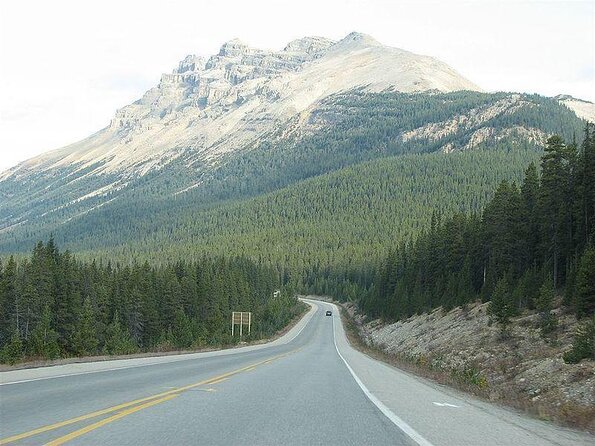
- 45 GPS-triggered audio stops that play as you approach each viewpoint
- Offline playback after download, so you are not stuck waiting for signal
- One booking per vehicle for groups up to 15 people
- Self-paced route with no fixed schedule, ideal for slow photo stops
- Family-friendly trivia with quick multiple-choice questions tied to the sights
- Bonus idea: you can download a Peyto Lake overlook tour to add a short walk-style listen
Icefields Parkway by smartphone: how the audio really guides
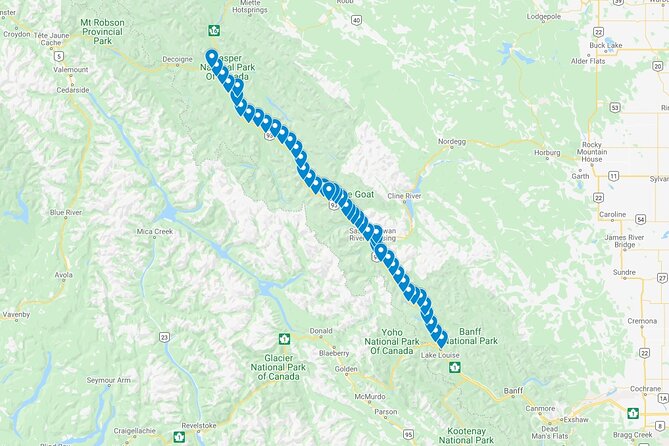
This is not a guided bus tour. You drive your own vehicle, at your own pace, while the audio launches when your car hits each marked spot. The tour uses live GPS mapping to time the content, which is exactly what you want on a long scenic highway where turn-by-turn navigation would just distract you.
I also like the structure of the narration. It’s built around what you can actually see from pullouts and roadside viewpoints: named peaks, glacier country, waterfalls, and the stories behind local place names. If you want, you can also let it run automatically, then pause, listen again, or even skip ahead when you get to a stop faster than expected.
Family-friendly trivia is a smart touch for road trips. Those quick multiple-choice questions make it feel less like you’re passively listening, and more like you’re checking in on what you’re looking at. The quizzes are also handy for keeping kids focused when the drive feels like a long stretch of road between viewpoints.
You can also read our reviews of more tours and experiences in Alberta

Price and value: $9 per group can be surprisingly smart
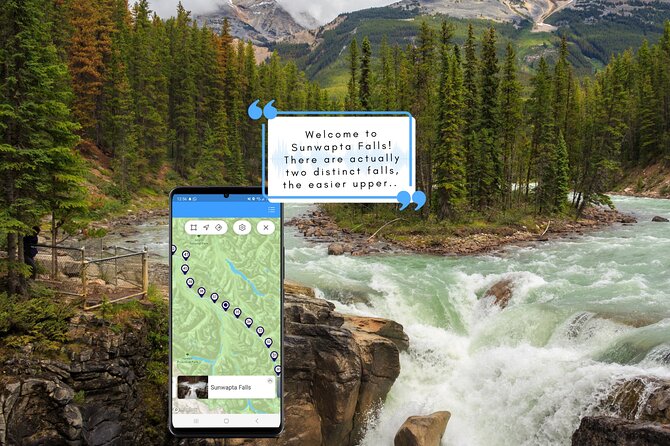
At $9 per group (up to 15), this is priced like a snack, not an excursion. The real value is what the tour prevents: missed viewpoints, late starts at scenic pullouts, and the time you’d otherwise spend researching where to stop along the Icefields Parkway.
Because it’s one booking per vehicle, it can work well even if you’re splitting costs among friends or travel partners. And since it’s set up for a route between Jasper and Lake Louise, you can use it on the drive that matches your itinerary without buying separate pieces.
A key detail that affects value: it lasts about 3 hours on average, but there are no time constraints. If you stop more often for photos, or linger at one big sight, the audio approach still makes sense because it does not force you into a rigid timetable.
Getting ready: the download and your car audio setup
Here’s the practical part that matters most: you need a solid initial download using Wi-Fi or a good mobile connection. After that, the tour is designed to run without needing data or signal as you drive. That matters on the Icefields Parkway because the mountains can block reception.
If you want this to go smoothly, do two things before you leave Jasper or Lake Louise:
- Download on Wi-Fi at your lodging or in town, not from the side of the highway.
- Test audio once before you enter the no-signal stretch, and make sure your phone is set to play through your car system.
Some people hit friction when pairing their phone to the car. In most cases, it’s not the tour failing—it’s the phone’s audio routing. If your car has multiple audio sources, double-check that your phone is the active input so the narration can cut through the cabin noise.
Also, plan your viewing stops with the audio flow in mind. Some audio points align with short pullouts, while others connect to short trails. If you’re the type who likes to park, read signs, and take photos for a while, you’ll enjoy this setup because it won’t rush you.
Jasper–Lake Louise route: what you’ll hear and why it helps

The tour works in either direction: Jasper to Lake Louise or Lake Louise to Jasper. The content is the same, so you don’t have to rethink your purchase based on which way you’re driving.
You’ll start with area context and then move into specific natural highlights. The narration is packed with place-name stories and quick “what to notice” cues, so your eyes have something to latch onto instead of just scanning for the next waterfall or glacier.
Along the way, you’ll get audio points that highlight major Canadian Rockies parks and the regional links between them. The tour also points out how the same stretch of road connects viewpoints that feel like separate destinations.
Even when you’re not stopping, the audio helps you interpret what’s around you. You’ll hear about named peaks, where rivers and water come from, and the “why” behind the names—Banff and Jasper National Parks get attention early, and the narration keeps expanding that context as the scenery shifts.
Lake Louise area: Peyto, Icefields country, and the big-picture view
Starting from the Lake Louise side, the audio makes the drive feel like a guided timeline. It covers the Icefields Parkway as one of North America’s most scenic drives, then starts pulling you into the “look up” category—peaks towering above you, plus early exploration stories.
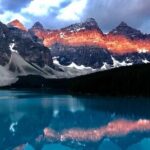
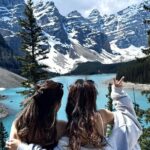
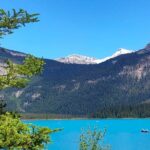
Peyto Lake is a key highlight in the tour. You’ll hear why it looks the way it does and what makes it worth aiming your camera for. There’s also a bonus option for people who like a short hike-and-listen combo: you can check the tour list and download the Peyto Lake overlook tour to complement the view.
If you like stopping for quick walks, the route also includes short trailheads. One example is the Mistaya Canyon trailhead, described as a very short, easy half-kilometer route that you can do without turning the day into a full hike.
You can also read our reviews of more tours and experiences in Alberta
Yoho-to-Icefields to Icefields Parkway icons
As you drive through the Alberta portion of Yoho National Park, the narration adds a helpful layer: it connects your road trip to the larger park geography of the Canadian Rockies. Instead of treating each viewpoint as isolated, the audio threads a story through what you’re passing.
There are also smaller “you wouldn’t notice this” details that make the roadside feel more purposeful. You’ll hear what river feeds the Waterfowl Lakes and get a bit of context about a favorite campground. You’ll also get mountain name background for peaks such as Mount Murchison and Mount Erasmus, plus other naming stories tied to what you can actually see.
The audio also flags a few moments where you should stop. These are not just scenic reminders—they’re picture points and viewpoint logic. If you follow those prompts, you’ll likely end up with photos from angles you’d skip if you drove by on instinct.
Columbia Icefields and beyond: glaciers, falls, and water stories
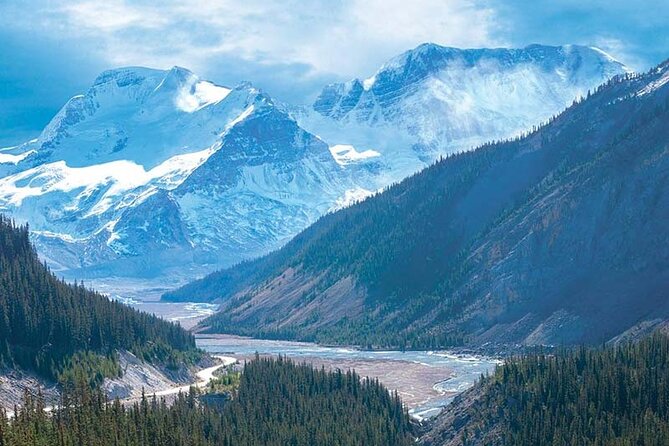
The tour’s headline is the Icefields-area experience, including the awe of the Columbia Icefields. The audio points help you understand what you’re looking at without needing a guidebook open in your lap.
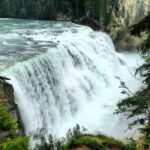
You’ll also hear about Athabasca Falls, which are a must-see on this corridor. Waterfalls are often “seen” from a distance, but the narration gives you a better sense of what’s driving the spectacle, so the stop feels more than just a quick photo.
One especially useful theme in the audio is water origins and connections. You’ll get segments that explain where water comes from and how the surrounding features link together. That matters because much of the scenery here is shaped by flowing water and ice, and the same patterns can be hard to spot when you’re just driving fast.
The audio also covers the named logic of the road itself—so when you reach the road’s namesake segment, it doesn’t feel random. It feels like the tour is tying the story together right when you’re in the right place.
Jasper-side stops: canyons, falls, trails, and the fun parts of named peaks
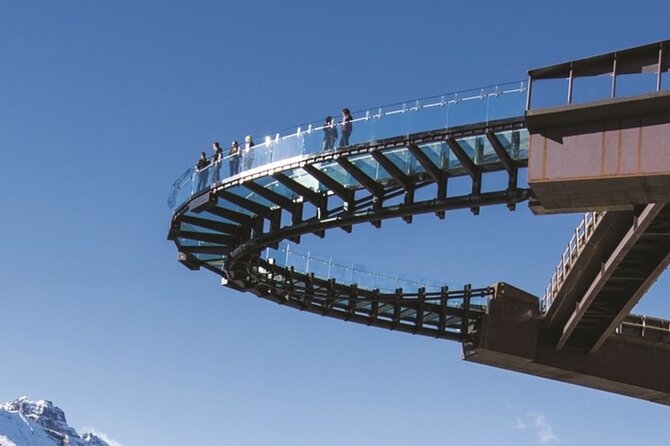
As the route shifts toward Jasper, the audio becomes more “walk-and-look.” You’ll hear about Takakkaw Falls and its Canadian claim to fame, plus “what to look for” moments for the peaks around you. There’s also a story about an overly dramatic naming origin for one of the lakes, which is a good reminder that these places aren’t just coordinates—they have colorful histories.
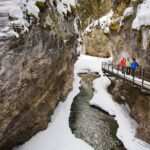
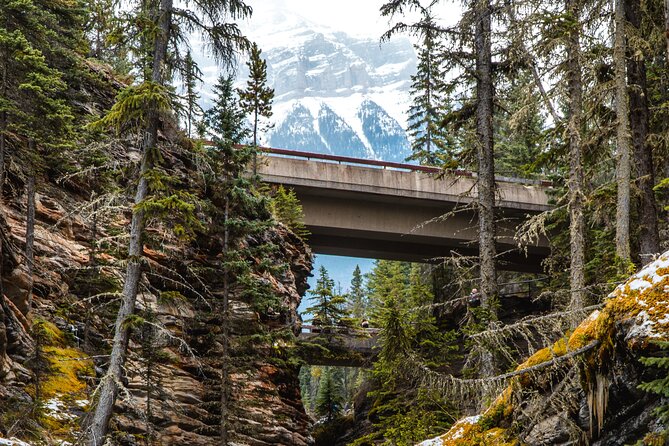
Canyons and unusual terrain get real attention too. You’ll hear about Mistaya Canyon and also about a canyon described as a slot canyon, which is the kind of feature that rewards getting out of the car and taking a short look at the shapes.
There are multiple peak-name segments, including Dolomite Peak (with an explanation for why it’s named), and other named formations such as Geraldine and two sharp mountain peaks. Even Mushrooms and chains show up in the narration, pointing you toward the local naming lore tied to what’s on the skyline.
If you’re curious about skiing culture in the region, the audio includes a short note about a local ski resort and the animal it was named after. And Jasper history gets a chance to appear too, including the super high, super long Skytram.
Some viewpoints are listed as recommended quick stops, and the audio gives you the reason to pull in. If you love efficiency—stopping only when it’s worth it—this kind of guidance is exactly what makes a self-guided trip feel thoughtful instead of scattered.
Pacing tips: how to stop without killing your day
This tour’s big advantage is also its biggest risk: because it’s self-paced, you can overdo it. The fix is simple. Pick your must-stop highlights first, then let the audio guide the rest.
Here’s a pacing approach that works well:
- Decide the two big stops you don’t want to skip.
- Use the audio prompts to add 1 to 3 more short pullouts.
- Save the longer trail moments for daylight and for when you’re not trying to beat a clock.
One trail called out in the narration is Sunset Pass, described as leading to a trail that is not for the average Sunday stroller. If you’re traveling with kids, older adults, or anyone who doesn’t love uneven ground, treat this as a “plan it, don’t just wander into it” moment.
Also, pay attention to how the tour suggests a trail can pair with a downloaded audio add-on. If you like that idea, you’ll enjoy the extra layering—view first, then walk with a soundtrack. If you don’t, you can ignore it and still get plenty from the main drive audio.
Finally, remember this is a road trip. Weather can change quickly in the Canadian Rockies, and parking can fill. Keeping the audio running while you drive helps you feel like the day is moving, even when you’re waiting for the right parking spot.
Who should book this audio driving tour?
I’d book it if you want:
- More meaning along the Icefields Parkway without the cost or hassle of a scheduled tour.
- A way to hit major sights—Icefields, Peyto Lake, Athabasca Falls—without relying on your phone’s signal.
- A road trip that stays fun for mixed ages, thanks to trivia tied to the views.
I might skip it if you strongly prefer a live guide who answers questions on the spot, or if you already have a detailed stop plan and you enjoy driving quietly with no narration at all.
It also fits well if you want flexibility. The tour runs between Jasper and Lake Louise in either direction, and you can take as long as you want. That’s a relief on a route where road conditions and wildlife sightings can stretch time in unpredictable ways.
Should you book it?
If your goal is a smooth, low-stress way to get the best stops along the Icefields Parkway, this is an easy yes. The offline design after download is the core advantage, and the GPS-triggered narration makes the drive feel guided without forcing you into a rigid schedule.
Book it when you can do the upfront download on reliable Wi-Fi, and when you’re willing to spend five minutes confirming your car audio setup. If you do that, the $9 per group price starts to feel like a bargain for how much it helps you notice, learn, and photograph along the way.
FAQ
How much does the Icefields Parkway smartphone audio driving tour cost?
It costs $9.00 per group, up to 15 people, and you need only one tour booking per vehicle.
How long is the tour?
The experience is listed at about 3 hours on average.
Do I need data or cell signal during the drive?
No. After the initial download, no data or signal is required for the tour to work.
Do I need mobile signal to download it?
Yes, you need a good mobile or WiFi connection for the initial download.
Will the tour work if I drive from Jasper to Lake Louise (or the reverse)?
Yes. The tour can run between Lake Louise and Jasper in either direction on Icefields Parkway 93, and the tour experience is the same.
How many audio points of interest are included?
The driving tour includes 45 audio points of interest.
What device do I need?
You’ll need your smartphone or tablet.
Is this tour family friendly?
Yes, it is described as easy to navigate and family friendly, with trivia questions along the route.
Is this a private experience?
Yes. It’s a private tour or activity, and only your group participates.
Are all recommended stops guaranteed to be open?
No. Some recommended attractions may be closed or inaccessible due to season or reasons beyond anyone’s control.