REVIEW · ALBERTA
Adrenaline Canyoning Tour
Book on Viator →Operated by Banff Canyoning · Bookable on Viator
Cold water and big thrills start fast. This adrenaline canyoning outing near Abraham Lake turns a hot Alberta day into guided action—small jumps you can often avoid, climbing bits, and rappels where technique matters. I like that the experience is led by skilled people who focus hard on safe canyoning fundamentals, not just hype.
The one thing to consider up front: once you’re descending, rappels are mandatory, and you should expect to be fully submerged, which includes feeling the cold for real. The good news is that you also get the kind of gear that helps you move comfortably, with a small group size that keeps the pace friendly.
In This Review
- Key things to know before you go
- Cold water, controlled chaos: what adrenaline canyoning is really like
- Meeting at David Thompson Resort and starting at 10:30
- Stop 1 at Abraham Lake: where the action starts
- Water features: jumps and slides you can trade for rappelling
- Stop 2 near Waterloo: why the second stretch matters
- Via ferrata ladders and upper-body strength: prepare for the climb-in
- What to bring: the footwear rule is strict for a reason
- Safety and skill coaching: why guides like Robyn, Jack, Matthieu, and Tanner matter
- Duration and pacing: what 6 hours feels like in real time
- Price and value: is $183.30 worth it?
- Who should book this adrenaline canyoning tour
- Quick fit check: age, waist size, and swimming
- Should you book it?
- FAQ
- How long is the adrenaline canyoning tour?
- Where is the meeting point, and what time does it start?
- What does the price include?
- What footwear is required?
- Do I need to know how to swim?
- Are jumps and slides mandatory?
- Do I need previous canyoning experience?
- What are the age and size limits?
- What if the weather is bad?
Key things to know before you go
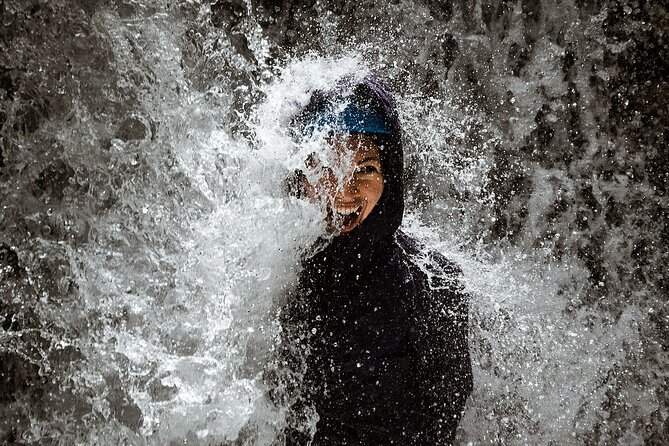
- Abraham Lake canyon time with a cool-down swim in calm water breaks up the adrenaline
- Technique-first guiding teaches secure movement and rappel control as you go
- Jumps and slides can be optional if you prefer to rappel instead, when the canyon offers them
- You may face via ferrata-style ladders to reach the canyon, so some upper-body strength helps
- All rappels happen once you’re in the descent section, so don’t plan on skipping the vertical parts
- Small groups max out at 12 which generally makes it easier to get coached and feel steady
Cold water, controlled chaos: what adrenaline canyoning is really like
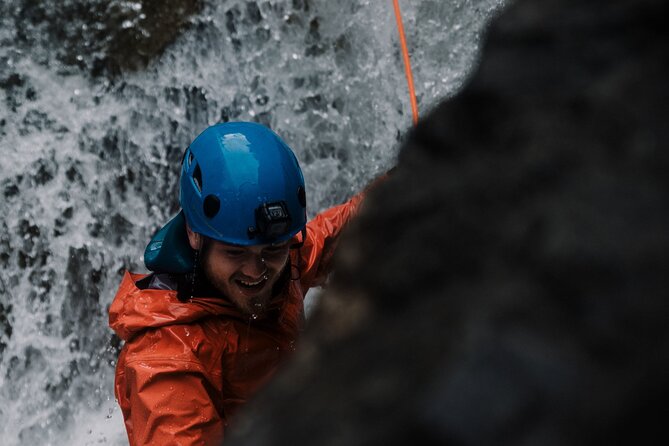
Adrenaline canyoning is one of those activities that looks scary from the bank, but works out because the guide keeps you moving step-by-step. You’re not just thrown into the canyon. You learn how to move your body around wet rock, how to trust your harness and helmet setup, and how to control your descent without panic.
This is aimed at people who are brand-new or only have a little experience, as long as you’re in decent physical shape. The goal is for you to finish the day feeling capable, not wrecked. That “capable” feeling comes from repetition: you’ll do several technique moments like bridging your body across openings, handling smaller water features, and then getting more comfortable before the larger rappels.
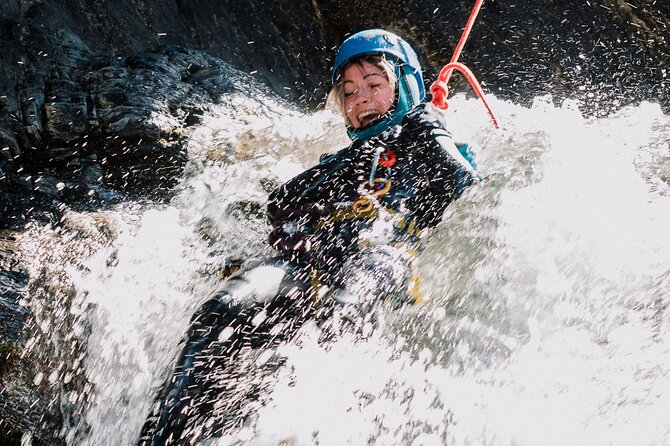
And yes, you’re going to get fully submerged. So if you’re thinking this is a dry-adventure photo shoot, it isn’t. You’ll be wet, you’ll be cold at times, and you’ll still need to listen and move with purpose. That’s also why the included gear matters so much.
You can also read our reviews of more tours and experiences in Alberta.

Meeting at David Thompson Resort and starting at 10:30
You meet at David Thompson Resort, 373007 AB-11, Cline River, AB (T0M 2H0). The tour starts at 10:30 am, and it returns to the same meeting point at the end.
That timing is useful for planning your day. You’re not doing an early-morning scramble at sunrise, but you’ll still have enough daylight for a full 6-hour adventure. For logistics, you’ll also get a mobile ticket, so you don’t have to hunt down printed paperwork right before you get in the van or car.
Group size is capped at 12 travelers, which affects the whole experience. Smaller groups tend to mean fewer delays at gear checks and more coaching time during the stiffer moments.
Stop 1 at Abraham Lake: where the action starts
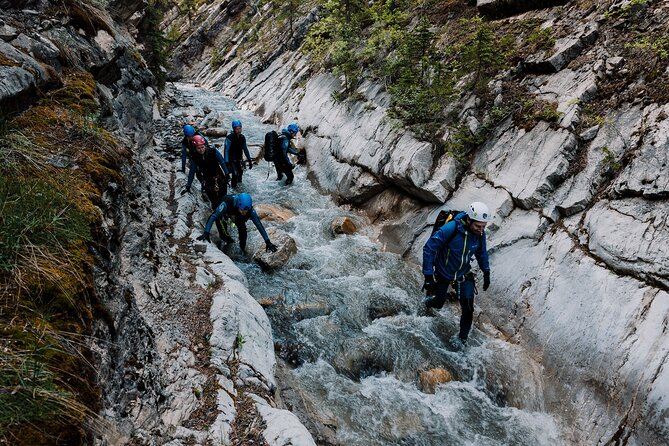
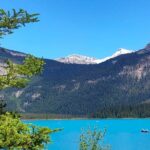
Abraham Lake is the headline for a reason. This is where the tour shifts from gearing up and learning basics into actual canyon movement—water features, technical passages, and that classic moment where you finally commit to the rappel.
Expect a mix of:
- climbing and scrambling to reach the next section
- water features that can include small slides or jump options
- rappels over obstacles that keep the adventure going
A cool detail from the tour style: there’s usually a moment where you cool down in calmer water. It’s not a spa break. It’s a controlled reset that helps you catch your breath, regroup, and prepare for the next vertical section.
If you’re the kind of person who likes a variety of skills—rather than doing one big thing over and over—Abraham Lake tends to deliver. You’re not only dropping down. You’re also moving across, through, and over wet rock with your guide’s direction.
Water features: jumps and slides you can trade for rappelling
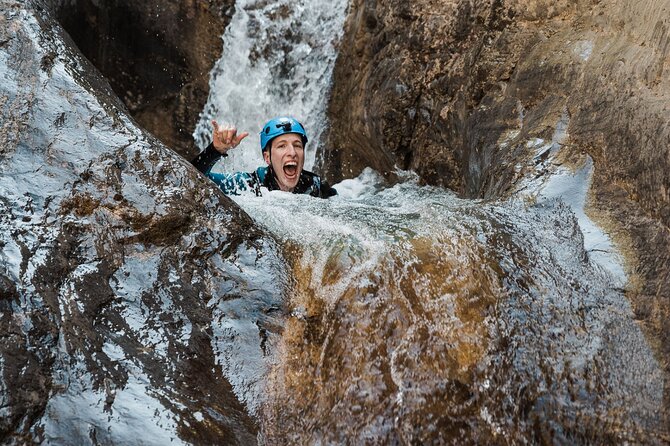
Here’s the practical part that I appreciate: the tour is designed so you’re not forced into every stunt.
If the canyon has jumps and slides, you can often avoid them by rappelling instead. That’s a big deal if you’re nervous about heights, water depth, or just want a steadier approach. The guide will help you choose the safer-feeling option while still keeping the route adventurous.
You should also be comfortable with heights. That doesn’t mean you need to love them. The tour can accommodate people who are less at ease and are looking for a challenge. The key is mindset: listen closely, do what you’re instructed to do, and keep your body moving with confidence.
Once descent begins, though, plan on the rappels. They’re not optional in the descent section. This is why it helps to treat the rappel training like the main event, not a chore you try to rush through.
Stop 2 near Waterloo: why the second stretch matters
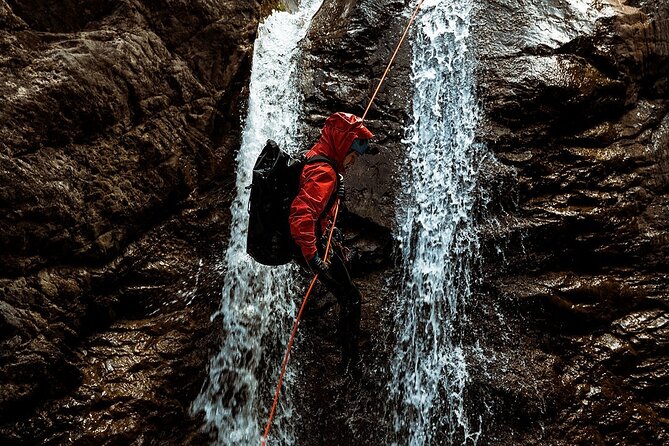
The tour continues after Abraham Lake with Stop 2 at Waterloo, and that second section is where the day usually feels like it’s gaining steam. By then, you’ve had time to:
- settle into the wetsuit and harness feel
- understand the guiding rhythm
- remember the safety steps you practiced earlier
A second canyon stop also helps balance the day. It’s easier to keep your head when you have a natural change in terrain and pacing. You’ll likely see more waterfalls or obstacles, and you’ll use the canyoning technique taught by the guide to pass them safely.
For many people, this is the “I get it now” part of the day. The first technical moments feel intense. After that, you start moving with less guesswork because you know how you should move your hands, feet, and body during the wet-rock sections.
Via ferrata ladders and upper-body strength: prepare for the climb-in
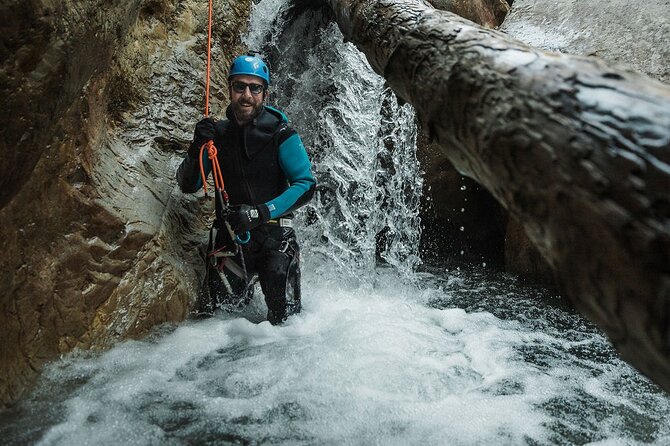
One detail that catches people by surprise is access. On this trip, you might need to climb via ferrata-style ladders to reach the canyon.
That’s not the main canyon challenge like rappels, but it’s still a real physical requirement. You need some upper-body strength to get yourself up safely and with control. If you’re strong only in legs, this part can feel much harder than you expect.
The upside is that your guide’s job is to keep everyone moving safely, and the day is planned around the group’s ability. But if you know you have limited upper-body strength, you should think about that before booking, not on the day.
What to bring: the footwear rule is strict for a reason
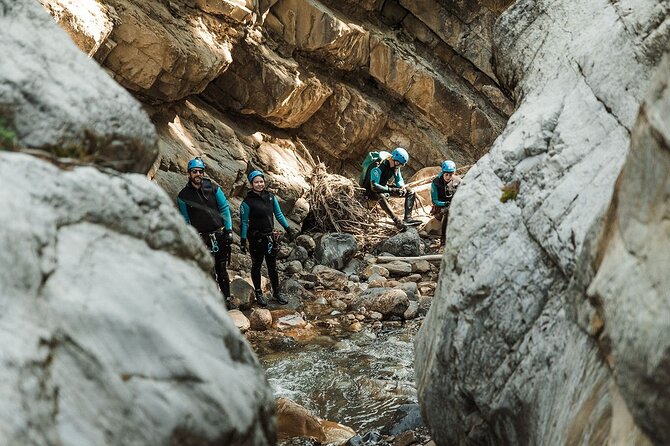
What’s included is a big part of your prep. You get a full wetsuit, helmet, and harness. That takes a lot of guesswork out of staying warm and protected.
What you need to bring is mainly about comfort and safe footing:
- Bathing suit and towel (for after the wetsuit comes off)
- Fully closed footwear that can get wet
- Running shoes or light hiking shoes that can get wet
And there’s a strict call-out: water shoes and Keen-style hiking sandals are not accepted. That means you shouldn’t plan on arriving with sandals and hoping it’s fine. Wet canyon floors are slick, and the tour is designed around secure foot coverage.
For your bag, think practical. You’ll want something dry to change into right after, plus a way to keep your warm layer from soaking up all the water you carried out of the canyon.
Safety and skill coaching: why guides like Robyn, Jack, Matthieu, and Tanner matter
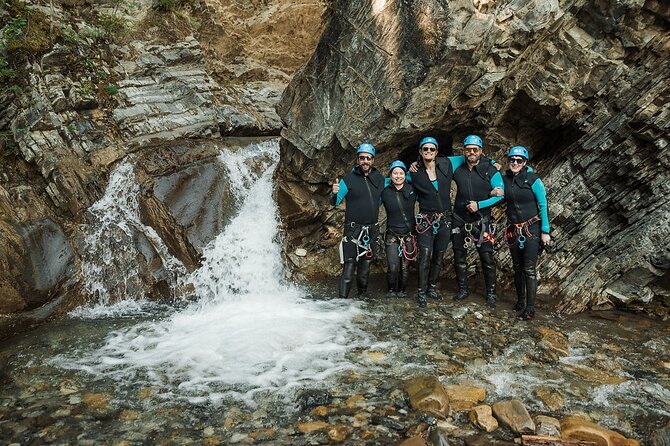
This tour works because the guide teaches you how to move, not just where to stand. In particular, the guides are described as:
- encouraging and safety-focused
- patient with first-timers
- quick to answer questions
- serious about technique
You might meet guides such as Robyn, Jack, Matthieu, or Tanner. The common thread in their approach is confidence-building: they help you feel comfortable with each step so the adrenaline stays fun instead of turning into stress.
I also like that the tour is flexible about planning. The canyon you do is usually decided the day before based on what fits the group best, which generally means you’re not stuck with a one-size-fits-all route.
Duration and pacing: what 6 hours feels like in real time
The experience runs about 6 hours, though it can vary depending on group size and the specific canyon route. That time window is long enough to feel like you actually did something, not just tried one rappel and called it a day.
Pacing usually goes like this:
- gear-up and safety coaching
- approach to the first action sections
- repeated movement through obstacles and water features
- multiple rappel segments as the route demands
- a cool-down moment in calm water
- finish back at the meeting point
Because the tour is built around technique and a guided route, the day doesn’t rely on you being fearless. It relies on you being attentive and willing to follow instructions while your body gets used to wet-rock movement.
Price and value: is $183.30 worth it?
At $183.30 per person for about 6 hours, you’re paying for the stuff that makes canyoning possible: professional guidance plus the core safety equipment (wetsuit, helmet, harness). You’re also getting a structured day that includes multiple water-feature moments rather than one short stunt.
What you’ll still pay for separately is the stuff you’d need anyway for outdoor activities:
- a swimsuit and towel
- your own wet-ready closed footwear
- a snack plan or lunch (you should bring one or plan to have lots of snacks and water)
So the real question is whether you want a guided, coached canyon day. If you do, this price starts to make sense fast because canyoning isn’t just “go stand somewhere and jump.” It’s safety systems, technique instruction, and a route that takes time.
Also, the fact that this is commonly booked far in advance (on average 198 days) hints at consistent demand. Popular doesn’t automatically mean best, but it often signals people come back for a reason.
Who should book this adrenaline canyoning tour
This trip fits best if you:
- are in good physical condition and handle several hours of active movement
- like heights enough to challenge yourself, even if you aren’t thrilled about them
- want to learn technique with a guide so you don’t have to guess
- are okay with being fully submerged
You don’t need previous canyoning experience. The guide teaches the rest, including how to handle obstacles with canyoning technique.
It’s less ideal if you:
- have trouble with upper-body strength, given the possible via ferrata ladders
- can’t handle wet conditions and cold water exposure
- want to avoid all rappels (because they’re mandatory once descent begins)
Quick fit check: age, waist size, and swimming
There are specific limits:
- minimum age 14
- maximum waist size 42
- the tour is for people with moderate physical fitness
On swimming: the tour can accommodate people who don’t know how to swim, but you need to give notice ahead of time. That’s important so the guide can prepare and manage safety appropriately for your situation.
Should you book it?
I think you should book this if you want a coached canyoning day at Abraham Lake with real action and real instruction. The biggest selling point is the combination of safe teaching and variety: climbs, rappels, water features, and even a calmer-water cool-down when the route allows it.
Skip it if you’re hoping for a mostly dry, low-intensity adventure, or if via ferrata ladder work and repeated mandatory rappels would make you feel unsafe rather than challenged.
If you’re on the fence, a practical move is to ask yourself one question: can I follow direction closely while wet and cold, and can I handle a few minutes of feeling exposed in a canyon? If the answer is yes, this tour is a strong match for an unforgettable Rockies-style active day.
FAQ
How long is the adrenaline canyoning tour?
It runs about 6 hours (approximately), depending on group size and the specific canyon route.
Where is the meeting point, and what time does it start?
You meet at David Thompson Resort, 373007 AB-11, Cline River, AB T0M 2H0, Canada, and the start time is 10:30 am. The tour ends back at the same meeting point.
What does the price include?
The tour includes a professional guide plus full wetsuit, helmet, and harness.
What footwear is required?
You need fully closed footwear such as running shoes or light hiking shoes that can get wet. Water shoes and Keen-style hiking sandals are not accepted.
Do I need to know how to swim?
You should be prepared to be fully submerged. People who don’t know how to swim can be accommodated, but you must provide notice.
Are jumps and slides mandatory?
Not necessarily. Jumps and slides can be avoided by rappelling instead when the canyon offers those features. All rappels are mandatory once you are descending the canyon.
Do I need previous canyoning experience?
No previous experience is required for the adrenaline-style tour. The guides teach techniques and tips during the adventure.
What are the age and size limits?
The minimum age is 14, and the maximum waist size is 42.
What if the weather is bad?
The experience requires good weather. If it’s canceled due to poor weather, you’ll be offered a different date or a full refund. You can also cancel up to 24 hours in advance for a full refund.