REVIEW · ALBERTA
Nikka Yuko Admission (Adults & Children)
Book on Viator →Operated by Nikka Yuko Japanese Garden · Bookable on Viator
That first quiet walk can change your whole mood. Nikka Yuko Japanese Garden in Alberta is a small, meaningful Japanese-Canadian space where tea moments and Minyo dance-style programming help kids stay engaged while adults slow down. My favorite part is how the cultural experiences feel built into the garden stroll, not tacked on like a separate museum stop. One drawback to plan for: it’s a garden where flowers are seasonal, so if you’re chasing nonstop blooms, some periods will feel more like rocks, paths, and pattern than a flower show.
I like the family setup here because you don’t have to herd anyone. The visit runs about 1 to 2 hours, and kids can follow along at their own pace with included activity books and crayons while you take in the views around Henderson Lake.
If you want the most guidance, schedule around the days with guided tours. Guided tours start Thursdays through Mondays, and the daily programming is seasonal, so check the day’s schedule if you can.
In This Review
- Key things to know before you go
- Japan-Canada Friendship, right in the Alberta prairies
- What’s included in your admission ticket (and why it matters)
- Your 1–2 hour plan: how the visit typically flows
- Tea Pavilion and exhibits: the cultural heart of the garden
- Performances on-site: Minyo dance, sake tastings, and seasonal programming
- Season matters: what to expect when flowers aren’t the main event
- Family value: why $8.91 can make sense
- Who should book this experience (and who might rethink it)
- Tips to make your visit smoother (without overthinking it)
- Should you book Nikka Yuko Japanese Garden kid-focused admission?
- FAQ
- What does the Nikka Yuko admission include?
- How long does the experience take?
- Are there kids’ activities included?
- What cultural experiences might I see during the visit?
- Is there food or drinks available on-site?
- Are there any rules like drones or smoking/vaping?
Key things to know before you go
- Small-group feel (max 10 travelers): easy pace and less rushing for families.
- Culture in motion: tea pavilion access, exhibits, plus on-site activities like tea ceremonies and sake tastings when offered.
- Kid-ready materials included: activity books and crayons help keep young kids busy during the stroll.
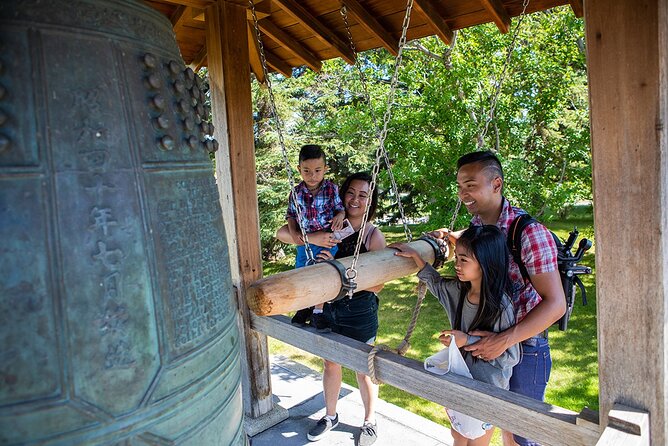
- Friendship Bell over Henderson Lake: ring it for a simple, memorable moment in a scenic setting.
- No drones, smoke- and vape-free grounds: a calm environment that protects the experience.
- Flowers aren’t year-round: apple blossoms in spring and peonies in July, with other seasons focused on structure and calm.
Japan-Canada Friendship, right in the Alberta prairies
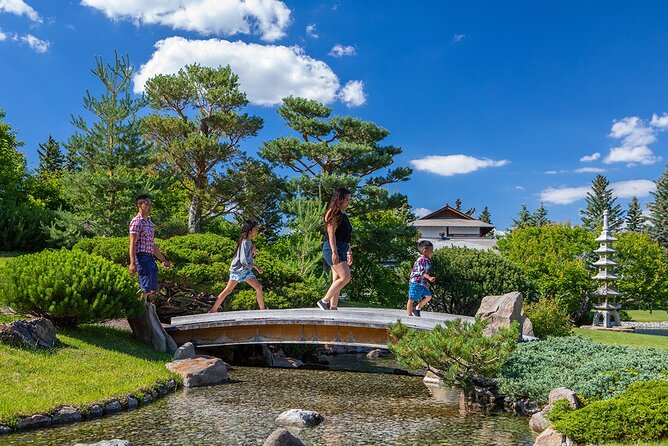
Nikka Yuko Japanese Garden sits in Southern Alberta like a calm pocket of Japan-Canada friendship. The name itself points to what the place is about: Japan–Canada connection, plus the real story of Japanese-Canadians in the area after the war and the hardships they faced.
What you’ll notice as you walk is that this garden isn’t trying to be flashy. It’s built for atmosphere—dry rock garden patterns, quiet corners, and a sense of space where you can actually hear yourself think (or hear kids whispering about what they’re drawing).
Henderson Lake is part of the visual rhythm here. One of the highlights is the chance to ring the Friendship Bell and send goodwill across that lake scenery—simple, but it lands because the surroundings are already peaceful.
Practical note: the garden is smoke and vape free, and drones are not permitted at any time inside the garden. If you’ve got a drone at home, you’ll want to leave it behind so you don’t lose time at the gate.
You can also read our reviews of more tours and experiences in Alberta.



What’s included in your admission ticket (and why it matters)
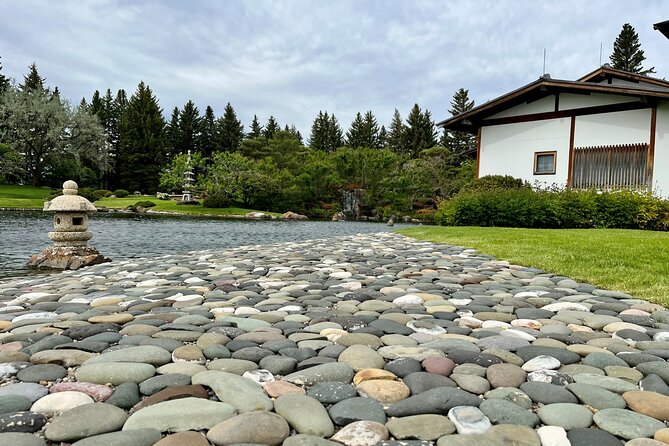
At $8.91 per person, this admission feels like good value because you’re not only paying for entry. You’re paying for access to daily programming, activities, and performances, plus the supporting spaces that make the cultural side feel real.
Here’s what’s included:
- Admission to Nikka Yuko
- Daily programming/activities/performances
- Access to the Tea Pavilion and current exhibits
- Guided tours (starting Thursdays through Mondays)
You can think of the Tea Pavilion as the “anchor” that turns the visit into more than just walking. Tea ceremonies and the chance to sip green tea are part of the experience style here, and the garden uses those pauses to pace your visit.
The on-site entertainment can include things like sake tastings and Minyo dance performances (offered as part of the seasonal programming). These aren’t random add-ons. They help you understand the garden as a living cultural space with traditions happening on-site.
One more value point: the tour has a maximum of 10 travelers. That smaller group size matters when you’re traveling with kids. You’re more likely to keep a comfortable pace and less likely to feel like the day is a conveyor belt.
Your 1–2 hour plan: how the visit typically flows
This experience is short by design—plan on about 1 to 2 hours from start to finish. That’s a sweet spot for families, because you can enjoy the garden without turning the outing into a half-day project.
Your main stop is the Nikka Yuko Japanese Garden itself, where you’ll do a blend of strolling, cultural moments, and performances during the day’s schedule.
A practical way to think about the flow:
- Start with orientation: you’ll learn what the garden means—its Japanese-Canadian roots and the post-war hardships it reflects.
- Stroll the paths slowly: you can sip green tea as you go, and you’ll find spaces where the dry rock garden invites quiet focus on patterns.
- Build in performance time: on-site programming can include live performances like Minyo dance, plus other seasonal cultural activities such as tea ceremonies and sake tastings (when offered that day).
- End with a memory moment: ring the Friendship Bell and take in the Henderson Lake views.
The nice part for families is that kids don’t have to “perform” or sit still for long stretches. Included activity books and crayons let them engage while you take in the garden at a calmer adult pace.
If you get hungry or want a warm drink, know what’s available: coffee and/or tea drinks and cookies can be purchased inside the Visitors Centre/gift shop. Snacks and drinks can also be purchased there. So you’re not going to starve mid-visit, but this is also not an all-inclusive meal stop—budget a little extra if your kids snack often.
Tea Pavilion and exhibits: the cultural heart of the garden
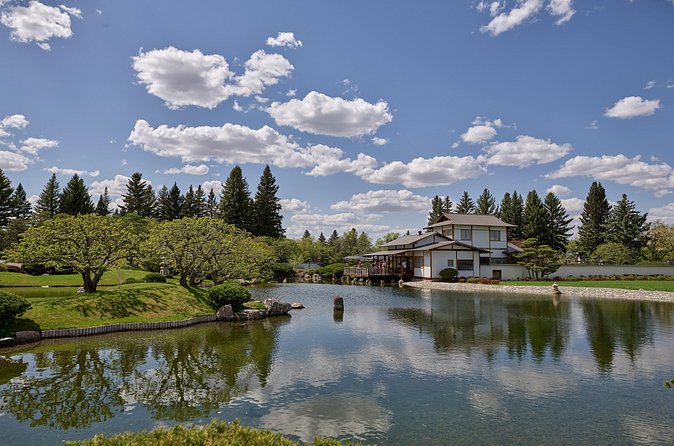
The Tea Pavilion experience is where the day feels most intentional. Access to the pavilion and current exhibits is included, so you’re not just walking through scenery—you’re getting context that makes the garden feel purposeful.
Tea ceremonies and tea moments fit into the garden pacing. Even if you don’t have a formal tea background, the experience tends to make the pauses feel like part of the culture, not a break from it.
And because there are current exhibits to visit, the Tea Pavilion helps you understand the garden beyond the visuals. You’ll be able to connect what you’re seeing outdoors—paths, rock patterns, serene viewpoints—to the human story behind the place.
This is also a smart stop for kids, because it gives them a “do this, then continue” structure. When you’re traveling with children, that structure often makes the difference between a pleasant outing and a stressful one.
Performances on-site: Minyo dance, sake tastings, and seasonal programming
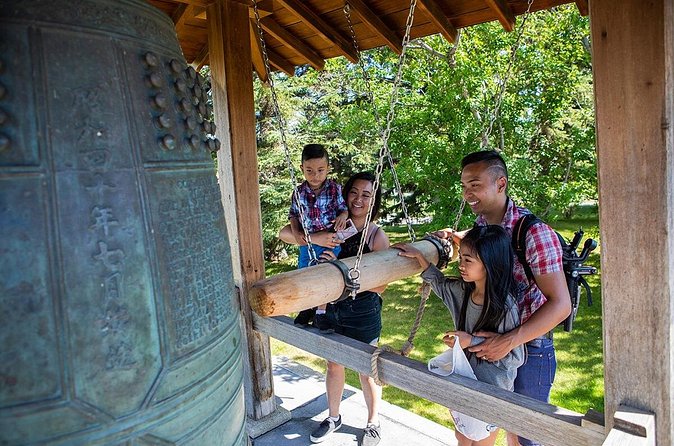
One reason people like Nikka Yuko is that it doesn’t treat culture as something static behind glass. The programming can include live performances and demonstrations throughout the summer season, and your ticket supports those daily activities.
Your day may include:
- Minyo dance performances
- Tea ceremony-style moments
- Sake tastings and/or Japanese beer tastings
- Seasonal exhibits and on-site activities
A helpful way to plan your mindset: think of this as a schedule-driven garden. You’ll get the best experience if you stay flexible. If one performance runs later than expected, you can still enjoy the garden while you wait—because the paths and scenic spots are part of the attraction.
Also, if your ideal day includes guided storytelling, aim for Thursdays through Mondays, when guided tours begin. If you go on a different day, you may still see daily programming, but you’ll want to rely more on the self-paced experience inside the grounds.




Season matters: what to expect when flowers aren’t the main event
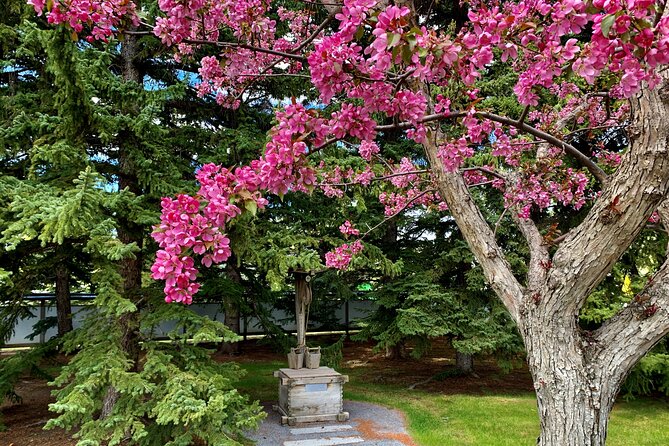
This is the big expectation check for Nikka Yuko. Japanese gardens don’t always work like flower parks.
You can find apple blossoms in spring and peonies in July, but there won’t be flowers year-round. Some seasons focus more on structure—dry rock garden design, careful patterning, and quiet spots that invite meditation and stillness.
If you’re hoping to photograph beds of blooms everywhere, you might feel disappointed in off-season months. If, instead, you enjoy a calmer style—rocks, water views, and visual rhythm—then the garden’s approach makes sense fast.
That’s also where the garden’s value shows up. It’s not about maximum flower quantity. It’s about atmosphere and meaning, plus the cultural programming that brings movement and sound into the setting.
Family value: why $8.91 can make sense
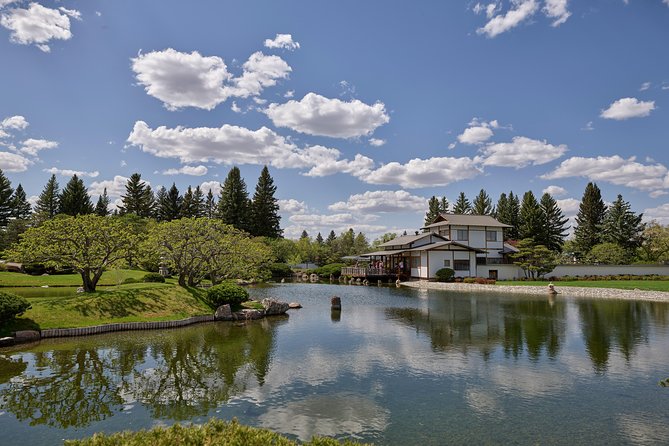
At $8.91 per person, the question isn’t whether it’s cheap—it’s whether it’s worth what you’ll actually do. Here, your ticket covers more than entry.
You’re getting:
- Admission plus daily programming/activities/performances
- Tea Pavilion access and current exhibits
- Guided tours on certain days
- Kids’ activity books and crayons
That bundle makes it easier for families to justify the stop, because you’re not just paying for time in a garden. You’re paying for a short cultural outing with built-in kid engagement and on-site entertainment.
Also, because the group size is capped at 10 travelers, the experience doesn’t feel like a crowded squeeze. That matters a lot when your kids have their own pace.
Who should book this experience (and who might rethink it)
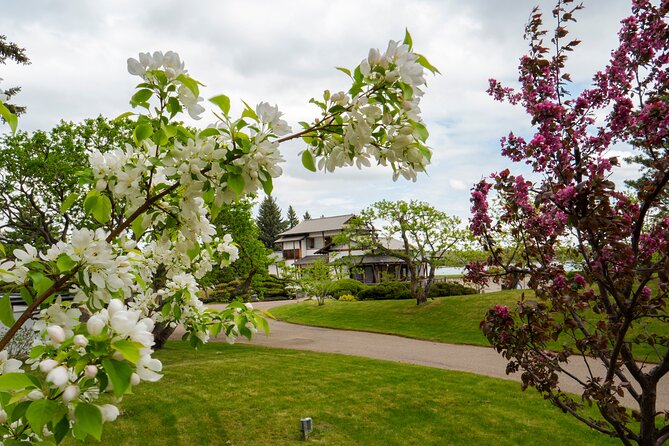
I’d book Nikka Yuko Japanese Garden admission for families who want a calm, culture-forward outing that doesn’t require advanced planning. It’s especially good if your kids do better with guided structure like activity sheets and if you want a day that includes performances, not just scenery.
It’s also a strong fit for adults who enjoy:
- Tea culture moments
- Traditional-style gardens and their design approach
- Light, family-friendly entertainment like Minyo dance performances
You might pause before booking if you’re expecting a large, nonstop flower display. The garden’s seasonal blooming schedule means some visits will look more like patterns and rock design than a yard of blossoms.
And if you’re traveling with someone who needs a very fast pace, this may also feel too slow. This isn’t a sprint-through attraction. It’s meant for wandering, pausing, and letting the day breathe.
Tips to make your visit smoother (without overthinking it)
Keep your expectations aligned with the garden style. When flowers are not the main feature, your best photos and most satisfying moments come from the design details and the calm viewpoints.
Plan to be there during the times when you can catch programming. Since performances and activities are part of the daily schedule, being flexible with timing inside your 1 to 2 hour window helps.
For families, let the kids lead the pacing a bit. The included activity books and crayons work best when you don’t treat them like homework. Give them freedom to draw what they notice—paths, shapes, rock patterns, or the lake views.
And one more practical point: since refreshments are purchased inside the Visitors Centre/gift shop, it helps to know that you’ll be making small purchases if you want snacks or drinks.
Should you book Nikka Yuko Japanese Garden kid-focused admission?
If you want a short, family-friendly cultural stop with included tea pavilion access, on-site performances, and kid activities, I think this is an easy yes. The price is low enough to feel reasonable, and the ticket covers more than garden entry—it supports the programming that makes the place feel alive.
Book it if your kids like simple tasks like drawing, and if you’d enjoy a garden visit that balances quiet walking with live cultural moments like Minyo dance and tea experiences.
Skip or reconsider if your main goal is a garden full of flowers in every season. Nikka Yuko is designed for more than blooms, and the off-season look is part of its intention.
FAQ
What does the Nikka Yuko admission include?
Your ticket includes admission to Nikka Yuko, daily programming/activities/performances, access to the Tea Pavilion & current exhibits, and guided tours starting Thursdays through Mondays.
How long does the experience take?
Expect about 1 to 2 hours.
Are there kids’ activities included?
Yes. Activity books and crayons are included to help keep kids engaged during the garden visit.
What cultural experiences might I see during the visit?
The garden’s on-site programming can include tea ceremonies, sake tastings, and Minyo dance shows, depending on what’s running during your visit.
Is there food or drinks available on-site?
Coffee and/or tea drinks and cookies are available for purchase inside the Visitors Centre/gift shop. Snacks, drinks, and cookies are also available for purchase there.
Are there any rules like drones or smoking/vaping?
Yes. The garden is smoke and vape free, and drones are not permitted at any time inside the garden. Service animals are allowed, and the garden is near public transportation.