REVIEW · BANFF
Banff OR Moraine Lake: Night Tour with possible Stargazing
Book on GetYourGuide →Operated by Canmore Travel · Bookable on GetYourGuide
Banff at night turns the whole trip dial down, then back up. I love the idea of being taken out of town to a secret dark spot with minimal light pollution, so you can actually see the sky do its thing. On the Classic Banff option, guides like Yanik and Sebastian help you settle in fast, then focus on the sky, not the stress of doing it on your own.
Two things I really like: you get a telescope for up-close views (people have spotted planets like Saturn), and you also get a genuinely cozy setup with blankets, hot chocolate or tea, and comfortable seating. The one drawback to plan around is that stars and the Northern Lights are not guaranteed, because the tour runs in changing mountain weather and you may get cloud cover.
In This Review
- Key takeaways before you go
- Why this Banff night tour feels different than doing it solo
- Pickup, timing, and how long you actually get under the stars
- The secret dark spot setup: chairs, blankets, headlamps, and hot drinks
- Telescope time: seeing planets and learning what you’re looking at
- Classic Banff at night vs Moraine Lake after dark: what changes for you
- Classic Banff Night Adventure (about 2.5–3.5 hours)
- Moraine Lake Night Adventure (about 4.5–5.5 hours, June to mid-October)
- Weather odds in the Rockies: what to expect when skies change
- What the tour feels like on the ground (and why that comfort wins)
- Price and value: is $108 a good deal for Banff at night?
- Who should book this tour, and who should skip it
- Quick book-or-skip advice
- FAQ
- How long is the tour?
- Where do you get picked up and dropped off?
- Is this a hiking tour?
- Does the tour include a telescope?
- Are the Northern Lights guaranteed?
- What weather should I expect?
- What should I bring?
- Is there anything you cannot do during the tour?
- Is the Banff National Park pass included?
Key takeaways before you go
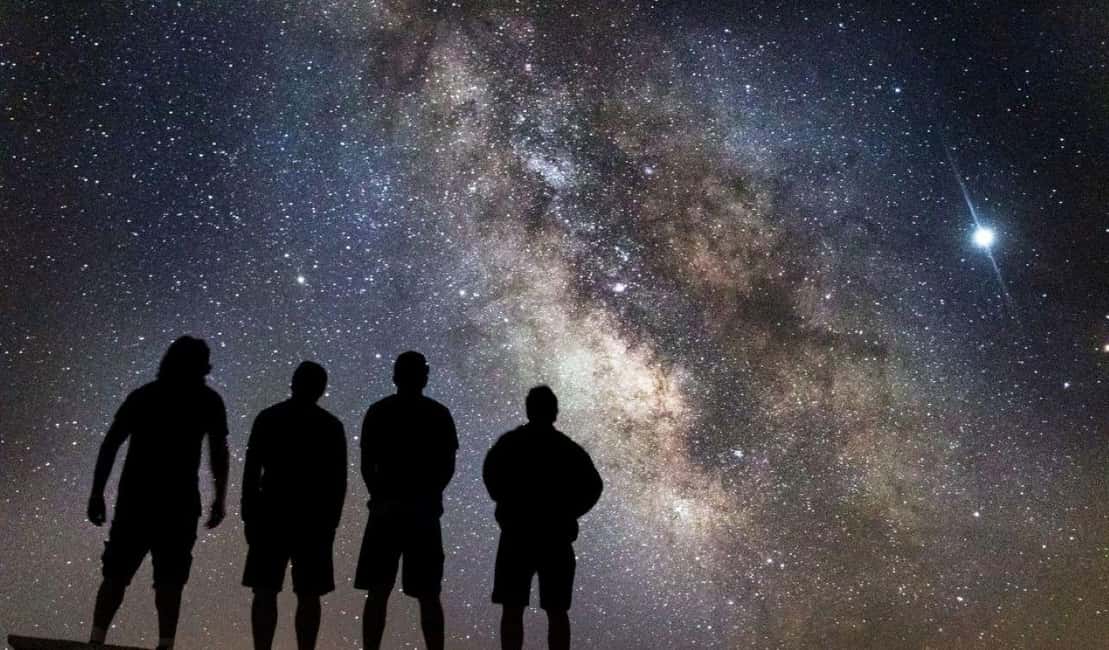
- Secret dark-spot locations: far from town lights, so your sky photos have a better shot
- Telescope included: not just a quick look, but time to study what you’re seeing
- Warm comfort matters: chairs or inflatable loungers plus blankets and hot drinks
- Guides help with your photos: people receive help adjusting camera settings for night shots
- Moraine Lake option has stairs: it is not a hike, but you still need grippy footwear
- Aurora chasing is a possibility: but not something you can count on
Why this Banff night tour feels different than doing it solo
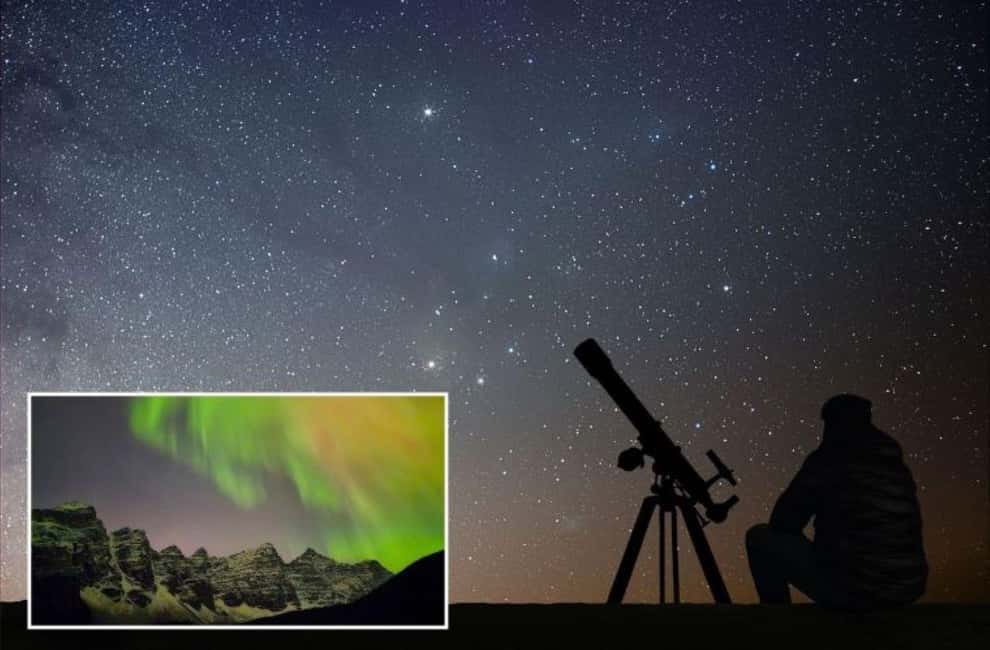
The Canadian Rockies look dramatic in daylight. At night, they get quietly powerful. What makes this tour worth your time is that it’s built for night conditions, not daylight tourists pretending they know astronomy.
You start with hotel pickup (either Canmore or Banff). Then you’re driven into Banff National Park areas away from the bright glow that flattens the stars. Once you reach the viewing spot, the team sets up a comfortable base for you so you can spend your energy on the sky.
Even better: the vibe is social and practical. People talk, laugh, and trade little photography tips. You’re not expected to march around in the dark. In fact, this is explicitly not a hiking tour. You’ll do some walking, but the experience is mostly about settling in and watching.
The guides bring real momentum to the night. In the best moments, someone points up, you look, and suddenly you’re not just seeing stars. You’re seeing patterns, planets, and the way the sky moves. That’s the difference between staring and learning.
You can also read our reviews of more evening experiences in Banff
Pickup, timing, and how long you actually get under the stars
You’re looking at about 3 hours total for the Classic Banff night option, and about 4.5 to 5.5 hours for the Moraine Lake night option. Both include roughly two hours under the night sky. The rest is mainly transit and set-up.
Departure times vary by season, and pickups in Canmore happen at the start of the tour. Banff pickups are about 30 minutes after the Canmore departure time. The driver/guide might arrive a bit earlier or later due to traffic and multiple stops, so the smartest move is to be ready about 10 minutes before pickup.
Why that matters: if you’ve ever tried to rush to a viewpoint in the dark, you know the real enemy is timing. Here, the tour handles navigation and positioning for you. That lets you arrive calm, not frazzled.
The secret dark spot setup: chairs, blankets, headlamps, and hot drinks
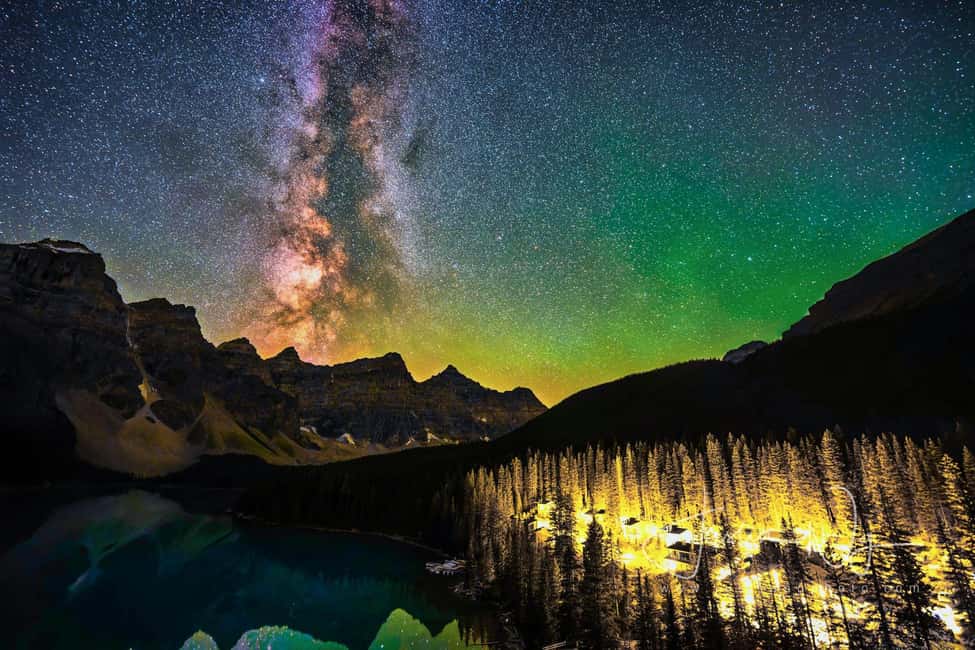
Here’s the practical magic: the tour gives you a place to sit that’s warm, stable, and built for long staring sessions.
When you get to the viewing area, the team provides:
- Cozy blankets
- Hot chocolate or tea
- Chairs or inflatable portable loungers
- Headlamps so you can move around safely without killing your night vision
This comfort setup is a big deal in winter or shoulder seasons, because cold turns a fun plan into a bad memory fast. I like that they treat comfort as part of the experience, not an afterthought.
For winter tours, you may also use cleats for traction, which is exactly the kind of small detail that keeps your evening smooth. You’re not out there trying to balance on ice while also framing photos.
And yes, there’s a surprise activity. You don’t get to plan it, which is part of the fun. One person described an extra special drinks moment like bengal tea during their night, and others recalled shooting-star style moments. The common thread is that the night isn’t only about silent staring.
Telescope time: seeing planets and learning what you’re looking at
The telescope is the headline. But what really makes it work is that the guides help you use it, not just point and shrug.
You’ll get time to look at bright celestial objects, and people have specifically mentioned spotting Saturn through the telescope, along with views of other sky targets. That’s huge for first-timers. Without a telescope, many of these things are either invisible or just a blurry question mark.
The guides also help with the human part of night photography. Multiple guests praised how patient the team was when helping them figure out camera settings for night skies. If you’ve struggled with exposure, focusing, or simply keeping your camera steady while freezing, this kind of support can turn frustration into usable shots.
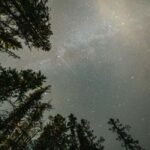
Even when aurora doesn’t show, the sky can still be spectacular. People have mentioned seeing the Milky Way and having stars look extremely clear. So the telescope isn’t only a backup plan. It’s a core part of what you paid for.
Classic Banff at night vs Moraine Lake after dark: what changes for you
Both options follow the same core idea: pickup, drive to a darker spot, and about two hours under the sky with seating, blankets, and a telescope.
But the differences matter for your comfort and expectations.
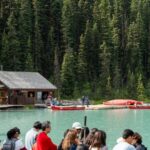
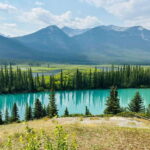
Classic Banff Night Adventure (about 2.5–3.5 hours)
This option is the best fit if you want the night sky experience with the least complication. You’ll be in Banff National Park and guided on the ground with a comfortable base for stargazing.
This also tends to be the simpler choice if:
- you’re traveling with tight schedules
- you want an easy evening that still feels special
- you don’t want extra stairs or complicated footing
Moraine Lake Night Adventure (about 4.5–5.5 hours, June to mid-October)
The Moraine Lake option adds two things:
- Season window: it runs only from June to mid October
- More time and more effort: it includes stairs, so comfortable footwear matters
Even though it’s still not described as a hiking tour, the stairs are a real consideration. If you have knee issues or you hate stepping down into uneven ground, that’s something to think about before booking.
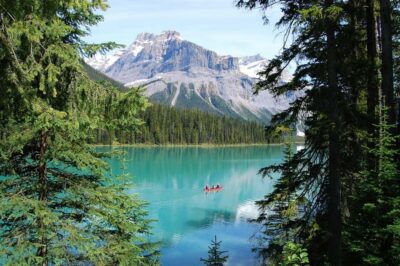
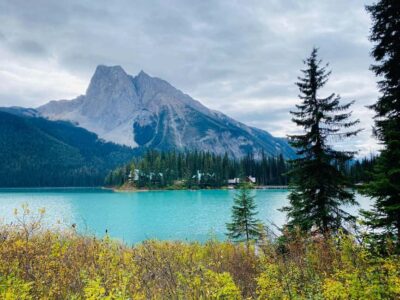
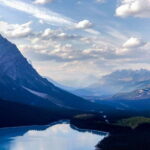
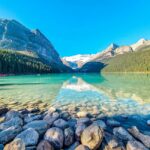
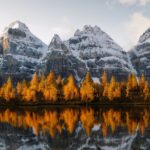
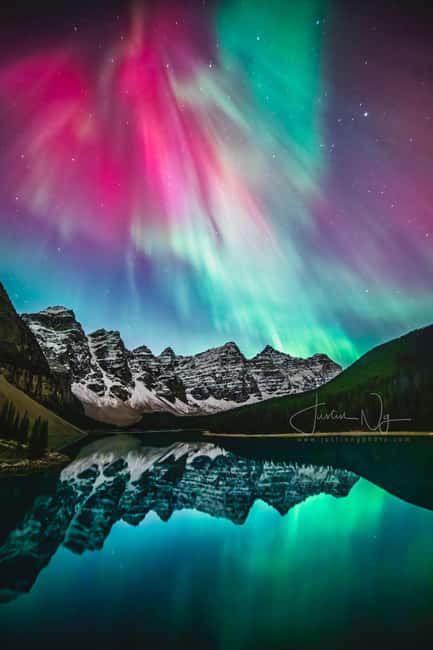
Why people love it: the chance to be near one of the Rockies’ most famous lake views while the world goes quiet at night. Some evenings include aurora activity on the horizon, and the tour is positioned for possible stargazing and aurora chasing.
Weather odds in the Rockies: what to expect when skies change
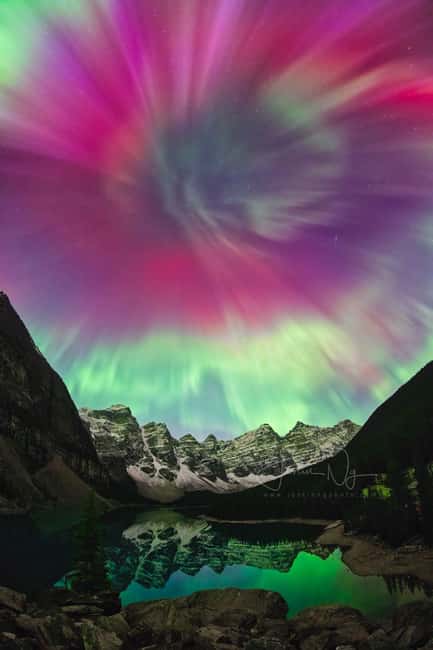
This is where you need a realistic mindset. The tour runs under a range of conditions: clear skies, partly cloudy, mainly cloudy, cloudy, and even light snow. That’s also why the tour experience can be magical in more ways than one.
Still, here’s the truth: stars and Northern Lights sightings are not guaranteed. Even on clear-looking days, clouds can roll in. That’s normal mountain behavior.
If rain or heavy snow shows up, you can typically choose to reschedule or receive a full refund. Cancellations depend on forecasts including temperature, wind chill, and rain or heavy snow outlooks. You may hear about changes in the morning, because mountain weather shifts fast.
Practical tip: treat this as a night-sky experience first, aurora-chasing second. If you go in expecting two outcomes and one of them is luck, you’ll enjoy it more.
What the tour feels like on the ground (and why that comfort wins)
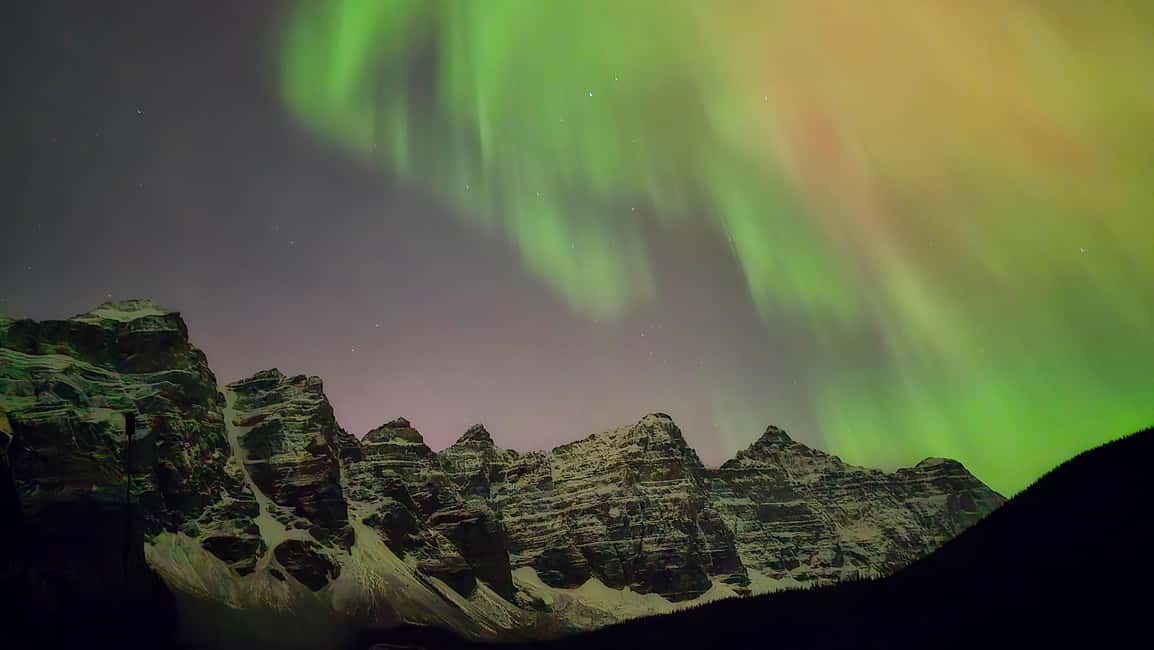
The best evenings have a rhythm:
- you arrive to a warm base with blankets ready
- you look up without rushing
- you get telescope time
- you share the moment with the group
- you warm up again between photo checks
Guests often highlight that guides are friendly, prepared, and patient, especially when helping people with cameras. That helps you feel confident, even if you’re not an astronomy person.
Another detail I appreciate: headlamps let you navigate safely around the viewing base without turning the whole area into a bright-lit mess. Your eyes stay adjusted to the dark longer.
And when aurora does happen, it can feel like the whole setup was designed for that moment. But even when it doesn’t, shooting star sightings and clear constellations can still make the night feel like a win.
Price and value: is $108 a good deal for Banff at night?
At $108 per person for the Classic-style duration, you’re paying for three things that are hard to DIY:
- Transportation from Canmore/Banff to low-light areas
- Guides who manage night logistics and help interpret the sky
- Equipment and comfort (telescope, blankets, loungers, headlamps, hot drinks)
Add in the fact that you’re not just “going somewhere.” You’re getting about two hours under the sky with a setup that’s designed for cold and darkness. When you compare that to renting a telescope and driving yourself while timing your arrival and managing winter conditions, the value starts to make sense fast.
For Moraine Lake night tours, you also have added elements like access fees and the extra time and stairs. That’s typically reflected in the longer duration, not just the sticker price.
If you want the night sky without turning it into a planning project, this is where the cost turns into value.
Who should book this tour, and who should skip it
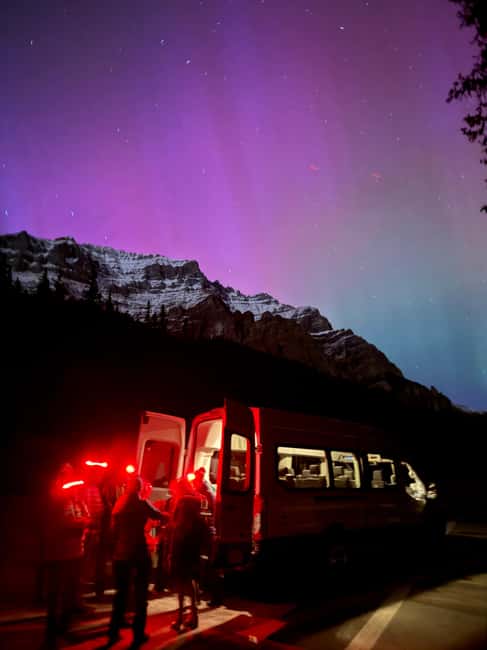
This is a strong match if you:
- want stargazing with structure (not just a random viewpoint)
- care about night photography basics and want help
- hate the idea of driving in the dark and finding a good spot alone
- want comfort and warmth as part of the plan
It might be a weak match if you:
- don’t handle cold well (the tour emphasizes warm clothing, and it’s outdoors)
- need a fully flat, low-movement experience (there’s some walking; Moraine Lake includes stairs)
- are traveling with young kids (it’s not suitable for children under 8)
Also, if you’re the type who needs guaranteed Northern Lights, this isn’t the right bet. The tour is built for the night sky either way.
Quick book-or-skip advice
If you want an easy evening with pickup, a telescope, and a cozy setup in the Rockies, I’d book this. It’s especially worth it if you’re new to night sky photography or you don’t want to gamble on finding the right spot and managing the cold.
If you’re booking mainly for aurora, keep expectations flexible. Even the best nights depend on cloud cover and solar activity, and this tour is honest about that. Go for the stars first, and you’re much more likely to leave happy.
FAQ
How long is the tour?
The Classic Banff night option runs about 2.5–3.5 hours, and the Moraine Lake night option runs about 4.5–5.5 hours, depending on pickup location. Both include about two hours under the night sky.
Where do you get picked up and dropped off?
Pickup and drop-off options include Canmore and Banff.
Is this a hiking tour?
No. It is not a hiking tour, though there is some walking involved. The Moraine Lake option includes stairs, so comfortable footwear matters.
Does the tour include a telescope?
Yes. You get use of a telescope for closer looks at objects in the night sky.
Are the Northern Lights guaranteed?
No. Northern Lights and stars are not guaranteed, since sightings depend on weather and sky conditions.
What weather should I expect?
The tour runs in a range of conditions including clear skies, partly cloudy skies, mainly cloudy, cloudy, and light snow. If weather is too rough (like rain or heavy snow), rescheduling or a full refund may be offered.
What should I bring?
Bring warm clothing such as a jacket, gloves, hat, scarf, warm shoes, and thermal layers. A windbreaker can help too. You’ll also sign a waiver.
Is there anything you cannot do during the tour?
You cannot bring intoxication, smoking in the vehicle, alcohol or drugs, or alcoholic drinks in the vehicle.
Is the Banff National Park pass included?
No. Banff National Park passes are not included. Moraine Lake access fees are included on the Moraine Lake night adventure.