REVIEW · BANFF
Banff: Guided Sunset and Stargazing Tour
Book on GetYourGuide →Operated by Banff & Canmore Tours · Bookable on GetYourGuide
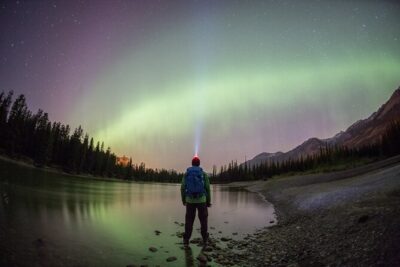
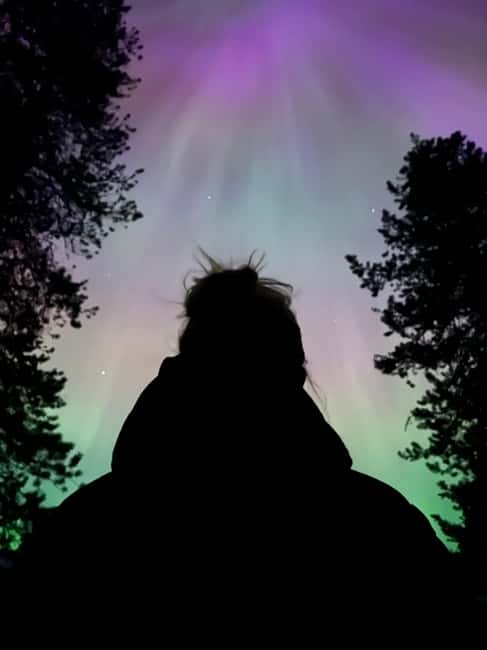
Banff at night turns the volume down. This guided sunset walk in Banff National Park gets you out on the trails as the first stars appear, with headlamps and a guide who helps you read the sky. You’re also hunting for Northern Lights and the kind of shooting-star moments that are hard to catch on your own.
What I like most is how the tour blends easy hiking with real night-sky learning. You’ll spend time on the trail as the sky darkens, and the guide points out constellations and shares stories that make the stars feel less random.
One drawback to consider: this is a night activity with weather limits. If there’s heavy cloud cover, the tour won’t run and you’ll be refunded, and a bright moon can also cut down what you’ll clearly see.
In This Review
- Key Things That Make This Tour Worth Your Time
- Why This Banff Sunset and Stargazing Tour Feels Different
- Meeting at 309 Cave Ave: Easy Start, Real Outdoors Fast
- The 5 km / 3.5 Mile Night Hike: What the Trail Really Means
- Chasing Northern Lights and Shooting Stars (Without Overpromising)
- Wildlife After Dark: Lantern Light, Bear Safety, and Staying Present
- Guides Who Turn the Sky Into Something You Can Name
- What You Need to Bring (And What the Tour Covers)
- Price and Value: Is $66 Reasonable for Banff Nights?
- Who Should Book This Tour, and Who Should Skip It
- Should You Book It? My Take
- FAQ
- How long is the Banff guided sunset and stargazing tour?
- Where do I meet for the tour?
- Is food or drinks included?
- What should I bring?
- Are pets allowed?
- Does the tour provide headlamps and traction help?
- What happens if the sky is cloudy?
- Is Northern Lights guaranteed?
Key Things That Make This Tour Worth Your Time
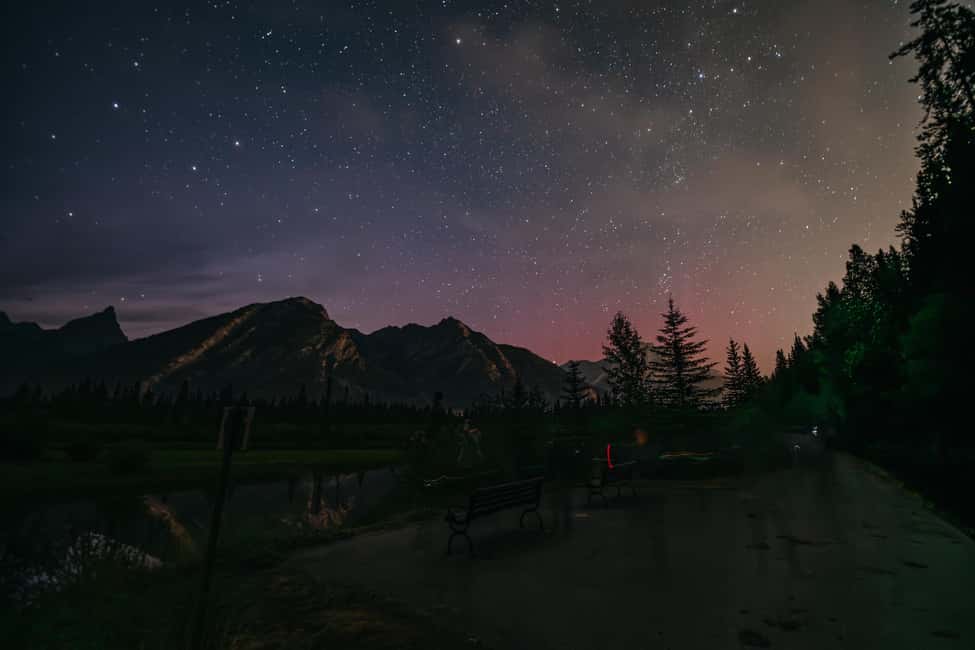
- A sunset-to-stargazing timeline: You’re walking while the sky changes, not just arriving for a quick star look.
- Aurora spotting without the guessing game: You keep your eyes up for Northern Lights and shooting stars.
- Nocturnal wildlife chances: Headlamps and lantern light help you notice what’s active after dark.
- Guides with safety gear: All guides carry bear spray and safety equipment, and they manage group pacing.
- Trail length that’s manageable: The hike is about 5 km / 3.5 miles, with many portions described as paved or boardwalk.
- Extra traction when winter hits: Ice cleats are included when required.
Why This Banff Sunset and Stargazing Tour Feels Different
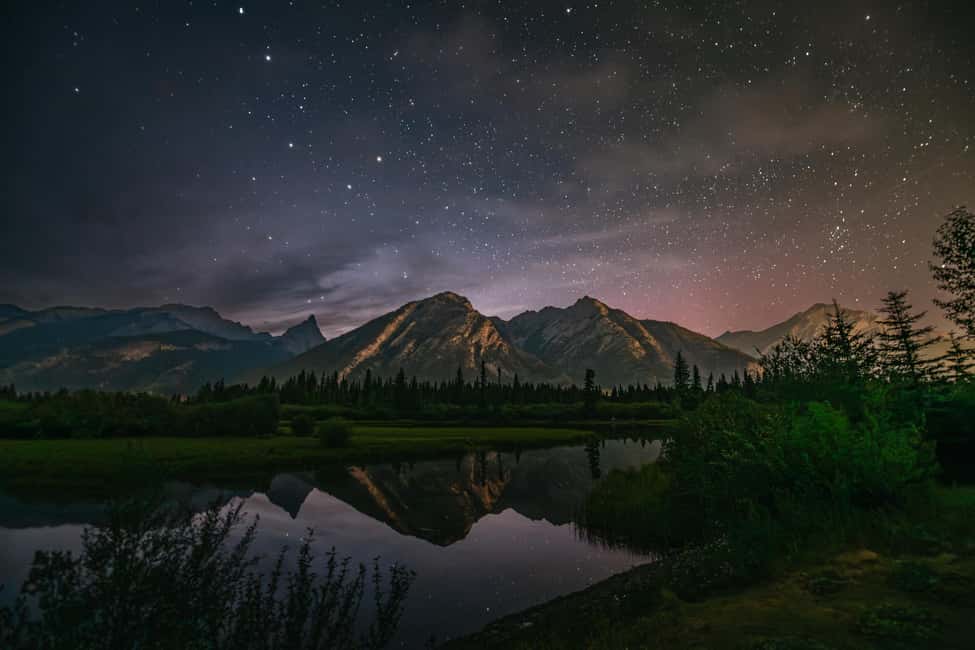
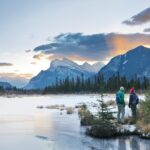
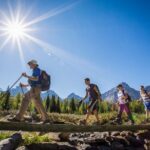
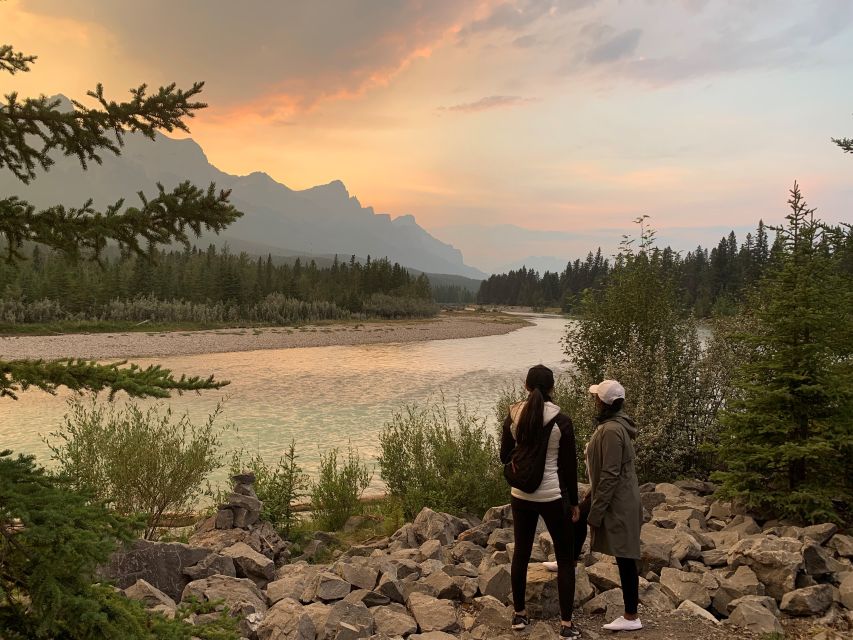
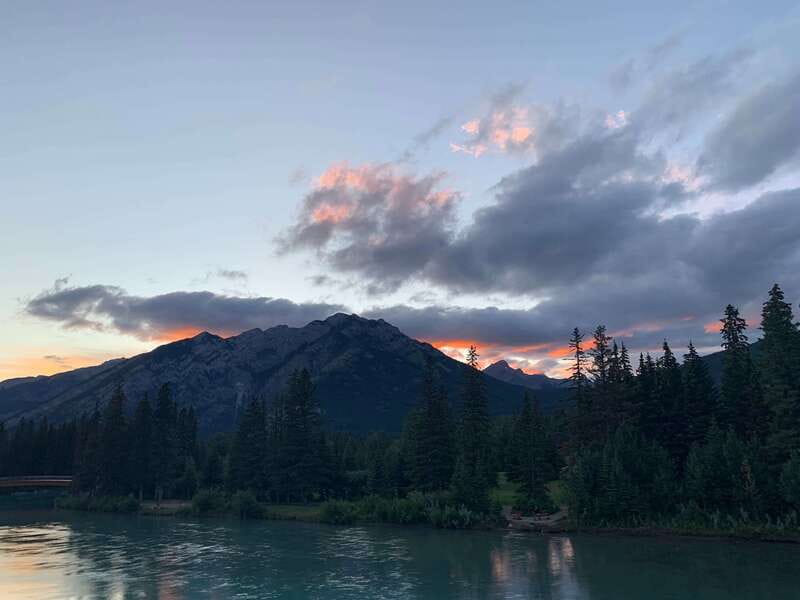
Most Banff tours stop at a viewpoint. This one keeps moving. The fun is the transition: that slow shift from mountain sunset colors to a darker sky where stars start popping out one by one.
For me, the best part is that the night sky is treated like something you can actually understand. Guides on these tours (you may see names like Kale, Jacob, Ben, and Ewan across different dates) don’t just say look up. They point things out, share what to watch for, and help you notice details you’d miss in the dark.
And the price point matters here. At $66 for 2 hours, you’re buying guidance, safety, and equipment like headlamps and optional ice cleats, not just a walk.
You can also read our reviews of more guided tours in Banff
Meeting at 309 Cave Ave: Easy Start, Real Outdoors Fast
You meet outside the Welcome Building at the Cave and Basin National Historic Site Parking Lot. It’s a large parking area with free parking, and the address you’ll see is 309 Cave Ave.
The check-in is simple: show your voucher to the guide, who’s holding a clipboard. There’s no scavenger hunt. Once you’re in the group, the tone is practical and calm, with guides managing pacing so people stay together through the dimming light.
Tip: arrive a few minutes early. Night hikes feel longer when you’re stressing about where everyone is.
The 5 km / 3.5 Mile Night Hike: What the Trail Really Means
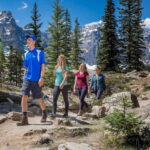
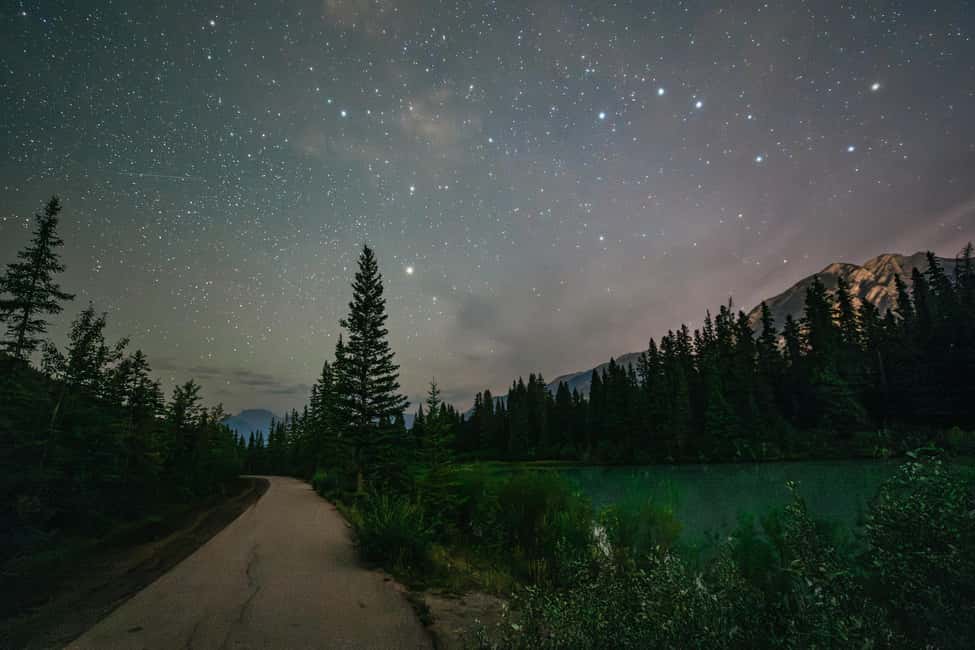
The tour covers about 5 km / 3.5 miles and lasts 2 hours total. In real terms, that’s a solid evening walk—not a sprint, not a long backcountry trek.
A lot of guests describe the route as mostly paved and flat, sometimes with boardwalk sections and a mix of dirt paths. There are also longer stops along the way (some people mention benches at those pauses), which helps the experience feel like a sequence of moments instead of one continuous dark blur.
What to expect as the sun drops:
- You start with the last light and mountain views.
- As it gets darker, headlamps help you keep footing.
- You pause for stargazing when the sky settles enough to show constellations clearly.
Possible consideration: it’s not a zero-effort walk. You should be comfortable hiking in the dark and handling uneven patches. Also, the tour is not suited for certain health situations (more on that later).
Chasing Northern Lights and Shooting Stars (Without Overpromising)
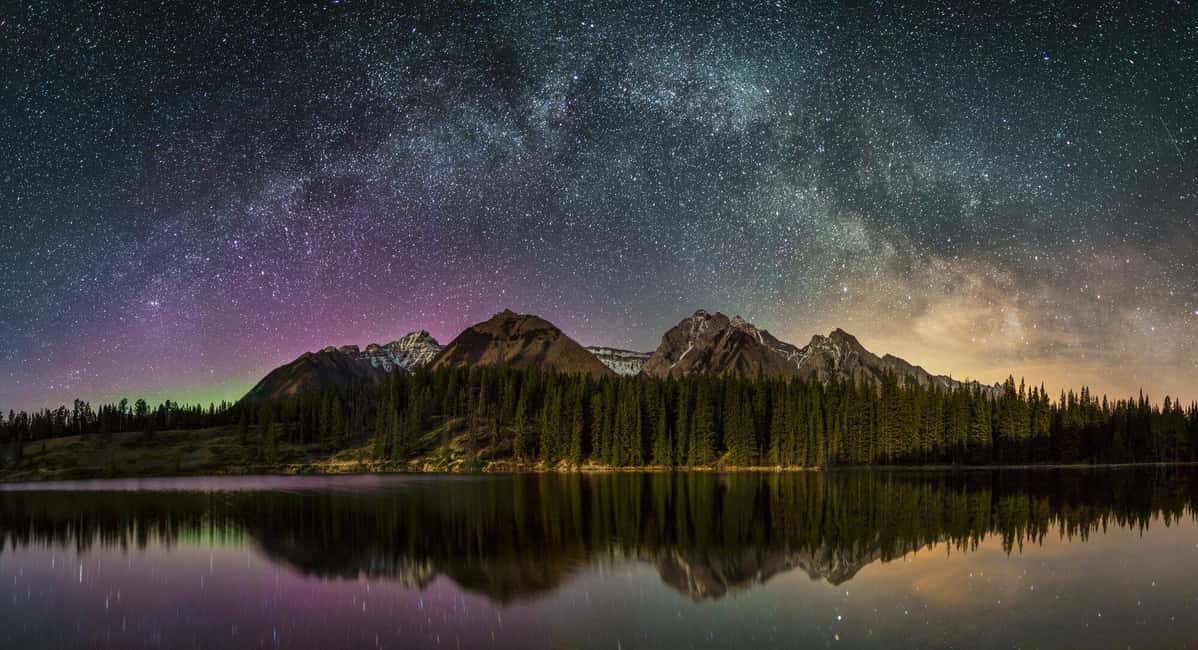
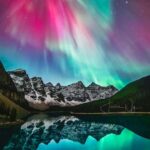
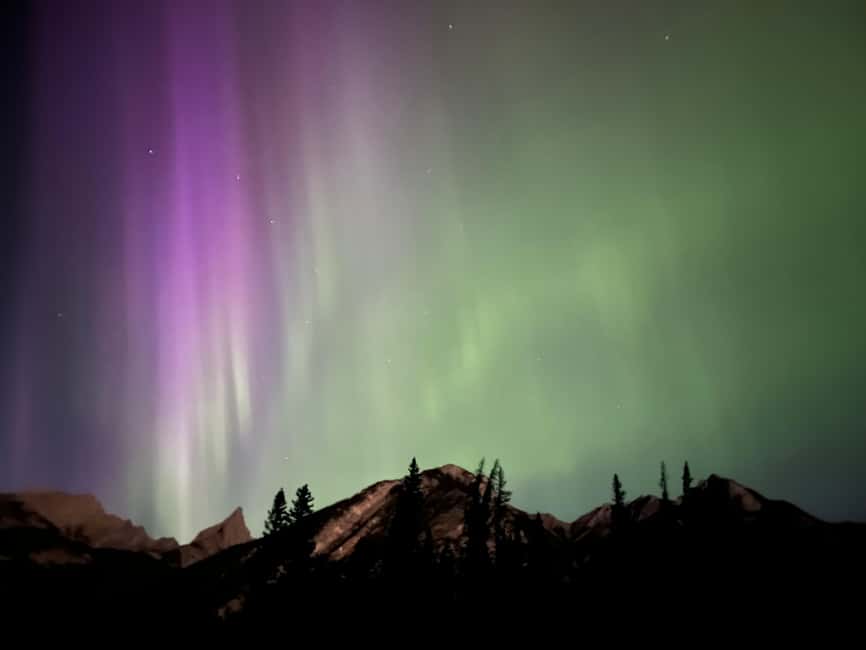
This is a look-for-it tour, not a guarantee. The tour focuses on spotting Northern Lights and shooting stars, plus identifying constellations as the sky darkens.
What tends to affect what you see:
- Cloud cover: The tour won’t operate in heavy cloud. If the sky looks poor, the guide will contact you 12–24 hours ahead and issue refunds.
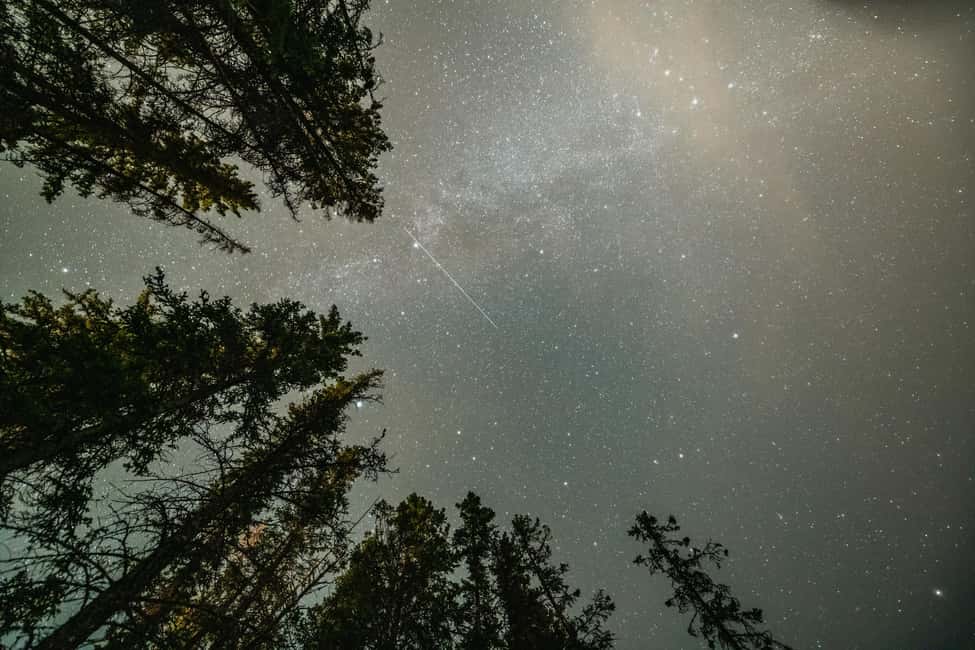
- Moon brightness: A near-full or bright moon can wash out some star details. Even then, guests report stargazing is still possible, especially for brighter constellations and aurora bursts when conditions cooperate.
- Season and timing: The departure time shifts seasonally, departing just after sunset when skies are best for getting the first stars and learning constellations.
One thing I appreciate: the guide is actively involved. People mention guides helping with camera settings for the sky too, including phone night modes and long exposure approaches, depending on what you’re carrying.
If you’re hoping for the Northern Lights, go with the right mindset: you’re on a guided astronomy-and-trails mission designed to maximize your chances when the sky cooperates.
Wildlife After Dark: Lantern Light, Bear Safety, and Staying Present
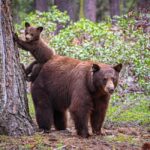
Banff at night is not just scenery—it’s behavior. The tour gives you a chance to spot local nocturnal creatures, using headlamps and lanterns to look around safely.
At the same time, the tour is very explicit about safety. All guides carry bear spray and other safety equipment. That matters because you’re in the woods after dark, where you can’t rely on visibility or sound the way you can in daylight.
Guests also mention that guides keep the group moving and check in on comfort and safety. Some people bring up wildlife sightings like coyotes, and one or two recount odd bonus moments. You shouldn’t count on seeing anything specific—but you can count on the guide helping you act responsibly and stay aware.
Practical advice:
- Keep your voice low when you’re pausing for stars.
- Avoid shining your light everywhere. Aim it intentionally.
- If you get distracted by the sky, still watch your footing.
You can also read our reviews of more evening experiences in Banff
Guides Who Turn the Sky Into Something You Can Name
This tour’s real magic is the guide. You’re not just paying to be out after dark—you’re paying for someone to interpret what’s above you.
Across past departures, guests describe guides who:
- Identify constellations and explain what you’re seeing
- Share stories about the area and the night sky
- Manage group pacing so no one gets left behind (one review notes the guide slowed down for a guest who was struggling)
- Help with night photography—especially with phones—so you can bring back something more than a blurry dot
Names you might run into include Kale (mentioned several times), Jacob (frequently praised), Ben (also praised), and Ewan/Euan (seen in reviews). The point isn’t who you get—it’s that the best parts of this tour come from the guide translating the darkness into a meaningful view.
What You Need to Bring (And What the Tour Covers)
Included in the tour:
- Professional guide
- Headlamps
- Ice cleats when required
Not included:
- Food and drink
What to bring (minimum):
- Hiking shoes
Smart add-ons based on actual guest experience:
- Insect repellent. One guest warned mosquitoes can be rough at the start, then ease once the moon comes up.
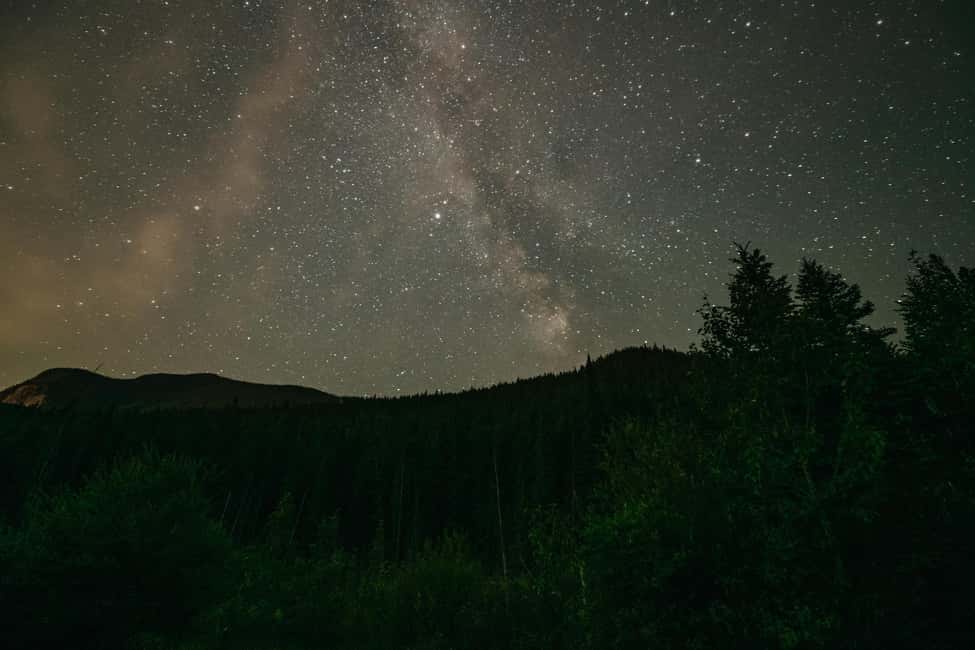
- A camera plan. If you want Milky Way-style photos or constellation shots, expect you’ll need to experiment with settings in low light. Some guides help with phone adjustments like night mode.
Clothing note: the tour runs year-round, and it’s seasonally timed around sunset. Dress for cold, wet conditions, and pack layers. Even if the hike isn’t long, night temperatures can change fast.
Price and Value: Is $66 Reasonable for Banff Nights?
At $66 per person for 2 hours, you’re paying for more than “being outside.” You’re getting:
- A guide managing the night experience and safety (including bear spray)
- Equipment that makes night walking practical (headlamps, plus ice cleats when conditions demand)
- Structured time for learning the sky, not a random stop-and-look
Is it the cheapest thing in Banff? No. But it’s also not a big bus tour with a short photo stop. This is hands-on and active.
If you’re a solo traveler, the value gets even better. Some guests mention smaller groups, which can make it feel more personal and easier to ask questions. That’s a real difference on a stargazing hike, because you want attention when you’re trying to find a constellation or fix a camera setting.
Who Should Book This Tour, and Who Should Skip It
This tour is a strong fit if you want:
- A guided introduction to the night sky in Banff
- A manageable hiking length with built-in pauses
- A real chance to spot Northern Lights, shooting stars, and night wildlife
It’s not suitable for:
- Children under 8
- Pregnant women
- People with mobility impairments (the activity lists it as not suitable, even though it’s described as wheelchair accessible)
- People with pre-existing medical conditions
- People who’ve had recent surgeries
Also note the rules:
- Pets are not allowed
- Alcohol and drugs are not allowed
So if you’re recovering from something medical, this likely isn’t your best option. If you’re generally healthy and comfortable walking on mixed surfaces at night, you should be in the right zone.
Should You Book It? My Take
If your goal is one of your Banff memories to be about the stars (not just the mountains), I think this tour is a smart booking. The combination of sunset timing, a 5 km night hike, and real guidance on constellations makes it worth doing at least once.
Book it if:
- You’re excited to learn the sky and you like guided hikes
- You’re okay with the idea that weather affects visibility
- You want safety and equipment included, not just a self-led walk
Skip it if:
- Your health limits night walking
- You’re not comfortable hiking 3.5 miles after dark
- You need a guaranteed clear-sky show (because cloud cover can cancel with refunds)
If you can handle chilly air, bring proper shoes, and go with a flexible mindset about the sky, you’ll likely leave feeling like you finally understood what you were looking at above Banff.
FAQ
How long is the Banff guided sunset and stargazing tour?
It runs for about 2 hours.
Where do I meet for the tour?
Meet outside the Welcome Building at the Cave and Basin National Historic Site Parking Lot at 309 Cave Ave. Free parking is available.
Is food or drinks included?
No. Food and drink are not included.
What should I bring?
Hiking shoes are recommended. The tour provides headlamps, but you should plan clothing for nighttime weather.
Are pets allowed?
No, pets are not allowed on this tour.
Does the tour provide headlamps and traction help?
Yes. Headlamps are included, and ice cleats are provided when required.
What happens if the sky is cloudy?
The tour will not operate in heavy cloud cover. The guide will contact you 12–24 hours before departure and issue refunds.
Is Northern Lights guaranteed?
No. The tour looks for Northern Lights and shooting stars, but visibility depends on conditions like cloud cover and nighttime sky brightness.