REVIEW · BANFF
Small-Group Guided Via Ferrata Climbing with Banff’s Best Views
Book on Viator →Operated by Banff Norquay Summer Sightseeing Chairlift & Via Ferrata Tours · Bookable on Viator
Big mountain views, tiny time window. This guided Banff via ferrata gives you a hands-on way to see Banff National Park, with gear sorted for you and a chairlift ride that puts you close to the climb.
Two things I really like: first, the safety setup is complete and handled for you (helmet, harness, and via ferrata lanyards), plus rainwear, a backpack, and suitable boots available at no extra cost. Second, the Explorer route feels like a true intro—just enough climbing pitches and time on the wall, plus a suspension bridge crossing to make it memorable without taking over your whole day.
One possible drawback: it is still a cliff-and-height activity. Even with beginner-friendly instruction, the moves can feel more physical than you expect, and bad weather can make the rock slick—so go in with the right mindset and shoes.
In This Review
- Key highlights worth your time
- Why Banff Norquay via ferrata feels like the smart shortcut
- Explorer route: what you’re actually doing on the wall
- The chairlift and why it changes your whole experience
- Safety gear that’s actually useful (and what your part is)
- Rainwear, boots, and the reality of Banff weather
- Views you can’t really fake
- Price and time: is $149.04 good value?
- Fitness level and the weight-and-age limits you must plan for
- Logistics that help: shuttle, meeting point, and timing
- Who should book this via ferrata?
- Should you book the Explorer via ferrata in Banff?
- FAQ
- How long is the Banff guided via ferrata experience?
- Do I need prior climbing or via ferrata experience?
- What is the minimum age and weight for this tour?
- Is there a maximum weight limit?
- How big is the group?
- What safety equipment is included?
- Are rainwear, backpacks, and boots included?
- Does the tour include food and drink?
- Is hotel pickup included?
- What if weather is poor?
Key highlights worth your time
- Small group up to 8 means you get more attention from the guide when you’re learning
- ACMG-certified guide keeps the focus on safe clipping, stance, and pacing
- Chairlift access at Mount Norquay gets you near the start without a long approach hike
- Explorer route basics: a few pitches plus a suspension bridge for that classic via ferrata feeling
- Rainwear and boots included help you show up ready, even if weather changes fast
Why Banff Norquay via ferrata feels like the smart shortcut
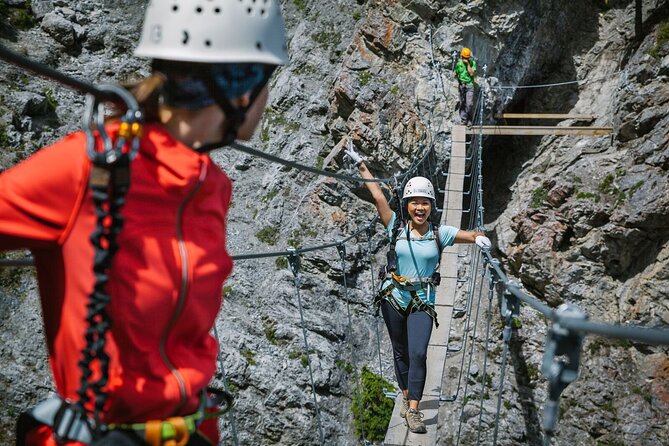
If you’re coming to Banff and you want more than just a lookout photo, a via ferrata is one of the most direct ways to get inside the scenery. Instead of staring at the rock, you’re moving along it—clipped into fixed cables and following a marked route that turns the mountains into a guided obstacle course.
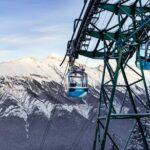
This version runs out of Mount Norquay, which matters. You don’t waste your energy guessing trailheads or scrambling up from town. You get a Banff Sightseeing Chairlift ride that lifts you toward the via ferrata start point, then your guide gets you equipped and moving. The whole setup is geared toward a first-timer who wants a big payoff without needing to plan a full day of technical climbing.
You’ll spend about 2 hours 30 minutes on the activity (approx.), which also matters for vacation math. It’s long enough to feel like you did something real, but short enough that you can still enjoy Banff afterward—dinner, a stroll, or a second outdoor plan.
You can also read our reviews of more guided tours in Banff
Explorer route: what you’re actually doing on the wall
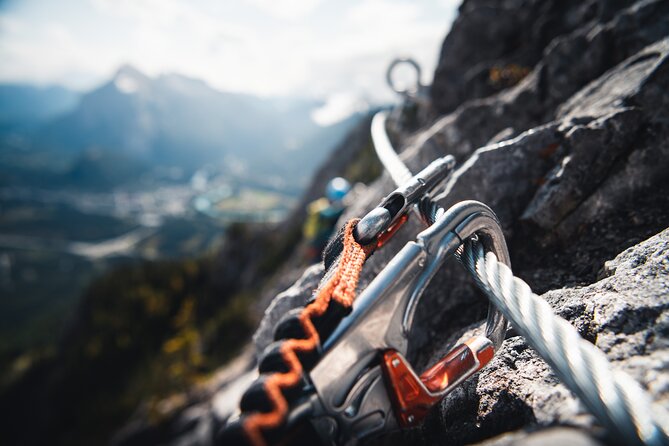
The Explorer route is built for people stepping out of their comfort zone, including first-timers. You’ll start with a period of instruction—how to use the harness correctly, how to clip into the line with the right rhythm, and how to move safely from one section to the next.
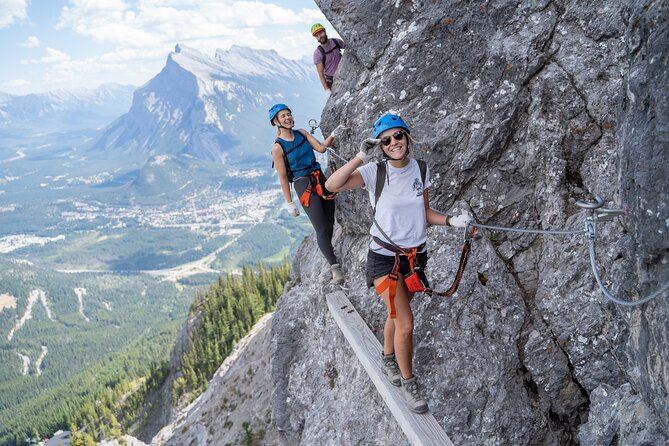
What you’re looking at (and what you’ll likely feel) is a mix of climbing-like moves and trekking-adjacent effort. The fixed cables help with safety, but you still need balance, foot placement, and the willingness to take steps that feel exposed. Your guide sets the tone early: calm coaching, slow pacing, and constant reminders to keep your body positioned so you’re not rushing.
Then you’ll head up a few pitches—short sections of vertical or near-vertical travel—so you get the real via ferrata experience without committing to a huge technical day. One of the standout moments is crossing the suspension bridge, where you’ll feel the full “I’m really up here” factor. It’s also a nice break in the route rhythm: you transition from wall movement to a steadier, focused crossing.
If you’re nervous, you’re not alone in that. Many people walk in thinking it looks scarier than it feels. The key is that the guide should help you get confident with clipping and movement before you go higher. That confidence is what turns a shaky start into a satisfying finish.
The chairlift and why it changes your whole experience
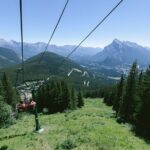
The Banff Sightseeing Chairlift inclusion is more than a cute extra. It’s practical. It reduces fatigue at the beginning and helps you arrive fresher for learning the harness and clipping system. For beginners, that matters a lot because the early minutes are where your brain is busy: where do my hands go, how tight should I be, how do I clip smoothly, and how do I keep my footing?
Also, chairlifts in Banff have a way of setting expectations. You get a preview of the valley and the shape of the mountains, so the via ferrata doesn’t feel like a random rock wall in the fog—it feels like the natural continuation of the views you already came for.
And the end result is that you spend more of your tour time doing the fun part: the climbing sections, the crossing, and the photo moments from the route itself. You’re not burning the schedule hiking uphill just to reach the start.
Safety gear that’s actually useful (and what your part is)
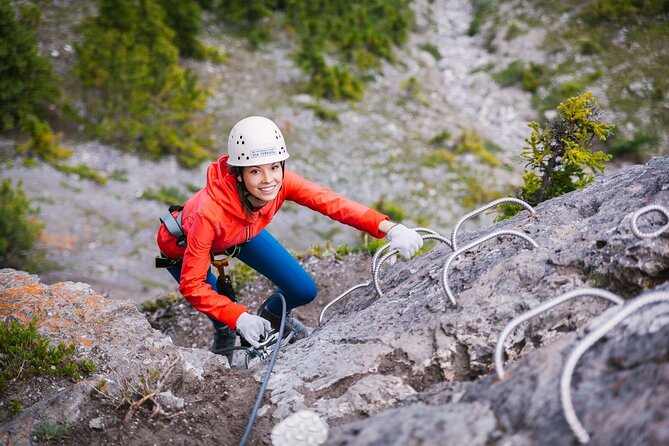
Safety is a real selling point here, and you’ll see that in what’s included. You get full via ferrata equipment: climbing helmet, harness, and via ferrata lanyards. That’s the core system that connects you to the fixed cable. You also get a guide who’s trained and certified through the ACMG structure, which is important for first-timers.
But the biggest difference between safe and unsafe isn’t the gear—it’s how you use it. Your guide should coach how to clip correctly, how to keep tension where it’s needed, and how to move step-by-step without rushing. Pay attention in the first training section. If you understand the clipping routine early, the rest of the route becomes much more manageable.
A few details that can matter:
- You’ll want to communicate right away if you’re anxious about heights. Guides like Ben, Amanda, Brandon, and Zach are described as patient and safety-focused, and that kind of coaching tends to be what keeps nervous first-timers calm.
- You’ll likely do best if you keep your pace controlled. One common pattern is that the beginning feels like the hardest part—once you’re clipped and moving, your confidence tends to build.
Also, you’ll have to sign a liability waiver before participating. That’s standard for via ferrata activities, and it’s part of why safety training is taken seriously.
Rainwear, boots, and the reality of Banff weather
Banff weather can change fast. This tour helps you handle that by offering rainwear, backpacks, and suitable hiking boots at no charge. One catch: size availability isn’t guaranteed, so don’t assume you’ll get exactly what you want in the right size.
If you have your own boots that fit well for rocky trails, you might prefer using your own. If not, rely on the provided boots—but be ready for them to feel different than your everyday shoes.
Here’s the practical advice I’d give you based on what this type of activity often feels like:
- Wear layers you can move in, because you’ll be working physically.
- If the forecast looks rainy, consider bringing a light rain jacket even if rainwear is provided. The included rain gear helps, but having your own option can feel reassuring if conditions turn heavier.
On a slick day, via ferrata safety comes down to foot placement. Your guide will probably slow you down. That’s a good thing. Slow beats fast when the rock is wet.
Views you can’t really fake
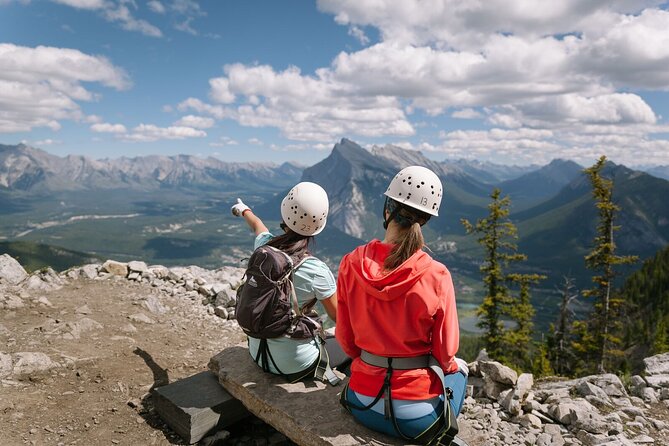
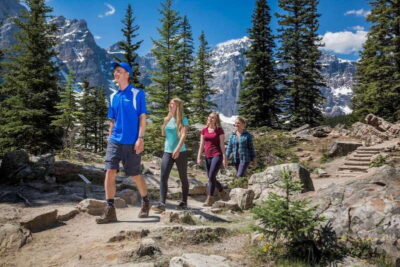
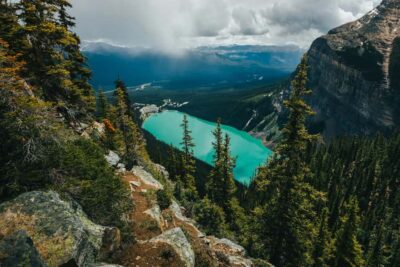
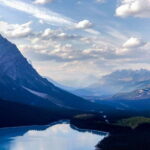
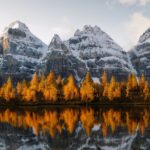
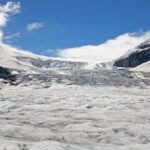
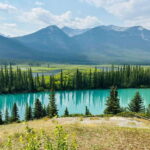
The views are a big reason people choose this. You’re not just getting a scenic drive or a single viewpoint. As you move along the route, you get changing angles of Banff National Park—and the climb naturally gives you those layered “now I’m higher” sightlines.
You’ll also see the Banff valley from a perspective that’s hard to get otherwise. Some guides (like Juan and Kevin, based on their reputation) are described as great at guiding the group, which matters because you don’t want to lose the route or rush the best photo moments.
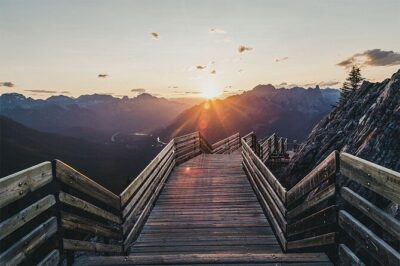
The suspension bridge is also a visual event. Even if you’re focused on breathing and clipping, you’ll still look out and realize you’re suspended in a mountain view, not on a backyard obstacle.
If you love big scenery and want it paired with adrenaline, this is one of those rare tours where both happen in the same 2.5-hour window.
Price and time: is $149.04 good value?
At $149.04 per person for about 2 hours 30 minutes, the price is best understood as a bundle deal. You’re paying for:
- Guide coaching and supervision with ACMG-certified leadership
- Full safety equipment (helmet, harness, lanyards)
- Rainwear, backpack, and boots available at no charge
- Chairlift ride access to the start area
- A free shuttle to and from Banff
If you compare that to the cost of independently arranging gear, figuring out the logistics, and paying for qualified instruction, the value gets clearer. You’re not paying just for the wall—you’re paying for the system that makes a beginner via ferrata possible and less stressful.
Where it’s especially worth it is when you want a high-impact mountain moment without committing to a full day or to a more serious mountaineering course. One person noted that the Explorer route is a good way to get hooked without needing prior experience, and that aligns with what this setup is designed for.
Fitness level and the weight-and-age limits you must plan for
You don’t need climbing experience. That’s explicitly part of the pitch. But you do need a moderate physical fitness level and a willingness to handle steep sections and exposure.
There are also hard limits:
- Minimum age: 12 years
- Minimum weight: 40 kg (88 lbs)
- Maximum weight: 120 kgs (265 lbs)
And group size is capped at 8 travelers, which generally helps with instruction and safety checks.
If you’re someone who can handle a steady pace for a short hike and you can keep your balance on uneven ground, you’ll likely be in the right zone. If you have serious fear of heights or you’re expecting it to feel like a flat walking tour, you might want to reconsider or talk to the operator before booking.
Logistics that help: shuttle, meeting point, and timing
This tour runs from Mount Norquay Scenic Drive (Mt Norquay Scenic Dr, Banff, AB T0L 1E0). The activity ends back at the same meeting point.
Two logistics pieces that can make your day smoother:
- A free shuttle to and from Banff is included
- You should be there early: check in 30 minutes prior to departure
Hotel pickup and drop-off aren’t included, so if you’re staying outside easy shuttle access, you’ll need to plan how you get to the meeting area. The meeting point is near public transportation, which helps if you’re not driving.
Also, you’ll want to bring what you need for a short outing—water and snacks are on you since food and drink are not included. The backpack rental helps with carrying essentials, but it won’t magically provide the calories.
Who should book this via ferrata?
This is a strong fit if:
- You’re a first-timer who wants a guided introduction with real climbing elements
- You want big Banff views in a short time
- You prefer a small group experience where a guide can correct technique
- You’re okay with working a bit physically and feeling exposed at times
It may be less ideal if:
- You’re taking very young participants who aren’t comfortable with steep, rocky movement
- You expect it to feel gentle or purely scenic
- You’re going on a day when rain is likely and you know you won’t handle slick conditions well
One theme that shows up with first-timers: the beginning can feel intense, then it turns fun fast once you trust the clipping routine. If that sounds like you, this could be a memorable Banff highlight.
Should you book the Explorer via ferrata in Banff?
If you want a Banff activity that feels different from the usual lakes and viewpoints, I think this is a great choice. The combination of chairlift access, full safety gear, and an intro-focused route makes it one of the easiest ways to get the via ferrata experience without needing prior technical training. And the small group size helps you stay supported.
Book it if you can show up willing to learn, keep a steady pace, and respect the safety coaching. Consider passing or choosing another option if heights or steep, exposed steps are a hard no for you—because even with good instruction, you are still on a mountain route.
FAQ
How long is the Banff guided via ferrata experience?
It lasts about 2 hours 30 minutes (approx.).
Do I need prior climbing or via ferrata experience?
No experience is required. The route is designed for beginners and focuses on instruction.
What is the minimum age and weight for this tour?
The minimum age is 12 years old, with a minimum weight of 40 kg (88 lbs).
Is there a maximum weight limit?
Yes. The maximum participant weight is 120 kgs (265 lbs).
How big is the group?
The maximum group size is 8 travelers.
What safety equipment is included?
All safety equipment is provided, including a climbing helmet, harness, and via ferrata lanyards.
Are rainwear, backpacks, and boots included?
Yes. Rainwear, backpacks, and suitable hiking boots are available at no charge, but size availability is not guaranteed.
Does the tour include food and drink?
No. Food and drink are not included.
Is hotel pickup included?
No. Hotel pickup and drop-off are not included.
What if weather is poor?
The experience requires good weather. If it’s canceled due to poor weather, you’ll be offered a different date or a full refund.