REVIEW · ALBERTA
Intro Survival Course Rockies
Book on Viator →Operated by Bow Valley Canyon Tours · Bookable on Viator
Skills grow fast under Alberta skies. This two-day private intro survival course runs in the heart of the Rocky Mountains near Nordegg and Abraham Lake, with real practice and an overnight in a survival shelter. You’ll set up base camp, learn fires and shelters, and then head out along the Cline River for navigation and plant ID.
I love the hands-on bushcraft focus: you build practical survival fires and shelters, then work knots you can actually use outdoors. I also like that the course can be tailored to your needs and that meals and equipment are included, so you’re not scrambling for rentals or guesswork.
One thing to consider is that transportation to and from the program isn’t included, so plan on getting yourself to the HI Nordegg Shunda Creek Wilderness Hostel meeting point. The course also depends on good weather, so you’ll want flexibility in your schedule.
In This Review
- Key things to know
- Nordegg to Abraham Lake: Why this Rocky Mountain setup works
- Day 1 at Abraham Lake: Base camp bushcraft, fires, shelters, and knots
- Day 2 morning skills: Reinforcement and real-world survival thinking
- Cline River afternoon hike: Navigation, medicinal plants, and optional advanced tactics
- What’s included in the price—and why $205.56 can be good value
- Private and customizable: Getting the most from Mark, Joel, and Marc-style teaching
- Food, sleep systems, and the comfort reality of “survival”
- Price vs. expectations: How to choose the right level
- Timing, weather, and scheduling smart moves
- Who should book this survival course in Alberta?
- Should you book Intro Survival Course Rockies?
- FAQ
- Do I have to provide my own survival gear?
- Where does the course start and end?
- How long is the course?
- Is this a private course?
- What meals are included?
- Is transportation to and from the program included?
- What skills are covered during the two days?
- Can children participate?
- What language is the course offered in?
- What happens if the weather is poor?
- Can I cancel and get a full refund?
Key things to know
- Nordegg to Abraham Lake base camp with a roughly 40 km drive into the mountains for training
- Sleep in a survival shelter you build during Day 1 (your own nighttime project)
- Tools and navigation gear are provided, including tents, hatchets, knives, compasses, and GPS
- Private and customizable for your group, with practical skills rather than a lecture-style course
- Cline River hike adds navigation + medicinal plant identification, with advanced options if time allows
Nordegg to Abraham Lake: Why this Rocky Mountain setup works
This course starts at the HI Nordegg Shunda Creek Wilderness Hostel at 321 Shunda Crk Rd, Nordegg, AB. From there, you meet your instructor(s), then you drive about 40 km into the training area, placing you where the skills matter: cold air, changing conditions, and real terrain.
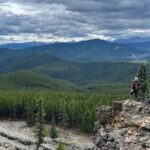
On Day 1 you base out around Abraham Lake—specifically at Kootnay Plains—so you get the feel of a classic Rocky Mountain backcountry training environment without having to plan a complex multi-day trip. Then Day 2 shifts to the Cline River for a hike that turns classroom skills into trail skills: navigation, decision-making, and plant recognition.
That change of scenery is more than scenery. It’s how you build confidence—by practicing the same core principles in different outdoor settings.
You can also read our reviews of more tours and experiences in Alberta.
Day 1 at Abraham Lake: Base camp bushcraft, fires, shelters, and knots
The day begins with a meet-and-greet and introduction around 9:30 am. After that, you head into the training location from Shunda Creek—about a 40 km drive—so you can focus on learning rather than spending hours commuting.
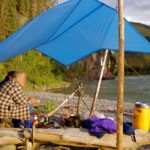
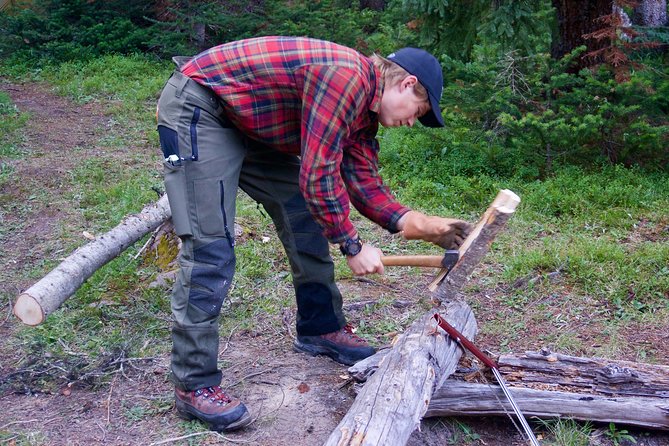
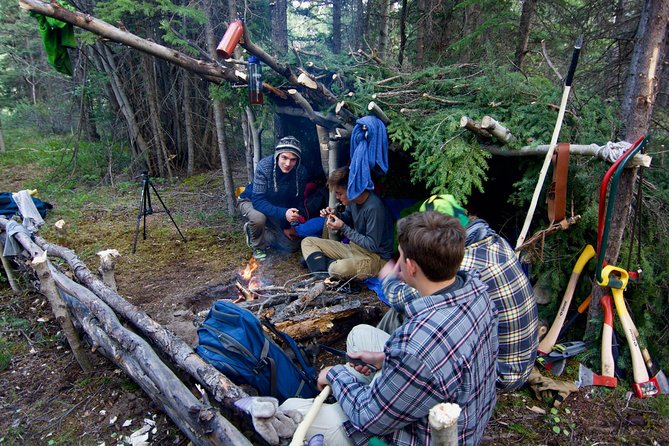
By late morning you reach the Abraham Lake training area (Day 1 runs 10:30 am to 5:00 pm), and you set up base camp at Kootnay Plains. This first block is about safety and priorities: you cover what precautions to take, what dangers to avoid, and how to think clearly when something goes wrong. That emergency mindset matters because survival isn’t just about tools—it’s about deciding what to do first.
From there, you move into the core bushcraft skills:
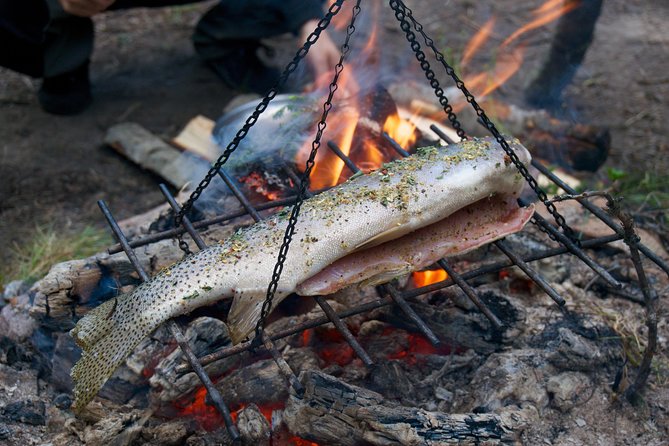
- making survival fires and
- building shelters under adverse conditions
- practicing useful knots you can rely on outdoors
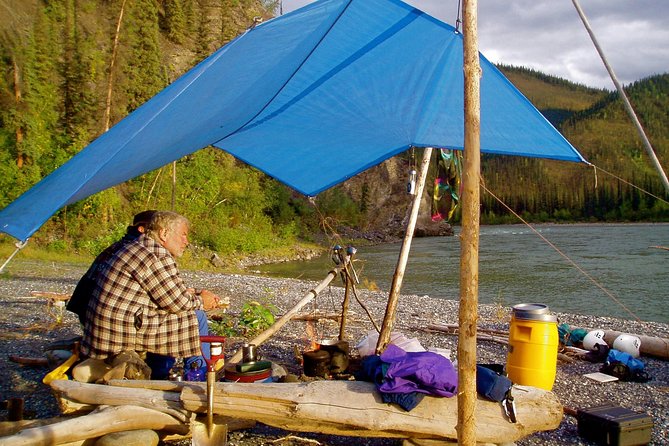
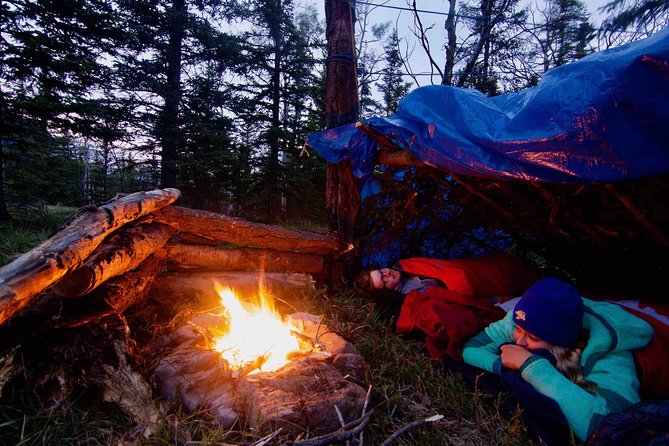
Then comes the part that makes this course memorable: you get the opportunity to sleep in the survival shelter you build. It’s one thing to watch someone else do it; it’s another to understand how shelter design, comfort, and conditions affect you when you’re actually trying to rest.
Day 2 morning skills: Reinforcement and real-world survival thinking
Day 2 starts again at Abraham Lake with a shorter morning session from 9:00 am to 11:00 am. This time is for continued topics from Day 1—so you don’t lose the thread after a night in the shelter.
I like the structure here. Survival skills stick better when you get a second touchpoint soon after you learn them, especially if you’re new and your brain is still sorting out the basics.
If you’re the type who asks a lot of questions, this format gives you a clean chance to clarify what you’re missing. With a private setup, your group is more likely to get time to slow down and get answers instead of rushing to cover everything.
Cline River afternoon hike: Navigation, medicinal plants, and optional advanced tactics
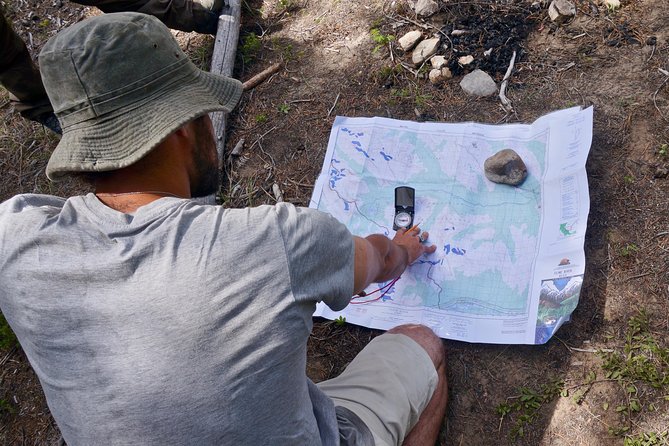
After the morning sessions, you shift to the Cline River for an afternoon hike, running about 6 hours. This is where the course leans into outdoor movement skills: learning how to navigate in the outdoors with practical guidance.
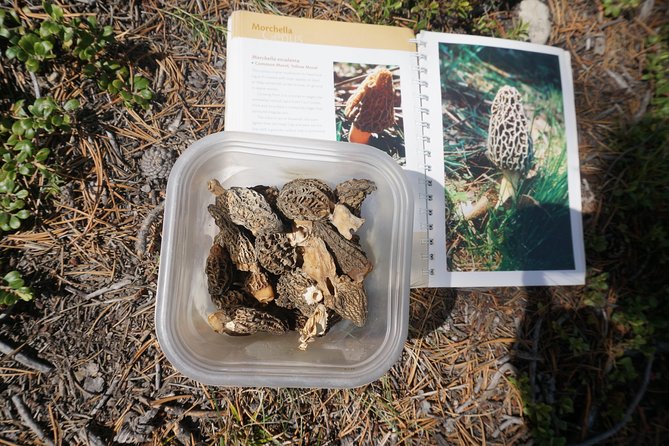
The hike also includes medicinal plant identification. Even if you never plan to use plants for home remedies, learning how to correctly recognize them is a useful survival topic—knowing what’s edible or helpful can matter, and knowing what you should not touch matters just as much.
If there’s time, you may move into more advanced survival themes, including:
- finding alternative food sources
- basic traps and snares
- making improvised rope/cordage
- survival saw techniques
The “if time permits” note is important. If your group is still dialing in basics, you’ll likely spend more time practicing what you can execute confidently. If you’re ready for more, you’ll get a taste of techniques that go beyond the intro layer.
What’s included in the price—and why $205.56 can be good value
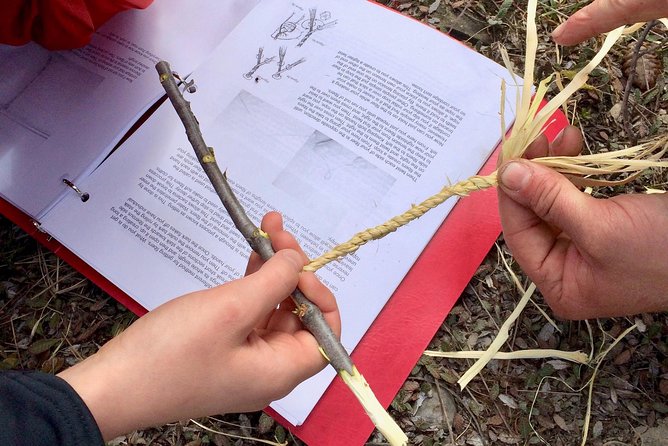
At $205.56 per person for about two days, the real value is that you’re not paying extra for the core logistics of learning. The course includes:
- meals across the duration (breakfast and lunch are included, plus dinner)
- one night of accommodation (camping)
- an experienced instructor team
- all necessary course equipment, including tents, hatchets, knives, compasses, GPS, and more
That equipment list is the big deal. When gear is included, you avoid the two common beginner problems: renting the wrong items or underestimating what you’ll need. Having navigation tools like compasses and GPS in the mix also means you’re not stuck learning only one approach.
Transportation isn’t included, so you should treat that as the only real “extra cost” category. If you can get to Nordegg easily (or you’re already road-tripping in Alberta), the price starts to look more like a bundle than a casual class fee.
Also, the course is private. That matters because in survival instruction, it’s hard to learn well when you’re competing for instructor attention.
Private and customizable: Getting the most from Mark, Joel, and Marc-style teaching
This is a private tour/activity, meaning only your group participates. There’s also a minimum of 4 people per booking, so you won’t be dealing with that odd middle ground where you’re training alone but still paying group rates.
Another helpful element is customization. The course is set up to be adjusted to suit your needs, which is great if you’re:
- brand-new and want to slow down,
- returning to the outdoors and want a refresher, or
- already outdoorsy but new to structured survival practice.
In the instructor mix, names that came up include Marc, along with Mark and Joel teaching with friendly, approachable energy. That style matters because survival subjects can feel intimidating. When instructors are comfortable with questions, you learn faster and you leave with more confidence, not just facts.
Food, sleep systems, and the comfort reality of “survival”
Meals are included, with vegetarian options available if you tell the provider when booking. If you’re traveling with dietary needs, this is worth planning early rather than hoping it gets sorted on the spot.
One detail that sticks out is that people have mentioned enjoying the camp food, including honey garlic sausages. That’s not just a brag—good camp meals help you stick with the training instead of spending the afternoon hungry, cold, or cranky.
As for sleep: you’ll have a chance to sleep in your own survival shelter. That’s the point, but it’s also a reminder that this is camping. If you’re the kind of traveler who expects hotel-style comfort, treat this as a learning night in outdoor conditions, not a fluffy sleepover.
Price vs. expectations: How to choose the right level
This is an intro survival course, aimed at practical outdoors skills and building confidence for backcountry travel. It’s a good fit if you want:
- real-time practice,
- core safety thinking,
- bushcraft fundamentals like fire, shelter, and knots,
- navigation basics and plant identification.
Where it can go sideways is when someone expects a deep, highly advanced technical course. If you want more specialization—like serious trapping systems, long-term backcountry food planning, or highly technical gear tuning—you might want to look for a more advanced option. The course does include optional advanced topics if time allows, but intro training needs time to land.
If you’re worried about teaching style, go with a simple plan: come with a short list of the exact questions you have as a beginner (navigation basics, what to do first in an emergency, how to evaluate shelter options). You’ll get more out of the course that way.
Timing, weather, and scheduling smart moves
You’re looking at an activity that’s designed to run when conditions are right, so good weather matters. If poor weather cancels the course, you’ll be offered another date or a full refund.
It’s also the kind of weekend people book ahead. On average, bookings happen about 103 days in advance, which suggests you should lock in earlier if you’re visiting Alberta during a popular stretch.
Once you book, set your mindset for outdoors training. Even when the schedule runs smoothly, you’re on your feet, practicing skills, and living with simple outdoor realities for the night.
Who should book this survival course in Alberta?
I think this course is best for outdoor enthusiasts who want to learn something new with structure and hands-on time. It’s also a smart beginner choice if you’re into backcountry camping or general camping and you want your skills to feel more grounded.
It’s also a good fit if you travel in a small group and want private attention. With private instruction and gear provided, you’ll spend more time doing and less time managing equipment.
If you’re bringing kids, note the rules: child rate applies when sharing with paying adults, and children must be accompanied by an adult. A parent-and-child outing has worked well for some families, as long as everyone is ready to participate in outdoor training.
Should you book Intro Survival Course Rockies?
Book it if you want a straightforward, practical survival weekend with hands-on bushcraft, an overnight shelter experience, and a Day 2 hike that covers navigation and medicinal plant identification. The included gear and meals make it feel like a true program, not an incomplete class where you’re left to figure out the rest.
Consider passing or shopping for a different level if you’re expecting advanced survival expertise only, or if you don’t want to handle your own transportation to Nordegg. If you can get there and you’re open to learning by doing, this is the kind of experience that leaves you more capable than when you arrived.
FAQ
Do I have to provide my own survival gear?
No. The course includes all necessary equipment, including items like tents, hatchets, knives, compasses, and GPS.
Where does the course start and end?
The start is at HI Nordegg Shunda Creek Wilderness Hostel, 321 Shunda Crk Rd, Nordegg, AB. It ends back at the same meeting point.
How long is the course?
It runs for about 2 days (approx.).
Is this a private course?
Yes. It’s a private tour/activity, so only your group participates.
What meals are included?
Breakfast and lunch are included, along with dinner. Vegetarian options are available if you request them at booking.
Is transportation to and from the program included?
No. Transportation to/from the program is not included.
What skills are covered during the two days?
You’ll cover survival precautions and dangers, priorities during emergencies, survival fires and shelters, and useful knots. Day 2 adds outdoor navigation, medicinal plant identification, and possible advanced topics like alternative food sources, traps and snares, improvised rope/cordage, and survival saws if time permits.
Can children participate?
Children must be accompanied by an adult. A child rate applies only when sharing with paying adults.
What language is the course offered in?
The course is offered in English.
What happens if the weather is poor?
The experience requires good weather. If it’s canceled due to poor weather, you’ll be offered a different date or a full refund.
Can I cancel and get a full refund?
Yes. You can cancel up to 24 hours in advance of the experience for a full refund.