REVIEW · ALBERTA
Smartphone Audio Driving Tour between Lake Louise and Calgary
Book on Viator →Operated by Tripvia Tours · Bookable on Viator
A drive through Banff Country is already a wow. Add a smartphone audio guide and you get stories and trivia without booking a separate tour. I especially like how you can start from any direction and pause anytime, so the day stays yours. The main thing to plan for is that coverage can be weak in the mountains, so you’ll want to download the tour before you leave.
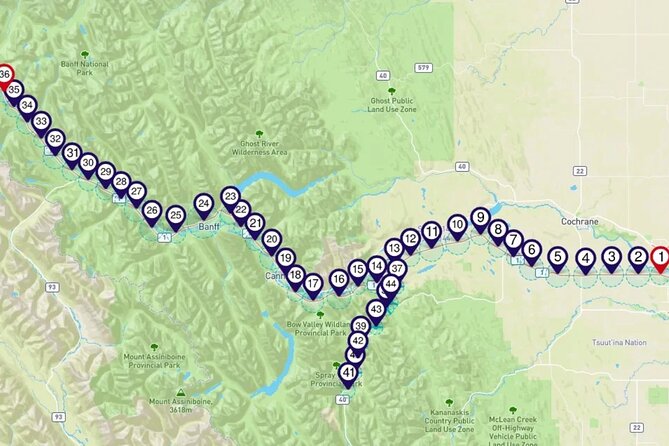
This is a private, group-friendly setup that works in your own car, with a mobile ticket and audio points along the way (44 points of interest are listed for this route). If you time it right, it turns a straight highway drive into a series of easy stops and short lessons you can actually fit into a 2-hour window.
In This Review
- Key Highlights to Expect
- A Lake Louise–Calgary Drive That’s Actually Flexible
- Price and Value: $8.22 per Group Can Go a Long Way
- How the Smartphone Audio Works (and Why It Feels Like a Personal Guide)
- One planning caution: download day matters
- Timing Reality: 2 Hours On the Clock, Longer If You Want It
- Upper Hot Springs and Kananaskis Stories You Can Actually Use
- Banff Gateways, Name Origins, and the World Inside the Park
- The “why is it called that?” method works
- Canmore: Museum Stop and Small-Town Backstory
- Banff Town Highlights: Tunnel Mountain, the Three Sisters, and That “Castle Look”
- Ski resort pass-bys that don’t feel random
- Moraine Lake and the Foothills Lake Moment
- The Mountain River Repeat: Why It’s Worth Listening the Second Time
- Multiple Stops Without Official Time Schedules
- When Things Go Wrong: Signal Issues and App Glitches to Watch For
- Who This Tour Fits Best
- Should You Book This Smartphone Audio Driving Tour?
- FAQ
- How long is the smartphone audio driving tour?
- How much does the tour cost?
- Can I start the tour from Lake Louise or Calgary?
- Do I need internet or mobile data during the drive?
- What do I need to take with me?
- Is the tour private?
- What language is available?
- Where does the tour end?
- Are attraction tickets included?
- Can I cancel for a refund?
- Is it available every day?
Key Highlights to Expect
- Start anywhere, in either direction: No fixed meeting ramp, no forced start time.
- Stop/start on your schedule: Pull over when something catches your eye.
- Download once, then play offline: No signal needed during the drive.
- Dozens of audio points: Learn why places and names are what they are.
- Trivia while you roll: Multiple-choice questions keep the drive from going numb.
- Budget price per vehicle: Great value if you’re filling a car with up to 15 people.
A Lake Louise–Calgary Drive That’s Actually Flexible

This tour is designed for one simple idea: you’re in the driver’s seat, literally. You can begin from Calgary or Lake Louise, and you can jump in at any point along the route. That matters because the Lake Louise–Banff–Canmore corridor is full of tempting side stops, plus traffic and wildlife can change your pace. Here, you’re not locked into a rigid “arrive here at 10:05” plan.
You also get a format that doesn’t feel like a lecture. The audio is chunked into short points of interest, so you can treat the drive like a chain of quick roadside moments. And because the tour is meant for a car, you’re not juggling maps while trying to listen.
You can also read our reviews of more tours and experiences in Alberta

Price and Value: $8.22 per Group Can Go a Long Way
The listed price is $8.22 per group, up to 15 people. That’s the kind of pricing that only works if it’s really group-friendly, and this is: it’s booked per vehicle, and you only need one booking for your group.
Even if your car is only half full, it’s still usually cheaper than most paid parking-and-tickets “activities.” The big value here is that you’re not paying for an attraction. You’re paying for guided context—what you’re passing, why it has that name, and what makes it worth a slow stop.
How the Smartphone Audio Works (and Why It Feels Like a Personal Guide)
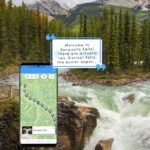
The core feature is simple: once you download the tour, you can use it whenever you like. During the drive, you can keep listening without worrying about data usage. The narration also cues you to what you’re seeing, then gives you just enough background to make the view click.
A big plus is the trivia. You’ll run into multiple-choice questions tied to the sights you pass. It’s not serious quiz show stuff—it’s more like gentle brain engagement while you’re cruising through dramatic country.
Two small details that really help:
- The audio is tied to geographic points, so it starts with location context rather than random storytelling.
- You can stop for as long as you like at the attractions the tour suggests.
One planning caution: download day matters
The tour asks you to ensure you have good mobile or Wi‑Fi connection for the initial download. If you skip that step, you may run into trouble getting the audio to load while you’re on the route—mountains can block signal. The fix is easy: download before you start driving.
Timing Reality: 2 Hours On the Clock, Longer If You Want It
The tour is listed at about 2 hours. That doesn’t mean you’re forced to finish in 2 hours. In fact, the instructions say there are no time constraints—take as long as you like.
So think of it like this:
- If you want a “check the highlights” experience, you can probably do most points in a tight window.
- If you’re the type who pulls into viewpoints, picnic areas, or short museum stops, give yourself breathing room.
Road conditions and weather matter in this region. If conditions slow you down, the tour still works because you can pause and restart whenever you want.
You can also read our reviews of more tours and experiences in Alberta
Upper Hot Springs and Kananaskis Stories You Can Actually Use

Early on, you’ll hear about the upper hot springs—how they were discovered. The tour doesn’t just point out the story; it encourages you to stop and visit during your drive.
This is a good example of why audio tours like this can beat reading on your phone. The story gives you context, then you’re free to decide if you want to spend time there. If you do stop, you’re not committing to a full guided outing. You’re just adding a meaningful break.
From there, the route covers Kananaskis Country. The narration focuses on the beauty of the area and gives you something to look for beyond “more mountains.” It’s helpful when you’re driving through scenery that’s gorgeous but visually similar. The audio helps you put different places into mental boxes.
Banff Gateways, Name Origins, and the World Inside the Park
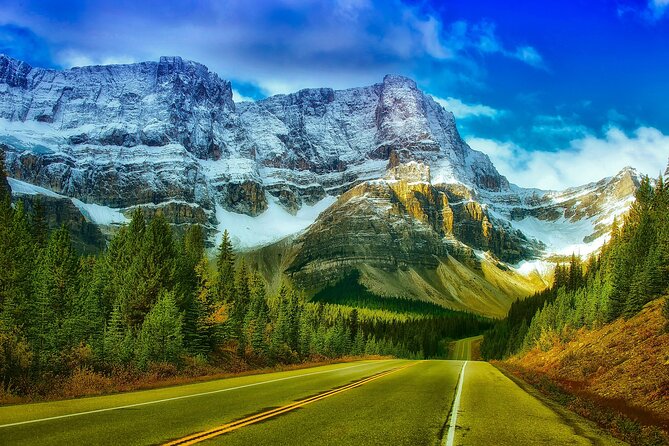
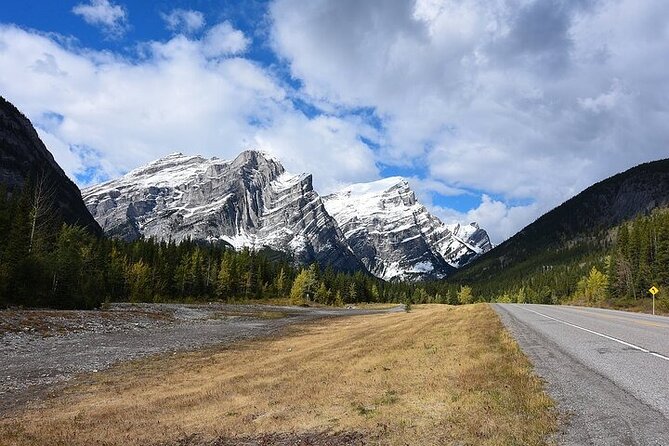
As you travel, the tour also hits the edges and entrances connected to Banff National Park. You’ll drive through a large portion of the park, and the audio gives you background as you go.
There’s a stop that focuses on a last industrial building before you enter (or after you leave) the park. That kind of detail is easy to miss from the car window. It also helps you understand how places change—from working landscape to protected park space.
Another fun theme running through the audio: names. You’ll learn how Canmore got its name, hear about the community with a unique name, and get explanations tied to mountains and landmarks you’ll see repeatedly.
The “why is it called that?” method works
When you drive through areas like this, you can feel like you’re seeing the same shapes again and again. Name origin stories break the monotony. They give you something to remember, like a mental label you can attach to what you’re seeing.
Canmore: Museum Stop and Small-Town Backstory

Canmore shows up in the tour with a couple of dedicated points. You’ll hear about the town’s name, and there’s also a Canmore Museum mention.
The best part of the museum note is how it handles timing: if you want to visit, you can stop and then simply resume driving later. The tour is built to pick up where you left off.
There’s also a small mountain village stop described in the audio, plus additional references to mountains with name meaning that you’ll encounter along the drive. The practical value is that you don’t need to decide in advance. You can let what you see guide you.
Banff Town Highlights: Tunnel Mountain, the Three Sisters, and That “Castle Look”

The tour’s Banff segment is loaded with recognizable icons, plus one of the narration themes: how people interpret the same peaks differently.
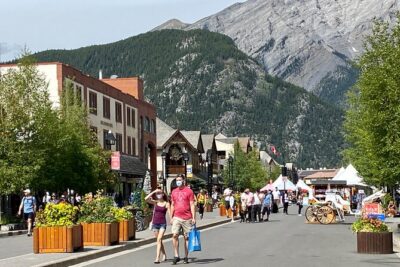
You’ll get the iconic Banff town point, plus a stop about Tunnel Mountain. One of the most entertaining angles here is correcting the misconception: there’s not actually a tunnel running through the mountain in the way you might expect. That’s exactly the kind of detail that makes an audio guide feel alive instead of generic.
Then comes the Three Sisters Mountain moment. You’ll be pointed toward the landmark and you’ll hear the names of the sisters.
After that, you’ll see a mountain described as looking like a castle. The audio angle is mostly visual—using the shape you’re spotting to trigger the story, which is smart when you’re driving and your eyes need an easy hook.
Ski resort pass-bys that don’t feel random
The tour also calls out a ski resort just outside Banff and another resort area. The audio explains what it has that other nearby resorts don’t. Even if you’re not skiing, it gives you a better reason to remember the place besides “I saw it.”
Moraine Lake and the Foothills Lake Moment
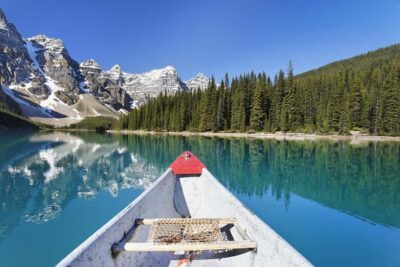
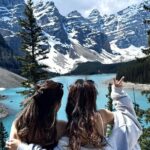
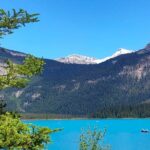
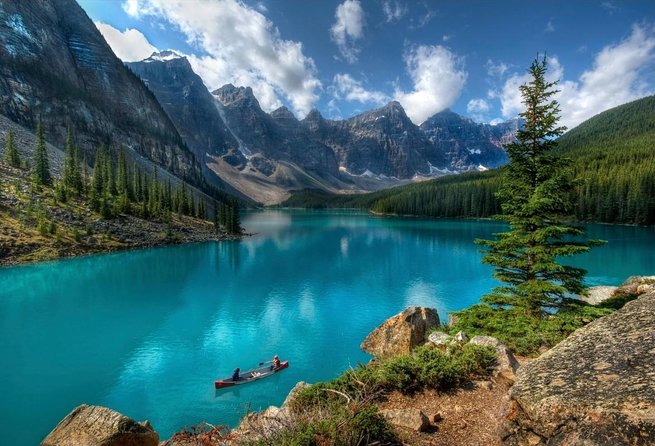
Even though you’re driving the corridor, you’ll get narration tied to Moraine Lake. You’ll also hit a lake moment described as a nice lake on the foothills of the Rocky Mountains, where the audio includes what people enjoy doing there.
The practical benefit is that you don’t just see the water and keep going. You’ll have a sense of why the place is famous, plus what kind of visit it suits—more of a “pause and look” stop than something you rush through.
And yes, you’ll hear plenty of lines that sound like roadside guide chatter. That’s deliberate: it keeps you engaged while you drive long stretches between more obvious landmarks.
The Mountain River Repeat: Why It’s Worth Listening the Second Time
One of the most helpful features is repeated attention to a famous mountain river. The tour points it out and tells you about it, and because you drive alongside it multiple times throughout the route, you’re not forced to guess which river you’re hearing about.
This kind of repetition is actually good design. It reduces the chance you miss the narration during a busy moment (a curve, a viewpoint, a quick stop). And it gives you a chance to notice changes in the river’s look depending on where you’re positioned.
You’ll also hear about a campground you pass by, with a playful angle about sleeping under the stars. It’s not a hard sell, but it nudges you toward the kind of visit that fits this region’s pace.
Multiple Stops Without Official Time Schedules
Not every audio point is a “must stop” attraction. You’ll often pass by scenic areas where the audio is present, but you’re free to spend as much time as you like.
That flexibility is a big deal in this region, where your day can split into:
- viewpoint time,
- quick snacks,
- a short museum or interpretive stop,
- or just taking in the mountains without getting out of the car.
When you’re doing a self-guided route, the best tours don’t pretend you have a perfect day. This one gives you guidance, then leaves you room to react to reality.
When Things Go Wrong: Signal Issues and App Glitches to Watch For
Audio apps are usually smooth, but you should know what can happen.
One issue you’ll want to protect against is poor internet connection during the drive. The tour’s own instructions already warn you: download with Wi‑Fi or a good mobile signal first. Once downloaded, the tour is designed to run without signal, but the download step is still where things can fall apart.
There’s also the possibility of tech hiccups—like audio stopping mid-sentence. If that happens, it can take a few retries to get the app back into sync. The good news is that the provider has released an updated version with a fix for an audio stopping bug, so you should install updates before you go.
Finally, remember why the narration may feel brief at each point. You’re moving in a car, so there’s limited time per location. If you want long-form detail, use the audio as your “starter,” then choose one or two stops to go deeper in person.
Who This Tour Fits Best
This Smartphone Audio Driving Tour is a strong fit if:
- You want a guide but hate forced meeting times.
- You’re driving with friends or family and want a low-cost add-on.
- You like the idea of pulling over when something catches your eye.
- You want context for Banff icons like Banff town, Three Sisters, and Tunnel Mountain without paying for separate guided tours.
It’s less ideal if:
- You need very long, deep narration for every stop.
- You dislike smartphone-based experiences in the car (even with car-friendly audio).
- You’re traveling without the chance to download content first on a reliable connection.
Should You Book This Smartphone Audio Driving Tour?
I’d book it if you’re doing the Lake Louise–Calgary corridor and you want your drive to feel like it has a point. At $8.22 per vehicle for up to 15 people, it’s hard to beat the value—especially because you’re not buying attraction tickets, you’re buying guidance.
If you do book, go in smart:
- Download on Wi‑Fi before you start.
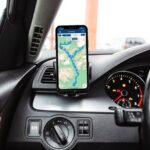
- Charge your phone and keep it stable while driving.
- Plan to stop at least a couple of the suggested spots so the stories feel connected to what you see.
If you want a simple, flexible way to turn a scenic drive into a guided day, this one makes a strong case.
FAQ
How long is the smartphone audio driving tour?
It’s listed at about 2 hours.
How much does the tour cost?
The price is $8.22 per group, up to 15 people.
Can I start the tour from Lake Louise or Calgary?
Yes. You can start from any direction and at any point on the route.
Do I need internet or mobile data during the drive?
No signal is required or data is used during the tour. You do need a good connection to download the tour initially.
What do I need to take with me?
You need a smartphone or tablet to use the audio. Attraction tickets and transportation are not included, and you’ll use your own vehicle.
Is the tour private?
Yes. It’s a private activity, and only your group will participate.
What language is available?
The tour is offered in English.
Where does the tour end?
The activity ends in a different location than where you start. The exact end details are listed at booking.
Are attraction tickets included?
No. Attraction tickets aren’t included, though the tour may recommend places to visit.
Can I cancel for a refund?
Yes. You can cancel for a full refund if you cancel at least 24 hours before the experience starts.
Is it available every day?
The listed opening hours show Monday through Sunday, 12:00 AM to 11:30 PM (within the date range shown).