REVIEW · BANFF
4 Hour Sulphur Mountain Horseback Ride
Book on Viator →Operated by Banff Trail Riders · Bookable on Viator
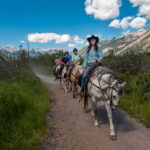
A horse gets you closer to Banff than you expect. This 4-hour ride lifts you about 6 or 7 feet up and threads you through standout spots around Banff National Park. I like the small group size and the fact that this ride is built around real mountain trail time, not just a quick loop. The big catch: it’s for riders with previous experience only, and you’ll be on the hook for showing up ready for a proper, physically involved ride.
I really appreciate that the guiding team handles both the front and the back of the group, so you’re not just dumped onto a horse with vague directions. In one recent experience, the guide name that came up was Amber, and the feedback was genuinely positive. One drawback to note: depending on trail conditions, you may spend more time among trees than on big open slopes, and the pace won’t be a guarantee of trot or gallop.
If you want a calm introduction to horses or a casual ride for all experience levels, this might not fit. But if you want a serious Banff adventure from horseback, this is a strong choice.
In This Review
- Key highlights before you saddle up
- Price and value: does $253.36 make sense?
- Meeting at Banff Trail Riders (and why timing matters)
- Rider requirements: what you must be able to do
- Getting your gear right: clothes that won’t sabotage your legs
- Stop-by-stop: what the ride feels like in real time
- 1) Banff National Park: the first switch in perspective
- 2) Spray River Trail loop: trees, ruts, and river energy
- 3) Bow Falls: the payoff zone with a second crossing
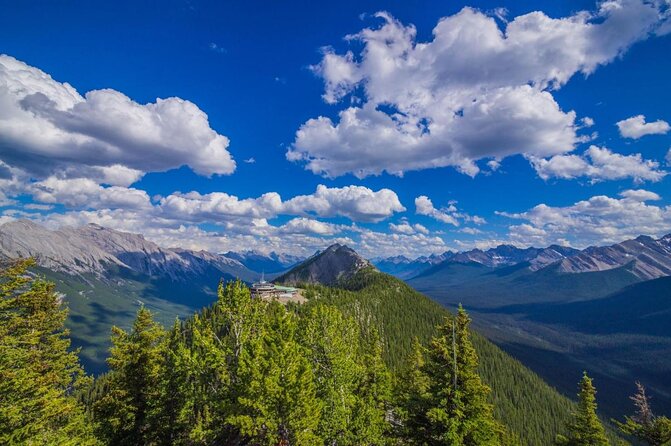
- 4) Sulphur Mountain + Rimrock views: valley drama and hotel sightings
- The pace and riding style: what to expect from the horses
- What I’d call the best parts (the stuff you’ll remember)
- A few realistic drawbacks to plan around
- Who should book this 4-hour ride?
- Should you book it?
- FAQ
- FAQ
- How long is the horseback ride?
- Where do I meet for the ride?
- What time does it start?
- What’s included in the price?
- What should I wear?
- Is this ride for beginners?
- Are there age or weight limits?
- Do I need to sign a waiver?
- Can I cancel if the weather is bad?
Key highlights before you saddle up
- Views from horse height: Expect Banff scenery at about 6 to 7 feet up, which changes how the valleys and hills read.
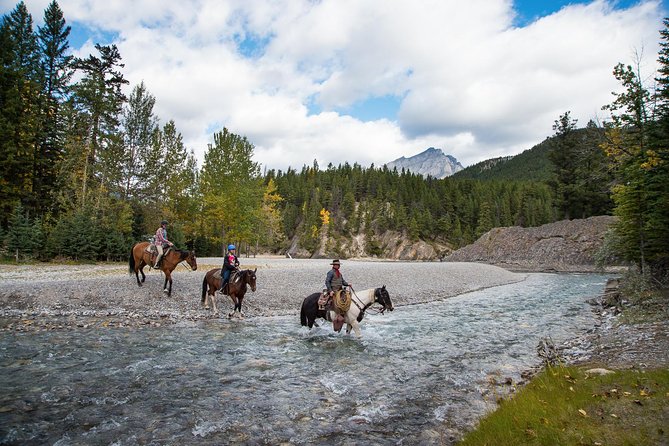
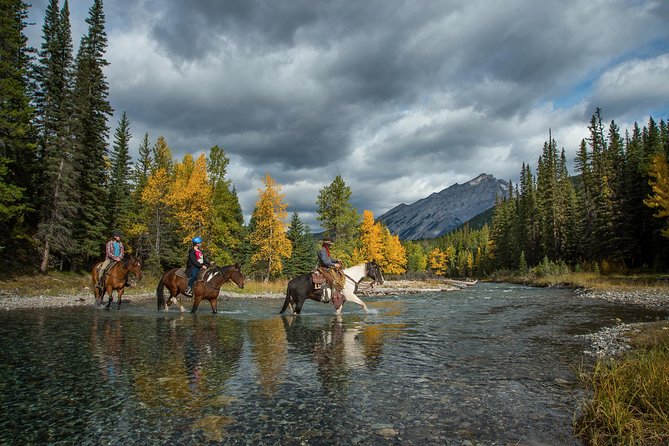
- Two river crossings: You cross the Spray River, then cross again near Bow Falls for extra wow moments.
- Sulphur Mountain focus: You’re riding through the area that people come to on foot, but you’re doing it on horseback.
- Small group, max 6: Fewer riders usually means more attention and a smoother experience on narrow trails.
- Helmet + basic instruction included: You get safety set-up before you head out.
- Sore-legs reality: It’s a full 4-hour ride, and some riders plan to feel it the next day.
Price and value: does $253.36 make sense?
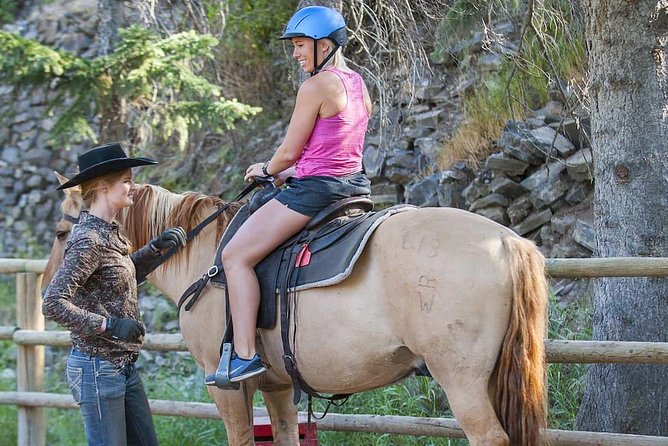
At about $253.36 per person for a roughly 4-hour guided ride, this isn’t the cheapest thing to do in Banff. But value here comes from what you’re actually getting: a real horse outing with lead and tail guides, use of the horse, mandatory helmet, and a small snack built into the tour.
You’re also not paying extra for hotel pickup and drop-off, because that’s not included. That can be good news or annoying news depending on where you’re staying. If you’re already close to Banff Trail Riders, the self-arrival setup can keep costs from creeping up.
The group size matters too. A maximum of 6 travelers means you’re less likely to feel like you’re riding through the park as part of a big moving crowd. And since this tour requires previous riding experience, you’re not paying for a basic “learn how to steer” session. Instead, it’s structured for people who can control their horse and follow the guide’s commands.
You can also read our reviews of more tours and experiences in Banff
Meeting at Banff Trail Riders (and why timing matters)
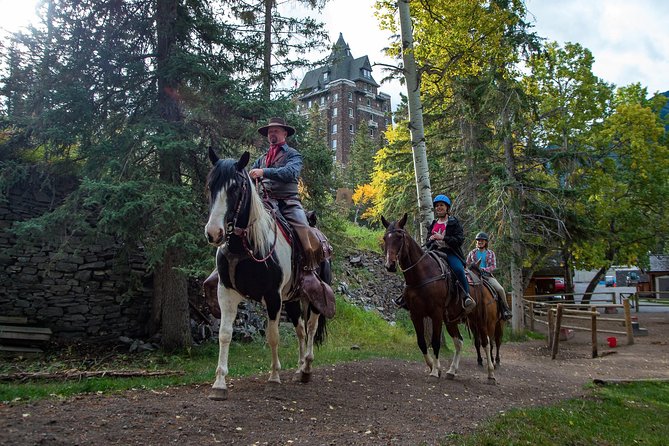
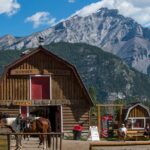
This ride starts at 12:30 pm, and you meet at Banff Trail Riders – Corrals on Spray Ave in Banff. The rule is simple but strict: arrive 30 minutes early. That isn’t just “check in when you feel like it.” With outfitting, safety briefing, and getting your horse sorted, being late can throw off the whole flow.
Also plan to bring a basic working knowledge of English. The ride is offered in English, and the operator specifically notes that riders need to understand simple instructions from guides. You don’t need to be fluent, but you do need to be able to follow straightforward commands during the ride.
One more practical point: the ticket is mobile, and you’ll get confirmation at booking. And it’s described as being near public transportation, so you won’t be forced into a car if you prefer transit.
Rider requirements: what you must be able to do
This tour is not “beginner friendly,” and the rules tell you why. It’s for riders with previous riding experience only, and riders must be physically capable of controlling the horse without assistance. That means you should feel comfortable with the basics of riding posture and control before you arrive.
There are also firm limits for safety and horse care:
- Maximum weight: 230 lbs. You may be asked to confirm your weight on a scale during check-in, and if you don’t meet the requirement, the booking is forfeited without a refund.
- Minimum age: 8 years old. Riders must be 8 or over, and children 17 and under must be accompanied by a parent or guardian. Children are not paired with an adult and must ride their own horse.
- No open-toe shoes or big heels. You’ll need long pants and sturdy, closed-toe shoes enclosed to the ankle.
- Helmet is mandatory. The helmet is included and required for everyone.
- Waiver required. Adults sign a waiver, and minors need a waiver by a parent or legal guardian.
If you have a disability or special needs, the provider states they can’t accommodate riders because they don’t have the equipment or skills to execute disabled riding safely. If that’s you, it’s worth looking for a different program that’s built for adaptive riding.
Getting your gear right: clothes that won’t sabotage your legs
The outfit rules are pretty clear, and they matter because you’ll be in the saddle for about four hours. I’d treat the shoe guidance as non-negotiable: closed-toe, ankle-enclosed footwear helps keep you stable around the corrals and while mounting and dismounting.
Long pants help with rubbing and sun, and they’re also a better fit for time on trail. Skip fashion shoes. On a horse ride, you want grip, protection, and comfort.
Helmet safety is covered. You won’t be hunting down a helmet at the last minute—just show up and wear it.
Stop-by-stop: what the ride feels like in real time
Here’s how the experience tends to unfold, and what each part gives you.
1) Banff National Park: the first switch in perspective
After the meet-and-greet and a safety briefing, you start riding through Banff National Park. Being 6 or 7 feet up changes everything. You see the shape of the valley faster, and you start reading the terrain in a more “mountain trail” way than “walkway view” way.
This is also where your hands learn the rhythm: your horse’s pace, the guide’s cues, and how the group stretches out and comes back together on trail.
One thing to expect: you may be on terrain that feels narrow and real. It’s a guided ride, but it’s still trail riding—so you’ll feel the ground under you and the direction changes.
2) Spray River Trail loop: trees, ruts, and river energy
Next you head into the Spray River area on what’s described as a trail loop. This is where the ride earns its “mountain trail” reputation. Some riders highlight the beauty of the trails, but another feedback thread points out that parts of the route can be mostly among trees and that trails may be rutted after heavy summer rains.
So here’s the honest way to plan for it: don’t assume every minute is wide-open scenery. You might get stretches that are more about the ride itself—stability, winding trail, and the sound of the river nearby—than dramatic vistas.
The payoff is that Spray River is alive. When you hear and see water moving through the valley, it adds motion to the whole outing.
3) Bow Falls: the payoff zone with a second crossing
The route brings you to Bow Falls, and this is where you’ll cross the river a second time. Two crossings is a big deal in a horseback tour. It’s not just a photo moment; it’s a shift in how the whole ride feels because your horse has to handle a new surface and direction.
Bow Falls is known for impact, and even if you don’t get a long stay on foot, you still get the experience of being there from the saddle—near enough to feel the environment and far enough to keep moving through the trail.
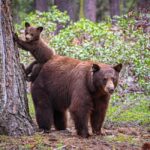
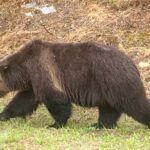
If you’re lucky, you might also catch wildlife sightings. One review specifically mentioned a black bear spotted close to the golf course area during the ride. Not guaranteed, but it’s a reminder that this route runs through real habitat, not just manicured paths.
4) Sulphur Mountain + Rimrock views: valley drama and hotel sightings
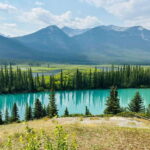
As you continue, you get riding sections associated with Sulphur Mountain. You’ll pass the Rimrock Resort Hotel area, trek down toward the valley, and later you’ll ride with views that look across the valley.
There’s also a very Banff-flavored moment later on: you ride past the fairways of the Fairmont Banff Springs Golf Course. It’s a surprising contrast—wild mountain ride energy, then you’re gliding along the edges of one of Banff’s most iconic resort backdrops.
Finally, you’ll get a short break with a small snack, then continue toward more valley views before heading back.
A practical note from real riding experience in this region: some sections of trail can feel physically demanding, and you may end up sore afterward. If you’ve never done a 4-hour saddle session, treat this as a workout, not a stroll.
The pace and riding style: what to expect from the horses
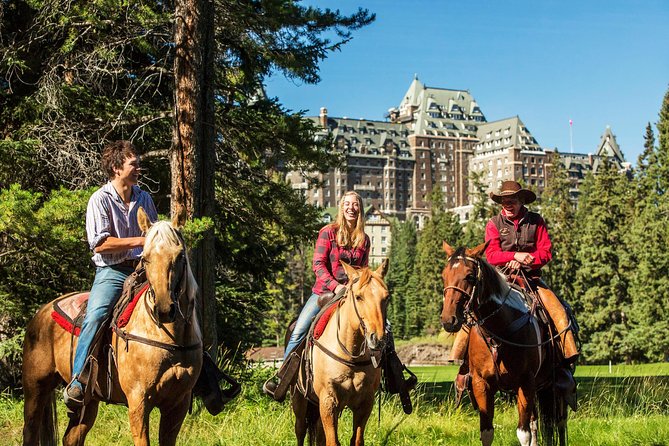
The route is guided with lead and tail guides, and you’ll get basic horseback riding instruction before you head out. But the key detail is the rider requirement: this is for people with prior experience. That usually means you shouldn’t expect the ride to be adjusted for absolute beginners.
What about movement—trot, gallop, and so on? The information you have here doesn’t guarantee a specific riding speed. One piece of feedback described limited movement with more time among trees and no big up-and-over mountain push. That doesn’t make it a bad ride—it just means you should treat it as trail riding rather than a speed-focused adventure.
In other words: plan for time in the saddle, steering cues, and trail negotiation. If you go in expecting it to feel like an open-road horseback movie scene, you might be disappointed.
What I’d call the best parts (the stuff you’ll remember)
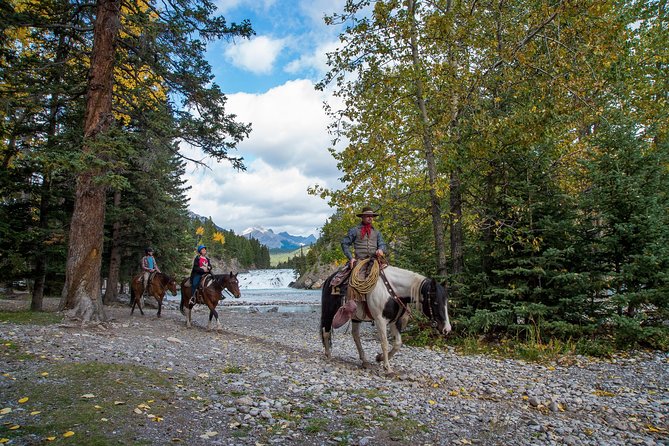
Based on the strongest feedback and the way this ride is structured, these are the moments that tend to land hardest:
- The guide factor: When the guide is on, the ride goes from scenic to memorable. Amber was mentioned by name in one standout account, and that kind of personal attention is exactly what you want when you’re riding with narrow trail margins.
- River crossings: Two Spray River crossings plus the Bow Falls crossing segments are big markers. Even photos aside, crossing water on horseback adds adrenaline.
- A real Banff National Park feel: You’re not just near the scenery—you’re inside the trail system, riding through the park area and valleys.
- The pace that doesn’t feel rushed: One review framed it as an excellent way to start a trip in Banff, with enough time to enjoy the ride without feeling constantly hurried.
A few realistic drawbacks to plan around
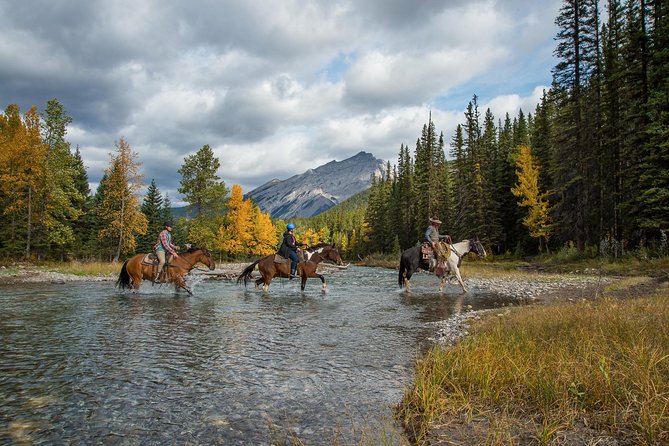
I like horseback rides that deliver on the “real outdoors” part, but I also respect that expectations vary. Here are the main considerations to keep you from being surprised:
- Trail coverage may be tree-heavy: If you want constant wide views, know that some parts may feel more forested than panoramic.
- Trail conditions can vary: After summer rains, trails can be rutted. That affects comfort and how much you want to lean into photos.
- Movement level isn’t promised: This is not described as a fast ride with guaranteed trot or gallop.
- It’s physically demanding: Plan for sore legs. It’s part of the deal with 4-hour trail riding.
Who should book this 4-hour ride?
This tour fits best if you:
- have previous riding experience
- want a guided trail ride rather than a casual beginner experience
- like river scenery and mountain valleys
- want a small-group outing (max 6) where guides can manage pacing and safety
- can meet the rider rules: weight limit, age minimum, English instruction comprehension, and required footwear and helmet compliance
It may not be the right match if you:
- want a beginner horse intro
- need adaptive riding support
- have mobility or control limitations that would prevent you from handling your horse independently
Should you book it?
Book this if you’re the type of traveler who likes to spend hours outside doing something active, and you’re comfortable riding already. This ride earns its price by combining horse time, guided safety, and multiple iconic Banff moments—especially river crossings and Sulphur Mountain-area views—within a small group.
Skip it if you’re looking for an easy, low-impact walk-on experience. And if you’re hoping for only open-sky mountain drama the entire time, you might prefer a different style of tour that’s more viewpoint-focused.
FAQ
FAQ
How long is the horseback ride?
The tour runs for about 4 hours.
Where do I meet for the ride?
You meet at Banff Trail Riders – Corrals on Spray Ave, Banff, AB T1L 1B3, Canada. It returns to the same meeting point.
What time does it start?
The start time is 12:30 pm.
What’s included in the price?
You get lead and tail guides, use of a horse, basic horseback riding instruction, a mandatory helmet, and a small snack.
What should I wear?
Wear long pants and sturdy closed-toe shoes enclosed to the ankle. Open-toe shoes and shoes with big heels are not allowed. A helmet is mandatory.
Is this ride for beginners?
It’s for riders with previous riding experience only, and you must be physically capable of controlling the horse without assistance.
Are there age or weight limits?
Yes. Riders must be at least 8 years old. Children 17 and under must be accompanied by a parent or guardian. There is a strict maximum rider weight of 230 lbs.
Do I need to sign a waiver?
Yes. Adults must sign a waiver, and minors under 18 require a waiver completed by a parent or legal guardian.
Can I cancel if the weather is bad?
The experience requires good weather. If it’s canceled due to poor weather, you’ll be offered a different date or a full refund. You can cancel up to 24 hours in advance for a full refund.