REVIEW · CALGARY
3-Day Glacial Tour package, Columbia Icefield, Jasper, LakeLouise
Book on Viator →Operated by Westar Travel Ltd. · Bookable on Viator
Three days. One giant mountain haul.
If you want the Rockies without the white-knuckle planning, this tour strings together the big names along the Icefields Parkway with a bilingual English–Chinese guide and tight sightseeing windows. You get guided stops that map to the region’s most famous glacier, lake, canyon, and waterfall moments, plus two nights in lodges so you’re not doing day-by-day driving stress.
What I really like is the practical bundle: two nights of accommodation plus park admission fees, bottled water, and even luggage tags. And instead of self-driving and guessing parking, you’re on an air-conditioned vehicle with the logistics handled, so you can focus on the views and the photo stops.
One thing to consider: this is a group bus tour, so pacing and seating can vary by group size and bus allocation, and it depends on weather and road conditions. On peak days, you should expect a brisk rhythm.
In This Review
- Key Things That Make This Tour Work
- Icefields Parkway: The Drive You Usually End Up Planning For
- Crowfoot Glacier and Bow Lake: The Warm-Up Before the Big Ice
- Peyto Lake and Athabasca Falls: Two Stops That Feel Different
- Columbia Icefield Glacier Adventure: This Is the Center of the Story
- Jasper Day Two: Maligne Canyon, Maligne Lake, and Medicine Lake
- Banff Day Three: Lake Louise, Moraine Lake Permit, and the Seasonal Swap
- Yoho National Park and Emerald Lake: A Softer Ending Than You Expect
- Price and Value: Why This Costs $867.40 and What You’re Paying For
- Guides, Buses, and the Pace: What Can Make or Break Your Trip
- Who This Tour Best Fits
- Should You Book This 3-Day Glacial Tour?
- FAQ
- How long is the tour?
- Where does the tour start and where do you return?
- What is included in the price?
- Are meals included?
- Is the Ice Explorer at the Columbia Icefield included?
- Is Moraine Lake included year-round?
- Do I need to book optional activities in advance?
- Is this tour refundable if I cancel?
- What happens if weather cancels the trip?
- What should I do about my connecting flight after the tour?
Key Things That Make This Tour Work
- Bilingual guide support: Mandarin/English interpretation helps you get context fast, not just a bus stop checklist.
- Icefields Parkway in one go: the driving is the “hard part,” and you’re doing it with someone who knows the route and timing.
- Glacier-and-lake highlight chain: Crowfoot Glacier view areas, Bow Lake, Peyto Lake, Athabasca Falls, Columbia Icefield, then on to Jasper and Banff.
- Two nights included: you sleep in the region (Jasper Town and Banff area logistics), so you can actually enjoy the stops instead of racing.
- Seasonal Moraine Lake strategy: a permit is included Jun 01–Oct 14, and the itinerary swaps to Lake Minnewanka and Two Jack Lake outside that window.
Icefields Parkway: The Drive You Usually End Up Planning For
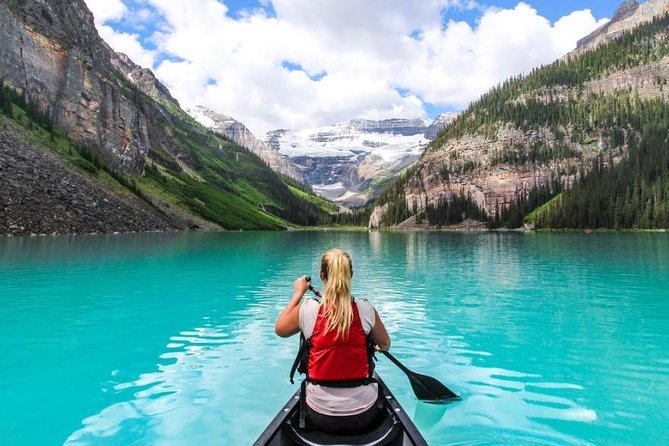
The Icefields Parkway is one of those routes where the act of getting there becomes part of the trip. It’s not a short hop. You’ll cover big stretches between towns, and the reward is constant: mountains in every direction, lakes flashing bright in summer, and glacier-fed scenery that keeps changing as you go.
On this tour, you’re not left to figure it out. You get an expert guide who explains what you’re looking at, and you stop at the viewpoints that most people only learn about after they’ve already burned time. The schedule is built around seeing several named locations in a single run, which is exactly how you get value out of limited vacation days.
Also, if you’ve ever tried to self-drive this region while fighting parking, shuttle lines, and your own fatigue, you’ll appreciate the simpler flow. You can keep your attention on the scenery instead of turning every turn into a mini-project.
You can also read our reviews of more tours and experiences in Calgary
Crowfoot Glacier and Bow Lake: The Warm-Up Before the Big Ice
Day 1 starts by moving you from Calgary toward the Banff-to-Jasper corridor. You begin with a quick orientation and pickup points, then slide into iconic Rockies scenery right away.
At the Crowfoot Glacier viewpoint, the key is to understand what you’re seeing. It’s named for its crowfoot shape, and it’s changing over time, so you’re not looking at something frozen in the past. Seeing it from the roadside helps you connect the glacier to the landscape, not just treat it like a postcard.
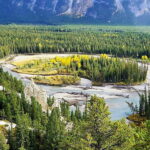
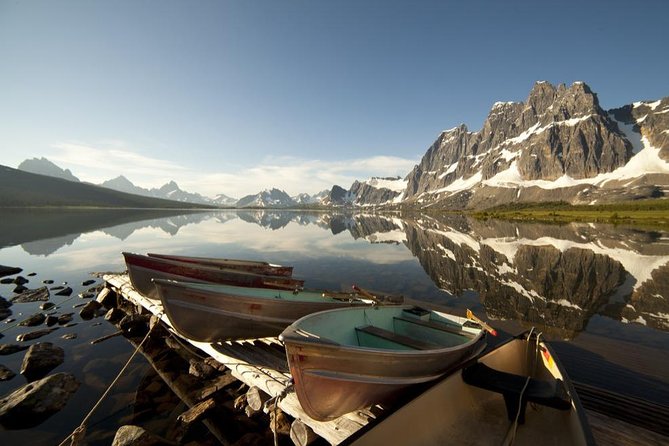
Next, Bow Lake is a classic Icefields Parkway stop. In summer, its vivid blue is linked to meltwater from the nearby glacier. Even if you don’t catch a perfectly dramatic light, Bow Lake is still a strong “reset stop.” It gives you wide views and a clear sense of scale—forests below, peaks behind, and water that looks almost unreal.
Practical note: these early stops are short. Use them for photos and quick scans, not long hikes. If you want long walks, you’ll need to plan those separately.
Peyto Lake and Athabasca Falls: Two Stops That Feel Different
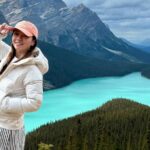
Peyto Lake is known for its turquoise color and its wolf-shaped appearance. That description isn’t just marketing—it lines up well with what you see from the main viewpoint area. The fun part is that the lake looks slightly different as you shift your angle, so you don’t need a huge time budget to get good photos.
Then you head to Athabasca Falls, about 30 km south of Jasper. It’s not about height. It’s about force and water volume. When the waterfall is loud enough, you stop thinking about schedules. You just stand there and listen while the mist hangs in the air.
This pairing—turquoise lake viewpoint, then thunderous waterfall—is a smart way to break up a glacier-heavy day. By the time you reach Jasper National Park end-of-day, you’ve had variety without losing momentum.
Columbia Icefield Glacier Adventure: This Is the Center of the Story
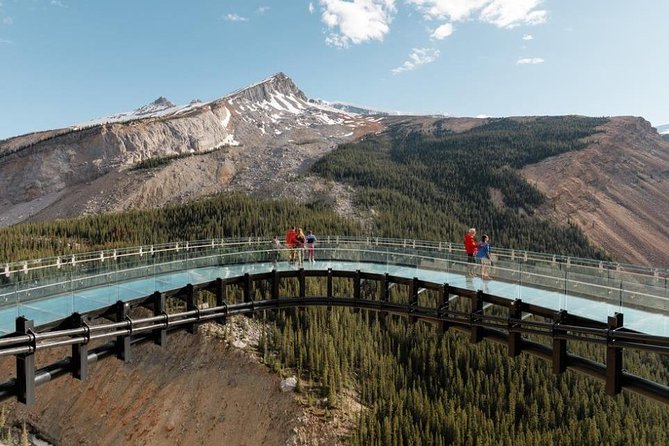
The biggest glacier moment is the Columbia Icefield, one of North America’s largest icefields, covering 325 square kilometers and feeding into eight glaciers. It’s the stop that most people are really aiming for, and it’s also where the tour gives you options.
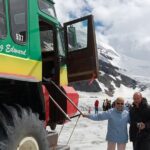
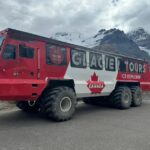
At the Columbia Icefield, you’ll have time to experience the area at a scenic pace. Riding the Ice Explorer is an additional charge, but it’s the kind of add-on that can turn impressive scenery into a more memorable experience because you’re getting closer to the glacier environment itself.
If you’re debating the add-on, ask yourself one question: do you want to spend your time just photographing from viewpoints, or do you want a guided physical experience on the icefield? If you’re the type who hates “looking but not doing,” the Ice Explorer can be worth considering.
Important context: this region can mean sudden temperature shifts and wind. Even in warmer months, dress as if it could get chilly quickly.
Jasper Day Two: Maligne Canyon, Maligne Lake, and Medicine Lake
Day 2 is the Jasper side’s highlight reel, and it’s a good change of pace from glacial driving.
Start with Medicine Lake, often called the lake that disappears. It’s about 7 km long and formed by the Maligne River, and water mysteriously loses itself as it flows. The name is dramatic, but the real value here is understanding how local geography changes water behavior. It’s not just a pretty stop; it’s a reminder that this terrain is active and evolving.
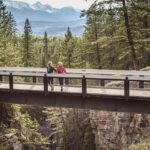
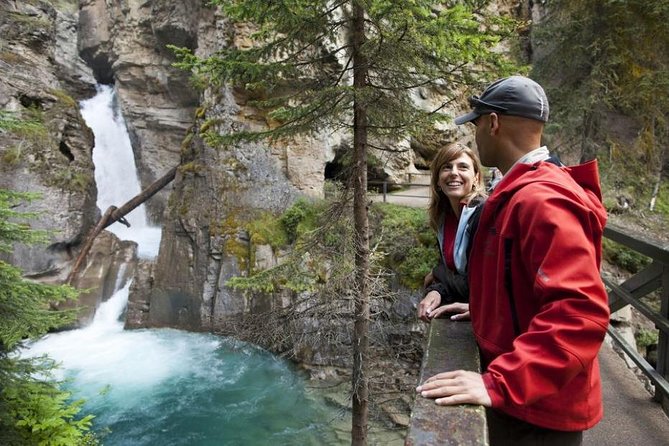
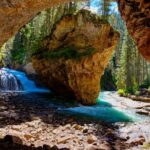
Then comes Maligne Canyon. It’s described as the deepest canyon in Jasper National Park, and you’ll cross six bridges as you move through the area. That bridge count matters because it shapes your experience: you get repeated vantage points instead of one single overlook. You’ll find it’s easier to capture photos and notice changes in rock color and depth as you go.
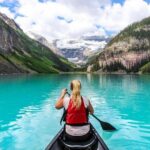
After that, Maligne Lake is where the mood shifts again. It’s the largest natural lake in the Canadian Rockies, stretching 22 km in Jasper National Park. It’s famous for turquoise water and Spirit Island, and the area is well set up for boat tours. In this package, those boat options are not included, but you’ll still get time on-site to take in the lake’s scale.
Lunch is built in around a historic-area stop at Maligne Lake Chalet and Guest House National Historic Site, with an optional lunch at additional cost.
At the end of the day, you’ll stop at Saskatchewan River Crossing. This is a historic place tied to fur-trade era routes and provides a meaningful pause before you head back toward Banff Avenue.
Banff Day Three: Lake Louise, Moraine Lake Permit, and the Seasonal Swap
Day 3 is built around Banff’s greatest hits, with special attention to Lake Louise and the Moraine Lake window.
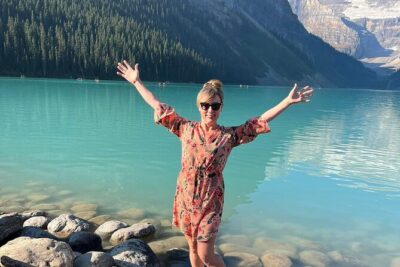
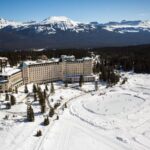
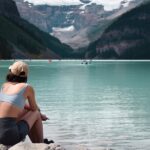
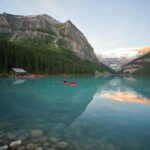
At Lake Louise, you get time to stroll along the shoreline and work your camera angles. It’s iconic for a reason, but what makes it satisfying on a tour like this is the way it’s scheduled: you’re not arriving at 6 a.m. to fight a crowd, and you’re not leaving immediately either. You get a realistic time chunk to enjoy it.
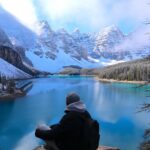
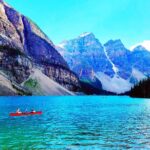
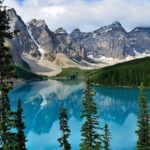
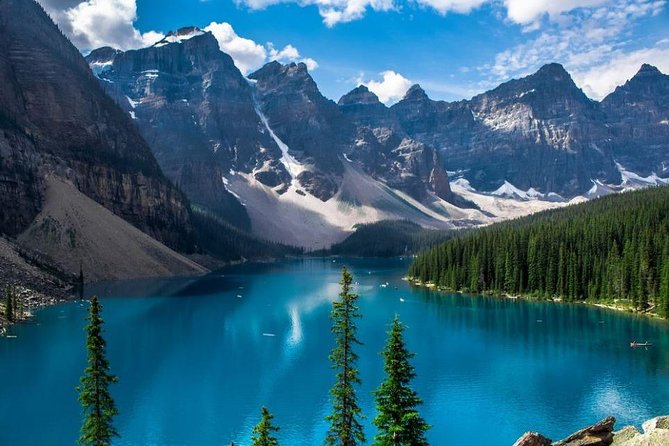
Next is Moraine Lake. This is the part you want to understand before you go. The tour includes a Moraine Lake sightseeing permit from Jun 01 to Oct 14. If your travel dates fall inside that season, that included permit is a major value piece because access can be constrained.
If you’re traveling outside that window, the itinerary swaps. From Oct 15 to May 31, Moraine Lake is replaced by Lake Minnewanka and Two Jack Lake. That’s not a downgrade so much as a reality check: the itinerary stays functional year-round. You’ll still get big-water views, just not the exact same lake.
Then there’s a lunch stop at Lake Louise Village Grill & Bar, with an option for an Asian or Western set lunch for an extra charge.
Yoho National Park and Emerald Lake: A Softer Ending Than You Expect
After Lake Louise, you’ll continue into Yoho National Park. Yoho is where the scenery keeps going, but the feel turns slightly quieter.
At Emerald Lake, you’ll have short time to appreciate the water color and the wooden bridge. It’s a simple stop and that’s the point. You get that postcard shot without committing to a long detour, and the surrounding forest-and-peak framing makes it feel complete.
Then you stop at Natural Bridge, looking over the Kicking Horse River as it cuts through ancient rock. The river has shaped the formation over time, and the stop is designed so you can view it from different vantage points. This is a good “final wow” moment because it’s a different kind of geology than what you saw earlier in the trip.
Finally, you make your way back toward Calgary. It’s a long wrap-up day, but the stops don’t feel random. They’re arranged as a gallery: icefield scale, canyon depth, lake drama, then river-rock structure.
Price and Value: Why This Costs $867.40 and What You’re Paying For
At $867.40 per person, you’re paying for more than transportation. You’re buying relief from planning: guided interpretation, an air-conditioned vehicle, admission fees that would otherwise become scattered add-ons, bottled water, and two nights in the area.
If you tried to replicate this yourself, you’d likely spend time (and sometimes money) on piecing together route timing, entry fees, parking, and accommodation choices between towns. This tour also limits the mental load. Your days are structured around “best use of daylight,” not around figuring out where you can squeeze one more stop.
The included guide service in English–Chinese can also be a value factor if you want context, not just directions. And the included Moraine Lake permit in the summer season is a concrete cost saver for anyone traveling between Jun and Oct.
Now, the trade-off for that value is you accept group timing. You may feel rushed at some stops, and seating can vary by bus size. Also, if wildfire or road changes hit, your experience can shift. That risk is part of Rocky Mountain travel, not unique to this company, but it’s worth keeping in mind.
Guides, Buses, and the Pace: What Can Make or Break Your Trip
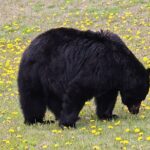
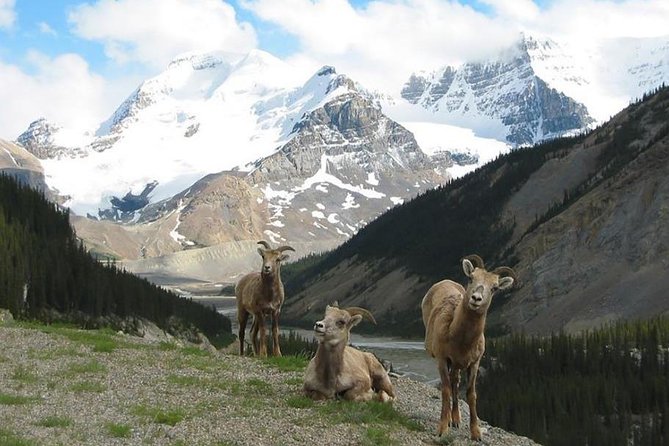
In the good scenarios, this tour is smooth and informative. I heard praise for guides who communicate clearly and handle Mandarin–English interpretation without slowing everything down. Names that came up include Lisa and Jaela, and the driver/guide Joe, who reportedly paused the bus for wildlife sightings when possible. That kind of flexibility is exactly what turns “a schedule” into a trip.
That said, there’s also a reality check. Some departures can feel rushed, especially around lunch. And bus comfort can be uneven. One negative note was about being placed in a small bus on the last two long days and having limited ability to hear the driver/guide. Another concern was hotel settling timing and not knowing the exact hotel until the guide dropped people off.
Here’s how you protect yourself from the downsides:
- Aim to arrive ready for short photo moments at each stop. This tour works best when you treat time as a limited resource.
- If you’re sensitive to legroom or noise, ask about seating preferences at pickup when possible.
- Bring layers. Even when the day is sunny, glacier-area wind can change the feel fast.
Who This Tour Best Fits
This is a strong fit if you:
- Want to see Calgary, Jasper, and Banff highlights without driving yourself through the scenic stress.
- Prefer a guided pace with explanations, especially with bilingual support.
- Like a “greatest hits” approach where you can tick off major stops like Columbia Icefield, Maligne Canyon, Lake Louise, and Emerald Lake in a short time.
It may be less ideal if you:
- Want long, unhurried hikes at each location (this tour is built for stops, not all-day wandering).
- Are extremely picky about bus seating comfort and quiet communication.
- Need a very stable, never-change-it itinerary. Weather and wildfire can force changes in the Canadian Rockies.
Should You Book This 3-Day Glacial Tour?
If your goal is to maximize views in three days, this tour is easy to recommend. The structure is the selling point: guided Icefields Parkway driving, major stops that people plan around for their own trips, and two nights so you’re not turning the entire vacation into a packing-and-unpacking routine.
Book it if you want:
- Guided interpretation with Mandarin–English support
- A practical way to hit the glacier, canyon, and lake highlights
- Included access details that matter in the summer (like the Moraine Lake permit)
Skip it or approach with eyes open if you:
- Are highly sensitive to group pacing and bus comfort
- Need full control over daily timing
- Want meals included and already know you’ll be spending extra on lunches and add-ons
If you like being guided and you’re flexible with weather realities, this is a solid value way to experience some of the Canadian Rockies’ most famous scenery—without doing the hard work of arranging it yourself.
FAQ
How long is the tour?
It runs for 3 days, with the itinerary spread across three sightseeing days and about two nights of accommodation.
Where does the tour start and where do you return?
You start from Calgary (with designated pickup points) and the plan returns you to Calgary at the end.
What is included in the price?
The package includes an air-conditioned vehicle, a bilingual guide service (Mandarin/English during the tour), hotel accommodations as listed, gratuities, park admission fees, bottled water, and luggage tags.
Are meals included?
Meals are not included, except that lunch stops are part of the day structure with optional meals at additional cost.
Is the Ice Explorer at the Columbia Icefield included?
No. The Columbia Icefield Ice Explorer ride is an optional add-on with an additional charge.
Is Moraine Lake included year-round?
Not exactly. A Moraine Lake sightseeing permit is included from Jun. 01 to Oct. 14. From Oct. 15 to May 31, the itinerary replaces Moraine Lake with Lake Minnewaska and Two Jack Lake.
Do I need to book optional activities in advance?
Yes. Optional add-on activities and meals listed in the itinerary must be booked at least 10 days before the tour start, and availability can affect what’s offered.
Is this tour refundable if I cancel?
No. This experience is non-refundable and cannot be changed for any reason.
What happens if weather cancels the trip?
If it’s canceled due to poor weather, you’ll be offered a different date or a full refund.
What should I do about my connecting flight after the tour?
If you have a connecting international flight after the tour, make sure it departs after 10:30 pm, since arrival time back in Calgary can vary with traffic and weather.