REVIEW · BANFF
Banff: Introduction to Ice Climbing for Beginners
Book on GetYourGuide →Operated by Alpine Air Adventures Inc · Bookable on GetYourGuide
Ice climbing in Banff feels like a new language. This beginners class lets you climb a frozen waterfall while learning key movement skills with safety-first coaching. You’re not just watching winter sports happen, you’re getting hands-on right away.
I also like how the format makes progress feel real: you’ll practice the basics like walking on crampons and using an ice axe, then put that into action on rope. Even better, you get all the technical gear so you can show up focused instead of hunting for equipment.
One consideration: you’ll spend the day outdoors in cold, and you also need your own transportation to the meeting point and the climbing site, which can shift with conditions.
In This Review
- Key things that make this beginner ice climb click
- Ice Climbing in Banff: What You’re Really Here to Learn
- From crampons to top rope: Your 7-hour progression
- 1) Safety briefing and how the day works
- 2) Getting suited up and understanding the gear
- 3) Walking on crampons: the footwork that changes everything
- 4) Using the ice axe and placing your hands
- 5) Top-rope belaying basics
- 6) Climb time: turning skills into movement on ice
- Meeting point in Banff and how the climbing site gets chosen
- Gear included means you can focus on learning, not shopping
- What to bring for a Banff ice day
- Certified guides and the small coaching choices that matter
- Price and value: Is $179 a fair deal for a first ice climb?
- What the day feels like: mastering body positioning on real ice
- Who should book this beginner ice climbing course, and who shouldn’t
- Should you book Banff: Introduction to Ice Climbing for Beginners?
- FAQ
- How long is the Banff introduction to ice climbing for beginners?
- What is included in the price?
- Do I need transportation to the climbing site?
- Where do I meet the guide?
- What should I bring for the day?
- Can I cancel or pay later?
Key things that make this beginner ice climb click
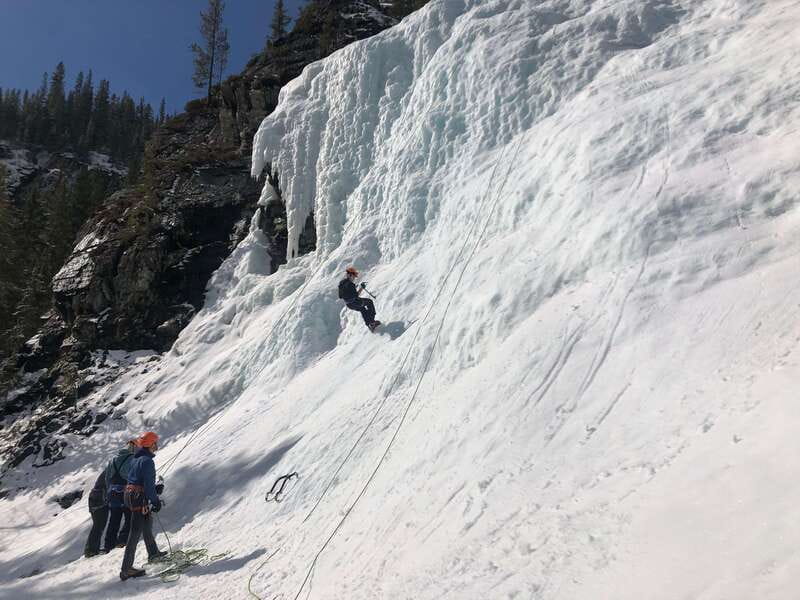
- Frozen waterfall time: You’re climbing, not just learning theory.
- Crampon and ice-axe fundamentals: You’ll practice the footwork and tools that keep you steady.
- Top-rope belay instruction: You’ll learn rope basics as part of the safety-first approach.
- ACMG-certified guides: Guides are ACMG and/or IFMGA, and Canadian Avalanche Association certified.
- Two-level practice setup (when conditions allow): Your day may include easier and more challenging rope options so you can get more tries.
- All gear included: Helmet, harness, boots, crampons, and an ice axe are provided.
Ice Climbing in Banff: What You’re Really Here to Learn
Banff winter gives you the raw materials for a great first adventure: cold air, dramatic frozen features, and a sport that feels both technical and surprisingly learnable. This program is built for true beginners, which matters. Ice climbing can look intimidating, but the teaching focus is on repeatable skills you can build on in a single day.
Your main goal is confidence. Not fake confidence. Real confidence from learning how your body moves on ice, how you use crampons, and how rope systems work in a top-rope setup. If you’ve ever tried skiing or rock climbing and wished someone had slowed things down just enough to make you competent quickly, you’ll recognize that same smart teaching style here.
This is also a good way to experience winter beyond photos. You’ll spend hours in a real climbing environment, where every small skill—stance, weight shift, hand placement—affects how safe and comfortable you feel.
You can also read our reviews of more tours and experiences in Banff.

From crampons to top rope: Your 7-hour progression
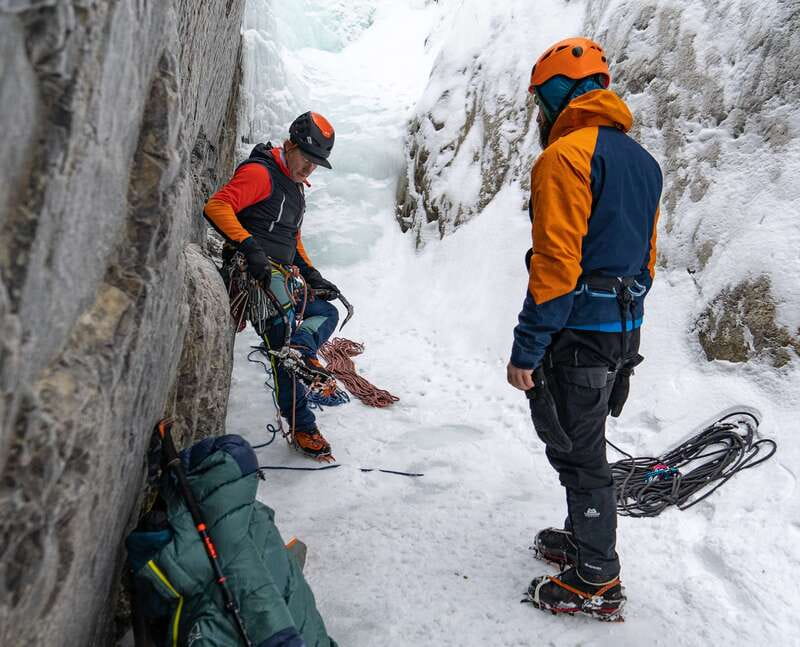
Plan on about 7 hours total, with a meeting time around 8 or 9am and a finish around 3 or 4pm. The exact schedule can shift with conditions, but the teaching arc stays consistent: safety briefing first, then gear use, then skill practice, then climbing time.
Here’s the flow you should expect.
1) Safety briefing and how the day works
You’ll start with a safety briefing and instructions designed for beginners. This isn’t a vague pep talk. The goal is to help you understand how you’ll move, where you should stand, and how the rope system supports you while you learn.
Since ice climbing is unforgiving, this step is what turns nerves into a plan. You’ll learn how to listen to your guide’s commands and how to focus on what matters in the moment.
2) Getting suited up and understanding the gear
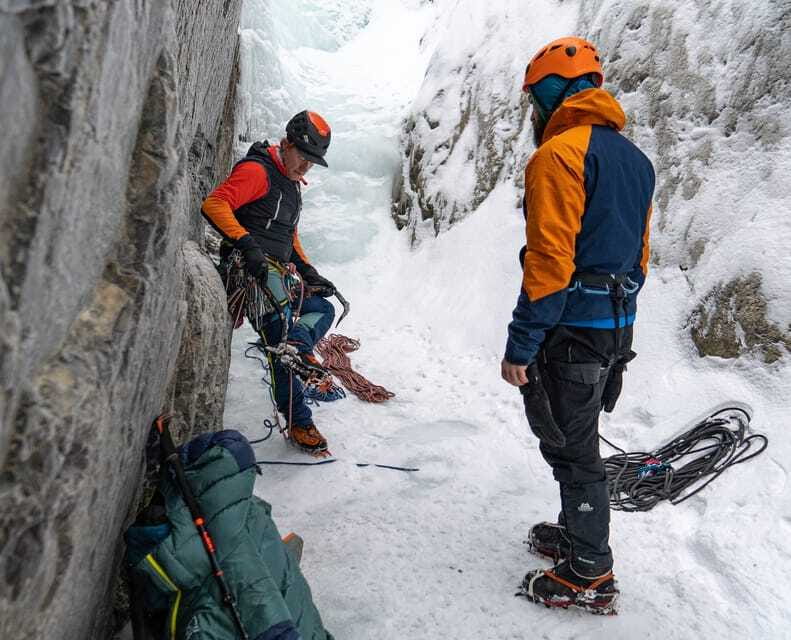
You’ll have all technical gear provided: helmet, harness, boots, crampons, and ice axe. That’s a big value point for beginners because good equipment can be expensive and hard to source on short notice.
What still matters is how the gear fits and how you move with it. Your guide will show you how things should feel and how to adjust your body so the tools work with you, not against you.
3) Walking on crampons: the footwork that changes everything
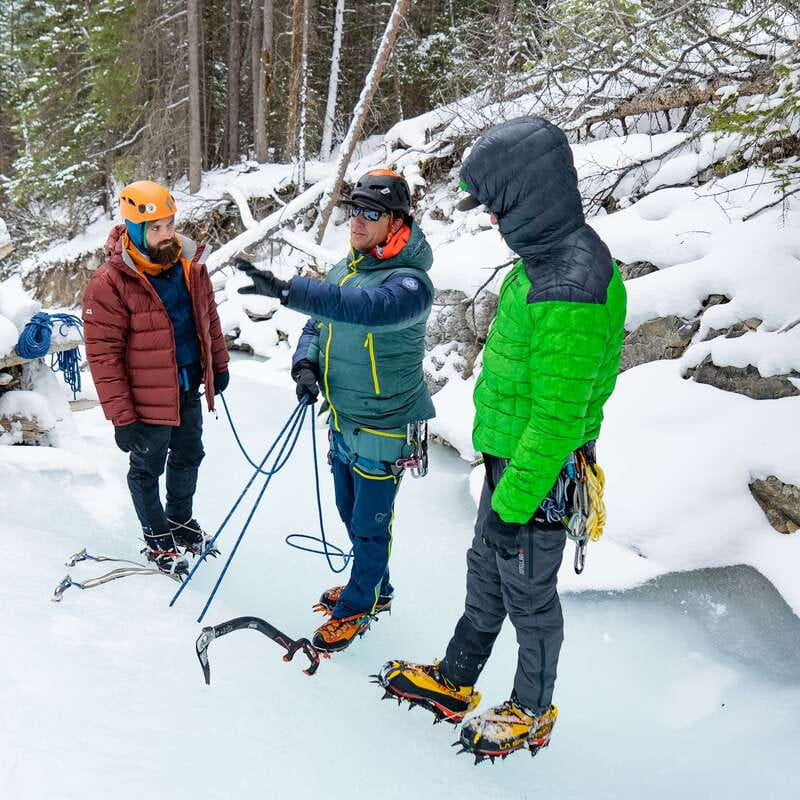
One of the best parts of this day is the focus on crampon technique. Walking with crampons is not like walking in regular boots. The soles have aggressive points, and you have to learn how to place your feet deliberately.
Your guide will help you learn movement patterns that feel stable on ice. You’ll also start to notice how tiny changes in angle and pressure affect grip. That’s where the skill becomes real.


4) Using the ice axe and placing your hands
Ice axe technique can feel awkward at first because your body must coordinate hands and feet while keeping balance. You’ll get tips on safe, controlled movement and how to keep your posture working for you.
Expect instruction that focuses on practical hand placement and body awareness, since that’s what you need to avoid sloppy motions.
5) Top-rope belaying basics
This is where beginners often learn the sport’s rhythm. You’ll discover the art of belaying top rope, with instruction aimed at safety and clear steps. Even if you’re mainly climbing that day, understanding the rope system helps you trust what’s happening above you.
Top-rope formats are often the best first step because they let you practice climbing movements while keeping the emphasis on safety and coaching.
6) Climb time: turning skills into movement on ice
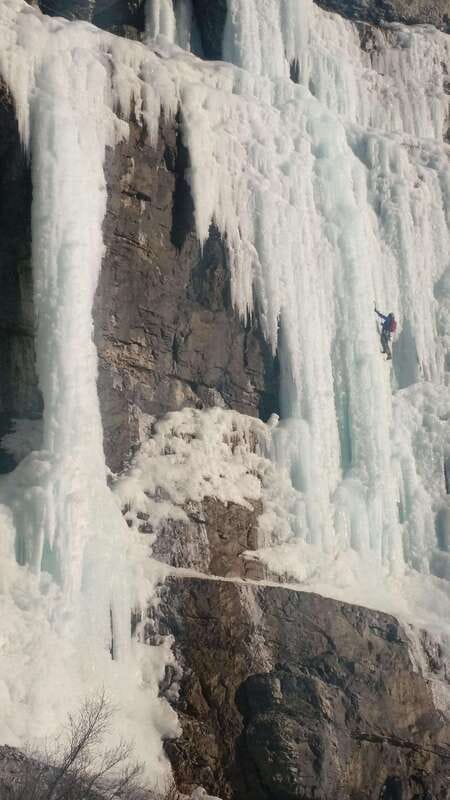
The highlight is getting on the frozen feature. The day includes time climbing a frozen waterfall, which is the kind of dramatic target that makes you forget you’re learning.
In one cold-weather example from a guide, the day ran around -20°C, and the guide used thoughtful tactics to keep the experience enjoyable. The key lesson is this: a good beginner program doesn’t just teach moves, it teaches how to keep your body working when it’s bitter cold. (More on that below.)
Meeting point in Banff and how the climbing site gets chosen
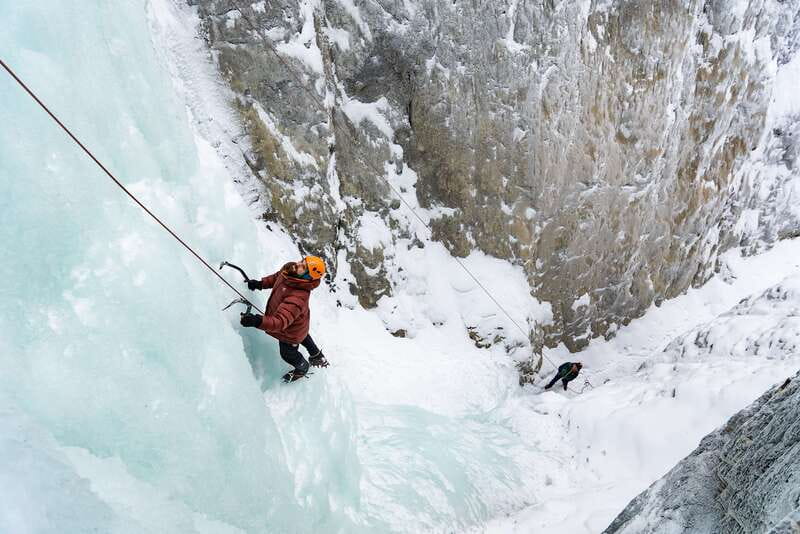
You’ll meet your guide at the Alpine Air Adventures office at 229 Bear St, lower level under the movie theatre. You’ll need your own car for both the meeting point and the climbing site.
Here’s the practical twist: the field day may be held in Banff, Lake Louise, or Field BC. Sometimes the location changes depending on conditions. That detail matters because it affects driving time and how early you should leave. You’ll get final logistics in a package emailed 3 days prior.
So if you’re building your trip schedule, give yourself wiggle room. Leave extra time for winter driving and for the fact that the day’s location can shift.
Gear included means you can focus on learning, not shopping
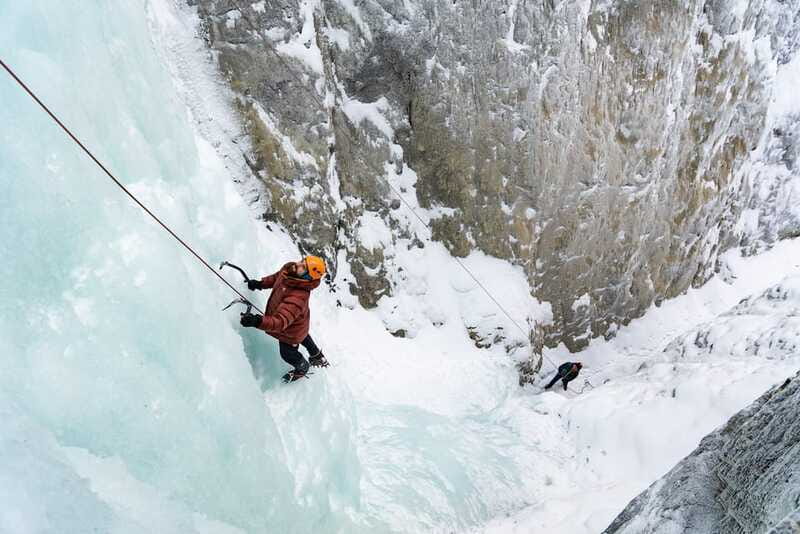
This program includes all technical equipment: helmet, harness, boots, crampons, and ice axe. For a first-timer, that’s huge. Ice climbing gear is specialized, and you don’t want your first attempt to be limited by the wrong boots or an uncomfortable harness fit.
Still, you need to bring the right clothing so you don’t spend the day fighting cold.
What to bring for a Banff ice day
Bring warm clothing and winter-ready layers. The essentials listed include:
- Gloves
- Jacket
- Snow clothing
- Food and drinks
Also, think about warmth as part of your climbing performance. If your hands are cold, your grip suffers. If you’re shivering, your posture goes sloppy. This is one of those activities where small comfort problems can become safety problems fast, so treat winter layering like a serious part of the “gear” even if the climbing hardware is provided.
Certified guides and the small coaching choices that matter
The program’s backbone is guide certification. All guides are ACMG and/or IFMGA, and they’re also Canadian Avalanche Association certified. That combination matters because ice climbing is both technical and weather-dependent. You want someone who’s trained to manage conditions and keep instruction disciplined.
The most highly praised parts from firsthand feedback focus on the guide style: clear tips, patient coaching, and smart adjustments when the weather is brutal.
One standout example is a guide named Shea, who led an ice climbing day at about -20°C. What impressed me in the story is not just that the day ran in extreme cold, but that Shea worked hard to keep participants warm so the temperature didn’t ruin the learning goal. That included coaching tips throughout the day and structuring the climbing so people could keep trying without freezing out.
Shea also set up two different level ropes, which gave participants a choice between a slightly easier or more challenging course. That’s a beginner-friendly approach because it reduces frustration. You can progress at your pace, keep momentum, and still get enough climbing reps to learn something meaningful.
Price and value: Is $179 a fair deal for a first ice climb?
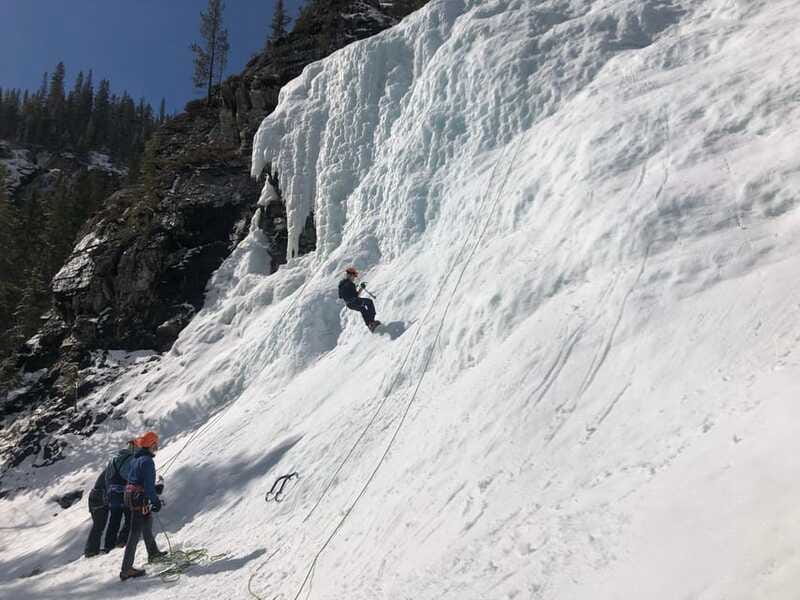
At $179 per person for a 7-hour experience, the value depends on what you’d otherwise spend and what you’d otherwise need to figure out.
Here’s what you’re paying for:
- A full beginner teaching day (not a quick demo)
- ACMG/IFMGA-certified guiding plus avalanche-related certification standards
- All technical gear, including crampons and ice axe
- Instruction that covers both movement and rope basics (crampons, ice axe, top rope belaying)
If you were to rent gear elsewhere and hire a guide for a one-off session, the cost often climbs quickly. Even more important than price is the “learning efficiency.” Beginner ice climbing is easiest when instruction is structured and safety is tight. This program is built to get you climbing while teaching the skills you’ll need to progress later.
The main value “risk” is the logistics part: you need transportation and you’ll be outdoors in winter conditions for most of the day. If you’re not equipped for that, the experience might feel harder than it needs to be. If you show up prepared, the price-to-time-to-instruction ratio is strong for a first day on ice.
What the day feels like: mastering body positioning on real ice
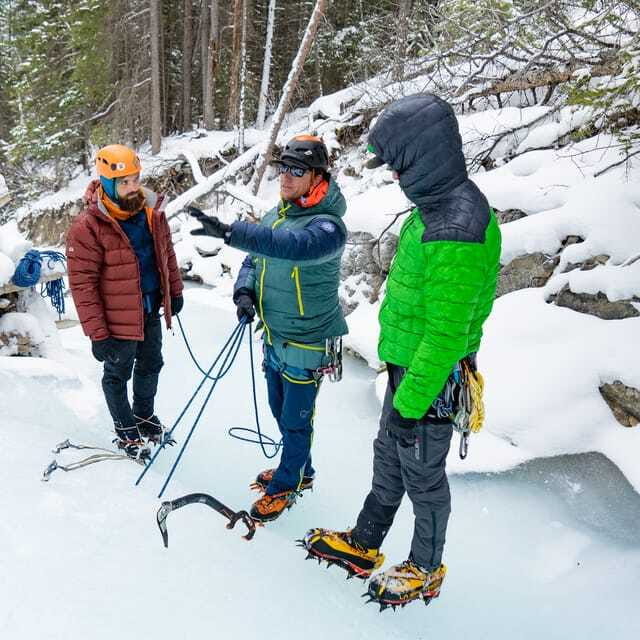
Ice climbing has a learning curve that’s both physical and mental. Your feet and hands are involved, but the real breakthrough is body positioning. When you learn where to place your weight, how to stay balanced, and how to move with intent, ice stops feeling random and starts feeling controllable.
This program specifically highlights:
- Mastering new movement skills
- Becoming aware of body positioning
- Learning how to walk on crampons and belay top rope
That focus is why beginners often walk away with a skill set they can carry into future climbs, not just a single photo-worthy ascent.
Also, because the sport is taught with a safety-oriented approach, you’re learning how to act safely while climbing. You’ll understand the basics of top-rope systems rather than guessing.
Who should book this beginner ice climbing course, and who shouldn’t
This is designed as an introduction for beginners. It’s especially well-suited if you want:
- A structured way to learn a new winter hobby
- A guided day that gets you climbing, not just observing
- A skills-focused experience to improve your confidence on ice
It can work for families with kids ages 14+. It’s also a natural fit for friends who want an active day together in the Banff area.
It is not suitable for:
- Children under 14
- Pregnant women
- People with mobility impairments
- Wheelchair users
If you’re unsure whether the physical demands fit your situation, it’s worth asking ahead rather than assuming. Ice climbing involves balance, cold exposure, and movement with technical equipment.
Should you book Banff: Introduction to Ice Climbing for Beginners?
Book it if you want your first ice climbing day to be guided, structured, and gear-supported. The included crampons, ice axe, and harness plus instruction on crampon walking and top-rope belay make it a strong starter course. And the best-rated detail—guides who keep you warm and set up routes that match comfort and challenge—helps turn a hard day of weather into a learning day.
Skip or reconsider if cold exposure is a major issue for you or if you don’t have a way to handle winter driving. Also, if you know you need accessibility accommodations beyond what the activity supports, this program isn’t listed as suitable.
If you’re the type who likes hands-on learning and you want a real winter skill, this is one of the more practical ways to do it in the Banff area.
FAQ
How long is the Banff introduction to ice climbing for beginners?
The experience runs for about 7 hours, with a meeting time around 8 or 9am and an end time around 3 or 4pm.
What is included in the price?
The price includes the climbing experience, a safety briefing and instructions, an ACMG-certified mountain guide, and all technical gear such as helmet, harness, boots, crampons, and an ice axe.
Do I need transportation to the climbing site?
Yes. You’ll need your own transportation to both the meeting point and the climbing site.
Where do I meet the guide?
Meet your guide at the Alpine Air Adventures office at 229 Bear St on the lower level, under the movie theatre.
What should I bring for the day?
Bring warm clothing, gloves, a jacket, snow clothing, and also food and drinks. The day is outdoors in winter conditions.
Can I cancel or pay later?
Yes. You can reserve now and pay later, and you can cancel up to 24 hours in advance for a full refund.