REVIEW · BANFF
Banff National Park- Double Kayak Experience
Book on Viator →Operated by The Banff Canoe Club · Bookable on Viator
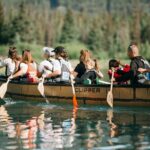
Double-kayaking in Banff is pure reset. You get two very different stretches of water—turquoise Bow River scenery followed by the still, reflective calm of Vermilion Lakes—guided by friendly pros who make it feel safe and fun. I especially love how the trip mixes big views with hands-on help, and how guides like Maddie, Ben, Darby, Amelia, and Abby share action photos at the end.
One thing to think about first: this is not recommended if you have no previous kayaking experience, and you should be comfortable with a moderate physical fitness level for the time on the water.
In This Review
- Key highlights I’d circle first
- Banff’s double kayak setup: what you’re really signing up for
- Your start point: Banff Canoe Club by Bow Ave and Wolf St
- Stop 1: Bow River paddle for turquoise water and wildlife chances
- Stop 2: Vermilion Lakes for reflections, quiet water, and wide-open skies
- The beaver dam moment: where the guide earns their keep
- Guides and the free action photos: the human touch that makes it feel special
- Price and value: why $127.38 per group can be a smart call
- Who should book this double kayak tour (and who should skip it)
- Practical tips that come straight from the experience
- Quick note on cancellation and weather (kept short)
- Should you book the Banff double kayak experience?
- FAQ
- Where is the meeting point for the Banff double kayak tour?
- How long does the experience take?
- How much does it cost, and how many people can be in a group booking?
- What’s included with the tour?
- Where do we paddle during the trip?
- Is previous kayaking experience required?
- What level of fitness is recommended?
- Do the guides take photos?
- What happens if the weather is poor?
- Do I receive a mobile ticket?
Key highlights I’d circle first
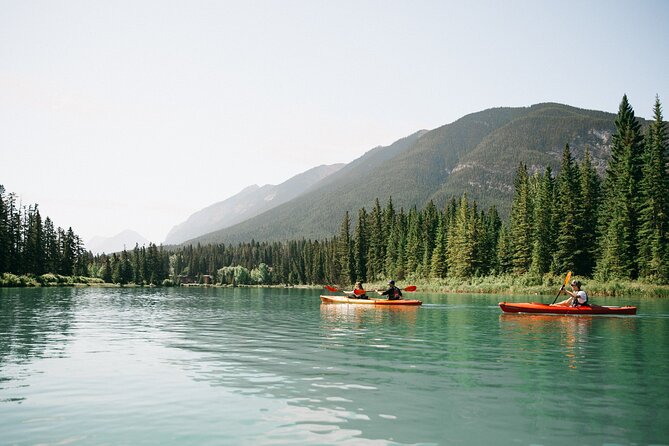
- Two paddling worlds in one tour: Bow River plus Vermilion Lakes
- Small group size (max 12): easier to get guidance and keep the pace comfy
- Guides that help with tricky moments: including support during a beaver dam crossing
- Free group action photos: guides take pictures and share them after the trip
- All the basics included: kayak, paddles, life jackets, and a trip leader
- Morning timing can help: one July review notes an 8am start that feels cooler and calmer
Banff’s double kayak setup: what you’re really signing up for
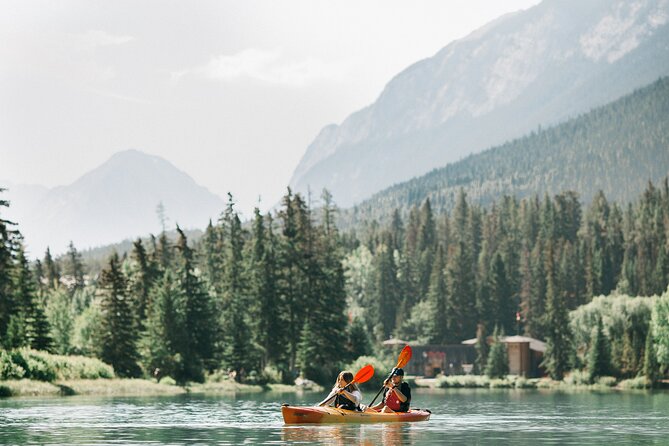
This Banff National Park experience is built for people who want the scenery without the stress of figuring out everything on their own. You’ll go out on a double kayak (so you and a partner share the boat), and the trip is guided from start to finish by the Banff Canoe Club team. The tour runs about 2 hours, and it’s offered in English with a cap of 12 travelers, which keeps it from feeling crowded or rushed.
At $127.38 per group (up to 2), you’re paying for more than just a rental. You’re also paying for a leader on the water, life jackets, paddles, and the kind of local know-how that matters when the route gets narrow or when there’s something unexpected like a beaver dam to navigate.
The best fit is clear: if you’re already comfortable getting around in a kayak and you want an easy-going morning break after hiking or biking, this is a great use of your Banff time. If you’re completely new to kayaking, you’ll likely feel happier choosing a beginner-focused option instead.
You can also read our reviews of more tours and experiences in Banff
Your start point: Banff Canoe Club by Bow Ave and Wolf St
You meet at the Banff Canoe Club, at the corner of Bow Ave and Wolf St in Banff. That matters because it keeps the day simple. You’re not dealing with long drives into remote access points, and you can focus on getting on the water.
The tour ends back at the meeting point, so you’re not left wondering about transportation afterward. You’ll also get a mobile ticket, which is handy if you’re bouncing between trailheads and shuttle stops during the rest of your day.
For planning your schedule: this activity needs good weather. If conditions don’t cooperate, you’ll be offered a different date or a refund.
Stop 1: Bow River paddle for turquoise water and wildlife chances
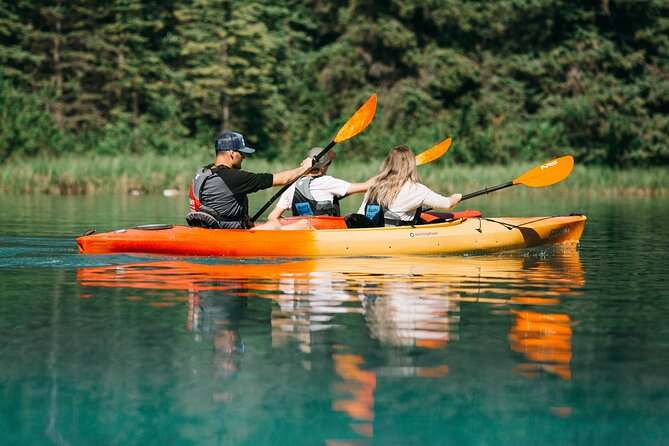
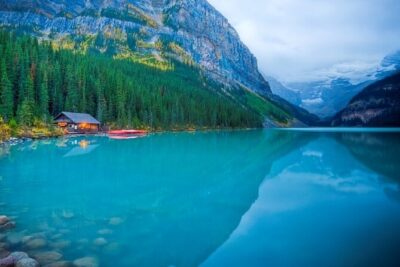
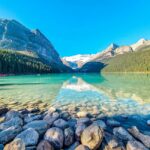
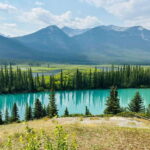
The first part is on the Bow River, and the vibe here is scenic, wide, and calming. Expect water that’s described as stunningly turquoise as it threads through towering mountains and lush forest areas. This is the kind of setting where you can relax your shoulders a bit because the view does a lot of work for you.
What makes the Bow River stop especially worthwhile is variety. You’re not just staring at mountains the whole time. The river also runs through wildlife habitat, so you have real chances to see animals along the banks, depending on conditions. One review also points out lots of wildlife around during the trip, which is exactly the kind of payoff you hope for in Banff.
The only caution I’d keep in mind is that the route can involve narrower sections and some active navigation. You aren’t just floating in a straight line the whole way.
Stop 2: Vermilion Lakes for reflections, quiet water, and wide-open skies
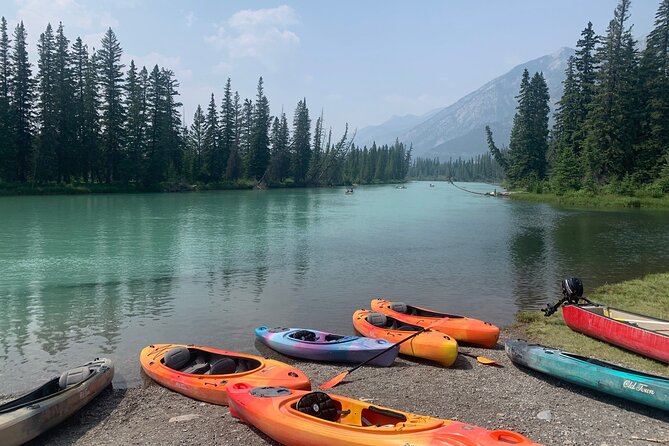
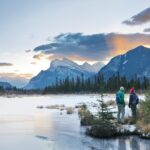
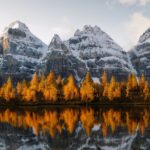
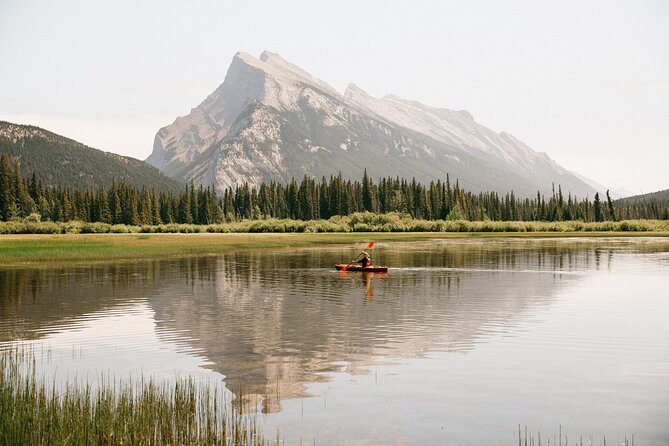
Then you shift to Vermilion Lakes, a calmer-feeling spot designed for the pause-and-watch side of your vacation. The water here is described as mirror-like, reflecting the peaks and the expansive Alberta sky above it. This is where the trip gets slower in a good way.
This second stop also brings a different kind of nature: the lakes area includes wetlands, and that supports diverse wildlife. So while the scenery looks different, the “watching nature” theme continues. If you like photos, Vermilion Lakes is an easier place to capture them because the water’s stillness helps reflections do the heavy lifting.
There’s also a practical reason this stop works as part of a double-kayak tour: it gives you a second setting after the river section. You end up feeling like you got more than one experience, even though the total time stays around two hours.
The beaver dam moment: where the guide earns their keep
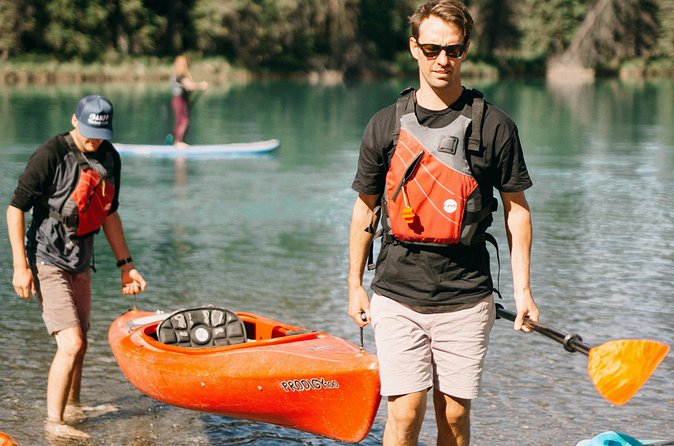
One detail that comes up repeatedly is that the tour includes a beaver dam crossing, and the guides help you through it. That’s not just a fun story point. It’s the reason this trip is worth doing with a group leader instead of going out on your own.
Crossings like this are where beginners can feel uneasy and where experienced paddlers still appreciate coaching. Reviews specifically mention guides helping cross the beaver dam and doing it patiently, even when the pace needed to slow down for everyone’s comfort.
You should also know that the route can include narrow sections. So if you’re the type who likes to take pictures constantly, keep an eye on where your kayak is going first. One review includes a cautionary tale: a phone was lost in the lake during picture-taking, and it was not something that could be retrieved. In other words, treat your valuables carefully and don’t let the camera override basic safety.
Guides and the free action photos: the human touch that makes it feel special
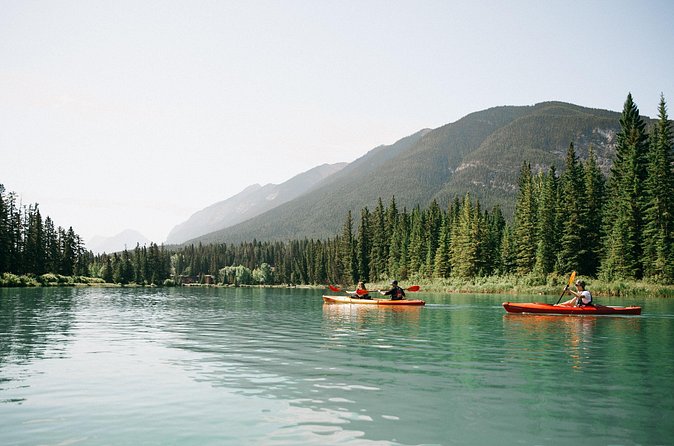
If you’re wondering what sets this tour apart from a basic paddle, it’s the people running it. Reviews highlight guides who are welcoming, informative, patient, and genuinely fun. Names mentioned include Maddie, Darby, Ben, Amelia, and Abby, and the common theme is that they kept the experience flowing while still paying attention to safety.
Another standout: several reviews say the guide took many action photos during the trip and sent them to the group at the end for free. That’s a nice perk because you’re on the water moving through scenes that are hard to photograph well unless you’re stopping constantly.
If you care about wildlife and photos, do this early in the day when things feel calmer. One review notes an 8am July start felt great because it wasn’t too hot yet, and the crowd situation was better than later in the day. Early timing won’t guarantee wildlife, but it often improves the overall experience.
Price and value: why $127.38 per group can be a smart call
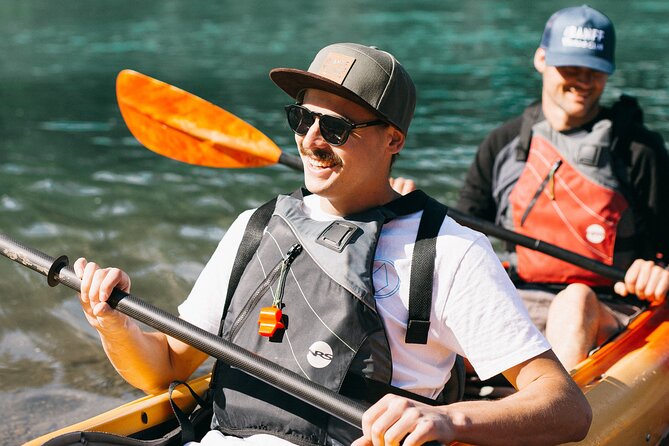
Let’s talk value without making it complicated. At $127.38 per group (up to 2), you’re paying for:
- a kayak and paddles
- life jackets
- a trip leader in the mix
- guidance for navigating the route, including more “active” moments like the beaver dam crossing
If you’ve ever tried to rent gear and figure out logistics yourself in a national park area, you already know the hidden costs: time spent hunting down rentals, figuring out where to go, and then learning on the fly. Here, the guide handles the route and the safety pacing, and you get to focus on the scenery.
This is also where group size matters. With a maximum of 12 travelers, you’re less likely to feel like you’re just another body in a line. That can make the difference between a good paddle and a stressful one, especially when you’re moving through narrow passages or doing a dam crossing.
Who should book this double kayak tour (and who should skip it)
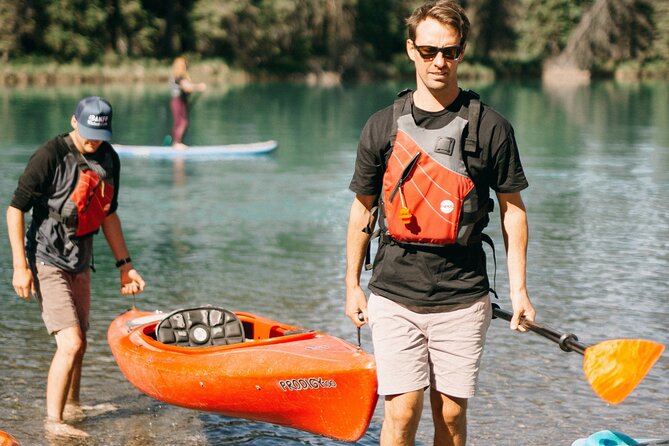
This tour is a strong match if:
- you want a 2-hour morning nature break in Banff
- you’ve got at least some previous kayaking experience
- you’re comfortable with moderate physical fitness
- you like guided explanations and enjoy seeing wildlife when it’s possible
- you want a change of pace after hiking or biking
It’s not the best choice if:
- you’ve never kayaked before. The tour is specifically described as not recommended for people without previous experience.
- you’re looking for a totally effortless, zero-navigation paddle. The route can be narrow and includes a beaver dam crossing with support.
If you’re traveling as a couple or with a friend, the up-to-2 group setup is also convenient. You’re not locked into large group awkwardness, and a double kayak can be a fun shared challenge.
Practical tips that come straight from the experience
Here’s what I’d take seriously before you go, based on what’s shown in the experience details and what people learned the hard way:
- Bring bug spray. One review calls out lots of mosquitoes.
- Protect your phone. A phone was lost in the lake during picture-taking, and retrieval wasn’t possible.
- Plan around good weather. The tour requires it, and you’ll be rescheduled or refunded if weather shuts things down.
- Expect help at the tricky parts. The beaver dam crossing isn’t something you should treat as a solo problem.
Also, since you’ll be out for about two hours and the tour includes paddling and navigation, come ready to move. This is not advertised as a full-body obstacle course, but it isn’t a sit-and-watch cruise either.
Quick note on cancellation and weather (kept short)
You can cancel for free up to 24 hours in advance for a full refund. If the experience is canceled due to poor weather, you’ll be offered a different date or a full refund. If minimum traveler numbers aren’t met, you’ll also be offered a different date/experience or a refund.
Should you book the Banff double kayak experience?
Yes, I’d book it if you’re the kind of traveler who wants an efficient, guided way to see both Bow River and Vermilion Lakes from the water without turning your trip into a logistics project. The small group size, the guide support during the beaver dam crossing, and the free action photos are the kind of extras that often make this tour memorable rather than just another activity.
I’d hold off and look for a beginner-friendly option if you have zero kayaking experience, even if you’re fit and motivated. The tour isn’t trying to teach kayaking from scratch, and you’ll get more out of it if you already know how your kayak feels and how you handle a paddle.
If you do book it, go in with the mindset of a calm morning paddle with a couple of fun challenges. You’ll come back with photos, a fresh perspective on Banff, and legs that feel better than they would after another long hike.
FAQ
Where is the meeting point for the Banff double kayak tour?
You meet at the Banff Canoe Club at the corner of Bow Ave and Wolf St, Banff, AB T1L 1A8, Canada. The activity ends back at this meeting point.
How long does the experience take?
It runs for about 2 hours.
How much does it cost, and how many people can be in a group booking?
The price is $127.38 per group and the group size is up to 2.
What’s included with the tour?
The tour includes the kayak, a trip leader, life jackets, and paddles.
Where do we paddle during the trip?
You paddle on the Bow River and then on Vermilion Lakes.
Is previous kayaking experience required?
This tour is not recommended for travelers without previous kayak experience.
What level of fitness is recommended?
You should have a moderate physical fitness level.
Do the guides take photos?
Several reviews mention that guides take action photos during the trip and share them at the end for free.
What happens if the weather is poor?
The experience requires good weather. If it’s canceled due to poor weather, you’ll be offered a different date or a full refund.
Do I receive a mobile ticket?
Yes. The tour uses a mobile ticket. Confirmation is received at the time of booking.