REVIEW · CALGARY
Calgary: Gasoline Alley Museum Admission
Book on GetYourGuide →Operated by Heritage Park Historical Village · Bookable on GetYourGuide
Car museums usually mean shiny cars. This one adds fuel-station history. Gasoline Alley Museum in Calgary is a smart, family-friendly ticket if you want restored classic vehicles plus an eye-opening collection of antique gasoline pumps and petroleum signage. One thing to keep in mind: this admission covers the museum itself, not the rest of Heritage Park Historical Village.
I like that the displays aren’t just static. You can learn how cars changed everyday life, from horse and carriage to motor vehicles, while you look at working-era trucks and vehicles from the 1900s to the 1950s. I also appreciate the on-site interpreters, who help you connect the objects on the walls to the bigger story of North American automobile history.
If you’re hoping to wander the entire Heritage Park village, plan for that separately. The museum ticket doesn’t include access to other Heritage Park attractions, and food/drinks and souvenirs aren’t included either.
In This Review
- Key highlights you’ll want to plan for
- Gasoline Alley Museum at Heritage Park: what your $10 admission buys
- Restored cars, trucks, and working vehicles: the real storyline of the auto age
- Antique gasoline pumps and petroleum signage: where the story gets personal
- Seeing the world’s older auto artifacts before WWII
- How the museum explains the big shift: horse and carriage to motor cars
- Upper showroom vs. lower showroom: a small tip that changes your visit
- Timing in Calgary: year-round museum days vs seasonal village hours
- Getting to 1900 Heritage Dr SW and using the shuttle from LRT
- Who this museum admission is best for
- Should you book Gasoline Alley Museum admission?
- FAQ
- How long does the Gasoline Alley Museum admission last?
- Where is the meeting point for this experience?
- Is Gasoline Alley Museum open year-round?
- What is included with my admission?
- Are food and drinks included?
- Can I bring pets or alcohol?
- Is this admission wheelchair accessible?
Key highlights you’ll want to plan for
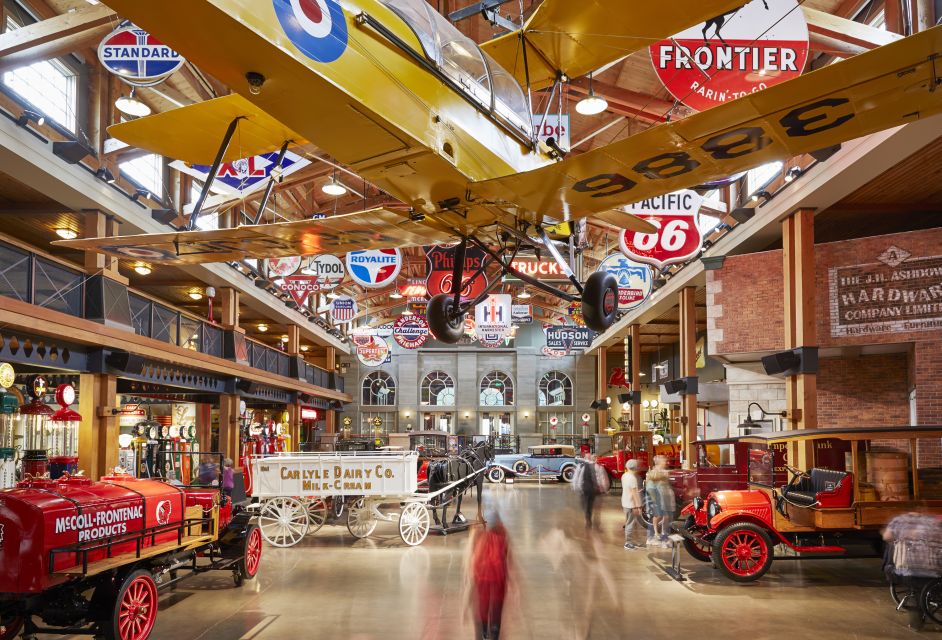
- Restored vehicles from the 1900s through the 1950s including classic cars, trucks, and working vehicles
- Antique gasoline pumps and petroleum company signage with thousands of memorabilia items to scan
- Pre-WWII automobile artifacts that add real depth beyond the classic-car look
- On-site interpreters who connect what you see to how the auto age reshaped society
- Two levels of exhibits so you can catch extra artifacts in the lower showroom
Gasoline Alley Museum at Heritage Park: what your $10 admission buys
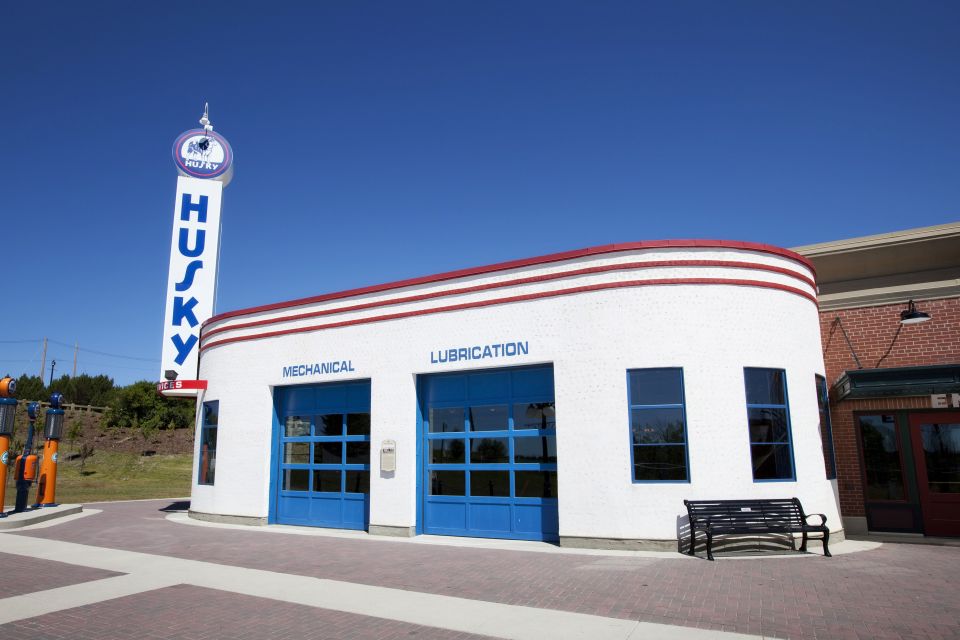
For $10 per person, Gasoline Alley Museum gives you a very focused hour-or-two type outing, built around one big idea: how the automobile took over daily life in North America. You’re not paying for a long, spread-out “park day” in this ticket. You’re paying for a compact museum that’s packed with objects you can actually study up close.
What makes the value feel strong is the variety. You get classic vehicles, yes, but also the “supporting cast” of the auto era: gasoline pumps, signage, and petroleum company branding. That combo matters. Cars didn’t become normal because someone invented a car. They became normal because fuel, repair culture, roads, and consumer habits followed the car into everyday routines.
Another practical plus: the museum is wheelchair accessible, and it’s set up so families can enjoy it without needing an advanced history degree. Even if you only have a short window, you can still get a lot out of it because the exhibits are visually engaging and interpreters help you make sense of what you’re looking at.
You can also read our reviews of more museum experiences in Calgary


Restored cars, trucks, and working vehicles: the real storyline of the auto age
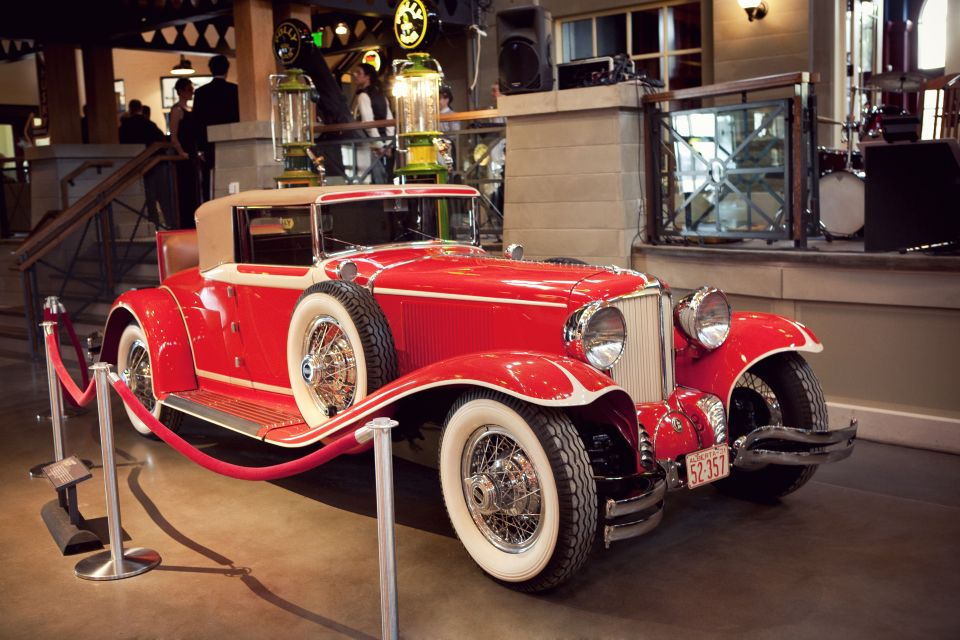
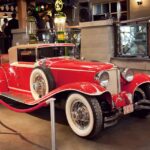
The centerpiece is the collection of restored classic automobiles and associated vehicles that trace the evolution of driving and hauling. The museum’s range runs from the early 1900s into the 1950s. That means you’ll see cars that look like they belong to different eras of design, engineering, and daily use.
I like walking through this kind of display in order because it quickly shows how fast things changed. Early vehicles reflect the transition phase. Later vehicles show how the motor car became part of normal life. You’ll also spot trucks and working vehicles, which helps make the story less about leisure driving and more about how goods moved and businesses operated.
One detail worth planning for: don’t rush the vehicles. The museum experience is about noticing small cues. Pay attention to how the vehicles are presented, how they relate to the fuel and signage around them, and how the museum’s layout helps you connect the physical objects to the broader history.
Antique gasoline pumps and petroleum signage: where the story gets personal
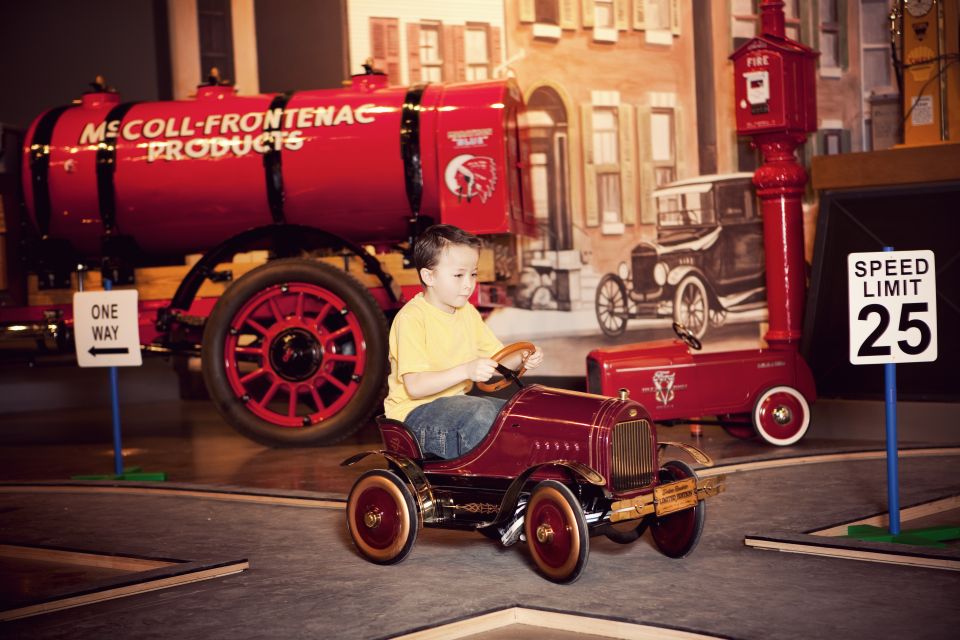
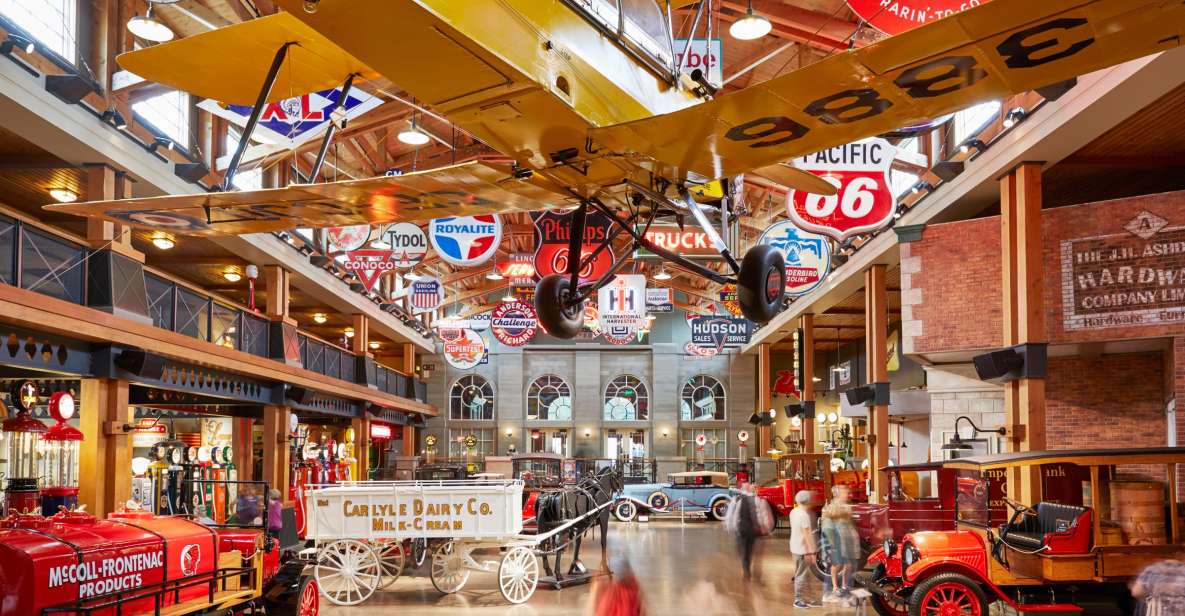
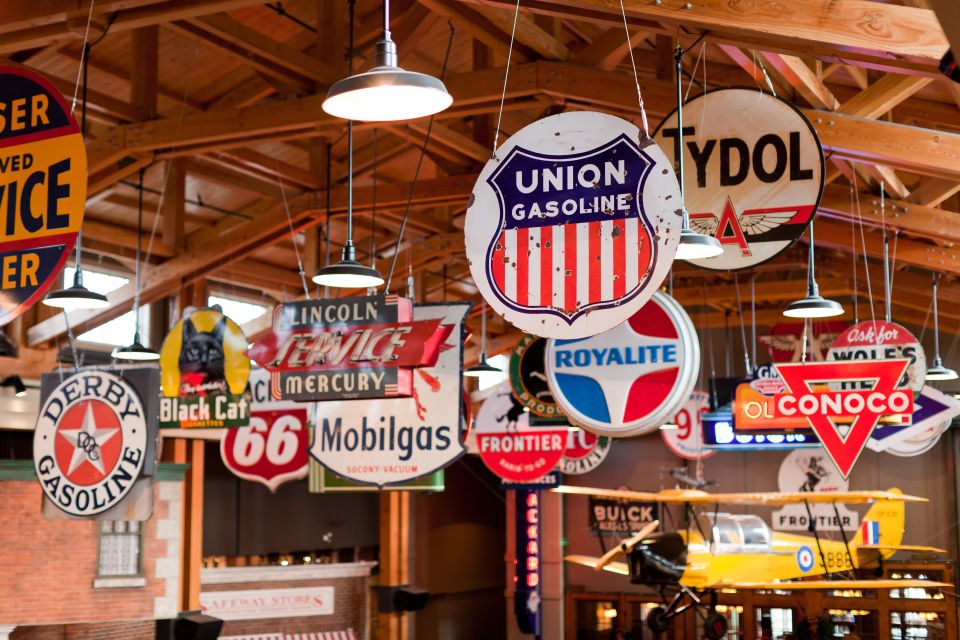
Here’s where Gasoline Alley Museum becomes more than a classic-car stop. The museum includes an impressive antique gasoline pump collection plus lots of signage from different historical petroleum companies. These are the kind of objects that you can’t always appreciate from photos online, because the real power is in the details and the sheer number of examples.
Think of gasoline pumps as the “face” of the fuel industry. They weren’t just hardware; they were public branding, practical technology, and part of the customer experience. When you compare pumps and signs across eras and companies, you start to see how fuel distribution changed along with the automobile itself.
If you enjoy design history, advertising, or industrial artifacts, you’ll likely spend extra time here. Even if you’re mainly there for cars, this section makes the auto story feel more grounded. It explains how the gasoline supply and consumer-facing world built around fueling helped cars spread.
The museum also says it holds thousands of pieces of memorabilia. That’s your cue to take a slow lap at least once. You’ll miss things if you treat it like a quick picture stop.
Seeing the world’s older auto artifacts before WWII
The exhibits don’t stop at “classic cars that look neat.” You can also see some of the world’s oldest automobile artifacts from before WWII. That matters because the auto era didn’t start as a uniform thing. It started as experimentation, gradual adoption, and constant improvement.
Artifacts from before WWII add weight to the story in a way that later decades can’t fully replace. They help you understand that the automobile age was built over time, not launched all at once. If you’re curious about the origins of the North American automobile culture, this section gives you a strong foundation before you move toward later vehicles from the 1930s, 1940s, and 1950s.
I also find pre-WWII objects make the museum feel more than a “the cars are cool” experience. They turn it into a place where you can connect invention and adoption to real-world change.
How the museum explains the big shift: horse and carriage to motor cars
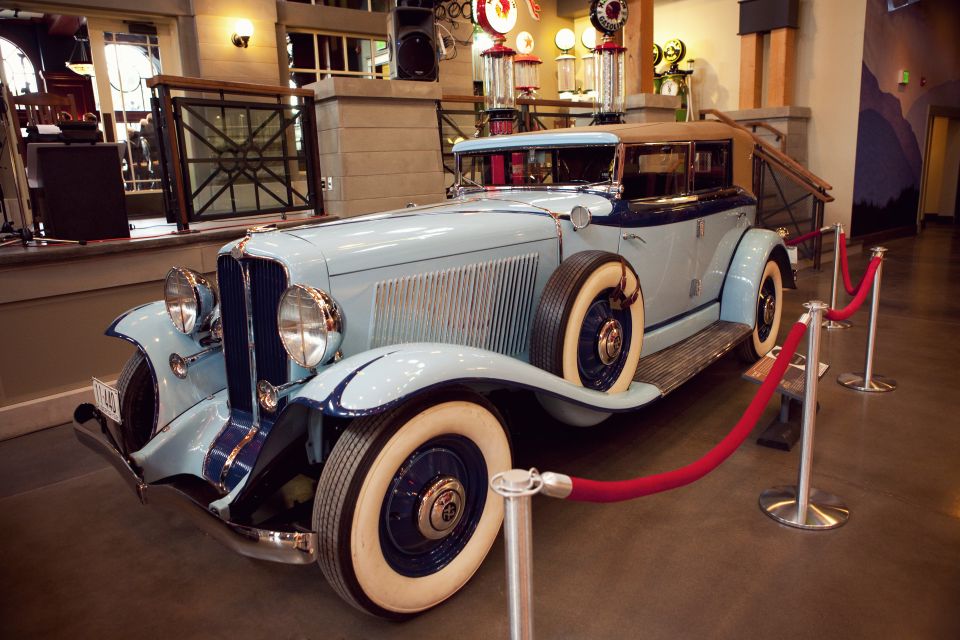
One of the most valuable parts is the way the museum connects cars to social change. The auto transition didn’t just replace transportation. It changed routines, jobs, and how people related to distance.
As you move through the exhibits, you’re learning about how the automobile was introduced and popularized, and how it triggered far-reaching social changes when people shifted away from horse and carriage and toward motor cars. That’s an important theme because it makes the museum feel purposeful. You’re not only looking at machines; you’re seeing why machines mattered.
The on-site interpreters help connect these dots. You’ll likely hear context that ties what you see—vehicles, pumps, and signage—to broader trends in the auto age. If you like museums where guides add meaning without turning it into a lecture, this is a good fit.
This is also family-friendly learning. Kids can enjoy the vehicles and signage. Adults can enjoy the historical context. The museum keeps it accessible, which is why this feels like a good “everyone’s happy” outing.






Upper showroom vs. lower showroom: a small tip that changes your visit
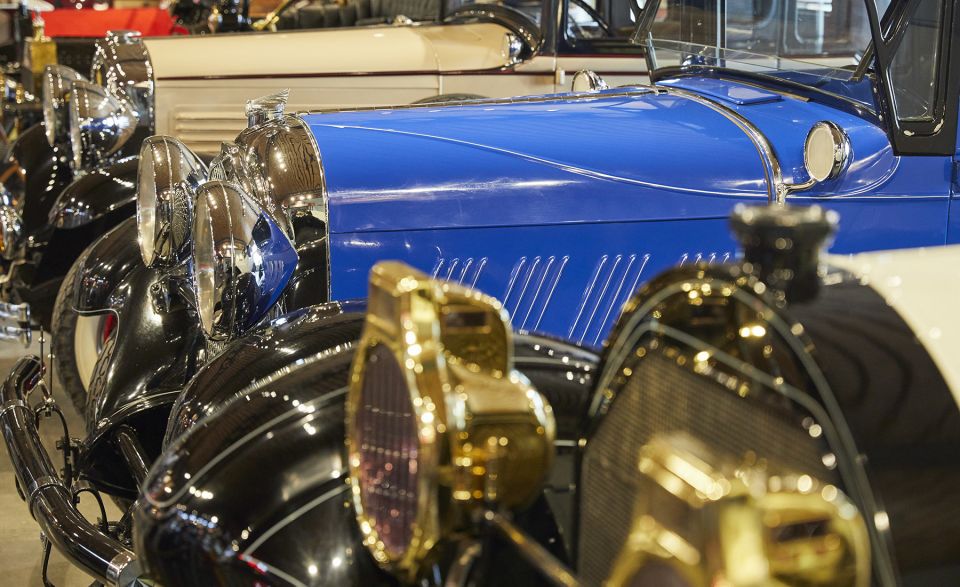
Plan on visiting more than one level. The museum encourages you to also explore the lower showroom, which includes even more incredible artifacts. That means your time isn’t just about the main car displays. There’s more waiting below, and skipping it would be like stopping halfway through a story.
Here’s how I’d handle it: do one slower pass where you take in the overall layout and main vehicles, then do the lower level with a more focused mindset. Look for details and memorabilia that reinforce what you saw upstairs—especially the fuel-and-signage side of the collection.
This two-level approach helps the museum avoid feeling repetitive. You can cover a lot without feeling like you’re standing in front of the same objects again and again. It’s also a helpful way to structure your time if you’re visiting with kids who may need variety to stay engaged.
Timing in Calgary: year-round museum days vs seasonal village hours
Calgary weather has a way of shaping plans. The good news is that Gasoline Alley Museum is open year-round. The museum isn’t dependent on spring-to-fall only.
What changes seasonally is the rest of Heritage Park Historical Village. Other attractions close from mid-October to mid-May. If you’re visiting in the colder months, Gasoline Alley Museum remains an option even when the broader village is limited. The Railway Café is also open year-round, which can help if you want a place to eat while you’re in the area.
In summer months, Gasoline Alley Museum is included with general admission to Heritage Park Historical Village. That means the value can be even better if you’re already planning a bigger village day in warm weather.
If you’re trying to plan efficiently, check whether you’re visiting outside the summer season. In shoulder seasons, you might enjoy a simpler day focused on the museum itself and avoid disappointment from closed village sections.
Getting to 1900 Heritage Dr SW and using the shuttle from LRT
Your meeting point is 1900 Heritage Dr SW, Calgary, AB T2V 1R1, Canada. If you’re using public transportation, there’s a shuttle bus available from the Heritage LRT Station.
This matters because the museum sits within the Heritage Park area, which can feel easier to reach by transit than by parking alone, especially on busier days. If you’re traveling with a group or trying to keep things stress-free, take advantage of that shuttle connection.
Also, arrive with a realistic pace. Even though the museum is a single-ticket experience, you’ll get the best value if you allow enough time to stop, look closer, and read enough to connect vehicles to fuel and branding.
Who this museum admission is best for
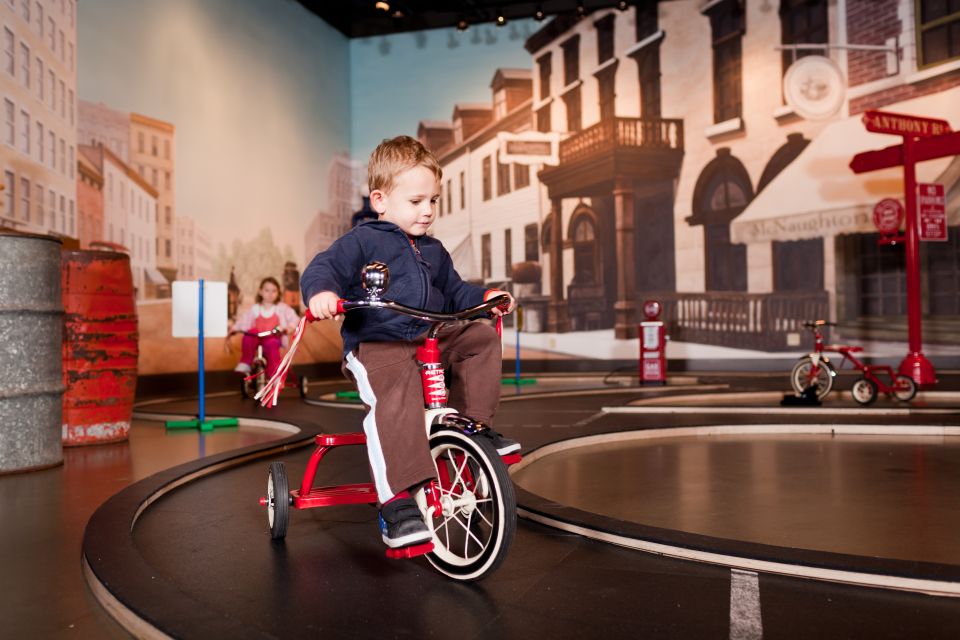
Gasoline Alley Museum admission works well for a wide range of visitors, but it’s especially strong for people who like practical history and objects you can see in three dimensions.
You’ll likely enjoy it most if you:
- Want a classic vehicle experience with more than just cars
- Like industrial design, signage, and technology-related history
- Prefer museums with on-site interpreters that keep things understandable
- Are visiting Calgary with family and want something that stays fun
It’s also a good choice if you want something self-contained. You can spend your time on the museum without needing to commit to every other part of Heritage Park.
Should you book Gasoline Alley Museum admission?
I’d book it if you want an affordable, focused museum day that mixes restored classic automobiles with the fuel-and-signage side of history. At $10 per person, the price feels reasonable for the amount of display variety, plus the added help from on-site interpreters.
Skip or reconsider if your main goal is a full Heritage Park Historical Village day. This ticket doesn’t include access to other attractions, so you’d need separate plans if you want the broader village experience.
If you’re in Calgary and you want an easy, meaningful way to spend part of a day, this museum is a solid bet. It’s small enough to fit into a schedule, but packed enough that you’ll still leave with plenty to talk about, from antique pump designs to how cars reshaped daily life.
FAQ
How long does the Gasoline Alley Museum admission last?
The ticket is valid for 1 day from first activation.
Where is the meeting point for this experience?
The meeting point is 1900 Heritage Dr SW, Calgary, AB T2V 1R1, Canada.
Is Gasoline Alley Museum open year-round?
Yes. Gasoline Alley Museum is open year-round, while other attractions at Heritage Park Historical Village are closed from mid-October to mid-May.
What is included with my admission?
Your admission includes entry to Gasoline Alley Museum and on-site interpreters.
Are food and drinks included?
No. Food and drinks are not included.
Can I bring pets or alcohol?
Pets are not allowed. Alcohol and drugs are not allowed.
Is this admission wheelchair accessible?
Yes, the experience is wheelchair accessible.