REVIEW · BANFF
Banff: 4-Hour Sulphur Mountain Intermediate Horseback Ride
Book on GetYourGuide →Operated by Discover Banff Tours · Bookable on GetYourGuide
Sulphur Mountain rides feel like banff in 4D. You’ll love the small-group pace and the way well-trained horses help you focus on the views and wildlife like elk and deer.
One heads-up: this is intermediate-only, so you need previous riding experience and the ability to control the horse, plus fluent English to follow the guide.
In This Review
- Key highlights you’ll feel on the ride
- Riding Banff National Park From Sulphur Mountain’s Saddle Height
- Getting Ready at Banff Springs Corrals (and What to Bring)
- The First Big Banff Moment: Rimrock Views and the Spray River Crossing
- Along Mount Rundle: Breathing Room, Wildlife Chances, and a Small Break
- Fairmont Banff Springs Golf Course to Bow Falls: When Banff Gets Loud
- Saddle Reality Check: How “Intermediate” Should Feel
- Cost and Value: What $241 Buys in Banff
- Timing and Logistics That Actually Matter
- Who This Horseback Ride Is Perfect For (and Who Should Skip It)
- Should You Book This Banff 4-Hour Sulphur Mountain Ride?
- FAQ
- FAQ
- How long is the Banff 4-hour Sulphur Mountain intermediate horseback ride?
- What is the price per person?
- Where do I meet for the ride?
- Is hotel pickup or drop-off included?
- Is food or drinks included?
- Are helmets provided?
- Is parking included?
- What should I wear or bring?
- What are the age and weight limits?
- Is the ride suitable for pregnant women?
Key highlights you’ll feel on the ride
- 6–7 feet up in the saddle for a genuinely different Banff National Park perspective
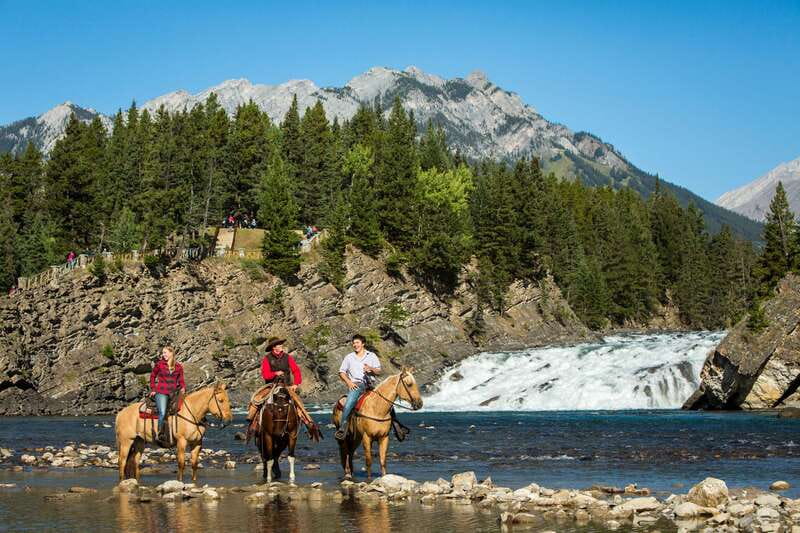
- Two river moments: a Spray River crossing and a second crossing near Bow Falls
- Iconic Banff scenery: Rimrock Resort Hotel, Fairmont Banff Springs Golf Course, and Bow Falls
- Lead-and-tail guides that keep the line moving and help with safety
- Limited to 6 riders, so you get more attention than a bigger tour
Riding Banff National Park From Sulphur Mountain’s Saddle Height
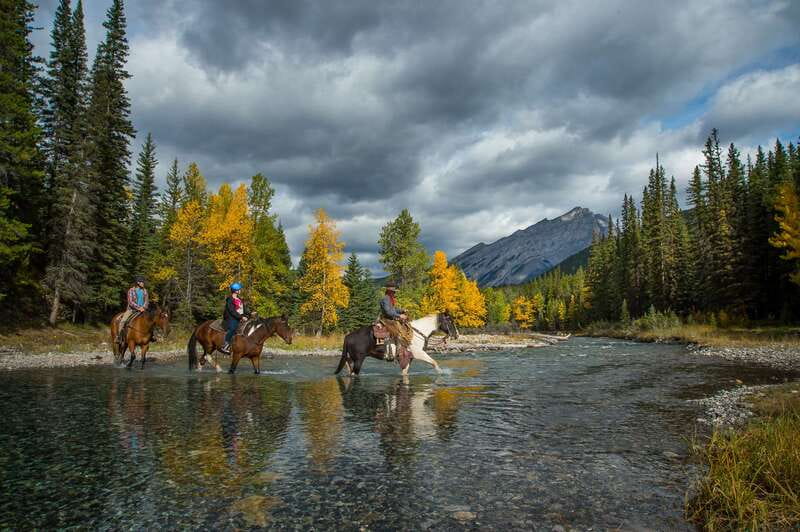
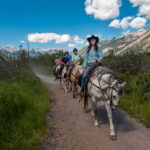
A horseback ride in Banff isn’t just about getting from point A to point B. It’s about changing how you read the park. From the back of a horse—about 6 or 7 feet up—you spot angles you just don’t see on foot trails or from viewpoints. You notice how the river curves, how the valleys open, and how the mountains sit above everything.
The best part is the day’s rhythm. You start the ride with a guide who gets you set up, then you move through real terrain—steeper paths, river edges, and open stretches that look postcard-pretty but are still outdoorsy and honest. And because the horses are described as sure-footed and well trained, you can spend your brain on enjoying Banff instead of white-knuckling your balance.
I also like that this tour doesn’t try to cram in a dozen random stops. The ride is built around a few big Banff moments: the Rimrock Resort Hotel area, the Spray River, a valley viewpoint by Mount Rundle, the Fairmont Banff Springs Golf Course fairways, and finally Bow Falls. In a 4-hour window, you still get a sense of movement through different parts of the landscape.
The main consideration is that this ride is for experienced riders only. If you’re new to horseback riding, the “basic instruction” can help, but it won’t replace what they expect from you in the saddle.
You can also read our reviews of more tours and experiences in Banff
Getting Ready at Banff Springs Corrals (and What to Bring)
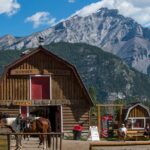
You meet at the Banff Springs Corrals in Banff, near the Fairmont Banff Springs Hotel on Spray Ave. It’s behind the tennis courts, and it’s easy to find once you’re oriented to that hotel area.
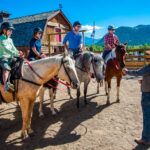
Before you ride, you’ll meet your guide, get outfitted with your horse, and get a safety briefing. You’re also in good hands because the ride uses both lead and tail guides, so riders aren’t just left to figure things out mid-trail. That setup matters when you’re dealing with uneven ground or the chaos of a river crossing.
For gear, keep it simple:
- Bring insect repellent (Banff outdoors means bugs can matter).
- Wear hiking shoes and sturdy closed-toe footwear.
- Wear long pants if you can.
And do a quick compliance check before you show up. No open-toed shoes and no big heels. No backpacks on the ride. If you’re used to hiking with a daypack, you’ll need to plan without it.
A practical note: the instructions say all riders must be able to speak and understand fluent English. Also, adults sign a waiver, and if you’re bringing a rider under 18, a parent or legal guardian completes the waiver.
The First Big Banff Moment: Rimrock Views and the Spray River Crossing
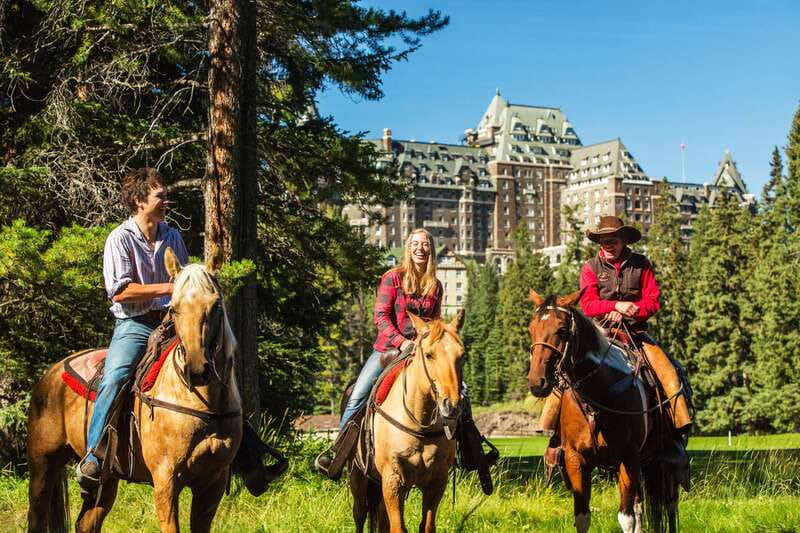
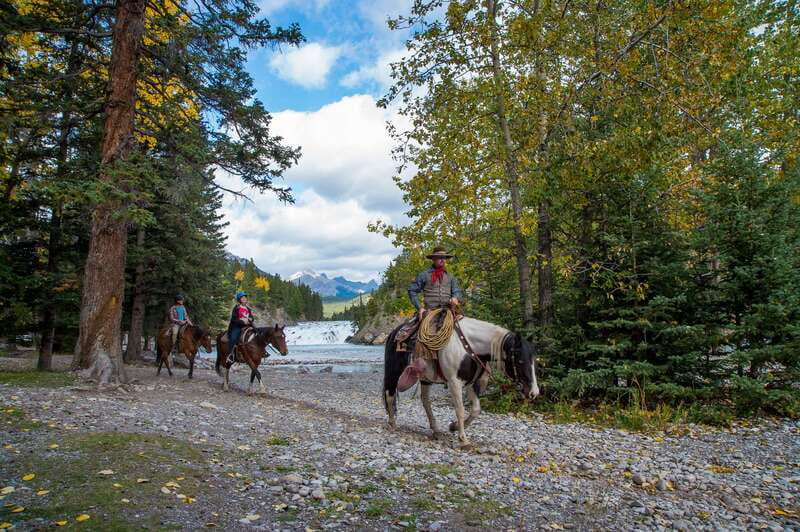
Once you’re mounted and ready, the ride takes you through the Banff National Park area with the kind of scenery that makes you stop thinking about your schedule. First, you’ll see the renowned Rimrock Resort Hotel area from the saddle—helpful because it gives you an immediate sense of where you are in Banff’s geography.
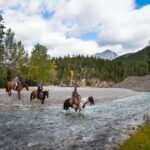
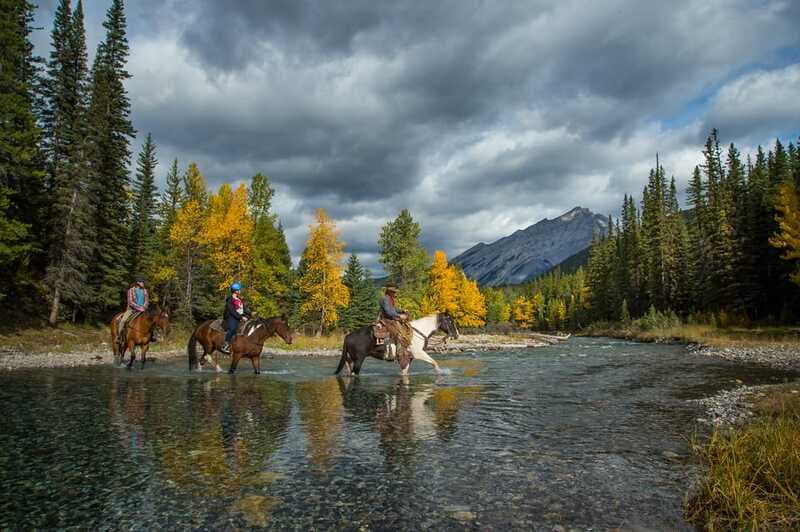
Then you move toward a valley section and work your way down toward the river. The highlight here is the Spray River crossing, where you lead your horse across water as part of the guided route. This isn’t a simple “stand near the river and take photos” moment. It’s motion, sound, and the reality of river terrain.
I love these crossing segments because they change how you pay attention. You can’t just look around—you feel the horse’s steadiness, you follow the guide’s cues, and you learn how the trail works when the ground shifts from firm earth to something slick and wet. One of the best review takeaways is exactly this: riders tend to remember the crossings as the peak experience, because it feels both wild and controlled.
If you’re the type who gets distracted easily by scenery (guilty), these river moments are a good antidote. They give your brain a clear job: stay balanced, follow instructions, and enjoy the view without overthinking the footwork.
Along Mount Rundle: Breathing Room, Wildlife Chances, and a Small Break
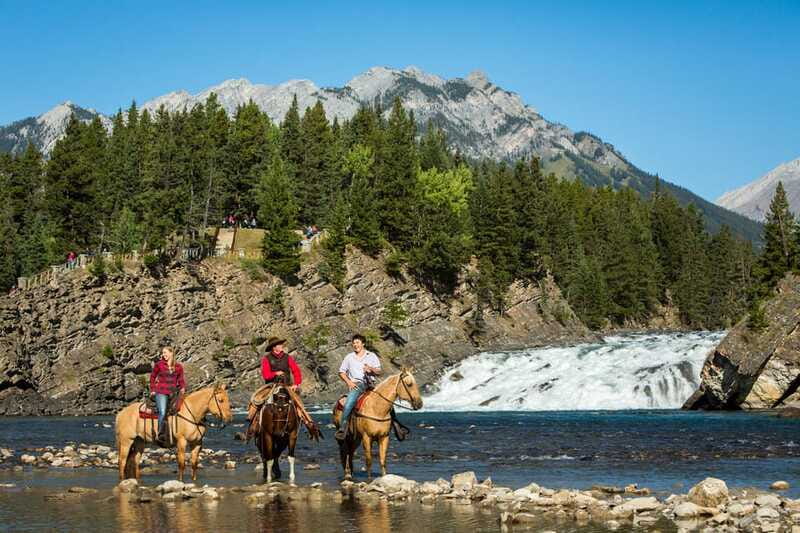
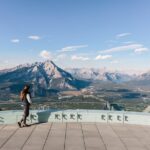
After the Spray River crossing, you keep riding with strong Rocky Mountain scenery in view. The route runs along the base of Mount Rundle, which is a great placement for photos and for that “wow, Banff is wider than I expected” feeling.
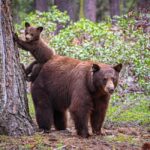
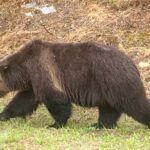
This is also where wildlife odds get real. The tour explicitly encourages you to keep your eyes peeled for animals like elk and deer. Don’t treat it like a guarantee—wildlife is wildlife—but the slower, guided movement through habitat is exactly when you might spot movement off the trail or through the trees.
At some point you’ll stop for a short break and a small snack. I like stops like this for two reasons. First, they give you a chance to check your legs, reset your posture, and hydrate if needed. Second, they let you look back over the valley without rushing to catch up to the group.
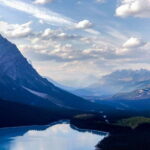
From this area, you’ll enjoy stunning views across the valley and back toward the Rimrock Hotel. Again, this is one of those practical “views from the saddle” moments. You get elevation, and you get perspective—your vantage point isn’t just taller than you. It’s angled differently.
Some riders also mention how calm the guidance feels—like the crew helps you relax so you can actually take in what you’re seeing. If you get a guide named Sophie, that name shows up specifically as an excellent guide in at least one set of experiences, with emphasis on caring for the group and keeping rides comfortable.
Fairmont Banff Springs Golf Course to Bow Falls: When Banff Gets Loud
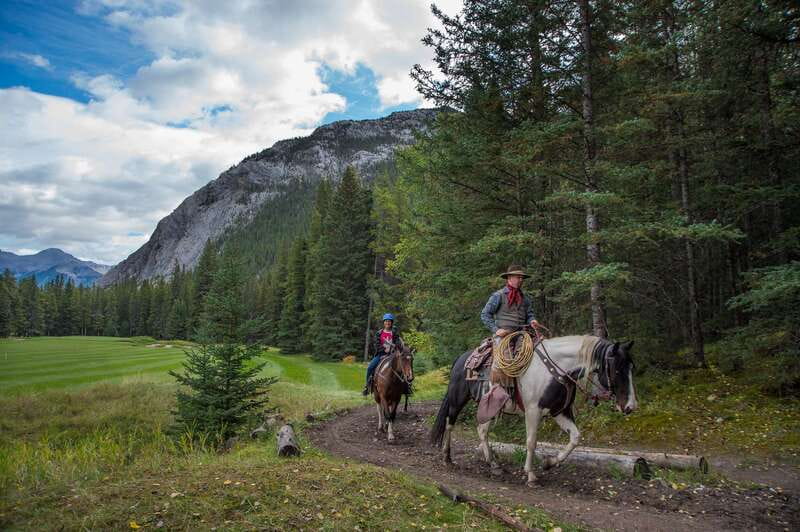
As you continue, you pass by the Fairmont Banff Springs Golf Course. Seeing fairway lines from a horseback trail is a fun contrast. It’s a reminder that you’re not in wilderness with zero human footprint—you’re in a famous Banff zone where the town and the mountains overlap in a very Canadian way.
Then comes one of the most dramatic parts of the overall ride: the move to Bow Falls. The “roaring” description matters because once you’re near Bow Falls, sound becomes part of the experience. You feel it in the air before you fully clock it with your eyes.
At Bow Falls you cross the river a second time. That’s the kind of repeat highlight that makes the ride feel complete: you don’t just get one “big moment.” You get a first crossing to set the tone, then a second crossing later to bring it home.
If you’re wondering why two crossings are worth it: it’s the learning curve. After the first one, you’re more confident with the idea of following the horse and guide cues. The second crossing then becomes less about fear and more about attention—where you’re listening, where you’re placing your gaze, and how the falls change the soundscape.
Saddle Reality Check: How “Intermediate” Should Feel
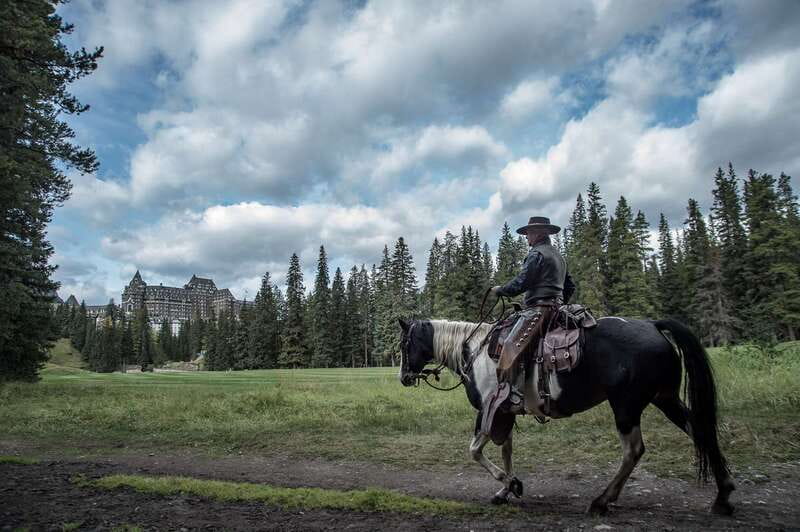
Because this is an intermediate ride, you should expect that the day won’t be paced like a gentle beginners loop. The tour notes that it’s for riders with previous riding experience only, and they also require that riders be physically capable of controlling the horse.
That doesn’t mean you need stunt-level skills. But it does mean you should be comfortable riding and following cues without needing constant hand-holding. The guide will brief you and help at the start, and you’ll get lead and tail guides during the ride—but this isn’t an extended beginner lesson.
One small drawback to keep in mind: some riders note that the saddles can feel a little hard. That’s not a deal-breaker, but it’s a real comfort factor. If you’re sensitive to saddle pressure, wear the right pants and consider bringing a mindset for a short discomfort in exchange for an unforgettable Banff ride.
Also keep in mind the language requirement. Every rider must speak and understand fluent English, and that’s not just for fun conversation—it helps the guide communicate safety and trail instructions fast.
Cost and Value: What $241 Buys in Banff
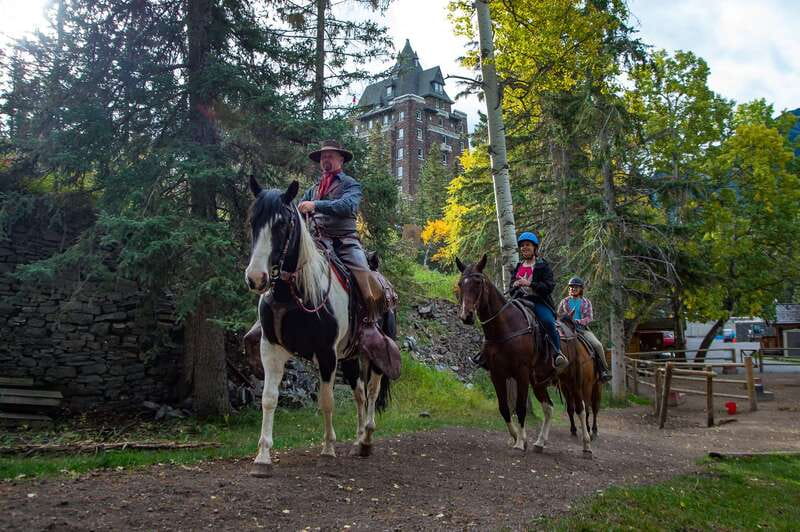
At $241 per person for a 4-hour horseback experience, the price may look high until you break down what’s included. You’re paying for:
- A horse for every rider
- Helmets and basic horseback riding instruction
- Lead and tail guides
- Time and staff focused on route safety in a national park setting
Horseback tours can be expensive because the overhead is real: trained animals, experienced handlers, guiding staff, and the gear. Here, you also get a small group size with a cap of 6 participants. That smaller group factor matters for attention on the ground and coordination along the trail line.
Also, the ride includes free parking, which is one of those small details that can quietly save time and stress in a busy Banff hotel area.
What’s not included matters for budgeting: there’s no food and no drinks included. You’ll have a small snack during the ride, but don’t assume a full meal is part of the package. If you’re riding in the daytime, I’d plan to eat beforehand or be ready to handle it afterward.
Timing and Logistics That Actually Matter
This is a half-day outing, which makes it easier to fit into a Banff itinerary than something longer. Hotel pickup and drop-off aren’t included, so you’ll need to get yourself to the meeting point at Banff Springs Corrals.
Because it’s a small group limited to 6 participants, you’ll likely feel more connected to the guide and the group than on larger rides. That’s especially helpful if you’re focused on wildlife spotting or want a smoother, calmer experience around crossings.
Also: the meeting point is near the Fairmont Banff Springs Hotel, so you can plan your day around that area. It’s a good setup if you’re already spending time in the Banff Springs zone and want an outing that feels different without requiring complicated transportation.
Who This Horseback Ride Is Perfect For (and Who Should Skip It)
This ride makes a lot of sense if you:
- Already have horseback riding experience and you want a real Banff National Park trail ride
- Want a view from saddle height with big hotel-and-mountain contrasts
- Enjoy guided wildlife watching opportunities without needing to be an expert tracker
- Want a small group experience with lead-and-tail guidance
It may not be the right fit if you:
- Are new to riding (the tour is explicitly for experienced riders only)
- Need a ride with zero physical demands. You must be able to control the horse.
- Are pregnant. The ride lists pregnant women as not suitable.
- Are over the 230 lbs (104 kg) maximum weight. Exceeding it means forfeiting the booking without a refund.
- Have age constraints. Minimum age is 8, and children 17 and under must be accompanied by a parent or guardian.
One more practical note: unaccompanied minors aren’t allowed. So if you’re traveling with kids, plan on adult presence.
Should You Book This Banff 4-Hour Sulphur Mountain Ride?
If you’re an experienced rider and you want Banff’s highlights from the back of a horse, I think this is a strong booking. The mix is well chosen: Rimrock Resort Hotel views early, the Spray River crossing as a true action moment, Mount Rundle valley scenery with a break and snack, Fairmont Banff Springs Golf Course passing views, then Bow Falls with a second river crossing. That’s a lot of Banff in one ride without feeling like you’re sprinting.
I’d skip it if you’re chasing a beginner-friendly “learn as you go” experience or if you’re uncomfortable with the reality of saddle time and crossings. Also, double-check your footwear plan—closed-toe and no backpacks are part of the deal.
If you want a half-day that feels active, outdoorsy, and distinctly Banff, this Sulphur Mountain intermediate ride is the kind of activity you’ll remember long after the photos fade.
FAQ
FAQ
How long is the Banff 4-hour Sulphur Mountain intermediate horseback ride?
The ride lasts 4 hours.
What is the price per person?
The price is $241 per person.
Where do I meet for the ride?
You meet at the Banff Springs Corrals in Banff, near the Fairmont Banff Springs Hotel on Spray Ave, behind the tennis courts.
Is hotel pickup or drop-off included?
No. Hotel pickup and drop-off are not included.
Is food or drinks included?
Food and drinks are not included. A small snack is mentioned during the ride, but you should plan accordingly.
Are helmets provided?
Yes. Helmets are included.
Is parking included?
Yes. Free parking is included.
What should I wear or bring?
Bring insect repellent and wear hiking shoes. You must wear sturdy closed-toed shoes; open-toed shoes and shoes with big heels aren’t allowed.
What are the age and weight limits?
Minimum age is 8 years old. Riders must be able to control the horse. The maximum weight is 230 lbs (104 kg).
Is the ride suitable for pregnant women?
No. Pregnant women are listed as not suitable for this ride.