REVIEW · BANFF
Lake Louise, Moraine/Bow, Emerald & Peyto – 4 Lakes in Banff
Book on Viator →Operated by Rockies Journey · Bookable on Viator
One long day through Banff’s best color. This small-group tour strings together Lake Louise, Moraine (or Bow in winter), Emerald, and Peyto, with extra stops that make it feel like you’re driving scenic rail lines and not just hopping viewpoints. I love how the guides like Michael and Kenneth keep things fun while also pointing out where to stand for the best photos, and I also love the winter prep: crampons are included and you’re given hot drinks when it’s cold. The main drawback is simple: it’s a 10-hour day with brief stops, so if you want long hikes or slow wandering, you’ll feel a little rushed.
Here’s the upside: you get the Rockies hits—turquoise glacial water, big mountain backdrops, and classic lookouts—without needing a rental car and map skills. And with a max group size of 12, you actually have time to see each place instead of just filing past like a travel checklist. Just keep an eye on weather. This outing runs only when conditions cooperate, and snowy roads can shift what you can walk on.
In This Review
- Key things I’d circle before you book
- A 7:00am Small-Group Route to Four Lakes Plus Yoho Detours
- Price and Value: What $59.33 Really Covers
- Winter Traction and Clothing: Crampons, Spike Grip Moments, and Cold Wind
- Castle Mountain, Mount Rundle, and Vermilion Lakes Reflections
- Lake Louise: Iconic Turquoise Views and Winter Ice-Skating Time
- Moraine Lake in Summer, Bow Lake in Winter: The Seasonal Swap That Matters
- Yoho National Park and Kicking Horse Pass Spiral Tunnels
- Emerald Lake and Natural Bridge: Short Stops That Still Deliver
- Peyto Lake: A Fast 20 Minutes With Big View Rewards
- Lunch at Lake Louise Village Grill & Bar: One Hour to Reset
- Photo Help, Guide Energy, and Small-Group Comfort
- Who This Tour Is Best For (and Who Might Want More Time)
- Should You Book This Banff 4-Lakes Day Tour?
- FAQ
- What time does the tour start?
- How many lakes are included, and which ones?
- Is Moraine Lake available year-round?
- How long do you spend at each lake?
- What’s included in the price?
- Are meals included?
- Do I need crampons for winter?
- Is the tour only in English?
- What happens if weather is bad?
Key things I’d circle before you book
- Crampons included for winter traction at icy viewpoints and short walks
- Moraine vs Bow Lake swaps by season (Moraine runs roughly Jun to Oct 13; Bow fills in from Oct 14 to end of May)
- Yoho National Park detour includes the lower spiral tunnels at Kicking Horse Pass
- Time-sorted stops mean quick photo windows at Emerald, Peyto, and Natural Bridge
- Guides who help with photos (I’ve seen several guides offer picture-taking and posing help)
- Hot drink (winter) + bottled water so you’re not stuck freezing and thirsty
A 7:00am Small-Group Route to Four Lakes Plus Yoho Detours
You start early—7:00am—because that’s when the roads are usually calmer and the light is nicer for photos. The whole day clocks in at about 10 hours including drive time, and the group stays small (up to 12 people). That matters, because the most famous spots in Banff can get crowded, and quick stops work better when you’re not fighting a crowd for a decent angle.
This isn’t a “hike all day” program. Most of the walking is short and viewpoint-based, with a few places where you might step onto icy surfaces depending on the season. Guides run the day with a steady rhythm: arrive, orient you quickly, point out the best lookouts, then let you explore just long enough to enjoy the views and get your photos.
If you’re traveling with kids, grandparents, or anyone who wants big scenery without big trails, this style often fits. The day is long, but the effort level is mostly manageable—especially with the traction gear that’s included in winter.
You can also read our reviews of more tours and experiences in Banff.
Price and Value: What $59.33 Really Covers
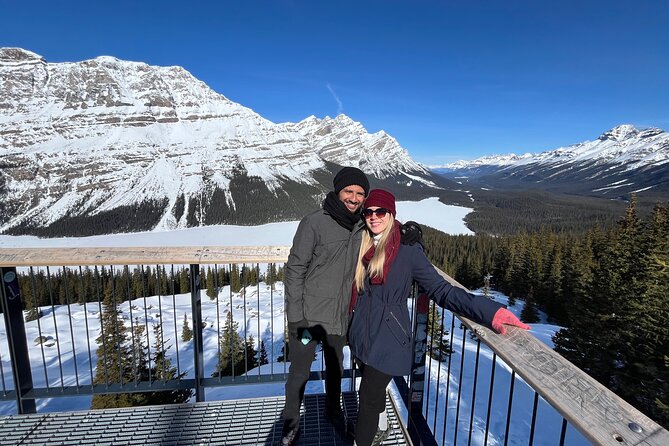
At $59.33 per person, the tour’s value is less about luxury and more about removing planning pain. You’re paying for transport in an air-conditioned vehicle, a multilingual guide, and the built-in “you’ll need this in winter” items like crampons and a hot drink. You also get bottled water, which seems small until you’ve been out in cold air for hours.
A typical self-drive day can add up fast once you factor in gas, parking stress, and the time cost of figuring out where you can actually access pull-offs. Here, the route is designed to hit the main lake viewpoints efficiently. Lunch is timed (there’s a 1-hour lunch stop at Lake Louise Village Grill & Bar), but meals aren’t included—so budget for that separately.
One thing to keep in mind: gratuity isn’t included. The guide tip is CAD 15 cash per person. If you’re the type who likes to travel with a clear budget, set that aside on day one so nothing catches you off guard.
Winter Traction and Clothing: Crampons, Spike Grip Moments, and Cold Wind
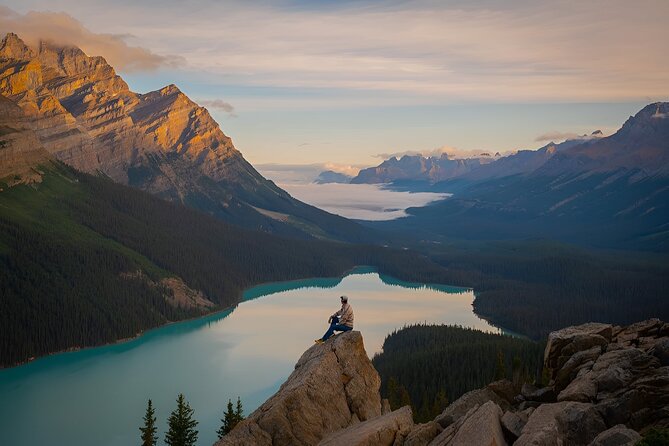
This tour is specifically set up for winter conditions. That’s not marketing fluff—the included gear list includes crampons, and the day can include icy walking patches and frozen ground near viewpoints. People in the group may get additional spike grip help depending on conditions, and at least one guide (Michael) is noted for bringing clip-on spike grips.
Practical advice:
- Wear warm layers you can move in. Cold plus wind can hit fast.
- Bring gloves you can still operate a camera with.
- Expect slippery ground at short walks. Even if it’s “just a few minutes,” winter makes it feel longer.
If you’re coming from a warmer climate, plan for the reality that icy air makes you want to stop moving. The guide’s job here is helpful: keeping you safe, getting you to the viewpoint, and helping you time your photos before conditions change.
Castle Mountain, Mount Rundle, and Vermilion Lakes Reflections
Before you reach the “postcard lakes,” the day sets you up with classic Rockies viewpoints from roads you can access easily. Early stops include Castle Mountain, a mountain in Banff National Park known for its castle-like look. It’s the kind of scene that makes you understand why the region looks so dramatic in every winter photo.
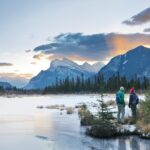
You also get a Highway 1 view for Mount Rundle and other nearby peaks. From there, Vermilion Lakes enters the picture—three lakes that mirror Mount Rundle rising over the town of Banff. This is a nice warm-up because it’s less intimidating than a major lake parking lot, and it gives you a chance to check your camera settings before the iconic turquoise waters steal the show.
These “approach stops” are underrated. They break up the driving, stretch your legs early, and give you variety. They also help you learn what kind of angles you’ll want later—because each lake has a different best-facing viewpoint.
Lake Louise: Iconic Turquoise Views and Winter Ice-Skating Time
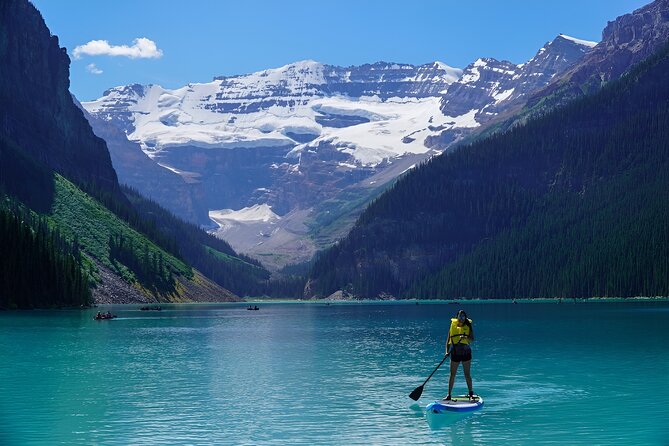
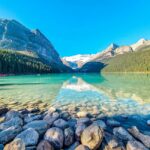
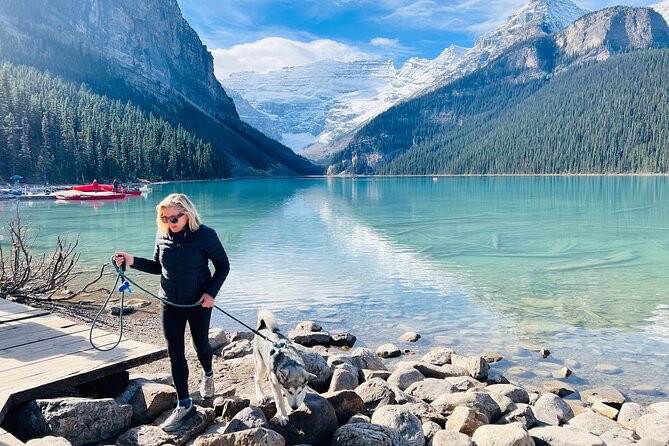
Lake Louise is the star of the show, even before you talk about winter. In summer, it’s famous for vivid turquoise water and the Victoria Glacier backdrop. In winter, the experience shifts. The lake can freeze, and ice skating is part of what you can enjoy there.
The stop is about 1 hour, and admission is included, which makes this one of the easiest “big moments” on the day. You’ll want to use that time efficiently:
- Spend a few minutes getting oriented and finding the clearest view.
- Then go for a second loop to catch different angles, since the light can change quickly on frozen surfaces.
- If you’re skating, don’t treat it like a slow add-on. Plan your gear and timing so you don’t rush at the end.
One logistics reality: Lake Louise parking can be limited, and winter weather can add delays. That’s exactly why you’re going early and why your guide keeps the schedule moving.
Moraine Lake in Summer, Bow Lake in Winter: The Seasonal Swap That Matters
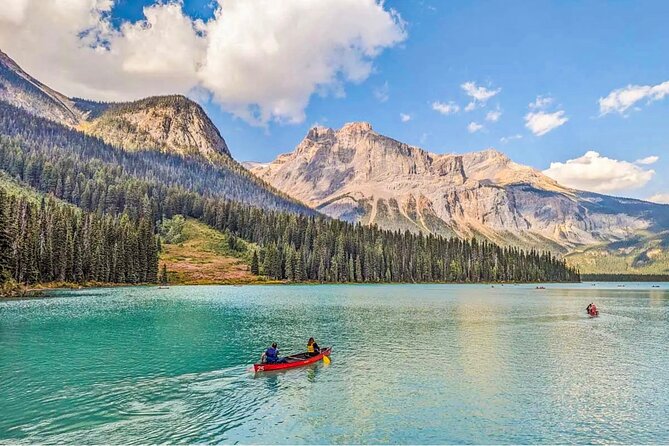
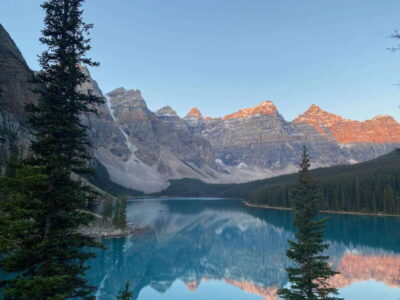
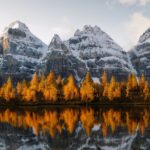
This tour’s biggest seasonal twist is that Moraine Lake access isn’t year-round. Moraine Lake can only be accessed for a short seasonal window (June to early October). In the high season months, the tour includes Moraine Lake for about 1 hour and includes admission. It’s known for its striking turquoise-blue water in the Valley of the Ten Peaks, and you’ll walk only a short distance from the parking area to the lake.
But if you’re traveling outside that window, the tour swaps in Bow Lake (winter only). Bow Lake is one of Banff National Park’s larger lakes, and the tour frames it as the seasonal alternative to Moraine Lake from roughly Oct 14 through the end of May. It also gets its turquoise coloring from glacial till.
So what does this mean for your decision?
- If you’re in late spring through early October, you’re aiming for Moraine.
- If you’re there in winter, you’re aiming for Bow, and you’ll still get that “turquoise-glacier feel,” just with a different mountain composition and vibe.
Either way, don’t expect a long stroll. The value is in the short, high-impact views.
Yoho National Park and Kicking Horse Pass Spiral Tunnels
The Yoho National Park stop is one of those “small but unforgettable” moments. You’ll visit the lower spiral tunnels at Kicking Horse Pass. These were built in the early 20th century as a clever way to climb or descend a steep grade by train.
The fun part is the “if you’re lucky” element: you might see long freight trains traveling through the tunnels in directions that can look like they’re passing themselves. Even if you don’t catch a train, you’ll still enjoy the engineering angle—because the Rockies aren’t just scenic, they’re also built into how people move through the mountains.
The stop time in this section isn’t stated in your details, but it’s generally short and designed as a quick roadside/spotting experience. It’s a good breather between major lake viewpoints.
Emerald Lake and Natural Bridge: Short Stops That Still Deliver
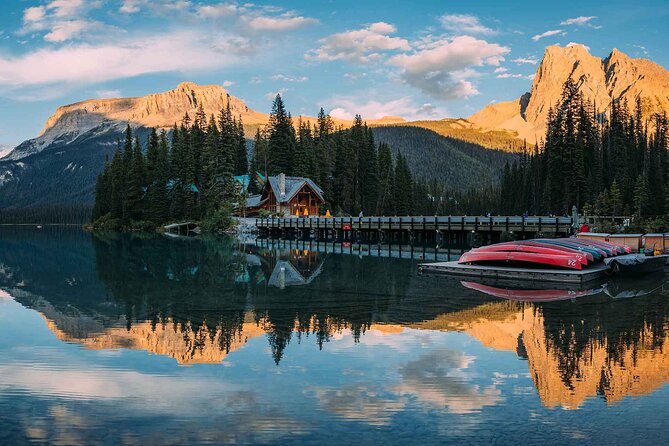
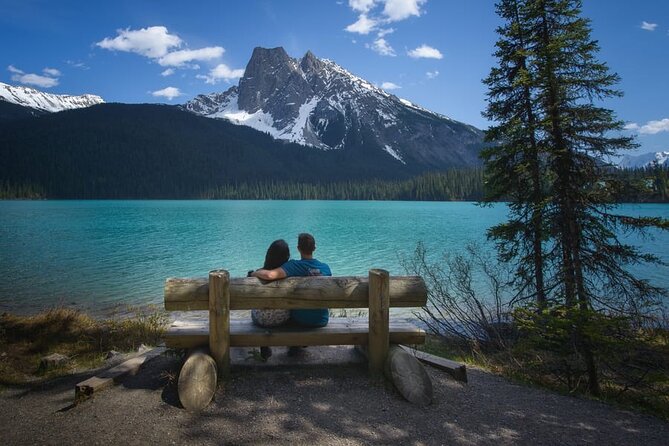
Emerald Lake is next, and the name makes sense once you understand what causes the color. The tour explains it comes from tiny glacial debris called rock flour. The lake is vivid green, and the surrounding snow-capped peaks give it that dramatic contrast in winter.
Your Emerald Lake stop is about 30 minutes with admission included. That’s not a lot of time, but it’s usually enough to get:
- the iconic lake view from the primary viewpoint area
- a few photo angles as the light shifts
- a quick look around without feeling trapped
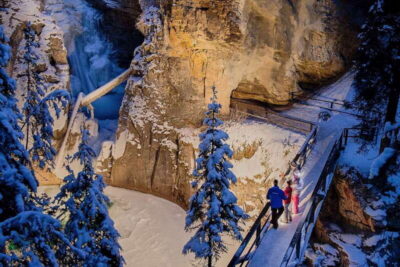
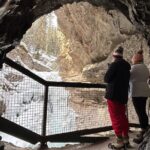
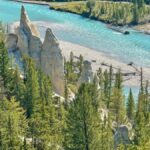
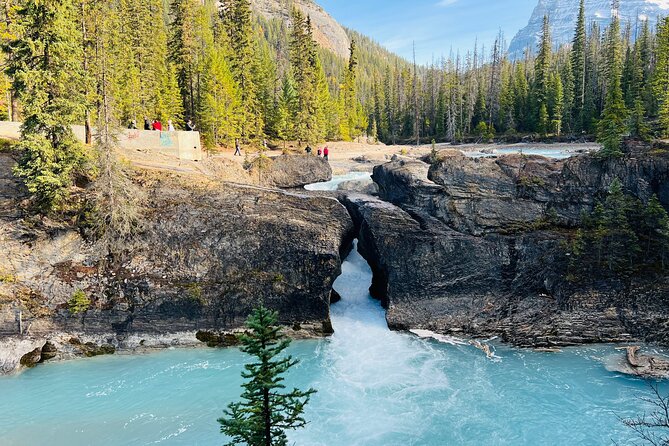
Natural Bridge follows as a winter-friendly bonus. It’s a rock formation spanning the Kicking Horse River near Field, and when winter hits, the waterfall can freeze. The tour description even points to ice spikes that can let you walk onto the frozen river to see the bridge from below.
The Natural Bridge stop is about 10 minutes with admission included—so this is the “quick check” stop. Wear traction-friendly footwear and be ready to move carefully. In winter, even a 10-minute window can feel active.
Peyto Lake: A Fast 20 Minutes With Big View Rewards
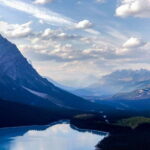
Peyto Lake is one of the most popular Banff-area lakes, and it’s popular for a reason: the stunning blue comes from glacial rock flour fed by the Peyto Glacier. The color can look almost surreal in photos, but once you’re there, you’ll see it’s real—just brighter under certain light.
The stop is about 20 minutes with admission included. That means you’ll want to decide fast where you want your “main shot.” Peyto has that famous wolf-head perspective from the viewpoint area, and the best move is usually to stand still long enough for the angle to click, then walk a little for a second framing.
If wind is picking up (and winter often brings it), don’t spend too long fiddling with equipment. Move, shoot, move again, and you’ll finish strong without freezing through your day.
Lunch at Lake Louise Village Grill & Bar: One Hour to Reset
Lunch isn’t included, but there’s a 1-hour stop at Lake Louise Village Grill & Bar. For a long day like this, that matters. When you’re out on cold roads and snow gear, you’ll feel the energy drop unless you get something warm or at least something filling.
This is a good time to:
- use the restroom without rushing
- check your camera battery and phone storage
- plan what you want to do with the final lake moments later
The tour includes hot drinks in winter, but lunch still helps you keep your energy steady.
Photo Help, Guide Energy, and Small-Group Comfort
The best part of this kind of day trip isn’t just the scenery. It’s how smoothly it runs, and that comes down to the guide.
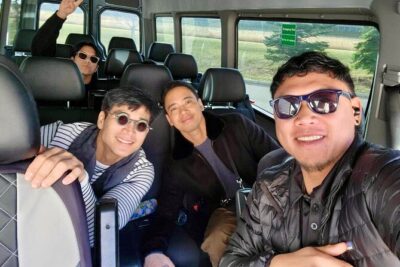
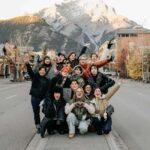
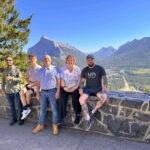
More than once, the experience is described as improved by the guide doing practical things beyond facts—like helping with pictures. People note that guides such as Gordon and Kenneth take time to offer picture-taking and posing suggestions. Michael is praised for being friendly and funny, while Kenneth is credited with adding history and pointing out where to stand. Ray is called sweet and helpful, and Vicky is described as full of energy with great tips. For solo visitors, the photo support is also a big deal; it’s easy to get stuck with a shaky selfie stick when you really want that clean group shot.
Also worth noting: there are multiple washroom stops along the way (based on experience shared in the feedback). That sounds basic, but on a 10-hour schedule, it’s the difference between enjoying the day and feeling tense about timing.
The day is packed, so background music comes up as an idea some people would like. That doesn’t affect the scenery, but it’s a reminder: the drive time is real. Bring something to keep yourself comfortable in the van—because you’ll be out of the seat again soon enough.
Who This Tour Is Best For (and Who Might Want More Time)
This tour is ideal if you want the major Banff and nearby Yoho “wow factor” lakes in one organized day. You’ll probably be happiest here if:
- you don’t want to drive and park on your own
- you like short walks and viewpoints more than long hikes
- you want a guide to handle timing and picture angles
- you’re visiting in winter and want help with icy conditions
It may not be the best fit if you want long stays at each lake, deep hiking time, or a slower pace where you can explore trails and villages at leisure. The stops are timed—Emerald is 30 minutes, Natural Bridge 10, Peyto 20—so this is more about stacking iconic sights than lingering.
Should You Book This Banff 4-Lakes Day Tour?
If you’re balancing time in Banff, I think this is a smart booking. The price is low compared with what it costs to solve transport, winter traction needs, and all the “where do we go first?” planning. The guide support (including photo help) makes it feel more like a guided day out than a rushed bus ride.
I’d book it if your priority is: turquoise views, winter ice magic, and getting a lot done without stressing about logistics. I’d skip it only if you hate a packed schedule or you want a more active, long-hike nature day.
FAQ
What time does the tour start?
The tour starts at 7:00am. The total duration is about 10 hours including travel time.
How many lakes are included, and which ones?
You’ll see Lake Louise plus Moraine Lake (seasonal) or Bow Lake (winter). You’ll also visit Emerald Lake and Peyto Lake. There are additional stops along the route.
Is Moraine Lake available year-round?
No. Moraine Lake access is limited to a short yearly window (June to early October). In the rest of the year, Bow Lake is used as the seasonal alternative.
How long do you spend at each lake?
Based on the time listed for each stop: Lake Louise is about 1 hour, Moraine Lake about 1 hour, Emerald Lake about 30 minutes, Peyto Lake about 20 minutes, and Bow Lake about 30 minutes (winter only). Natural Bridge is about 10 minutes.
What’s included in the price?
Included items are bottled water, an air-conditioned vehicle, a hot drink in winter, a multilingual guide, crampons, and GST.
Are meals included?
Meals are not included. There is a 1-hour lunch stop at Lake Louise Village Grill & Bar, but you’ll pay for your own food.
Do I need crampons for winter?
Crampons are included, and winter walking conditions may be icy. This helps you move safely at stops that involve slippery surfaces.
Is the tour only in English?
The tour is offered in English. Your guide is multilingual.
What happens if weather is bad?
This experience requires good weather. If it’s canceled due to poor weather, you’ll be offered another date or a full refund.