REVIEW · BANFF
Lake Minnewanka, Peyto Lake, Bow Lake , Icefields
Book on Viator →Operated by Westar Travel Ltd. · Bookable on Viator
One day in Banff feels like a photo marathon. It’s a packed Rockies route built around Peyto Lake viewpoints and glacier scenery, with an English-speaking guide and pickup from Calgary, Canmore, or Banff.
I also love the way the plan “breathes” between big sights and calmer lakes, so you don’t just burn through photos. Lake Minnewanka is the serenity payoff, but the one drawback to plan for is timing can tighten if the morning runs late or a stop has long lines.
In This Review
- Key things to know before you go
- How Pickup Works in Calgary, Canmore, and Banff
- Banff National Park Stop: Falls, Canyon Walks, and Restroom Timing
- Peyto Lake Viewpoint in 30 Minutes: Wolf-Shaped Turquoise
- Bow Lake and the Crowfoot Glacier Color Trick
- Lunch at Lake Louise Village: Fuel Up in 45 Minutes
- Vermilion Lakes in Winter: Aurora Chances and Bubble Ice
- Lake Minnewanka and Two Jack Lake: The Quiet Finale
- Guides and On-the-Road Info: From Bryce to Ahmed
- Price and Value for $89.37: What You Pay For, What You Don’t
- Timing Reality Check: Why Some Stops Feel Short
- What to Bring and Wear for a 7–10 Hour Rockies Day
- Should You Book This Day Trip to the Icefields?
- FAQ
- How long is the Banff day trip?
- Where can I get picked up?
- Are national park fees and transport included?
- Is lunch included?
- What group size is this tour?
- Does the tour include an English guide?
- What’s the cancellation policy if weather is bad?
Key things to know before you go
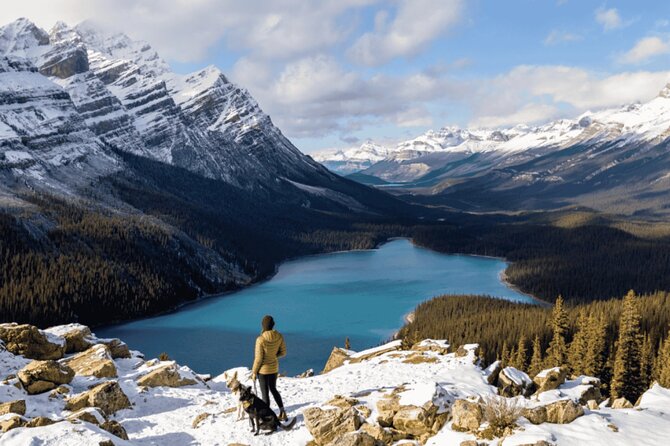
- Peyto Lake in 30 minutes: wolf-shaped viewpoint plus big turquoise color.
- Bow Lake on the Icefields Parkway: a short stop with glacier-fed blue water and huge views.
- Lunch is on you at Lake Louise Village: you get about 45 minutes to eat.
- Vermilion Lakes depends on the season: winter can bring northern-light chances and bubble-ice detail.
- Small-ish group for this region: max 50 travelers, with an included guide.
- Park fees and transport are handled: you’re mainly paying for guidance and logistics, not add-on entry.
How Pickup Works in Calgary, Canmore, and Banff
This tour is built for convenience. You can choose pickup from Calgary, Canmore, or right in Banff, and your boarding time changes a lot depending on where you start—about 1.5 hours from Calgary to Banff, or roughly 20 minutes from Canmore.
That pickup piece matters because it sets the whole day’s pace. If you’re coming from Calgary, you’ll spend more time in the vehicle before your first big stop, so I’d plan to bring layers and a snack for the early stretch. The tour runs about 7 to 10 hours, so you’ll want a comfortable rhythm for sitting, getting out, and re-boarding.
Also note that arrival time in Banff can shift with traffic and weather, which is why later stops can sometimes feel a bit rushed. If you’re the type who wants to linger slowly at each viewpoint, this is still a good tour—but you should go in with flexible expectations.
You can also read our reviews of more tours and experiences in Banff.
Banff National Park Stop: Falls, Canyon Walks, and Restroom Timing
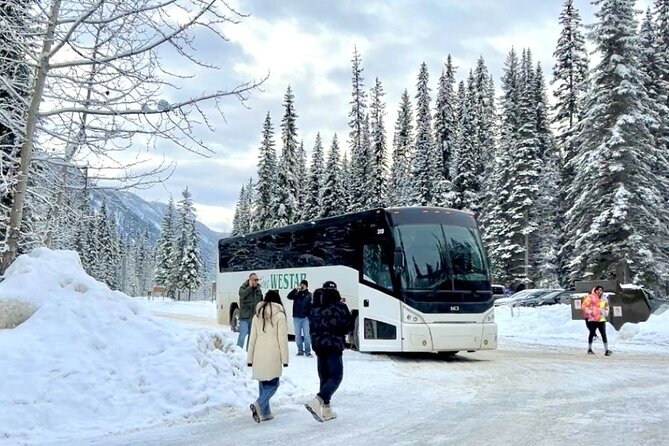
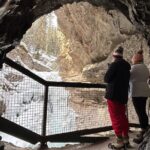
The day kicks off with a Banff National Park segment led by a professional guide who handles the flow and narration. In this tour style, this is often where you’ll see popular Banff highlights like Bow Falls and do a Johnston Canyon style experience.
This is one of the best parts of the day if you like your scenery with context. You’re not just stopping at a sign—you’re getting guided pointers on what to look for and why the views look the way they do. Plus, guides generally manage the day so you get restroom breaks without turning the whole tour into one long bus ride.
The trade-off is timing. Some reviews point to cases where a stop at Johnston Canyon felt cut short, especially when the morning schedule got delayed or the line was long. My advice: treat the canyon and falls as the “do-this-first” priorities, because the rest of the stops can be quick-photo pacing.
Peyto Lake Viewpoint in 30 Minutes: Wolf-Shaped Turquoise
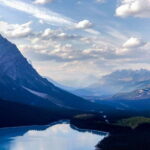
If you want one iconic Rockies photo that actually lives up to the hype, Peyto Lake is it. The lake is famous for bright turquoise water and a viewpoint that looks wolf-like from above. That short explanation sounds simple, but the effect in person is what makes the stop worth it.
You’ll get about 30 minutes at Peyto Lake, which is enough time to: walk to the main viewpoint, grab a couple of angles, and still avoid feeling like you’re sprinting. In a day like this, that matters. Longer hikes aren’t the point here—this is about maximizing the “big view per minute” factor.
One practical tip: if weather is changing, don’t wait until the last minute for your Peyto shots. Cloud drift happens fast in the mountains, and Peyto’s color is the kind of thing you notice immediately when conditions shift.
Bow Lake and the Crowfoot Glacier Color Trick
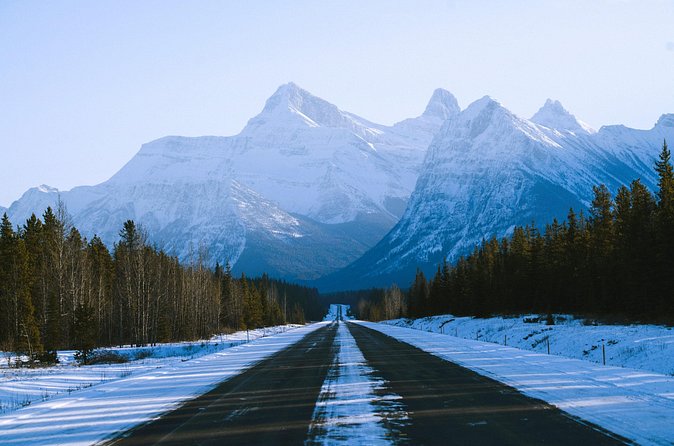
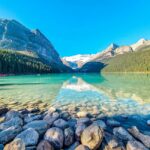
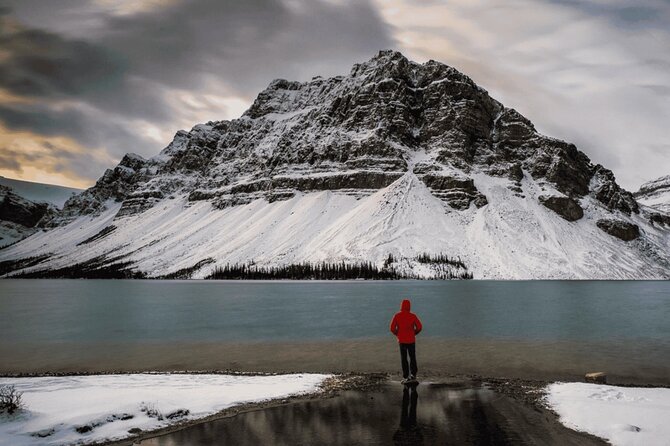
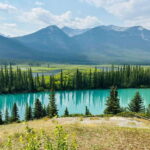
Next up is Bow Lake, another Icefields Parkway classic with a really specific reason for its color. In summer, the vivid blue comes from meltwater fed by the nearby Crowfoot Glacier. The result is that “ice meets sky” effect that looks almost unreal in photos—until you see it beside the road and realize it’s right there.
You’ll have about 20 minutes here. That’s short, but the payoff is big because you’re getting a panorama view at one pull-off: Crowfoot Glacier, Wapta Icefield, Bow Glacier, Crowfoot Mountain, and Mount Thompson. You’re not just seeing one feature; you’re seeing a whole system at once.
Because it’s a quick stop, I’d keep your footwear simple and walk-ready. If you want to do more than photos—like a longer wander—this stop may not give you that time. It’s ideal if you want a “captured memory, then move on” approach.
Lunch at Lake Louise Village: Fuel Up in 45 Minutes
Lunch is scheduled at Lake Louise Village at about 45 minutes, and meals are not included. The plan is flexible: convenience stores, cafés, and restaurants are there, so you can pick something that fits your appetite and budget.
What you should know is that this is not a sit-down, slow-lunch moment. With a day built around multiple viewpoints, the operator gives you a controlled window—enough to eat, use the bathroom, and get moving again without falling behind the group schedule.
My value-first advice: eat something you’ll actually enjoy even if you’re a little chilly. If you tend to feel cold easily in mountain weather, grab something warm and don’t rely on the weather staying mild. A 45-minute lunch is also a good chance to top up water before the next scenic stops.
Vermilion Lakes in Winter: Aurora Chances and Bubble Ice
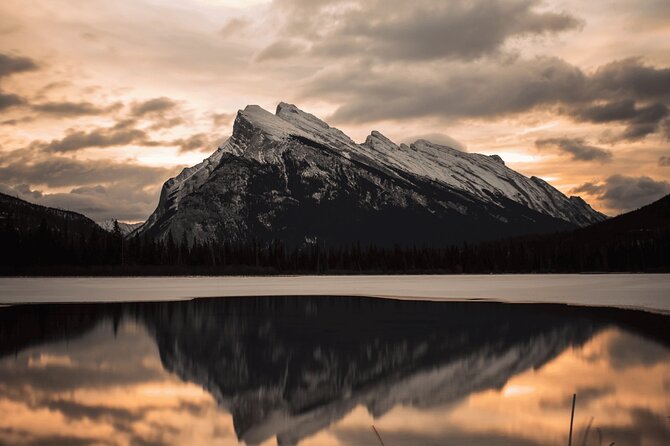
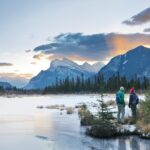
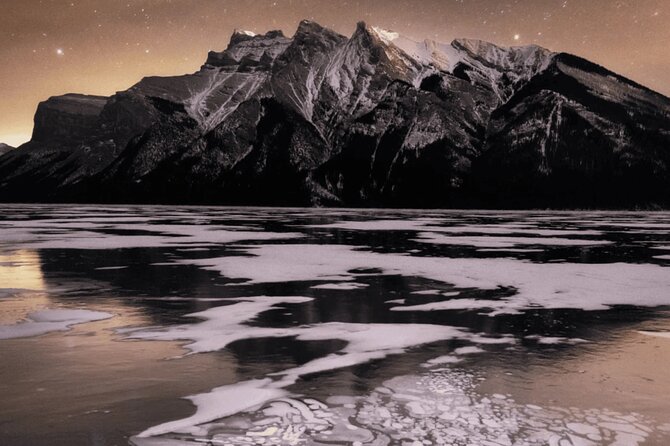
This stop is all about seasonal magic at Vermilion Lakes, and it changes with the time of year. If you’re visiting in winter, you might get lucky with northern lights (aurora borealis) over the water at night.
Another winter detail is unique and very “why does nature do this” cool: frozen layers with bubble-like patterns. These are frozen methane bubbles, linked to microbes consuming dead organic matter at the lake bottom. It’s a rare natural science moment, and even if you don’t know the biology, you’ll probably remember the look.
You’ll have about 15 minutes here, so don’t expect a long walk. This is a quick “check the sky, check the ice, grab photos if conditions cooperate” stop. If the aurora isn’t happening, the frozen water detail still gives you a memorable change of pace from the bigger lakes.
Lake Minnewanka and Two Jack Lake: The Quiet Finale
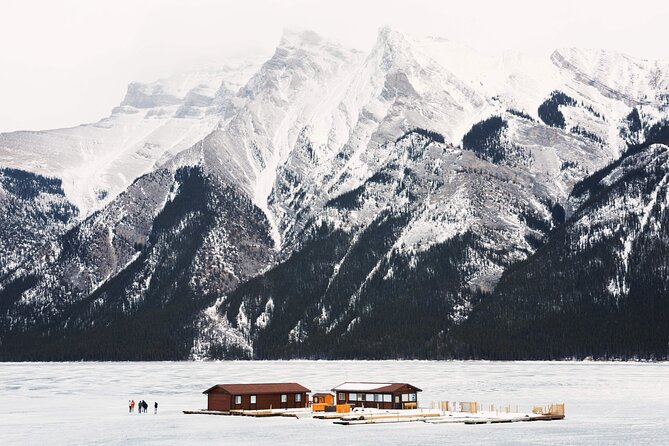
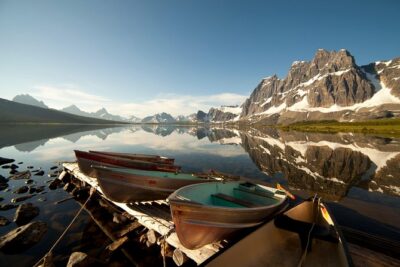
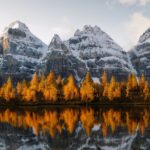
The tour’s calmer landing is Lake Minnewanka. Think glacial lake vibes with rugged mountain peaks around it, giving you that slow, wide view feeling after the busier photo stops.
You’ll get about 30 minutes at Minnewanka, which is longer than Peyto and Bow Lake. That added time is a hint about the intention: this is where you can take a breath, reset your phone storage, and slow your pace for a bit.
Then comes Two Jack Lake for a quick scenic stop (about 15 minutes). It’s a short final bow before heading back, so treat it like your last-chance photo segment. If you’re leaving space on your camera roll for one more scenic shot, this is the time.
Guides and On-the-Road Info: From Bryce to Ahmed
The biggest “make it better” factor on this tour is the guide. Multiple guides are highlighted for being entertaining, friendly, and informative, and certain names come up often—Bryce, Ahmed, Lisa, Simon, Vincente, Patrick, Amber, and Peter. When the guiding clicks, you don’t just see stops—you understand what you’re looking at.
A practical point for your own comfort: while the tour is offered in English, some reviews mention bilingual delivery and that language balance can vary. If English narration quality matters a lot to you, I’d verify before booking that you’ll get clear English guidance for your group.
There’s also the pacing side. When guides are really good at crowd management and timing, you feel like the day flows. When things get behind schedule, the stop durations can shrink, and that’s when having a guide who keeps you oriented becomes extra important.
Price and Value for $89.37: What You Pay For, What You Don’t
At $89.37 per person, you’re not buying luxury. You’re buying a guided, organized Rockies day with transportation and park fees handled. The included basics are solid: an air-conditioned vehicle, an English driver/guide, and national park fees. You also get a mobile ticket, which makes check-in easier.
What’s not included is the part you’ll probably feel most: meals. Lunch at Lake Louise Village is on you. Personal expenses like phone use, travel insurance, or extra add-ons are also on you, and tips are appreciated.
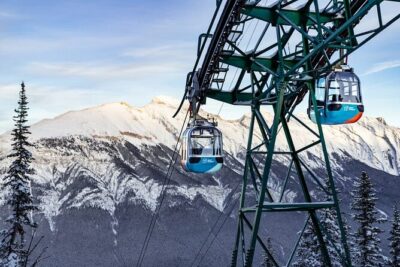
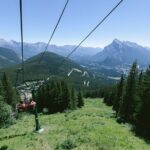
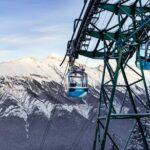
Some add-ons can come up depending on how your specific day is routed. For example, reviews mention paid options like a Banff Gondola on Sulphur Mountain and meals at higher-end spots. If you’re the kind of person who likes optional extras, budget for them early—don’t assume everything is bundled.
Value-wise, I’d frame it this way: if you want to avoid driving yourself, save time on planning, and get guided stops, the price starts to make sense. If you want the longest possible time at each attraction or full-on sit-down meals, this price won’t feel generous.
Timing Reality Check: Why Some Stops Feel Short
This tour is designed for a lot of places in a single day. That’s great if you’ve got limited time in Banff. It’s less great if you’re hoping for a slow pace at each stop.
The most common timing complaints center on two things. First, a late start or traffic can steal minutes from later stops. Second, popular areas like canyon viewpoints can have lines that eat time, even when the itinerary looks reasonable on paper.
For you, the fix is simple: decide in advance which stops matter most. If Johnston Canyon is your must-do, plan to treat it as the priority where you accept that your time there could be affected by lines. If your dream is the lake viewpoints—Peyto, Bow, Minnewanka—you’re likely to feel happier with the experience because those stops are built as viewpoint hits with photo time.
Also, count on restroom breaks being handled via stops, not guaranteed onboard comfort. Some reviews mention onboard facilities can be an issue or restricted, so assume the reliable option is using restrooms when the vehicle stops.
What to Bring and Wear for a 7–10 Hour Rockies Day
Even in summer, mountain weather likes to change its mind. Bring layers you can add or remove quickly, plus a light rain shell if storms are possible. If you’re visiting in winter, warm boots and gloves aren’t optional—they’re what make short stops tolerable.
Since your day includes multiple quick exits from the vehicle, you’ll want clothing that moves easily. One review advice that fits this tour perfectly: wear stretchy, comfortable pants so you’re not miserable when you’re climbing viewpoints or standing for photos.
Bring a camera plan, too. Peaks and lakes give you the best shots when you’re ready fast, not when you’re still fiddling with settings. If you can, charge devices before you leave and pack a car charger, because you’ll be taking a lot of pictures.
And don’t forget the basics you’ll rely on most: water and a small snack for the early hours, especially if you’re coming from Calgary.
Should You Book This Day Trip to the Icefields?
Book this tour if you want a high-views-per-hour day with logistics handled. It’s a good fit for first-time Banff visitors, for couples who don’t want to drive the Icefields Parkway on their own, and for anyone who likes guided context at key stops.
Skip it or adjust expectations if you’re hoping for long, unhurried time at each attraction or if you dislike the idea of paid add-ons. The schedule can tighten, and lunch is not included, so you’ll need to plan for food and possible extra activities.
If you do book, I’d do three things: confirm your pickup details in advance, prioritize your top 1–2 stops (especially if Johnston Canyon is on your list), and bring layers so you’re comfortable in changing mountain weather.
FAQ
How long is the Banff day trip?
It runs about 7 to 10 hours, depending on routing, weather, and traffic.
Where can I get picked up?
You can choose pickup from Calgary, Canmore, or Banff.
Are national park fees and transport included?
Yes. Transportation and national park fees are included, and the tour is described as having admission tickets free at the listed sightseeing stops.
Is lunch included?
No. There’s a lunch stop at Lake Louise Village with about 45 minutes, but meals are not included.
What group size is this tour?
The tour has a maximum of 50 travelers.
Does the tour include an English guide?
The tour is offered in English, and you’ll have a driver and guide in English.
What’s the cancellation policy if weather is bad?
You can cancel for a full refund up to 24 hours in advance. The tour requires good weather, and if it’s canceled for poor conditions, you’ll be offered a different date or a full refund.