REVIEW · BANFF
Rock Climbing Adventure in Banff: Beginner
Book on Viator →Operated by Alpine Air Adventures · Bookable on Viator
Want to climb outside without the guesswork? This beginner-friendly rock climbing day in Banff National Park is designed to get you on real routes fast, with coaching that keeps things safe and understandable. I love the small-group cap of 8 (so your guide can actually watch what you’re doing) and the safety-first approach, especially with belaying and site awareness. One drawback to plan around: shoe sizing can be limited at the climbing area, so think about comfort and fit before you arrive.
You also get real value for the money because the big stuff is included. All climbing gear comes with you—helmet, harness, climbing shoes, ropes, and belay devices—so you’re not spending time or cash on rentals beyond the tour. The day runs about 7 hours and starts early at 7:45 am, with no lunch provided.
This is a great option for brand-new climbers and families looking for a structured outdoor activity. You’ll start with basics like overhead hazard awareness and top-rope belaying, then build into technique—and if you handle the basics well, your guide can tailor climbs to your level.
In This Review
- Key things I’d watch for before you book
- Banff morning climbing: how this 7-hour beginner day runs
- Your guide teaches safety skills you’ll actually use
- Banff National Park: where beginners get real route time
- What to expect at the wall
- Gear is included, but shoe fit can make or break the day
- What you learn: from overhead hazards to belaying and technique
- Itinerary flow: how the day keeps moving
- Price and value: what $112.39 really buys you
- Who should book this beginner climbing day
- Logistics and timing: simple, but don’t wing it
- Should you book this beginner rock climbing adventure?
- FAQ
- What is the duration of the beginner rock climbing experience in Banff?
- Where does the experience start and end?
- What time does the tour begin?
- How much does it cost?
- Is this beginner-friendly?
- What gear is included?
- Is lunch included?
- How big is the group?
- Is the tour dependent on weather?
- Is there a cancellation window for a full refund?
Key things I’d watch for before you book
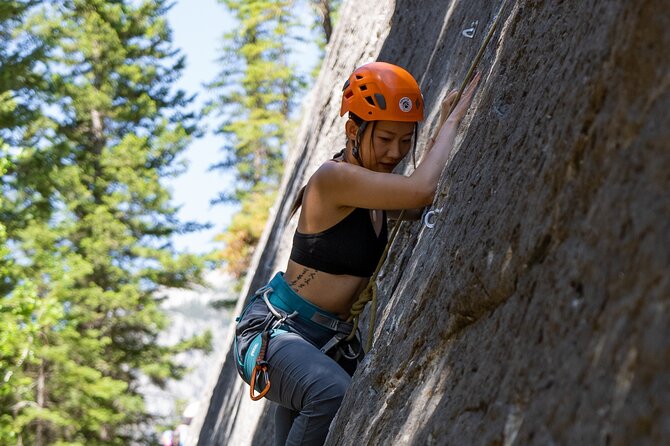
- Small group (max 8) means more time with your guide and fewer long waits at the wall
- Safety coaching is the main event, not an afterthought
- You can climb even as a true beginner, because routes are chosen to match your comfort and skill
- Gear is included, so you can show up lighter and spend more time climbing
- Shoe fit may be the weak link, especially if you need a less common size
Banff morning climbing: how this 7-hour beginner day runs
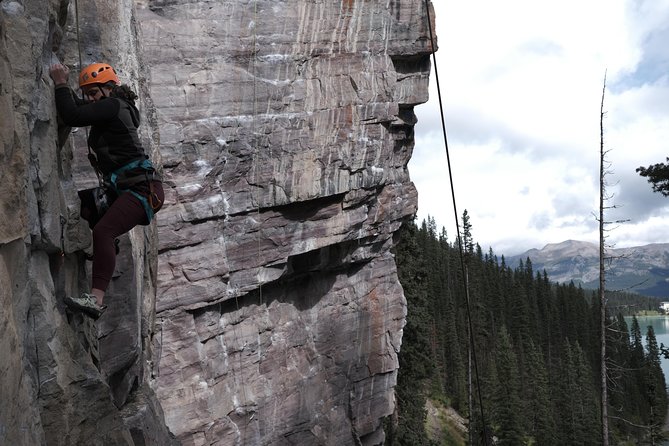
This is a full single-day climbing experience that feels like a mix of training and adventure. Expect to be active for much of the morning into the afternoon, with the goal being simple: get you climbing, and keep you safe while you do it.
The day starts at 7:45 am at 229 Bear St, Banff. You’ll return to that same meeting point at the end, so you’re not scrambling for drop-offs or extra logistics late in the day. Since the experience is weather-dependent, the early start also helps you make the most of the day when conditions are good.
What I like about a format like this is that you’re not just learning one tiny skill and calling it a day. You’re likely to rotate through different climbs and practice what you learn as you go. And when your confidence rises—sometimes surprisingly fast—your guide can nudge you toward more challenging routes.
You can also read our reviews of more tours and experiences in Banff.


Your guide teaches safety skills you’ll actually use
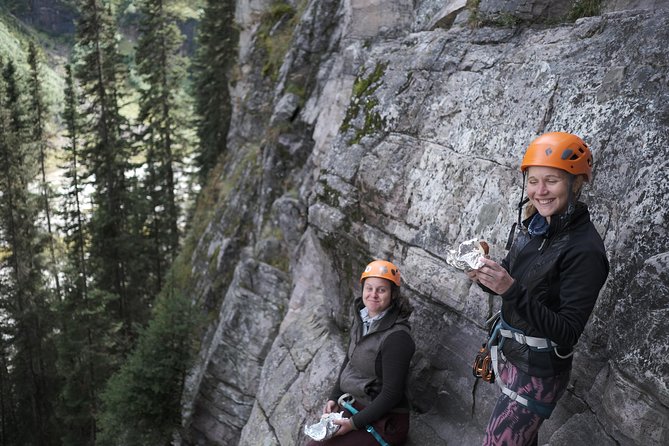
Rock climbing has a reputation for being intimidating. What makes this outing work for beginners is that the coaching is structured around what you need to know to move safely: how to read the area, how to handle belaying, and how to communicate with your partner.
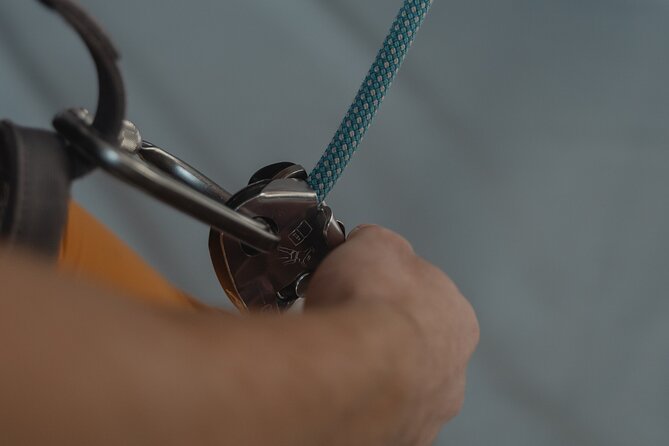
A big focus is site safety and awareness, including overhead hazard recognition—the stuff people often ignore indoors. You’ll also learn the fundamentals of belaying top rope and lead climbers. Even if you never plan to lead climb on your next trip, learning the mechanics and awareness behind it is a confidence booster.
You’ll also work on climbing technique, not just brute strength. That matters because beginner-friendly climbing success usually comes down to body position, balance, and learning how to use holds efficiently. Guides in this group have a habit of explaining things in plain language, then checking in to make sure you’re putting those ideas into practice.
And yes, personality matters. If you get Jacob, the vibe tends to be upbeat and story-driven, with solid instruction. Dustin and Janet are often praised for being patient and helpful with kids, while still keeping the adults engaged. Austin is known for encouraging beginners who feel stuck, and Sebastien is noted for being professional and helpful when everyone starts nervous. Your guide may differ, but the theme stays consistent: calm instruction, active supervision, and lots of climbing.
Banff National Park: where beginners get real route time
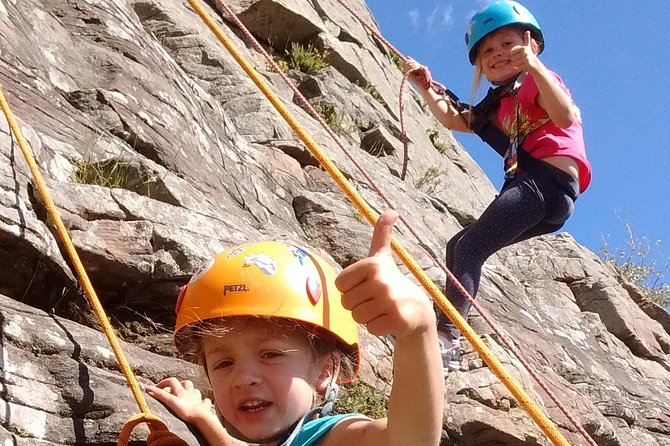
You’re heading to Banff National Park to climb in a local area. The practical value of this is that you’re outdoors, in a place with real views and real rock, but the day is organized so you’re not wandering around figuring everything out.
Because it’s aimed at beginners, the routes are chosen to match your ability level. That is the difference between a day that feels like learning and a day that feels like struggling. The guiding team keeps an eye on how you’re handling the basics, then adjusts your climbs so you can keep moving forward.
One interesting detail from people who’ve done the day: you may switch locations multiple times. Some participants described trying around six different climbing spots. That kind of rotation keeps the day from feeling repetitive and helps different learners find routes that fit their strengths.
What to expect at the wall
The day is structured so you climb, then get coached, then climb again. You’re not stuck waiting your turn for long stretches. And because the group size stays small, your guide can correct issues quickly—especially around belay setup and movement technique.
Gear is included, but shoe fit can make or break the day
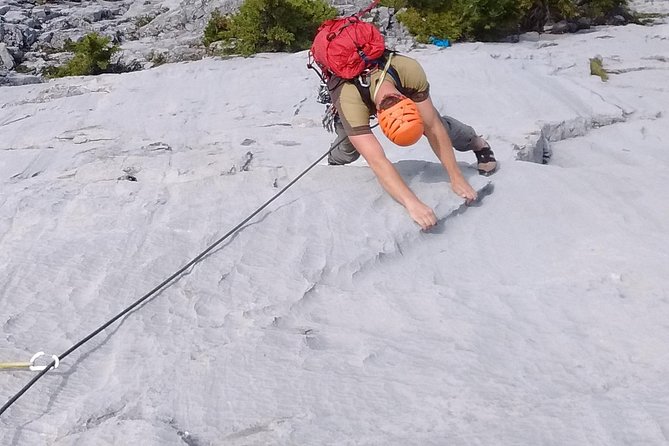
The tour includes helmet, harness, climbing shoes, ropes, and belay devices. That’s a big deal for beginners. You don’t have to figure out rentals, sizing, or whether you grabbed the right gear model. You just show up, get fitted, and start.
Still, shoes are the only part where I’d pay extra attention. One family issue that came up: limited shoe sizing at the climbing area. In that case, a climber had to wear a size that was either uncomfortable or didn’t fit ideally with sock thickness, which made climbs harder and slowed the routine of getting on and off shoes.
Here’s the practical takeaway for you:
- If you can share your shoe size in advance or confirm how fitting works, do it.
- If your feet run in a narrow size range, double-check what happens if your exact size is unavailable.
- Consider bringing the sock style you’ll want for climbing so you don’t get surprised by fit changes.
It’s not a reason to skip the experience. It’s just the one area where being prepared protects your comfort and keeps your energy focused on climbing.


What you learn: from overhead hazards to belaying and technique

This program is built as an introduction to rock climbing, so the curriculum stays rooted in real fundamentals. The core topics include:
- Site safety and awareness
- Overhead hazard recognition
- Belaying top rope and lead climbers
- Climbing technique
That list matters. In real life, your safety and your confidence come from understanding how hazards show up and how belaying works. Overhead hazard awareness, for example, isn’t just “be careful.” It’s learning to notice where risks can come from while you’re moving around people and rock.
The day also has room for additional skills, depending on how the group is doing. You might cover things like:
- using and setting quick draws on bolts
- building top rope anchors
- mock leads and rappelling
Not everyone will do all of these. The value is that the training can bend to your level, instead of treating every beginner exactly the same.
Itinerary flow: how the day keeps moving
You’ll have one main stop: Banff National Park. Start is at 7:45 am, and the experience ends back at the meeting point. That simplicity is good for travelers because you’re not juggling multiple transfers or complicated meeting schedules.
In practice, the day usually runs like this:
- Meet, get gear, and get safety basics squared away
- Head out to the local climbing area
- Climb multiple routes, practicing what you learned
- Get technique feedback and adjust as needed
- Finish the day back at the meeting spot
The big benefit here is pacing. The experience is designed as a 1-day program with a safety-oriented approach, but it’s still about getting as much climbing as you can handle. That balance is what keeps a beginner day from turning into a long lecture.
Price and value: what $112.39 really buys you
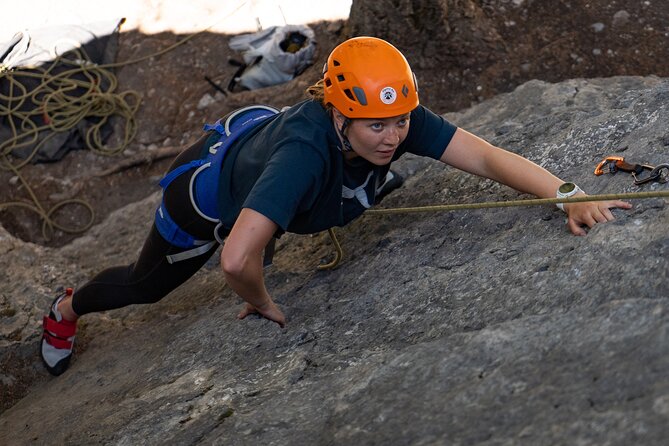
At $112.39 per person for about 7 hours, you’re paying for more than a spot on a wall. You’re paying for:
- Instruction time with a guide who supervises your safety steps
- A small-group format (max 8), which usually means more direct attention
- Full equipment coverage, including helmet, harness, shoes, ropes, and belay devices
- A structured introduction to climbing fundamentals, not just “go try”
What’s not included:
- Lunch
- Private transportation
So the value equation is strong if you’re traveling light or don’t want to spend time sorting rentals. It’s weaker only if you arrive hungry or aren’t close enough to get to Banff’s meeting point without extra planning. Since you’re meeting at 229 Bear St, plan to handle your own way there and keep food in mind.
Also note that this kind of tour sells quickly. If you want a specific day, book with some lead time so you’re not left with only less convenient options.
Who should book this beginner climbing day
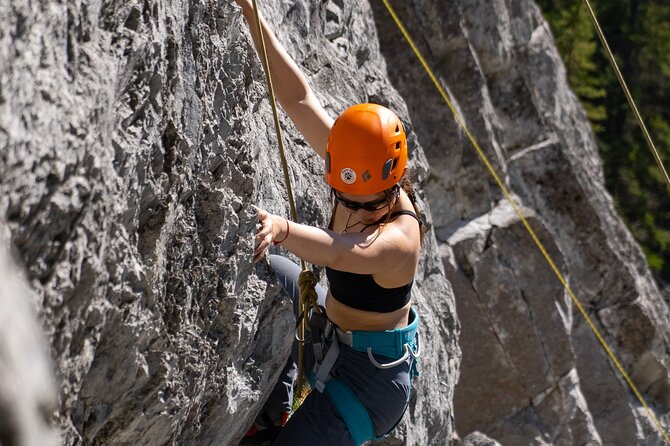
This is meant for people trying rock climbing for the first time, and it works well for families and friends with mixed experience. One clear point: it’s suitable regardless of previous experience, so you don’t have to be “athletic” to start.
It also fits travelers who want to leave Banff with more than a memory. The goal is to build skills you can use later, especially around belaying basics and technique.
A special note on kids: families with kids under 10 are asked to check about a half-day program instead. That’s worth taking seriously if your child is younger, since shorter time blocks often suit kids’ attention spans and energy levels.
Where it’s especially strong:
- you’re an indoor climber curious about outdoor rock
- you’re totally new and want real safety instruction
- you want a structured outdoor day that doesn’t feel random
Logistics and timing: simple, but don’t wing it
Start time is 7:45 am, and it ends back at the same meeting point. That means you’ll want to build your morning around an early departure window rather than treating it like a casual late start.
Transportation isn’t included, so make sure you’re able to get yourself to 229 Bear St. Also, the experience requires good weather, so if conditions aren’t suitable, you’ll be offered a different date or a full refund.
Two more small but important points:
- You get a mobile ticket, so have your phone ready
- Service animals are allowed
If you’re the type who likes to be prepared, also make sure your gear needs are handled early. The one repeated friction point in these kinds of days is usually shoe fit, not climbing skill.
Should you book this beginner rock climbing adventure?
If you’re looking for a safe, structured way to try outdoor rock climbing in Banff, I’d book it—especially if you want your first climbs taught with clear safety habits. The combination of small-group attention, included gear, and a curriculum that covers both safety and technique is exactly what makes beginners succeed.
Skip it or prepare differently if:
- shoe fit is a major concern for you or your group (sizes can be limited at the site)
- you need lunch included in your day planning
- you’re relying on private transportation and don’t have a way to reach the meeting point
For most people, though, this is a solid value and a very practical way to get outside and climb without guessing.
FAQ
What is the duration of the beginner rock climbing experience in Banff?
The experience runs for about 7 hours.
Where does the experience start and end?
It starts at 229 Bear St, Banff, AB T1L 1C3, Canada and ends back at the meeting point.
What time does the tour begin?
The start time is 7:45 am.
How much does it cost?
The price is $112.39 per person.
Is this beginner-friendly?
Yes. The program is designed as an introduction and is suitable regardless of previous experience.
What gear is included?
All climbing gear is included, including a helmet, harness, climbing shoes, ropes, and belay devices.
Is lunch included?
No, lunch is not included.
How big is the group?
The maximum group size is 8 travelers.
Is the tour dependent on weather?
Yes. It requires good weather, and if it’s canceled due to poor weather, you’ll be offered a different date or a full refund.
Is there a cancellation window for a full refund?
Yes. You can cancel up to 24 hours in advance for a full refund.