REVIEW · CANMORE
Sunset at Moraine Lake & Stargazing Tour from Canmore/Banff
Book on Viator →Operated by Into The Wild Tours · Bookable on Viator
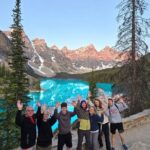
Night skies over Moraine beat daytime crowds. This evening outing is built for a slower, quieter side of Banff National Park: a wildlife-drive along the Bow Valley Parkway, a golden-hour photo stop at Morant’s Curve, then a lakeshore sunset at Moraine Lake before you point telescopes at the stars. I especially love the small group feel (max 13) and how the timing helps Moraine Lake calm down after the daytime rush, with guides like Tobias and Laura making the night feel intentional, not random.
The other big win is the setup for astronomy—telescopes, binoculars/monoculars, and even headlamps so you can move safely when it’s dark. I also like that you’re not just standing around: you get a guided lakeshore walk, time up at the rockpile, and hot drinks (tea and hot chocolate) to take the edge off. One drawback to plan for: the stargazing part is weather-dependent, so clouds can cut down what you see in the sky.
In This Review
- Quick hits before you go
- Getting to Moraine Lake the easy way: Canmore/Banff pickup and the wildlife drive
- Morant’s Curve: the short stop that helps your photos
- Moraine Lake at dusk: lakeshore walk, rockpile climb, and the quiet you came for
- Stargazing setup: telescopes, binoculars, headlamps, and real night-sky time
- What’s included for comfort (and what you should bring)
- How long it really feels: 8 hours, but the best moments take time
- Price and value: is $97.64 per person a good deal?
- Who should book this Moraine Lake sunset and stargazing tour
- Should you book it? My practical recommendation
- FAQ
- What’s the duration of the tour?
- Where does pickup happen?
- How long is the stargazing portion?
- Is there a guided walk at Moraine Lake?
- Do I get hot drinks during the tour?
- Is stargazing guaranteed to be clear?
- Can we see the northern lights?
- What’s the maximum group size?
- What should I pack?
- Is the tour run in bad weather?
Quick hits before you go
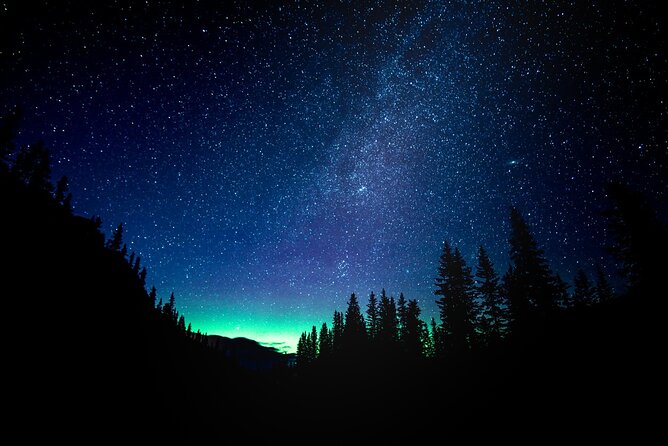
- Max 13 people means more breathing room at the rockpile and viewpoints.
- Bow Valley Parkway wildlife corridor gives you a chance at elk, deer, and possibly bears in the cooler evening hours.
- Morant’s Curve (15 minutes) is your short golden-light photo stop with the peaks in the background.
- 3 hours at Moraine Lake includes a guided lakeshore walk plus extra time to watch the sunset.
- Telescopes and binoculars help you go beyond a casual star look.
- Ponchos/umbrellas and headlamps keep you comfortable and moving when mountain weather turns fast.
Getting to Moraine Lake the easy way: Canmore/Banff pickup and the wildlife drive
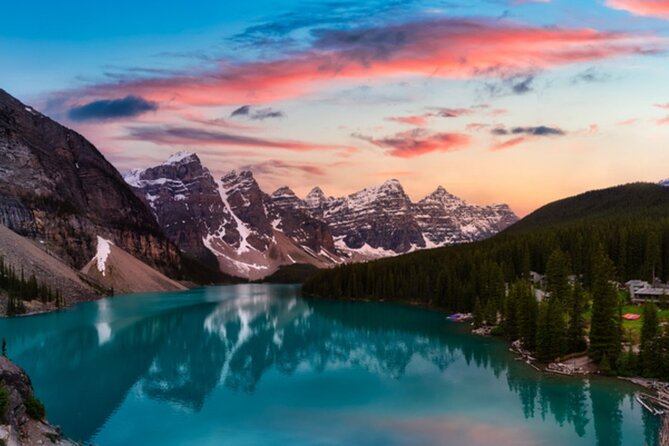
This is one of those Banff tours where transportation isn’t an afterthought. You start with pickup in Canmore (that’s when your tour technically begins), and if you’re staying in Banff you’ll get picked up about 30 minutes after the Canmore departure. The goal is simple: get you into position for sunset without doing the timing math with parking lots and shuttle buses.
Before Moraine Lake, you travel along the Bow Valley Parkway, which is known for wildlife activity during the evening. The tour doesn’t promise animals, but it’s a smart place to try. I like that the drive gives you something to look for while you’re waiting—less “we’re just sitting in a van” time.
Also: the shuttle stays in the parking lot during the Moraine Lake portion. That matters more than it sounds. You can keep your bags close by instead of hauling them around in the dark.
You can also read our reviews of more evening experiences in Canmore
Morant’s Curve: the short stop that helps your photos
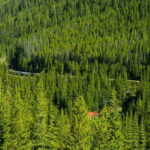
You’ll get a 15-minute break at Morant’s Curve, one of Banff’s most recognizable photo spots. Think winding railway meets tall peaks, with evening light doing the work for your camera. It’s not a long stop, so don’t plan to stretch out here—but it’s exactly right as a warm-up before Moraine Lake.
Why it’s worth it: this stop helps you build momentum. If Moraine’s parking lot is chaos during the day, you’ll feel calmer once you’ve already caught a great viewpoint shot early. It also gives you a sense of the evening’s color shift, so sunset at Moraine feels like a payoff instead of a surprise.
Moraine Lake at dusk: lakeshore walk, rockpile climb, and the quiet you came for
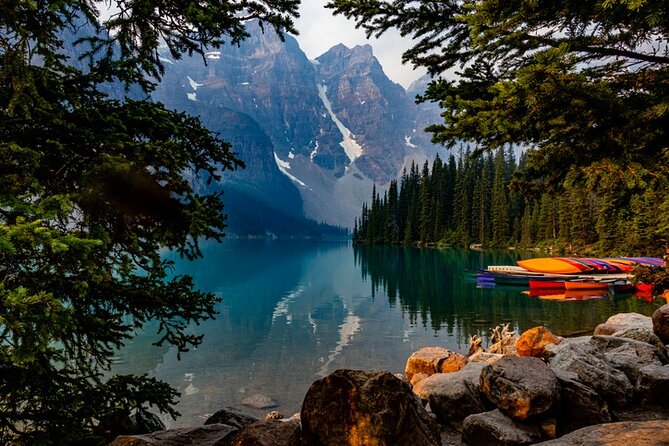
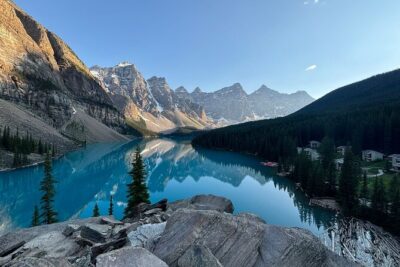
Moraine Lake is famous for a reason. But the daytime crowds can make it feel like an endurance sport. This tour aims to give you the opposite experience—arriving when the lake calms down and the sky starts putting on a show.
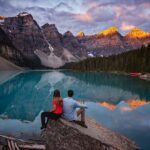
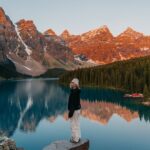
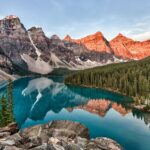
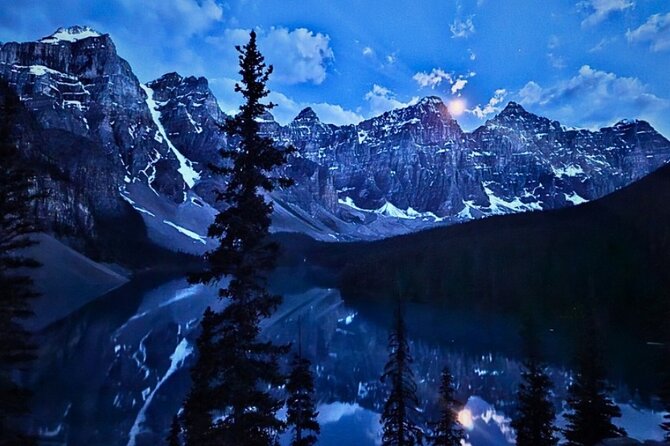
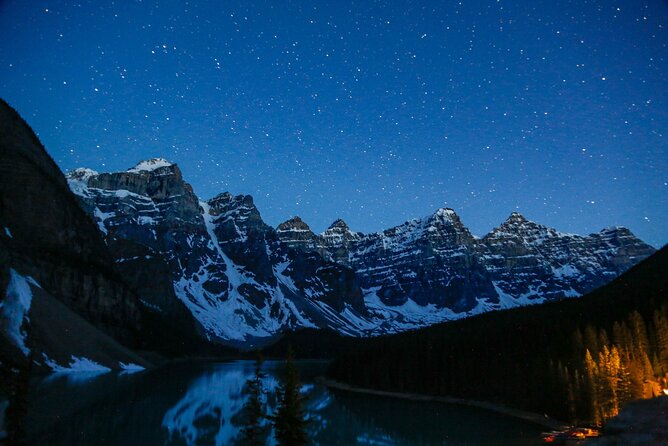
At Moraine Lake, you’ll get time to watch the changing colors as the sun sinks behind the Valley of the Ten Peaks. You also do a guided walk along the lakeshore. It’s short and purposeful: enough movement to break up the evening, but not so much you feel wrecked before the best views.
Then comes the highlight for sunset watchers: time up at the rockpile for a higher vantage point. Expect a climb that’s more steps than strolling. It’s not long, but it can feel rocky or steep under cold, dark conditions. I like that guides in this operation take care of comfort—some guides bring help like hiking sticks or other support for people who don’t want to power up without assistance.
One more practical note: sunset at Moraine Lake is chilly. Layers matter. Dress like you’re going to be outside for a while, because you are.
Stargazing setup: telescopes, binoculars, headlamps, and real night-sky time
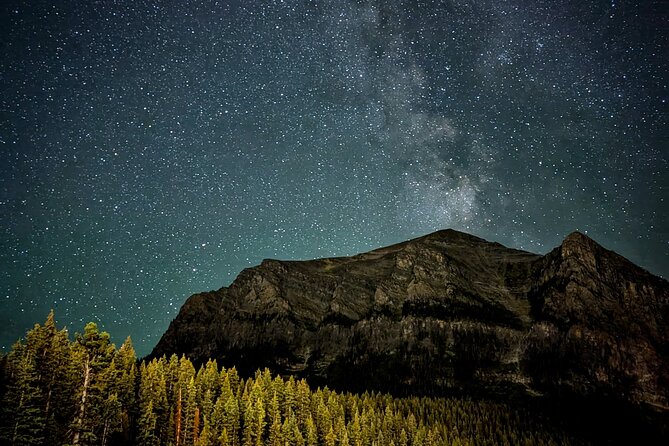
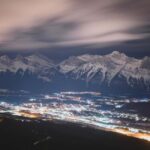
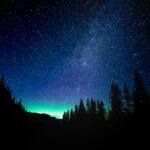
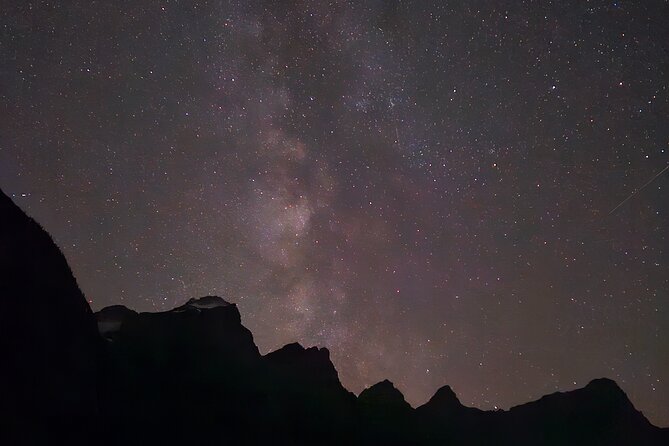
Once the light drops, the tour pivots to astronomy. With minimal light pollution, Moraine Lake is a strong spot for stargazing, and the included gear helps you see more than just bright dots.
You’ll use telescopes and binoculars, plus monocular-style viewing for up-close looks at constellations and distant objects. If conditions allow, you may even catch the northern lights—but the most consistent experience is the star-filled sky itself. This is where the guides earn their keep: they help you orient yourself and make sense of what you’re looking at.
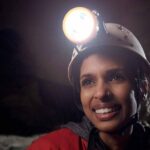
Logistics help here too. Headlamps are included, so you’re not stumbling around in the dark trying to find your spot on uneven ground. And the hot drinks during the evening help you stay focused. Cold hands and numb cheeks are the enemy of good stargazing.
Timing wise, the stargazing portion is about 2 hours 30 minutes, so it’s not a quick peek-and-go. Plan on waiting for the sky to fully cooperate, and bring patience if clouds roll in.
What’s included for comfort (and what you should bring)
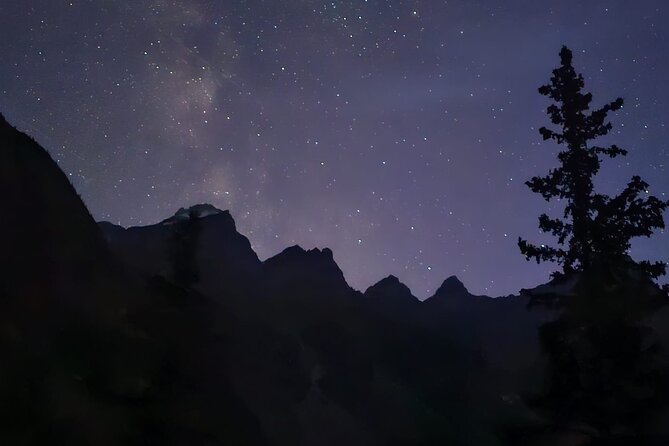
This tour includes several things that make the evening actually enjoyable, not just scenic.
Included essentials:
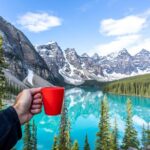
- Complimentary tea and hot chocolate, plus water refills (BYO water bottle).
- Monoculars and binoculars for night-sky viewing.
- Telescopes for a closer look.
- Headlamps for walking and finding viewpoints.
- Ponchos and umbrellas if weather turns rainy or wintry.
- A group size capped at 13 for a more manageable experience.
- 3 hours at Moraine Lake with a guided lakeshore walk, free time, and stargazing.
What to bring:
- Snacks. Food isn’t included, and you’ll be outside long enough that hunger can ruin the calm.
- Warm layers and a heavier jacket for the rockpile time.
- If you’re prone to getting chilled, add extra warmth for hands/head/neck. Some guides provide hand warmers, but it’s smart to be ready even without them.
- A light plan for bugs near a lake (one review specifically called out mosquitoes).
One more optional comfort upgrade: a small sit mat or cushion. Even with blankets (sometimes provided as part of the experience), sitting on cold or dusty ground can be uncomfortable when you’re looking straight up for a while.
How long it really feels: 8 hours, but the best moments take time
The tour runs about 8 hours. That’s a long chunk of time, but it makes sense given the mix of travel, viewpoints, and the slow rhythm needed for sunset and stargazing.
At Moraine Lake you’ll have a good stretch—about three hours total. Most of the day’s crowd stress is already gone by the time you arrive, and you’re not just rushing through. You’ll get guided pacing (lakeshore walk), a prime sunset window (rockpile), and then real sky time.
One reason people love this tour is that it’s designed to help you enjoy the waiting. Guides often build moments into the night—like helping with camera settings for Milky Way shots, and encouraging a quiet pause to simply take in the sound and stillness. That sounds sentimental until you’re sitting there under a sky that’s dark enough to feel huge.
Just be mentally ready for a late return. This isn’t an early-evening stroll.
Price and value: is $97.64 per person a good deal?
At $97.64 per person, this tour sits in the “you’re paying for convenience plus gear” category—and that’s usually where good value lives in Banff.
Here’s what you’re effectively buying:
- Pickup service from Canmore and Banff, so you avoid coordinating your own transport to a time-sensitive location.
- Entrance fees are handled where they apply (Morant’s Curve is free; Moraine Lake stargazing time includes the core program).
- Comfort items that can cost you extra on your own: headlamps, ponchos/umbrellas, hot drinks, and stargazing aids like binoculars/monoculars and telescopes.
- A small group cap of 13, which helps with photo space and the ability to actually hear guide directions in the dark.
If you were doing this independently, you’d still be spending money on gas/parking (and time). Add the cost of renting or buying basic night gear if you wanted it, and the tour starts looking pretty reasonable.
Is it pricey compared with a casual daytime walk? Yes. Is it expensive compared with the overall effort, gear, and time it saves you? In my view, it’s fair.
Who should book this Moraine Lake sunset and stargazing tour
This is a great pick if you want:
- A quieter Moraine Lake experience than you’d get in the day.
- An organized way to do stargazing without guessing where to stand or what you’re seeing.
- Comfort-forward guiding—warm drinks, headlamps, weather protection, and pacing.
It also suits people who care about wildlife and photography. The wildlife-drive route and the Morant’s Curve stop help you cover more than just one viewpoint.
Who might want to think twice:
- If you dislike cold nights and late returns, this might be a hard sell.
- If you hate weather uncertainty, keep in mind stargazing visibility depends on clouds. The tour still runs, and the schedule shifts toward enjoying Moraine Lake more when the sky is blocked.
Age note: the minimum age is 6, and kids under 6 can’t be accommodated. Adults need to sign a waiver before joining.
Should you book it? My practical recommendation
If Moraine Lake is on your Banff “must” list, I’d strongly consider booking this one. The timing is the point: you’re there when crowds thin out, you get a proper sunset vantage, and you finish with guided astronomy using real equipment.
My call comes down to this: you’re not just paying for a view. You’re paying for a calmer experience, plus a guide who helps you make sense of the night sky and keeps the group comfortable with the gear provided.
Book early if you can. On average, this tour sells out about 43 days in advance, so waiting can leave you with fewer evening options.
If you want one Banff experience that feels different from the usual daytime checklist, this is one of them.
FAQ
What’s the duration of the tour?
The tour is about 8 hours (approx.).
Where does pickup happen?
Pickup begins in Canmore, with additional pickups in Banff.
How long is the stargazing portion?
The stargazing portion is about 2 hours 30 minutes.
Is there a guided walk at Moraine Lake?
Yes. You’ll have time at Moraine Lake for a guided lakeshore walk, plus additional free time and sunset viewing.
Do I get hot drinks during the tour?
Yes. Tea and hot chocolate are included, and there are water refills. You should bring your own water bottle.
Is stargazing guaranteed to be clear?
No. Stargazing depends on weather and cloud cover. If visibility is poor, the schedule adjusts to spend more time enjoying Moraine Lake and less on stargazing.
Can we see the northern lights?
If conditions allow, northern lights are possible.
What’s the maximum group size?
The group is capped at 13 travelers.
What should I pack?
Bring snacks (not included), dress in layers for cold mountain weather, and consider packing something warm for hands/head/neck. A water bottle is also helpful since refills are provided.
Is the tour run in bad weather?
Yes, it runs in rain, shine, or snow. In extreme weather, the provider prioritizes safety and may reschedule or offer a refund.