REVIEW · CANMORE
Night Adventure with possible stargazing and Aurora chasing
Book on Viator →Operated by Canmore Travel-Moraine Lake and Lake Louise shuttle/bus · Bookable on Viator
A cold mountain sky can feel scary at first. This tour turns it into a guided night hang with hot drinks, telescopes, and dark-sky stops. You’ll get picked up, set up in a cozy viewing base, and then chase constellations (and maybe aurora) without figuring out roads in the dark.
Two things I really like: you’re supplied with blankets and an inflatable lounger setup so you can actually stay comfortable while you wait for clear moments. And you’re not stuck with one view—guides take you to several dark-sky locations so the odds of a good sky improve.
One consideration: stars and aurora aren’t guaranteed, and if you’re unlucky with clouds or light conditions, the experience can feel more like a warm, educational night walk than a fireworks show in the sky.
In This Review
- Key things you’ll notice right away
- Why a guided Banff stargazing night feels worth it
- Pickup timing in Banff and Canmore (and why you should plan buffer time)
- The mountain ride: transport that protects your evening
- Stop in Banff National Park: your dark-sky base (comfort is the secret)
- Telescope time: what you’re likely to see when skies cooperate
- Aurora Borealis odds: fun to try, not something to count on
- What the guides add beyond the stars (and why it makes the night better)
- What to wear: the tour only works if you come prepared
- Tour length and how to fit it into your trip
- Value check: is $111.84 good value for Banff stargazing?
- Who should book this (and who might want to skip it)
- Should you book this night adventure?
- FAQ
- How long is the night adventure?
- What time do pickups happen in Banff and Canmore?
- Is stargazing or the Aurora Borealis guaranteed?
- What’s included in the ticket price?
- Do I need a Banff National Park pass?
- What should I wear for the tour?
Key things you’ll notice right away
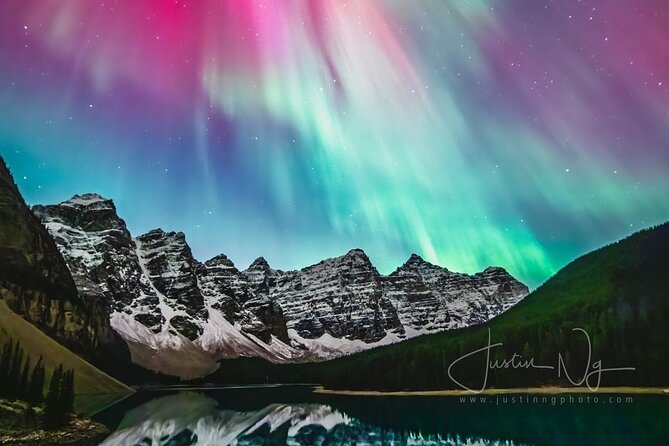
- Pickup from Banff or Canmore means you skip driving and parking in winter darkness
- Multiple dark-sky stops help you find the best sky windows
- Telescope use for closer looks when the sky cooperates
- Hot tea and hot cocoa to cut the cold while you’re waiting
- Inflatable loungers, chairs, blankets so you can sit back instead of standing
- Bear-safety focus so the night feels safer in the mountains
Why a guided Banff stargazing night feels worth it
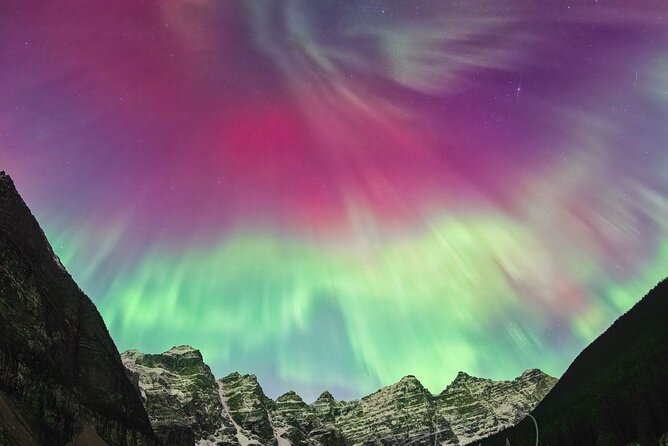
A DIY stargazing plan in the Canadian Rockies is doable—until you hit real winter problems: dark roads, uneven footing, and figuring out where the sky will actually be clear. This tour solves the hard parts. You get transportation, someone else handles the navigation, and you’re set up with a comfortable viewing base so you can focus on the sky instead of your coat zipper.
What makes this experience especially practical is the rhythm. You’re not just dropped at one turnout. The evening is built around going far from city distractions, hitting several dark-sky areas, then settling in where conditions look best. That matters because with winter weather in Alberta, the sky can change quickly. A plan that moves is often better than a plan that stays put.
Also, the group size is small—maximum 13 travelers. That’s a big deal for stargazing. Smaller groups move faster between spots, get more time with the telescope, and feel less chaotic when everyone’s wearing gloves and trying not to trip over their own boots.
You can also read our reviews of more evening experiences in Canmore
Pickup timing in Banff and Canmore (and why you should plan buffer time)
This tour runs from 7:15 pm. If you’re staying in Canmore (Dec 1–Mar 7), pickup is about 7:15 pm. If you’re in Banff, pickup is about 7:45 pm (again, Dec 1–Mar 7). There’s a 15-minute window for the pickup, so you don’t need to be glued to the door at the exact minute—but you should show up early.
Here’s how to make it easy on yourself:
- Be ready 10 minutes before your pickup window starts
- Assume the driver might arrive a bit early or late because of multiple stops
If you’re the type who hates waiting in winter, this is still a good tour format because you’re not doing the driving, but you do need to respect the schedule. In cold weather, the best strategy is simple: get picked up, get warm, then let the night happen.
The mountain ride: transport that protects your evening
The tour uses a passenger van or SUV, which is exactly what you want on a night activity. In winter, the road conditions can be unpredictable, and you don’t want your evening hinging on whether you remembered the right tires or whether your rental car battery still feels confident.
This transportation piece isn’t just convenience. It also changes how you experience the stars. When you’re not concentrating on navigation, you can settle into the plan—checking your clothes, grabbing a hot drink when you’re served, and actually paying attention when the guides point out constellations.
And because you’re picked up from Banff/Canmore, you don’t have to add extra stress to your day. You can end a busy sightseeing day with one clear task: show up, get warmed up, and look up.
Stop in Banff National Park: your dark-sky base (comfort is the secret)
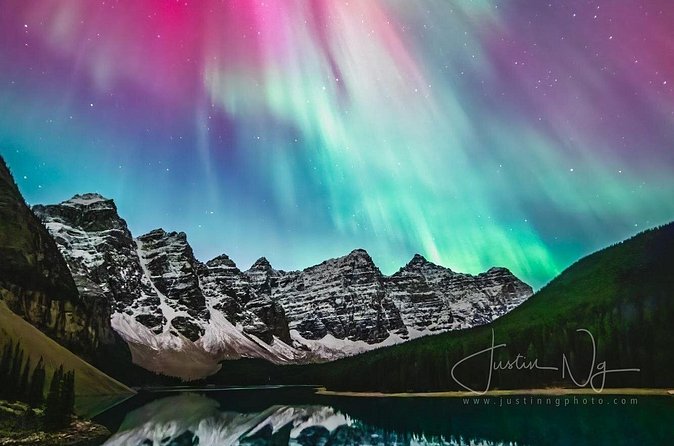
The main event happens in Banff National Park, with the guides choosing several spots away from modern distractions. The goal is to get you into darker skies so stars show better—and so there’s a real chance for aurora if the night supports it.
Once you reach the best viewing area, the crew sets up a cozy observation base. This is where your comfort investment pays off. You’re placed with:
- Inflatable loungers
- Chairs
- Blankets
- Headlamps (so moving around is safer)
- Cleats if needed
This matters more than it sounds. Stargazing is slow. Even on a great night, you’ll spend time waiting while clouds shift or your eyes adjust. Sitting in a lounger wrapped in a blanket beats standing and shivering every time.
You’ll also have warm drinks—hot tea and hot chocolate—which keeps your hands usable if you want to hold your phone/camera. One nice detail from how the guides run the night: they also use conversation and small activities to keep the cold from taking over your attention. That’s why people mention the evening feels organized and fun, not just lecture-and-photos.
Some groups even get extra sky-themed fun like light painting, and there’s also a surprise activity you can capture with your smartphone camera (without needing special gear). The exact activity can vary by night, but the vibe is consistent: you’re kept engaged while you wait for the sky to show its best.
Telescope time: what you’re likely to see when skies cooperate
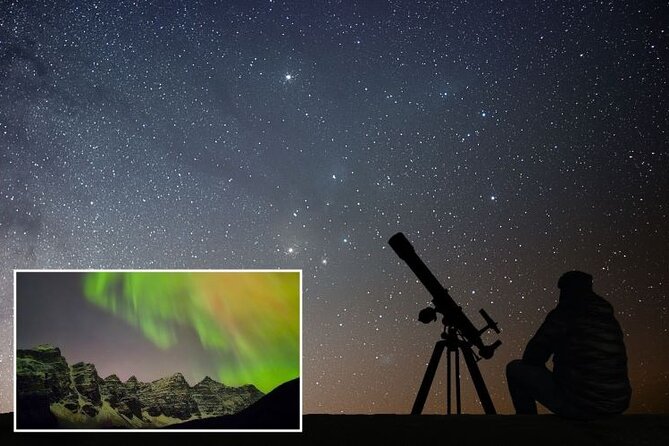
The tour includes use of a telescope. That’s the difference between seeing stars as points and seeing them as targets.
On clear or partly clear nights, you may get views like:
- bright planets (one highlight shared was Jupiter)
- planet moons through the scope
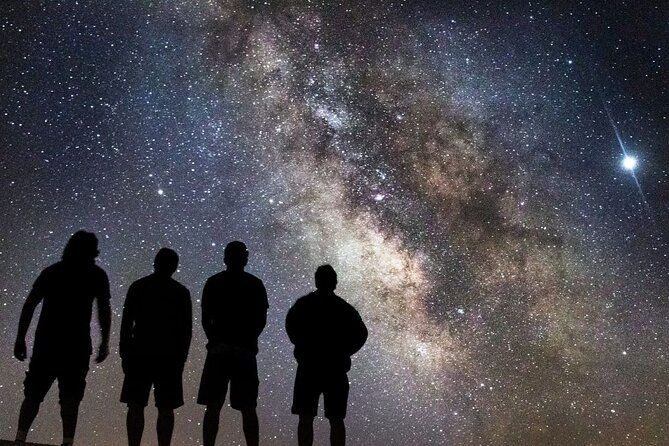
- very clear views of the Milky Way with the naked eye
Even when the sky isn’t crystal clear, telescope time can still be valuable because cloud breaks sometimes open right when you’re set up. This is one reason the tour is built around changing locations: if one spot looks dim, another might give better viewing within the time window.
A practical tip: don’t rush your viewing. Give your eyes a few minutes to adjust. Then look once without the phone, then use your camera only after you’ve found what you’re targeting. You’ll get better results and fewer blurry attempts.

Aurora Borealis odds: fun to try, not something to count on
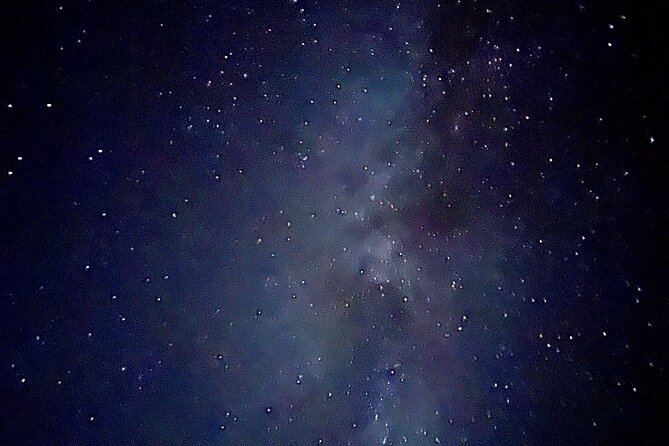
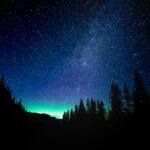
You’re signing up for a night adventure with possible aurora chasing, but the tour is honest: aurora sightings are not guaranteed. That’s actually good news, because it sets expectations correctly. If the aurora shows, you’ll be thrilled. If it doesn’t, you can still have a strong stargazing experience.
The weather range you might experience is real and varied—clear skies, partly cloudy, cloudy periods, and even light snow. Light snow can look magical under the right conditions. But heavy rain or heavy snow is when the guides may reschedule or offer a full refund.
Key takeaway: treat aurora like the bonus prize, not the foundation. Your foundation is the guided stargazing, telescope use, and a comfortable warm base.
What the guides add beyond the stars (and why it makes the night better)
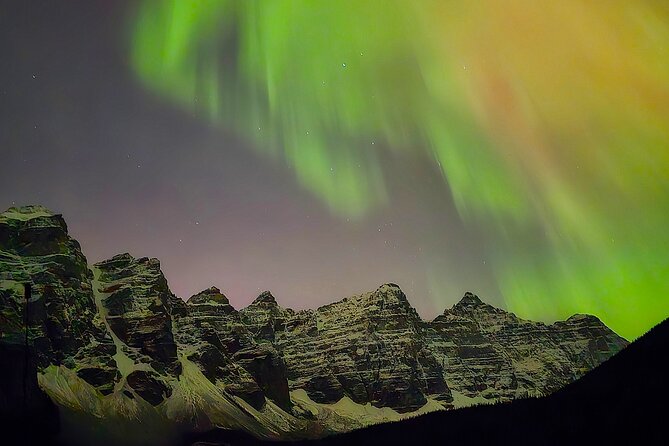
A big part of why this kind of tour works is how you feel while you’re waiting outside. If you’re cold and bored, the sky turns into a chore. The guides here focus on keeping the evening moving and interesting with stories and sky identification.
From the experience style, you should expect:
- constellation pointing and sky explanations
- local nature context like flora and fauna
- serious bear safety habits while you’re in the area
That bear-safety focus is worth mentioning because it changes the whole emotional tone of the night. You’re still out there in winter wilderness. But you’re doing it with guidance and caution, not just vibes.
And if you happen to be with guides like Pam and Denisse, you can expect friendly, clear teaching—people specifically remember their warmth and knowledge style.
What to wear: the tour only works if you come prepared
This tour runs in temperatures from -20°C to +20°C, and it can include light snow. So your clothing matters. The operator strongly recommends:
- warm hats
- mitts/gloves
- neck warmers
- winter jackets
- snow pants
- thermal/base layers
- warm socks and winter boots
They also recommend Hothands hand and foot warmers. You can usually buy them in sports stores in Banff and Canmore, which is handy if you forgot.
Practical gear advice:
- Wear boots with good traction (you might get cleats, but you still need solid footing)
- Bring a phone you can operate with gloves (or be ready to pull them off briefly for photos)
- Avoid cotton socks. In cold weather, they stay damp and get miserable fast
Tour length and how to fit it into your trip
The experience is listed as about 2 to 4 hours, with an operating note that it often runs 2.5 to 3.5 hours. Expect it to stretch a bit depending on where the guides move and what the sky is doing.
Plan for this to be your “calm night” activity. If you’re trying to stack dinner right after, give yourself a buffer. You’ll likely be bundled up, using a telescope, and moving between dark-sky stops at an unhurried pace.
Value check: is $111.84 good value for Banff stargazing?
At $111.84 per person, the price isn’t bargain-basement. But it can feel like good value because you’re paying for multiple things that add up fast if you DIY:
- Transportation (pickup and drop-off by van/SUV)
- warm drinks (hot tea and hot cocoa)
- blankets, chairs, and inflatable loungers
- safety items like headlamps and possible cleats
- telescope use
- a guide-driven plan that helps you access dark skies safely
Two things not included that you should plan for:
- Banff National Park Pass (you’ll need one)
- food (bring a snack plan for earlier or later)
If you’re traveling without a car, or you don’t want to spend your evening trying to find the darkest spots yourself, this price starts to make sense quickly. It’s basically you paying to trade stress for comfort and expert guidance.
Who should book this (and who might want to skip it)
This is a great fit if you:
- want a guided winter night in Banff without driving stress
- like learning constellations and basic astronomy
- value comfort (blankets, loungers, hot drinks)
- want a small-group experience (up to 13)
It may not be ideal if you:
- have very young kids (it’s not recommended for children under 8)
- can’t handle cold waits outside, even with blankets and warm drinks
- don’t like the idea that aurora is possible but never promised
There’s also a rule about child seating: any child under 6 must be in a proper child safety seat (not a booster), and you have to bring your own.
Should you book this night adventure?
If you want a practical way to enjoy Banff after dark, I’d say yes—especially if you’re prioritizing comfort and guidance. The telescope, warm drinks, and the cozy viewing setup turn a winter cold evening into a manageable, enjoyable experience. And because you’ll visit multiple dark-sky locations, you’re not betting everything on one turnout.
Book it if you can dress for real cold and you’re okay with the weather doing what weather does. Think of this as a night out in the mountains with strong odds of seeing stars—and a chance at aurora as the bonus.
Skip it if you’re planning this for one specific aurora night you’re unwilling to be flexible about. Clouds happen. Winter happens. The tour is built for that reality, but the aurora still depends on the sky.
FAQ
How long is the night adventure?
It runs for about 2 to 4 hours (and it’s commonly described as 2.5 to 3.5 hours).
What time do pickups happen in Banff and Canmore?
From December 1 to March 7, pickup is 7:15 pm from Canmore and 7:45 pm from Banff. You’ll have a 15-minute pickup window and should be ready about 10 minutes before the window starts.
Is stargazing or the Aurora Borealis guaranteed?
No. Stars and aurora sightings are not guaranteed. You’ll see stars if the sky allows, and aurora is only a possibility.
What’s included in the ticket price?
Included are hot chocolate and tea, telescope use, headlamps and cleats (if needed), blankets, inflatable loungers, chairs, and transportation by passenger van or SUV.
Do I need a Banff National Park pass?
Yes. The Banff National Park Pass is not included.
What should I wear for the tour?
Dress for winter conditions. Wear warm hats, mitts/gloves, neck warmers, winter jackets, snow pants, thermal/base layers, warm socks, and winter boots. The operator recommends Hothands warmers.