REVIEW · BANFF
Smartphone Audio Driving Tour between Banff and Calgary
Book on Viator →Operated by Tripvia Tours · Bookable on Viator
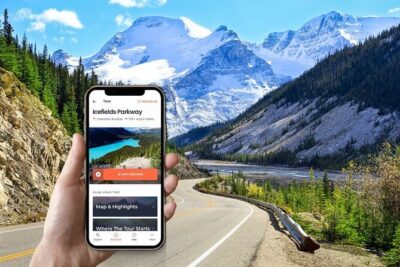
Banff-to-Calgary is a straight line with a scenic brain. This smartphone audio tour turns that drive into a self-paced story, with GPS cues and an option to use the app offline.
I like two things right away: the freedom to stop and wander, and the way the narration tries to match where you are as you roll along.
The only real drawback: if your phone setup is shaky (Bluetooth to a rental car, starting the app at the right moment, or poor signal for downloads), the experience can feel clunky. It’s still a smart idea—just test audio before you hit the highway.
In This Review
- Why This Audio Tour Works Better Than You’d Expect
- Key Points You’ll Actually Use
- Smartphone Audio, Not a Bus: What You’re Buying
- Price and Value: $8.22 Per Group Adds Up Fast
- Getting Started Without Getting Frustrated
- The Drive Becomes a Story: How the Stops Fit Together
- Upper Hot Springs Discovery: Your First Quick Win
- Stampede Lore: Calgary’s Big Energy in Audio Form
- Kananaskis Country: Learning the Neighbor You’ll Keep Passing
- Canmore and Banff Town Names: Why Place Words Matter
- Castle-Looking Peaks, Village Breaks, and the Fun of Small Stops
- Banff National Park Pass-By Education: You Don’t Have to Enter to Learn
- Lake, Ski Resorts, and the Tunnel Story: The Mid-Drive Peak of Wow
- Three Sisters and the Mountain-River Rhythm
- The Trivia Challenge: Fun, Optional, and Easy to Skip
- Audio Quality and GPS Triggers: What to Expect (and Watch For)
- Who This Tour Is Best For
- Should You Book This Smartphone Tour Between Banff and Calgary?
- FAQ
- How long is the Smartphone Audio Driving Tour?
- Do I need cell service during the tour?
- What direction does the tour run?
- Is the tour in English?
- Do I need tickets or attraction entry included?
- Is the tour private?
- How many people can be in a group for one booking?
- What if I need to cancel?
- Do I need my own smartphone or tablet?
Why This Audio Tour Works Better Than You’d Expect

This isn’t a guided bus ride with a fixed schedule. It’s a mobile tour built around one simple idea: you’re already driving one of Canada’s most famous routes. So instead of staring at the road and guessing what you’re seeing, you get short audio segments that pop up as you pass key spots.
And because it’s flexible, you don’t have to rush through Banff-area highlights. You can pull over when you want a viewpoint moment, stretch your legs at a village, or spend extra time at a pullout or attraction. The app also supports offline use, so you’re not totally hostage to cell service once the audio is loaded.
Key Points You’ll Actually Use

- Offline-ready audio means you can keep listening even when signal fades
- GPS-triggered narration helps the story match your position
- Up to 15 people per group makes it great value if you’re traveling together
- No time limit lets you go slow where you want photos and quiet
- Optional trivia challenge adds some fun without turning it into homework
- One booking per vehicle keeps logistics simple if you’re in multiple cars
You can also read our reviews of more tours and experiences in Banff



Smartphone Audio, Not a Bus: What You’re Buying

You pay per group (up to 15 people) for a smartphone audio driving route between Banff and Calgary (either direction). There’s no bus, no assigned seat, and no driver you need to coordinate with. You bring your own vehicle and simply play the tour on your phone or tablet.
The app experience is designed like this:
- You download and start the tour in the Tripvia Tours app.
- The audio is meant to trigger as you reach different points along the drive.
- When there’s a stop you want, you can pause your driving time by stopping where you like and taking as long as you like.
This format works best when you’re comfortable driving yourself. If you’re the kind of person who enjoys the journey between big sights—not just the big sights themselves—this tour can feel like a moving mini documentary.
Price and Value: $8.22 Per Group Adds Up Fast
At about $8.22 per group, this is priced like a budget add-on, not a premium guided excursion. And since it’s per group (up to 15), the value gets even better if you’re traveling with friends or family in the same vehicle.
What makes the price make sense is that you’re not paying for transportation—you’re paying for narration and structure. You’re also getting something you can re-take at your own pace during your booking window, instead of losing time to a strict itinerary.
The big value question is: will you use your own stop time? If you only listen at highway speed and never pull over, you’ll still learn facts, but you won’t get the best experience this tour is built for.
Getting Started Without Getting Frustrated

This type of GPS audio tour lives or dies on setup. The tour requires you to have a good mobile or Wi‑Fi connection for the initial download, and once you’re driving you’ll want your phone battery to last.
A few practical tips to save your nerves:
- Plug in your phone if you can (or bring a charging cable you trust).
- Test audio volume before you start driving.
- If you rely on Bluetooth in a rental car, do a quick sound check. Some setups don’t hand off audio reliably.
- If GPS triggering feels off, don’t panic. In the best case, the tour catches up when you’re back in the right place.
One reason the experience can feel uneven is timing—audio can start, then stop abruptly when the phone loses the track, or it may not land where you expect right away. Once it locks in, it’s much smoother.
The Drive Becomes a Story: How the Stops Fit Together

Think of the route as five chapters: hot springs and early discoveries, the Calgary pulse of the Stampede, Kananaskis Country, the Banff-area towns and peaks, and then the Lake Louise / tunnel / ski resort section before you loop back toward Banff’s core sights.
The tour also includes 50+ points of interest, so even if you skip a stop, you’re still learning as you go. And there are plenty of “pass-by” moments where the audio gives context even if you don’t visit that exact spot.
Here’s what each chapter is really doing for you.
You can also read our reviews of more tours and experiences in Banff
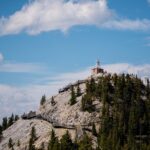
Upper Hot Springs Discovery: Your First Quick Win
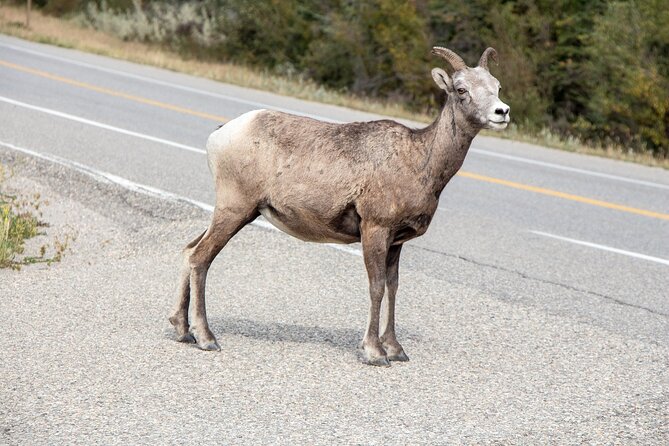
The tour starts with the upper hot springs story—how they were discovered. This kind of opening works well because it gives you a simple question to carry into the scenery: how did people first understand this place?
Then you can do the smart thing: instead of just listening, you can stop and actually visit during the tour. Since you control the time, you can match your interest level—short look or longer wander.
This first chapter is also good for getting your audio engine running. If the app hasn’t fully settled in yet, early stops give you a chance to troubleshoot while you’re still close to the start.
Stampede Lore: Calgary’s Big Energy in Audio Form
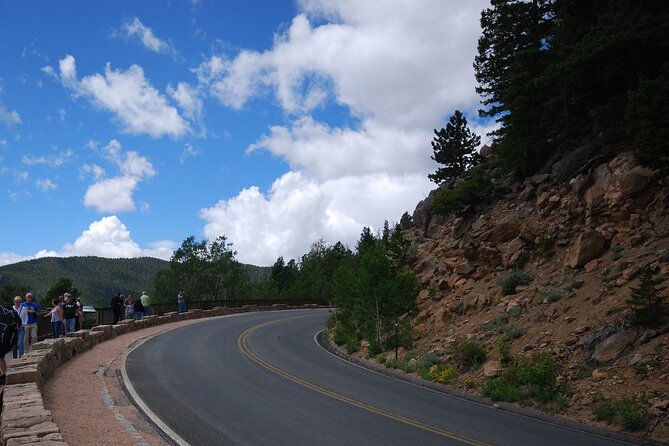
Next up is the iconic Stampede, with the tour framed as if you’re hearing it from the inventor (sort of). It’s a fun pivot from nature into culture, because the Banff-to-Calgary corridor isn’t only about mountains—it’s also about how the region built its identity.
If you’re visiting in a season when you’re already hearing Calgary’s name everywhere, this audio section adds context quickly. It helps the Stampede feel less like a random event logo and more like a piece of local history and pride.
It’s also one of the parts that tends to keep your attention while you drive, since the audio is built to sound like stories, not just facts.
Kananaskis Country: Learning the Neighbor You’ll Keep Passing
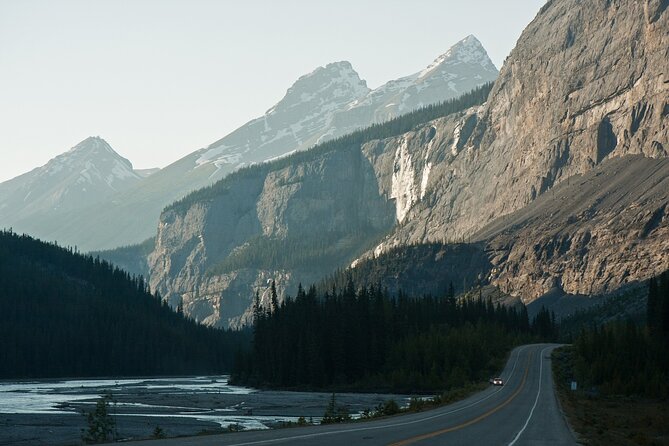
As you move along, you’ll hear about Kananaskis Country—the kind of area that often gets mentioned, but not always explained.
The value here is perspective. Kananaskis isn’t just “pretty mountains.” It’s a broader region that helps you understand what you’re seeing beyond the Banff postcard frame. Even if you don’t plan to detour, the tour gives you enough context to make the drive feel purposeful.
Canmore and Banff Town Names: Why Place Words Matter
Then the tour shifts into town-and-mountain storytelling:
- You’ll learn about how Canmore got its name.
- You’ll also get a chance to explore the community and pick up the thread of how people settled and built here.
- You’ll see and hear about Banff itself, including why it became the iconic mountain town it is today.
This is the kind of section I love because it changes what you’re looking at. Instead of “oh, that’s a town,” you start noticing patterns—how the road threads through valleys, where the buildings sit, and how the mountain setting shaped daily life.
If you like photography, these are also the stops where a short walk to a viewpoint can pay off fast. Even a 15–20 minute pause can turn into a great photo set when you have a reason behind it.
Castle-Looking Peaks, Village Breaks, and the Fun of Small Stops
As you pass various features, the tour points out peaks and smaller places that you might otherwise ignore at speed.
You’ll get audio about:
- A mountain that looks like a castle
- A small mountain village stop option
- Another mountain with a name that tells you what to look for
Here’s the practical upside: these sections help you notice the in-between moments. You don’t have to plan an entire hike to feel like the tour is worth it. Even brief stops can make the audio land better, because you’re not only hearing descriptions—you’re matching them to what’s in front of you.
The possible downside is driver distraction. Trivia and story beats can take your mind off the road, especially if you’re the passenger trying to keep the driver focused. If you’re driving, keep audio volume at a safe level and keep your eyes on the car’s traffic situation.
Banff National Park Pass-By Education: You Don’t Have to Enter to Learn
You’ll also drive through a large portion of Banff National Park, so the narration gives you context for what you’re seeing even when you’re not parked at an entrance or trailhead.
And even when the tour says you won’t drive through a particular park area, it still explains it—so you can decide later if you want to plan a separate visit with more time.
This is where the tour can quietly save you money and time on future plans. After you hear what matters, you’ll know which stops you should prioritize when you have a full day.
Lake, Ski Resorts, and the Tunnel Story: The Mid-Drive Peak of Wow
Some of the most eye-catching chapters come mid-route:
- You’ll hear about a lake described in a way that sounds like a tease: it really is that “nice lake” near the foothills of the Rockies.
- You’ll pass an area tied to camping—one of those sections that makes you think about stargazing because you’re literally driving toward that mood.
- You’ll learn about a ski resort just outside Banff and why it’s different from other nearby resorts.
Then comes the dramatic one: a tunnel through a mountain—with the tour telling you why, how, and what went wrong. Even if you don’t care about engineering, this kind of story adds real texture to the route. It turns the road itself into a plot point instead of a background detail.
If you’re a “how did they build this?” person, this section is likely to hold your attention.
Three Sisters and the Mountain-River Rhythm
You’ll also be pointed toward the Three Sisters mountain and hear the names of the sisters. If you like lore tied to geography, this is the sort of detail that makes mountain views feel personal instead of generic.
As for rhythm, you’ll drive alongside a famous mountain river multiple times. Even if you don’t stop, the audio ties the scenery together and keeps your drive from feeling repetitive.
There are also lots of “not a point of interest on the tour” pass-by segments where you’re free to pause as long as you like. Translation: if you see a turnout that looks good, you don’t have to treat the tour like a leash. You can just stay in your own flow.
The Trivia Challenge: Fun, Optional, and Easy to Skip
There’s a fun trivia challenge (optional) built into the experience. That’s a nice touch because it adds a little game energy without forcing it on every moment.
But keep one practical rule: if trivia feels distracting while you’re driving, turn it into a passenger activity. Or skip it and just listen to the narration. The tour is still packed with useful information even without the quiz element.
Audio Quality and GPS Triggers: What to Expect (and Watch For)
The tour is designed so the app recognizes where you are and plays accordingly. When it works right, it feels like a guided ride—except you control the pace.
When it doesn’t work perfectly, common issues can include:
- Starting confusion: you may need a minute to figure out where the audio begins relative to your exact location.
- Bluetooth mismatch: you might hear it from your phone rather than your car speakers.
- Abrupt pauses: GPS-triggered talks may stop in a cut-off way when you move on too quickly.
My advice: don’t judge the tour in the first few minutes. Give it a short window to align with your position. Once it’s synced, it’s usually much more satisfying.
Who This Tour Is Best For
This experience suits you if:
- You’re driving Banff to Calgary (or reverse) and want more than silence and podcasts.
- You like short stories tied to specific places, not long lectures.
- Your group is flexible about stopping wherever something catches your eye.
- You want offline audio so you can keep listening in remote stretches.
It might be less satisfying if:
- You want a strict “guided itinerary with timed stops.”
- Your phone setup is unreliable, especially with Bluetooth audio.
- You hate trivia or anything that competes for attention while driving.
Also, it’s a private tour/activity for your group only, which is helpful if you prefer a calmer experience than a multi-car mix.
Should You Book This Smartphone Tour Between Banff and Calgary?
I’d book it if you’re trying to get more out of a drive you’ll never repeat exactly the same way. For the price, the format is genuinely practical: it costs little, it saves you from guessing what you’re seeing, and it lets you control stops without losing the learning part.
Book it especially if:
- You’re traveling in a group that can split cost within one vehicle.
- You want a story-driven drive with plenty of “pull over when you feel like it” moments.
- You prefer audio you can download and reuse without worrying about coverage.
Skip (or at least test first) if:
- You know your car’s audio setup struggles with Bluetooth handoffs.
- You’ll be the only person dealing with navigation and audio at the same time.
FAQ
How long is the Smartphone Audio Driving Tour?
It runs about 2 hours (approx.), though you can take longer since there are no strict time constraints.
Do I need cell service during the tour?
You should have good mobile or Wi‑Fi connection for the initial download. The app can be used offline after that.
What direction does the tour run?
It’s available from Banff to Calgary or from Calgary to Banff.
Is the tour in English?
Yes, it’s offered in English.
Do I need tickets or attraction entry included?
No. Attraction tickets are not included.
Is the tour private?
Yes. It’s listed as private, so only your group participates.
How many people can be in a group for one booking?
The price is per group, up to 15 people, and only one tour booking is needed per vehicle.
What if I need to cancel?
Free cancellation is available. You can cancel up to 24 hours in advance for a full refund.
Do I need my own smartphone or tablet?
Yes. A smartphone or tablet is not included, so you’ll need your own device to run the app.