REVIEW · BANFF
Self-Guided Audio Tours for the Canadian Rockies
Book on Viator →Operated by GuideAlong (GyPSy Guide) · Bookable on Viator
Banff to Jasper can feel like a blur if you only follow signs. What makes this experience different is the GPS-linked audio that calls out sights as you arrive, so you can stop when you want and still feel informed. I like that it turns long driving days into a story-filled route, and you can keep it running offline so the Rockies stay the focus. One thing to keep in mind: key attractions have ticket costs, so you’ll want to budget for a few paid stops.
The two biggest wins for me are the freedom to customize your pace and the value of listening as you go—there’s no need to constantly pull out a map. The app’s driving format also means you get directions and context at the right moment, which is a real stress reducer when you’re juggling parking, viewpoints, and weather.
The possible drawback is simple: you’re doing this yourself. If you’re the kind of traveler who wants a human guide herding you from place to place, you may feel less guided. But if you like control, this setup fits the Rockies well.
In This Review
- Key things to know before you press play
- GPS audio turns the Canadian Rockies into a guided timeline
- Price and what $39.99 per group really buys
- Before you drive: downloading and using the GuideAlong app
- How long is it, and what kind of day does it make?
- Banff opener: Sulphur Mountain, Bow Falls, and the best first photos
- Cave and Basin plus Upper Hot Springs: why this combo works
- Lake Minnewanka, Hoodoos, and Vermilion Lakes: easy wins near town
- Highway 1A: Castle Mountain frames, Johnston Canyon, and Lake Louise views
- Icefields Parkway: the route that needs context, not just photos
- Yoho National Park and the drive to waterfalls and railway ingenuity
- Jasper-style “signature views”: Parker Ridge, Crowfoot Glacier, and Bow Lake
- Lake Louise to Jasper’s big icons: Lake Louise, Spirit Lake, and Maligne Canyon
- Icefields endgame in Jasper: Athabasca Glacier, SkyWalk, and Athabasca Falls
- Finish strong: Peyto Lake, Pyramid and Patricia, Cavell, Fort Point, and Miette
- Tips for making this self-guided route feel effortless
- Should you book this Canadian Rockies self-guided audio tour?
- FAQ
- Is this tour really self-guided, and how does the audio start?
- Do I need internet to use it?
- How much does it cost, and is pricing per person?
- Are admission tickets for Banff Gondola, Cave and Basin, and hot springs included?
- Where can I start and end the route?
- Can I change my travel date without rebooking?
- Is this available in English?
Key things to know before you press play
- 520 location-based points make the whole Banff-to-Jasper route feel timed and guided.
- Works offline once downloaded, which matters in remote stretches of the Icefields Parkway.
- One purchase per vehicle/group: it’s priced per group (up to 8), not per person.
- Some famous stops aren’t included: Banff Gondola, Cave & Basin, and Banff Upper Hot Springs require separate tickets.
- Flexible start and end: you can begin and stop anywhere along the route.
- App support is built in via phone, chat, and email if you hit a snag.
GPS audio turns the Canadian Rockies into a guided timeline
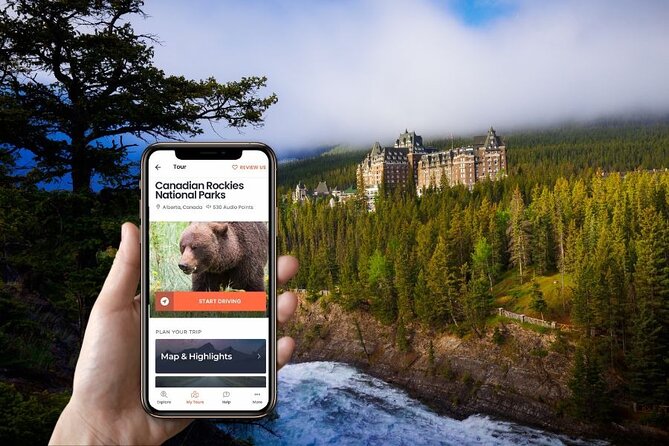
Driving the Canadian Rockies is half the fun—and half the confusion. Distances are big, viewpoints are scattered, and you can miss the meaning of what you’re seeing if you’re just snapping photos. This tour fixes that problem with a location-based audio feed that plays as your GPS places you near each stop.
Instead of a rigid schedule, you get a loose structure: short narration, practical directions, and short stops that you can repeat or extend. If you decide to linger at Bow Falls or skip a hike that day, the rest still works. That flexibility is the real magic, especially when weather changes or you just want a slower day.
And there’s a nice human touch. In user feedback, people even started referring to the narrator as Tom, describing it like a friendly seatmate who starts talking right when you approach a waypoint. That’s the vibe you’re paying for: “helpful, timely guidance,” not a lecture.
You can also read our reviews of more guided tours in Banff
Price and what $39.99 per group really buys
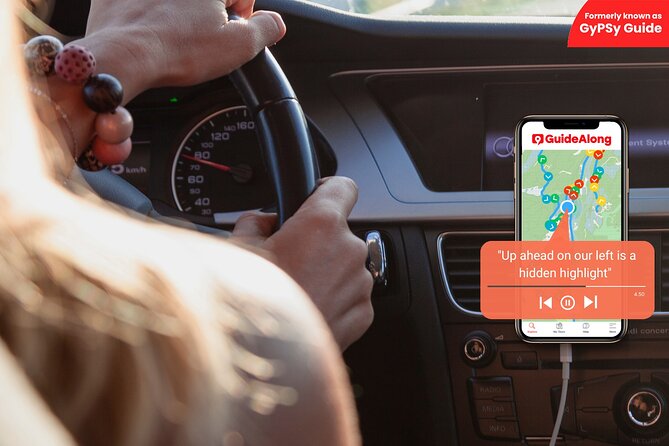
At $39.99 per group (up to 8), this is built for families, friends, and anyone road-tripping in one car. The value is not just the audio—it’s what the audio helps you do: choose better stops, navigate with less friction, and understand what you’re looking at without constant research on your phone.
You’re getting the GyPSy Guide app (GuideAlong), plus trip planning tools and a prebuilt set of “points” along the Banff to Jasper route. For drivers, the “per group” pricing is a big deal: one purchase can support everyone in the vehicle rather than turning the tour into a per-person add-on.
One practical note: attraction costs are separate. So if you plan to do the Banff Gondola, go into Cave & Basin, or soak at Banff Upper Hot Springs, you’ll pay those tickets on top. Budgeting for that upfront keeps the math clean.
Before you drive: downloading and using the GuideAlong app
This tour is straightforward once it’s set up. After booking, you’ll get instructions by email and text telling you to download the audio tour in the GuideAlong app. The key step is to redeem your voucher code ahead of time, then download the tour so it works without internet.
In practice, I’d treat prep like packing hiking boots: do it at home. Download over WiFi or cellular data, sign in with your Apple or Google account, then open the tour to preview start locations and the route planner. The app also supports offline listening, which is a serious advantage on the Icefields Parkway where cell reception can be spotty.
Bring a charger (a USB/C car charger is the easy choice) and pack earbuds/headphones for walking segments. Also plan on listening in the car, since the commentary is autoplayed by GPS while you drive.
How long is it, and what kind of day does it make?
The tour is designed for “12 hours to 1 day (approx.)” travel, but don’t think of it as one tight itinerary. The app lets you start and end anywhere along the route, so you can string together a full-day adventure—or do it in chunks.
For the stops themselves, many are sized like classic road-trip breaks: about 20 to 30 minutes at viewpoints and short hikes. A few take longer, and the app’s planning guidance helps you decide if you’re in “quick stop” mode or “real hike” mode.
If you want a manageable pace, I’d treat it like this:
- Do the quick scenic stops in the morning and late afternoon.
- Pick one or two longer hikes for the middle of the day.
- Keep one flexible slot for unexpected wildlife sightings or a viewpoint you want to revisit.
Banff opener: Sulphur Mountain, Bow Falls, and the best first photos
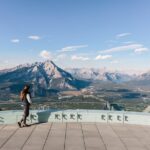
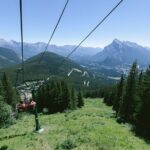
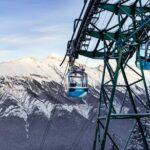
Your day starts in Banff National Park, and it makes sense that the first stops are big visual payoff. The first is the Banff Gondola up to Sulphur Mountain. The core idea is 360-degree views across multiple mountain ranges, plus boardwalk wandering toward the Cosmic Ray Station area. If you’re lucky, you can spot bighorn sheep along the way. Sunset adds extra magic, and you’ll have options for food at the top area (bistro/coffee/market-style dining), though the gondola ticket itself is not included.
Next, you shift from “big height views” to a classic river scene with Bow Falls by the Bow River near the Banff Springs Hotel. The highlight here is that the water level changes dramatically through the year, especially around spring thaw. The viewing set-up is simple: small parking and a trail leading to a higher viewpoint. It’s free and easy, which makes it a great stretch-break between larger stops.
Then comes Surprise Corner, a viewpoint that’s been drawing people for over a century. You get a “frame” that ties together the Banff Springs Hotel, Bow Falls below, and the Sulphur and Rundle Mountains behind. It’s free, but it’s also a blind corner—so you pause, photograph, and move on with extra care.
You can also read our reviews of more tours and experiences in Banff



Cave and Basin plus Upper Hot Springs: why this combo works
Two stops make this section special: Cave and Basin National Historic Site and Banff Upper Hot Springs. They both connect you to the area’s origin story—one through discovery history, the other through the tradition of bathing in mineral waters.
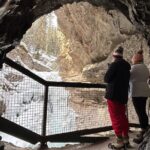
At Cave and Basin, the key moment is the 1883 discovery: three railway workers found the cave and thermal mineral springs. That sparked interest that eventually helped lead to Canada’s first national park, Banff National Park. The practical “do it yourself” value is that you’re not just looking—you’re learning. You tour the Interpretive Centre and walk boardwalks to see the original underground cave and an endangered tiny Banff Springs snail.
Then you can top it off with Upper Hot Springs, where people came to “take the waters.” This is the only place in Banff National Park where you can bathe in hot mineral springs. The water temperature ranges around 37 to 40°C (98 to 104°F). It’s a short soak stop—about 20 minutes in the plan—but it hits well after a day of walking and parking-lot navigation. Ticket pricing is separate here as well.
If your group includes people who don’t want long hikes, this is a smart swap: a culture-and-nature combo that still feels “very Banff.”
Lake Minnewanka, Hoodoos, and Vermilion Lakes: easy wins near town
After the classic Banff highlights, the tour shifts into “scenery plus light effort” territory.
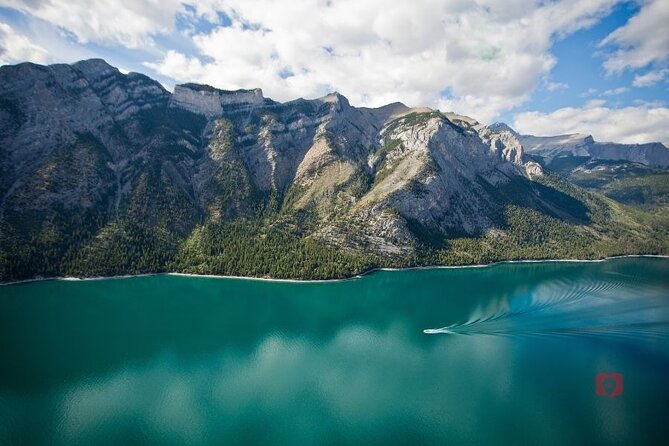
At Lake Minnewanka, you get a glacial lake expanded by small dams, and the plan includes free time plus optional add-ons like the 21 km cruise. The cruise can also help you spot animals along the shoreline and learn about Aboriginal artifacts dating back about 10,000 years. If you’d rather stretch your legs on land, the Stewart Canyon hike is described as easy and rewarding, with a 6.4 km (4 miles) return distance. Plan your energy for this one, since you’re choosing between a boat-style look and a walk.
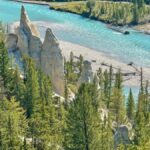
Then you hit Hoodoos Trail, where the goal is to see the rock formations created by rain, wind, and ice erosion—those fairy chimney shapes you’ve probably seen in photos. It’s an easy, flat trail leading to a viewpoint with the Bow River and Rundle Mountain in frame. It’s free and doesn’t beat up your legs, so it’s ideal as a mid-day reset.
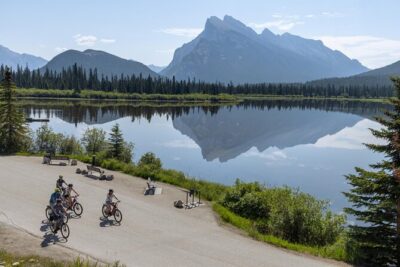
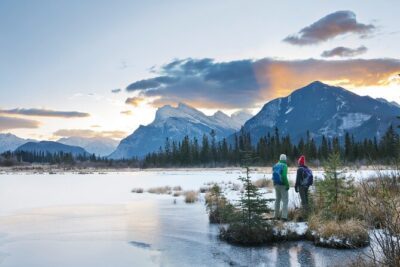
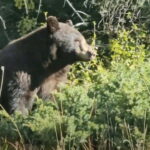
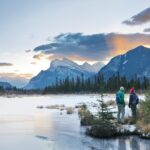
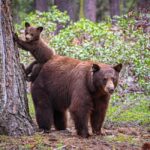
Finally, Vermilion Lakes offers a wildlife-friendly loop near town. You’ll often see birds, coyotes, and occasionally bear or moose. The plan suggests it’s a short walk or bike ride from downtown, with additional access by canoe from along the Bow River when water spills toward Echo Creek. Even if you don’t see wildlife, the setting is calm—and the free access makes it easy to build into your day.
Highway 1A: Castle Mountain frames, Johnston Canyon, and Lake Louise views
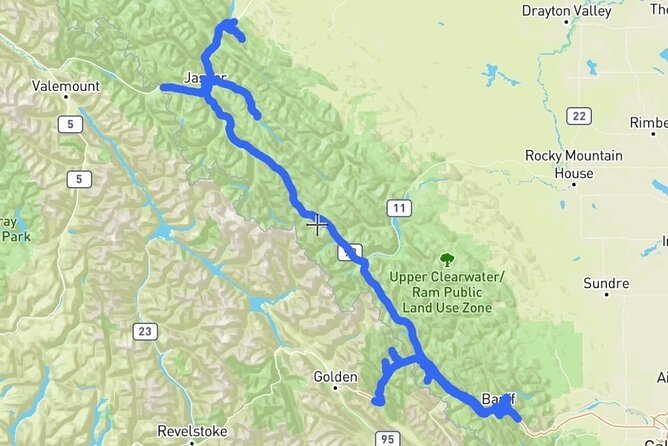
A major part of this tour is the drive-first alternate route using the old Trans Canada Highway 1A between Banff and Lake Louise. It’s slower and more relaxed than the fast Highway 1, and the goal is to give you scenic pull-offs without constantly searching.
You’ll learn about iconic views like Castle Mountain and Morant’s Curve, including the chance to recreate a famous historic train-era photograph. Then the tour naturally points you toward the biggest hiker-friendly stop: Johnston Canyon.
Johnston Canyon is one of the most popular natural attractions, and it’s designed for a “short but satisfying” hike. The plan describes a relatively easy 1.1 km walk along trail and steel catwalks into the canyon toward the Lower Falls. There’s even a short tunnel viewpoint option if you want to get close. If you keep going, you can reach the Upper Falls with a steeper push. The weather matters here: in summer, the canyon can feel like natural air-conditioning with mist, while winter freezes it into an icy scene.
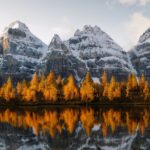
After that, you reach Moraine Lake, famous for the Valley of the Ten Peaks and the Canadian $20 bill look. The tour gives you options: canoeing, a walk to Rockpile Viewpoint or Consolation Lake, or a meal at Moraine Lake Lodge. The plan notes it’s typically thawed from June to October, so timing matters.
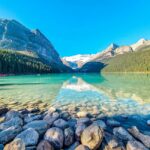
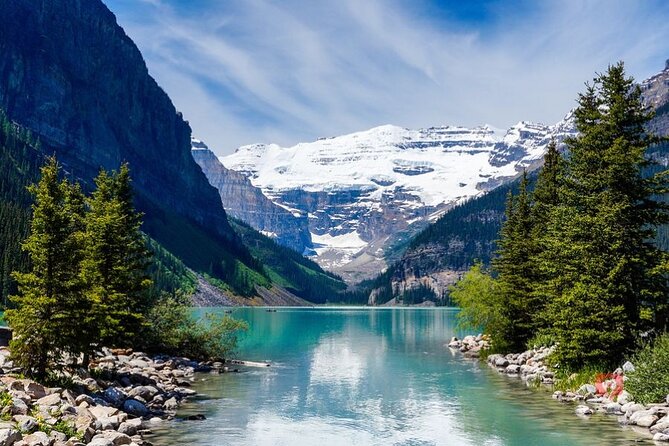
Then comes Lake Louise, the turquoise icon. The audio plan includes the foreshore for photos and options for hikes like the Plain of Six Glaciers and the Lake Agnes Tea House trails. A practical detail: bring cash for teahouses, since onsite payments don’t include debit or credit. If hiking isn’t your thing that day, the plan mentions a canoe rental or the Lake Louise Sightseeing Gondola for a more relaxed approach.
Icefields Parkway: the route that needs context, not just photos
If you only do one “why the audio matters” segment, make it the Icefields Parkway. This drive is long enough to blur your impressions, and dramatic enough that you might not notice why certain stops matter. The tour helps you spot must-do viewpoints and also explains what to look for along the way.
You’ll get narration around mountains, brightly colored lakes, glaciers, and the thundering waterfalls, with a bonus side benefit: wildlife spotting is called out as a real possibility along the drive. The timing in the plan is about 1 hour for the Icefields Parkway portion, but the audio framework is designed so you can stretch it when you want.
From a value perspective, this is where self-guided beats “winging it.” You’re not just seeing huge scenery; you’re learning what’s happening—glacier-fed colors, geological formations, and the logic behind where people stop.
Yoho National Park and the drive to waterfalls and railway ingenuity
Once you swing into Yoho National Park, the tour keeps the pacing friendly with a mix of waterfall power and short scenic stops.
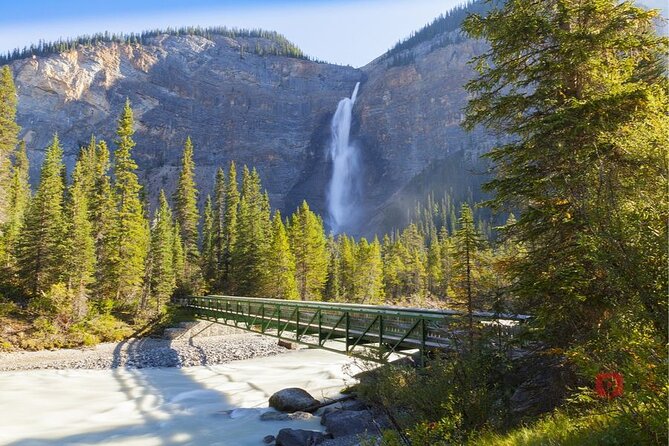
Takakkaw Falls is the big one: a glacier-fed cascade with plenty of mist. The plan notes the road through Yoho Valley often doesn’t open until June due to avalanche hazards, so the season and weather can control what’s available.
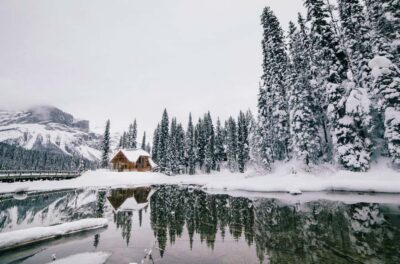
Next you’ll see why Emerald Lake gets repeat mentions. It’s an alpine lake with dramatic color and mountain framing. The audio plan suggests an easy walk around the perimeter and mentions the option to paddle a canoe. There’s also an established lakeside lodge for lunch choices. The stop also includes a quick bonus mention of Natural Bridge on the access road.
Then comes a very different kind of spectacle: Lower Spiral Tunnels Viewpoint. This one is about engineering. The story is that Canadian railway builders needed to connect Atlantic and Pacific routes through a tough mountain barrier. The spiral tunnels show how trains appear to pass over themselves at Kicking Horse Pass, managing the steep grades. It’s free, short, and it adds history without requiring a museum day.
Jasper-style “signature views”: Parker Ridge, Crowfoot Glacier, and Bow Lake
As you move deeper toward Jasper-area icons, the audio points you to viewpoints where the geography makes sense only after you’re told what you’re looking at.
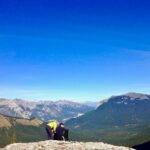
Parker Ridge Trail is described as short but steep. The reward is a view over the valley with the Saskatchewan Glacier behind it. The plan flags elevation—around 6,000 feet—so you might feel the hike more than the distance suggests. It also mentions year-round snow on the trail, which is useful to know when you’re planning what to wear.
Then you get Crowfoot Glacier along Bow Lake. The tour explains the name—shaped like a crow’s foot—plus how the glacier has shrunk from three toes to two. It’s free and it’s a great “geology lesson in 20 minutes.”
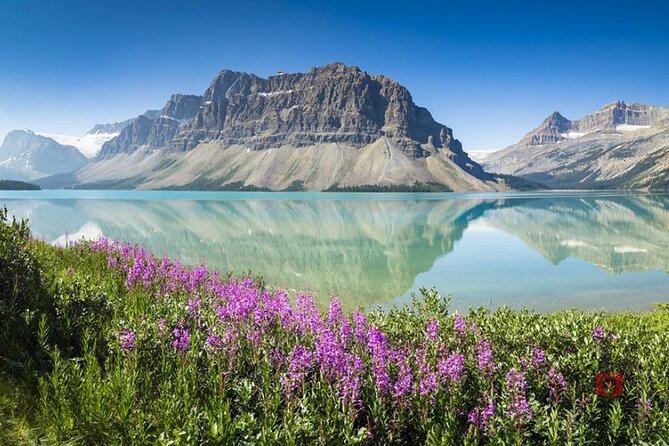
Finally, Bow Lake offers a photo stop plus the story behind Num Ti Jah, an old historic lodge built by Jimmy Simpson. The plan includes a detail about the lodge shape being hexagonal due to limited logs available. Even if you don’t care about architecture, it’s one of those “wait, that’s unusual” facts that makes a stop more memorable.
Lake Louise to Jasper’s big icons: Lake Louise, Spirit Lake, and Maligne Canyon
The route keeps stacking famous names, but with a practical approach: each stop is sized for “look, learn, and move.”
At Lake Louise, the plan’s strongest feature is choice: canoeing versus hikes, and the payoff trails where you can see glaciers calving on warmest days. That’s why it fits different energy levels.
In Jasper-area country, Maligne Canyon is next. It’s a short walk from the parking area to multiple viewpoints into a deep limestone cut carved by water. If you want more, the plan suggests starting from the 5th bridge location to follow trails along more of the canyon length.
Then you reach Maligne Lake, where the highlight is the famous cruise and the iconic photo of Spirit Lake. The plan stresses you need to prebook cruise time if you plan to do it, because it’s not a simple “show up and go” moment.
You can’t miss the power here: Maligne Canyon is quick and dramatic; Maligne Lake gives you the big postcard payoff that ties back to the region’s glacier-and-water story.
Icefields endgame in Jasper: Athabasca Glacier, SkyWalk, and Athabasca Falls
A big chunk of the experience centers on the Icefields area between Jasper and Banff, with major glacier access.
First, Jasper SkyTram on Whistler Mountain (not the ski resort in Whistler). The tram rises to about 2,200 m (7,200 ft). From the top station you can hike higher into alpine areas and reach viewpoints above treeline, or grab mountaintop dining. Admission is separate.
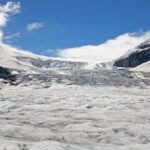
Then it’s Athabasca Glacier and the Columbia Icefield Discovery Centre, described as one of the most accessible glaciers in the world. The plan highlights that you can drive right to the glacier toe and see markers showing how far it has retreated over more than a century. If you want more than views, the Columbia Icefield Adventure Tour takes you onto the glacier via Ice Explorer vehicles. The plan also notes this can include a bus to a glass-bottom SkyWalk, and you should allow at least 3 hours for the combined experience. If time is tight, SkyWalk alone is an option.
Next comes Sunwapta Falls and Canyon, described as close to the parking area with quick access to standout viewpoints. There’s also a 3 km loop trail for extra exploration in about an hour.
Then Athabasca Falls: a narrow canyon with strong spring-thaw flow. If you’re there during snowmelt season, you should expect a serious water show.
Finish strong: Peyto Lake, Pyramid and Patricia, Cavell, Fort Point, and Miette
The “end stretch” leans into iconic viewpoints and optional recovery time.
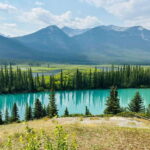
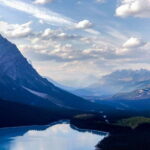
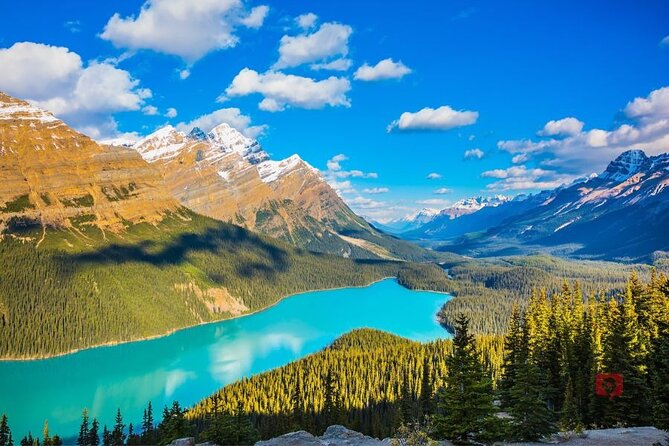
At Peyto Lake, the plan calls it a superbly colored glacier-fed view from Bow Summit, with the note that sunny days make the color brighter. It’s about a 30-minute stop in the route, but it’s the kind of viewpoint that feels like it deserves a little patience.
Then you reach Pyramid and Patricia Lakes, with the classic Pyramid Lake-to-Pyramid Mountain photo view. The audio also includes a WWII-related note about a secret project tested on neighboring Patricia Lake—another history layer that makes a short stop feel like more than a snap-and-go.
Old Fort Point Loop Trail is a short stair climb near town with valley views and the possibility of bighorn sheep.
Then there’s Mt Edith Cavell, which is the one you add only if you have time. The plan says the minimum is about 2 hours. It offers two hike options: the Path of the Glacier (1.6 km with about 70 m elevation change to Cavell Pond) and the Cavell Meadows Trail (7 km with about 500 m elevation change, mid-summer recommended). The audio notes you might see icebergs floating near Cavell Pond and also mentions mountain pikas and ground squirrels on the meadows route.
For a payoff that feels like a reset, Miette Hot Springs is the last “relax and soak” chapter. It’s described as the hottest thermal pools in the Rockies with scenic views. It’s free time in the plan, and the route includes short viewpoint stops on the way, plus wildlife viewing opportunities especially when driving along the Athabasca River.
Tips for making this self-guided route feel effortless
Here’s how I’d keep this trip smooth, based on what the tour is built to handle.
First, keep your phone battery high. You’ll use GPS for location-based autoplay, and the drive has long segments. A car charger is the simplest upgrade to avoid audio gaps.
Second, listen first, then decide how long to stop. The tour is designed around short waypoint time blocks (often 20–30 minutes). If you hear something you care about—wildlife cues at Vermilion Lakes, glacier explanations at Crowfoot or Athabasca—pause and give that topic your time.
Third, plan tickets as a separate line item. The app does a lot, but it doesn’t replace attraction admissions. In the provided info, Banff Gondola, Cave & Basin, and Banff Upper Hot Springs have separate prices listed, and you’ll also need park passes not included.
Should you book this Canadian Rockies self-guided audio tour?
Book it if you want a drive-first Rockies experience and you like having structure without losing control. This tour is especially good value if you’re traveling with others in one vehicle, because the group pricing covers everyone in the same car.
I’d also recommend it if you hate the “stop, scramble, check your phone” rhythm. The GPS-triggered narration is made for exactly those moments when you’re pulling into a parking lot and deciding whether the next trail is worth it.
Skip it if you want a traditional guided tour with a live person controlling timing, or if you already have everything planned so tightly that you don’t need extra context. But for most road-trippers—families, couples, and anyone making a one-car Rockies run—this is a smart way to get more meaning out of every viewpoint, without feeling rushed.
FAQ
Is this tour really self-guided, and how does the audio start?
Yes. The GuideAlong app plays commentary automatically based on your GPS location as you drive. You can start, stop, and resume your tour at your leisure within the route.
Do I need internet to use it?
No internet is required once the audio tour is downloaded. The tour is designed to work offline after you download it over WiFi or cellular data.
How much does it cost, and is pricing per person?
It’s $39.99 per group, up to 8 people. The pricing is per group/vehicle booking rather than per individual.
Are admission tickets for Banff Gondola, Cave and Basin, and hot springs included?
No. National park passes and attraction ticket prices vary. The Banff Gondola, Cave and Basin National Historic Site, and Banff Upper Hot Springs have admission fees listed separately.
Where can I start and end the route?
The audio commentary plays by GPS anywhere along the tour route. You can start and end at the suggested areas, and the tour also says you have flexibility to begin and finish anywhere along the route.
Can I change my travel date without rebooking?
Yes. The tour is a one-time purchase with no expiry and no date/time limit, so if your plans change, you do not need to change your travel date.
Is this available in English?
Yes. The tour is offered in English.