REVIEW · BANFF
Canyoning half day – Heart Creek Canyon (beginner level)
Book on Viator →Operated by Bow Valley Canyon Tours · Bookable on Viator
Canyoning in Banff is less scary than it sounds. This beginner-level Heart Creek Canyon half day pairs a real outdoors hike with guided rope skills—starting small, then building up to the wet fun in the lower canyon. I love that you get a rappel and rope safety clinic before anyone goes big, and I also love that the guides provide full tech gear like helmets and harnesses so you’re not guessing. One drawback to plan for: you’ll be in the water and your shoes will get fully soaked.
The best part is how the canyon route is paced for first-timers. You’ll do a series of shorter intro rappels in the upper canyon, then finish with the last rappel and slide section that’s always wet. If you hate heights or you’re not comfortable with steep, muddy footing, this can feel like more than a casual walk, even though it’s classed as beginner.
In This Review
- Key things you’ll notice before you go
- Heart Creek Canyoning: What Beginner Level Really Means
- Price, Time, and What You’re Actually Buying
- The 60-Minute Hike Up: Where Your Day Starts to Settle
- Choosing the Right Shoes (Because You Can’t Outsmart the Canyon)
- Gear and Instruction: How the Safety Clinic Works
- Upper Canyon Fun: Short Rappels and Easing Into the Drops
- Lower Canyon Finale: The Part That’s Always Wet
- Slides, Scrambling, and the Real Pace Between Drops
- What to Wear and Bring (So You Don’t Get Hacked by Cold Water)
- Weather in the Rockies: Why Rain Can Still Be the Best Day
- Pick-up Limits and the Heart Creek Location Reality
- Private Tour Energy: Coaching That Stays Focused
- Is This Worth It for Your Fitness and Comfort Level?
- Should You Book This Heart Creek Beginner Canyoning Tour?
- FAQ
- Do I need prior rappelling experience for Heart Creek Canyon?
- What are the minimum age and physical requirements?
- What shoes are allowed, and will they get wet?
- Is the last rappel in the lower canyon always wet?
- What’s included in the price?
- Is the tour cancelled if the weather is bad?
Key things you’ll notice before you go
- Safety briefing first: You start with a mandatory rappel and rope safety clinic before the real drops.
- Warm-up rappels: Short intro rappels help you build comfort before the main rappel(s).
- Five total rappels: The day mixes rappels with scrambling, hiking, and slides.
- Wet lower canyon: The last rappel/slides in the lower section are always wet, with a hike-around option.
- Shoes must handle dunking: The hike-up shoes go into the canyon and stay wet.
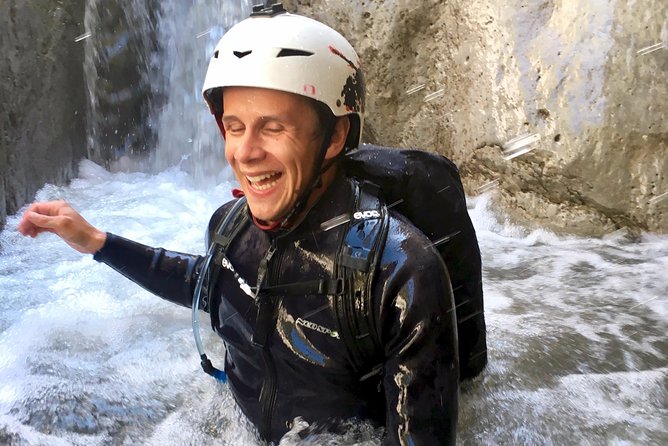
- Thick wetsuits for cold rain: You go rain or sunshine, and the wetsuits help you stay warm.
Heart Creek Canyoning: What Beginner Level Really Means
Beginner here doesn’t mean easy. It means you do no previous rope experience is needed, but you still need to be fairly comfortable with heights and willing to work through uneven canyon terrain. I’d call it an active outdoor day with some real exposure, not a chill “look and learn” stroll.
The route also has built-in pacing. You ease into rappelling with short drops in the upper canyon, which matters because your brain tends to calm down once you’ve done the first one safely. If you’re the type who gets anxious, this step-by-step coaching is the whole point.
You can also read our reviews of more tours and experiences in Banff.



Price, Time, and What You’re Actually Buying
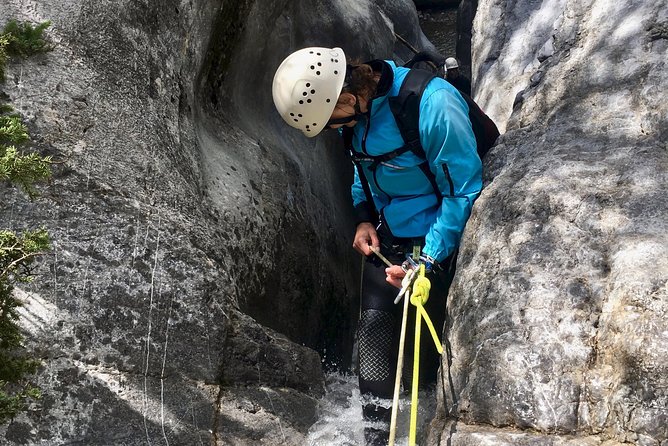
At $146.45 per person for about 4 to 5 hours, this isn’t a cheap activity. The value comes from what’s included: a professional guide, full canyoning wetsuit system, helmet, harness, rappelling instruction, and the technical gear you need for safety.
You’re also paying for the day’s “real stuff.” This is not just hiking in pretty places—it includes rappels, slides, scrambling, and the wet lower-canyon finale. If you want adrenaline, plus a structured lesson, the price starts to feel fair.
The 60-Minute Hike Up: Where Your Day Starts to Settle
You meet at the Heart Creek Trail parking area (off the highway east of Canmore). Then you hike about 30–45 minutes to reach the top start areas, and the overall climb experience is often described as around an hour once you factor stops and breaks. Most of the trail is described as beginner-friendly and straightforward, with only minimal incline—until the end.
Toward the end, there are two short but very steep sections. The good news is that guides take their time. The smart move is to go at a steady pace, especially if you’re carrying any camera gear, water, or a small pack.
Choosing the Right Shoes (Because You Can’t Outsmart the Canyon)
This matters more than people think. You’ll hike up in your shoes, then those same shoes go into the canyon and get wet for the trip. Tennis shoes, sandals, Crocs, water shoes, and urban footwear are not permitted for safety.
The safest bet is trail running shoes or light hiking shoes with good tread. Plan to dunk them. Also plan a reset: the tour recommends bringing a second pair of dry shoes (left in your vehicle) so you’re not stuck with squishy footwear for the rest of the day.
Gear and Instruction: How the Safety Clinic Works
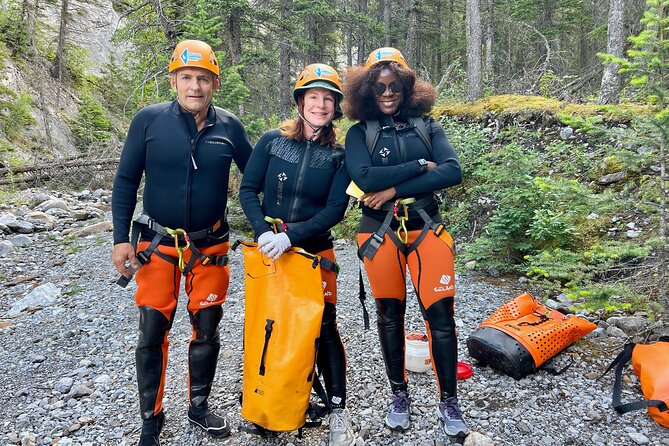
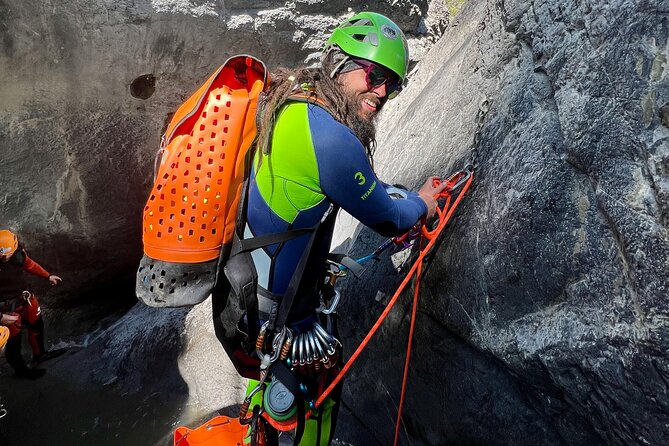
Before you start dropping, guides run a mandatory safety clinic and rope briefing. You’ll receive rappelling equipment like a helmet and harness, plus wetsuit and neoprene socks/booties. The message is clear: you learn the mechanics and safety steps first, then you apply them right away.
What I like about this setup is that it reduces the guesswork. Once you’ve been coached on how the system works, your confidence improves fast. Many participants also mention guides like Brendan and Lawrence being patient and encouraging while still staying strict on safety, which is exactly the balance you want on a rope-based activity.


Upper Canyon Fun: Short Rappels and Easing Into the Drops
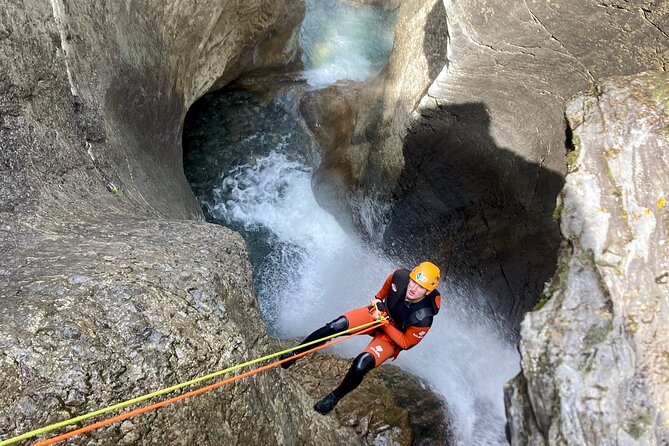
The canyon is split into sections. The upper canyon is the easier part and may be dry later in the summer, which helps first-timers get used to the movement without cold spray everywhere.
You’ll face a series of five rappels total, and the upper section includes the shorter intro rappels. Expect a mix of rappelling with scrambling and hiking between drops. This is the “learn, then practice” phase, and it’s where many first-timers go from nervous to focused.
Lower Canyon Finale: The Part That’s Always Wet
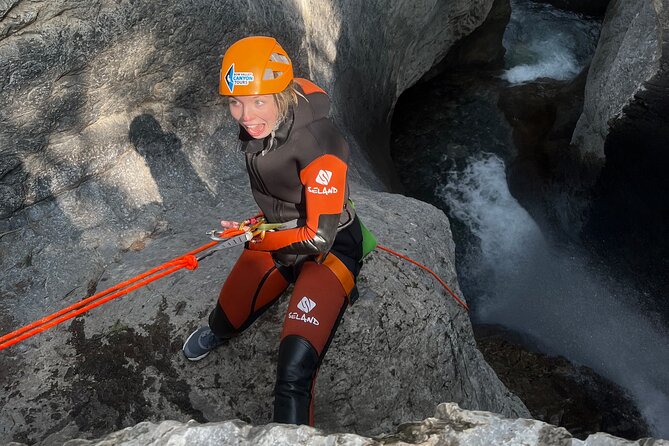
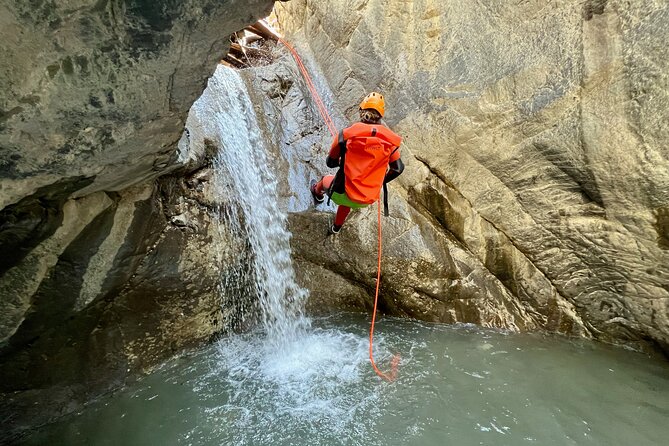
The best payoff is also the coldest part. The last rappel and slides in the lower canyon section are always wet. There’s a hike-around option, which is important if you don’t want to do that final wet exit route.
In practical terms, you’ll get that classic canyoning feeling: water, slick rock, and movement you can’t really fake. People talk about big drops like a 60-foot-style rappel and long, fun lower-canyon descents. If you’re physically ready and you can follow instruction, this is where the day feels most like an adventure.
Slides, Scrambling, and the Real Pace Between Drops
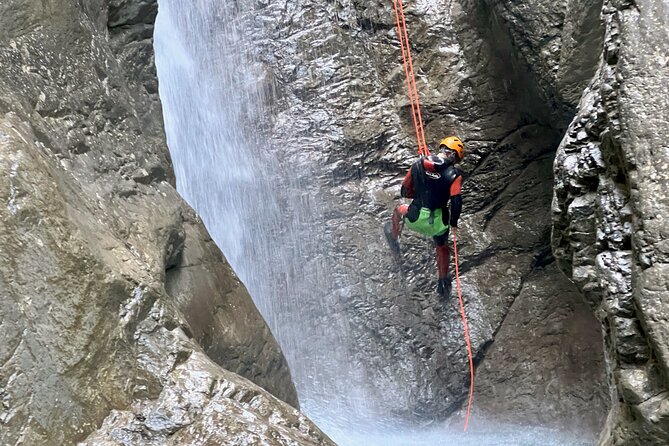
You’re not doing one long rappel and calling it a day. The route includes slides, scrambling, and hiking segments that connect the technical parts. That variety helps because you’re not staring at the same vertical wall the whole time.
It also means the day has a rhythm. You’ll get brief moments of effort climbing or walking between drops, then you’ll get a “do the next move” moment in the water. If you’re the type who likes action with breathing space, this format works.
What to Wear and Bring (So You Don’t Get Hacked by Cold Water)
The tour provides thick canyon-specific wetsuits, helmet, harness, and neoprene socks/booties. You should still dress like you expect to be wet and cold at times.
Bring:
- Bathing suit
- Towel
- Potentially extra dry clothes for after (you can leave them in your vehicle)
During summer months, a t-shirt and shorts/pants usually work for the hike up, since you’ll be changing before the canyon start. The tour recommends having rudimentary pit toilets at the trailhead, but there’s no food or drink at the staging area—so I’d pack water and a snack for before you start.
Optional in shoulder seasons (May/September) can include a rain jacket or windbreaker and extra warm layers. Even when it’s raining, the wetsuit is the main warmth tool.
Weather in the Rockies: Why Rain Can Still Be the Best Day
This trip goes rain or sunshine. Cancellation happens only on rare safety grounds or poor weather situations that make the experience unsafe. The canyon is described as not prone to floods, and the wetsuits are designed to keep you warm on cold wet days.
That’s why I think this works better than some “fair weather only” outdoor plans. If you show up prepared, foggy and rainy canyon conditions can actually make the place feel extra raw and real—more like the water is part of the adventure.
Pick-up Limits and the Heart Creek Location Reality
Pickup is offered, but in July and August it’s limited. If you have your own vehicle, you’re better off meeting directly at the Heart Creek Trail meeting spot. It’s about 5–10 minutes east of Canmore and roughly 25 minutes east of Banff, right off the highway.
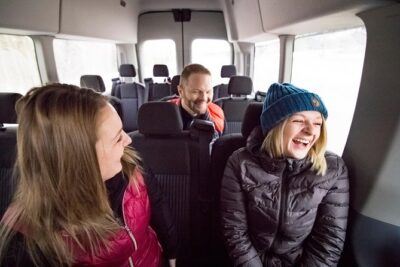
If you don’t have a vehicle, pickup is usually possible from Canmore locations like Blondies Café, the Travel Alberta visitor information center, or the legacy Trail bus stop for the Banff/Canmore Roam transit line.
Also: Alberta Parks in the Kananaskis area require a day-use conservation pass for parking at Heart Creek. It’s one per vehicle and can be purchased online.
Private Tour Energy: Coaching That Stays Focused
This is a private tour/activity, meaning only your group participates. That matters on a skills-based canyoning day because your guide can spend more time on the exact pacing your group needs.
From the stories, guides like Mark, Oliver, Pablo, and Jitka are praised for staying calm during the hike, coaching technique, and keeping the mood casual while still running the rope process correctly. One memorable detail: on at least one trip, a black bear was spotted and the guide had bear spray. That’s not something you can control, but it’s a reminder that a professional team is watching the whole environment, not just the ropes.
Is This Worth It for Your Fitness and Comfort Level?
You should book if:
- You’re at least 12 years old and going with an adult when required.
- You can handle a hike that has steep segments near the end.
- You can tolerate heights and follow clear instructions.
- You want rappelling plus slides in a guided setting.
You might want to rethink if:
- You’re uncomfortable with vertical exposure even with coaching.
- You expect “beginner” to mean no steep climbing.
- Your plan depends on staying dry—because you will get soaked in the lower section.
Even one caution worth noting: one participant felt the activity was more like moderate due to the hike demands, even though it’s promoted as beginner level. So I’d treat the hike as the main physical test, not the rope part alone.
Should You Book This Heart Creek Beginner Canyoning Tour?
I’d book it if you want a first canyoning experience that actually teaches you, not just takes you down a route. The combination of intro rappels, a guided safety clinic, and provided gear makes this a strong way to try rope work in the Canadian Rockies without improvising.
Skip it (or choose a different option) if you’re hoping the hike is flat, you’re strongly averse to heights, or you really don’t want to deal with soaked shoes and cold water. If you go in with the right footwear, bring a dry-shoe backup, and show up ready for a real outdoors workout, this half day has the kind of excitement you’ll still be talking about on the drive back to Banff or Canmore.
FAQ
Do I need prior rappelling experience for Heart Creek Canyon?
No. The tour is designed for beginners and includes rappelling instruction and a rope safety clinic before you start. You do need to be comfortable with heights and follow guide directions.
What are the minimum age and physical requirements?
Participants must be at least 12 years old. The activity requires a moderate physical fitness level, and you should be ready for about an hour of hiking with short steep sections near the end.
What shoes are allowed, and will they get wet?
You should wear good outdoor shoes with good tread, like trail running shoes or light hiking shoes. Your hiking shoes will go into the canyon and get wet, and tennis shoes, Crocs, sandals, and similar urban footwear are not permitted.
Is the last rappel in the lower canyon always wet?
Yes. The last rappel and slides in the lower canyon section are always wet. There is a hike-around option if you don’t want to do that wet exit route.
What’s included in the price?
You get a professional guide, wetsuits, rappelling equipment (helmet and harness), neoprene socks/booties, and rappelling instruction. The tour also provides dry bags for keeping your belongings dry.
Is the tour cancelled if the weather is bad?
The experience runs in rain or sunshine, and it is only cancelled or postponed in rare safety-related cases. If it’s cancelled due to poor weather, you’ll be offered a different date or a full refund.