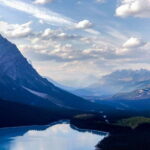
Banff’s geothermal scenery is the whole point here, and it’s the kind of nature walk that keeps surprising you with bubbling hot springs and hidden waterfalls. I like that the tour is guided by someone focused on the details, so you’re not just following a trail—you’re learning how to read the place while you take in mountain views.
The best part for your time and budget is that you get a professional guide, safety gear, and practical photography tips built into the 3 hours. One thing to consider: while the pace is described as an easy walk, the route can still turn into more walking than you might expect, so bring proper shoes and be ready for some extra steps.
In This Review
- Key highlights worth showing up for
- Cave and Basin National Historic Site: Your meeting point and why it matters
- Geothermal hot springs: The relaxing core of the walk
- Hidden waterfalls: Where the viewpoints keep upgrading
- Wildlife and local flora: What to watch for (and how not to scare it)
- Photography coaching: Turning scenic moments into usable shots
- How hard is the 3-hour walk? Pace, layers, and real footwear
- Price and what $65 actually buys you
- Who should book, and who should pass
- Should you book this Banff Thermal Waters and Hidden Waterfalls walk?
- FAQ
- Where does the tour start?
- How long is the tour?
- How much does it cost?
- What should I bring?
- Is transportation or food included?
- Is it suitable for young children or wheelchair users?
Key highlights worth showing up for
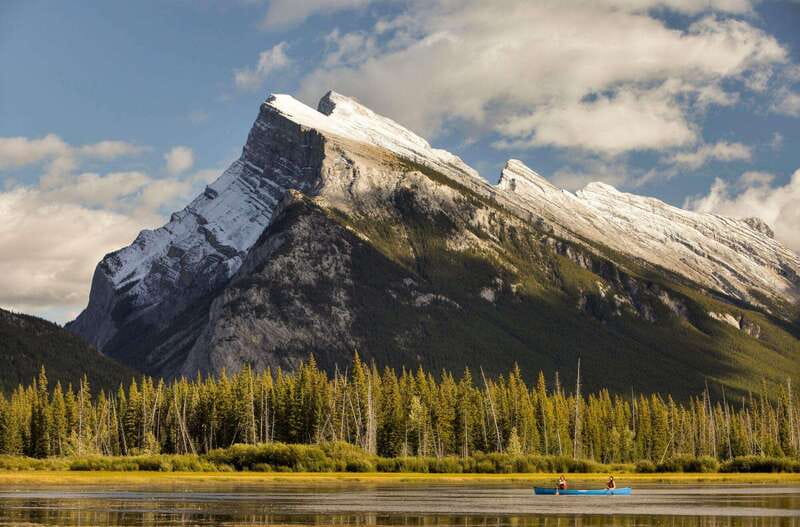
- Cave and Basin National Historic Site start with easy parking and a clear meeting point outside the gift shop
- Geothermal hot springs and quiet stops where you can linger for photos
- Hidden waterfall viewpoints that change as you move along the trail
- Wildlife spotting chances plus simple tips from the guide on what to watch for
- Photo coaching during the walk, not just a quick tip at the start
- Safety gear included, with bear spray provided by the guides
Cave and Basin National Historic Site: Your meeting point and why it matters
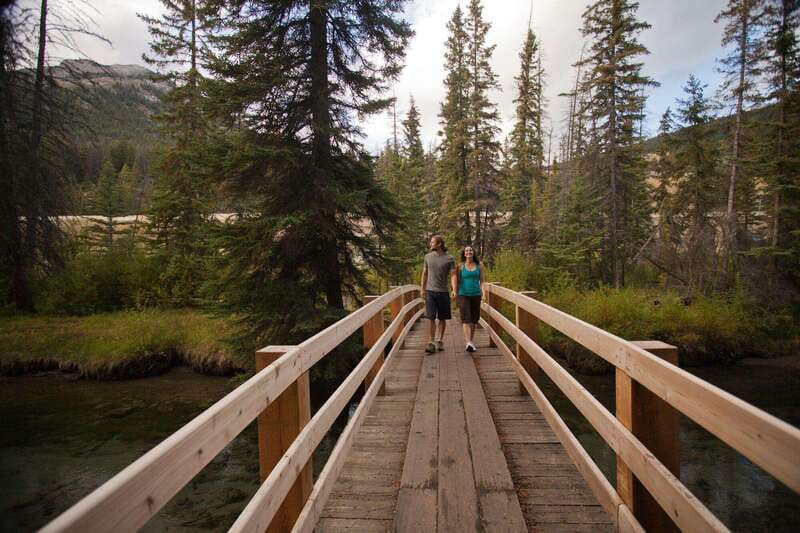
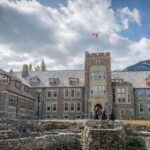
Your tour starts at Cave and Basin National Historic Site, with the meet-up outside the Gift Shop in the parking lot. It’s one of those practical setups that makes the whole outing less stressful: you don’t have to hunt for a trailhead nobody can find, and you can park for free.
If you’re coming from downtown Banff, it’s a short taxi ride (about 5–7 minutes), and public transit also gets you close enough that you can keep your day simple. I like that the instructions are straightforward—arrive about 10 minutes early, and look for your guide with a clipboard and a smile.
Also: you’ll want to start thinking about layers right away. Banff weather can shift fast, and this walk is long enough that you’ll feel it if you dress only for one temperature.
You can also read our reviews of more walking tours in Banff
Geothermal hot springs: The relaxing core of the walk
This isn’t a lecture tour in a classroom. It’s a 3-hour walk where the atmosphere is the lesson.
As you move through Banff National Park, you’ll encounter areas with bubbling hot springs—the kind of geothermal activity that makes Banff feel alive in a way you can’t get from a viewpoint pull-off alone. The guide’s role is key here: you’re not just seeing heat and water, you’re getting context for what’s happening and what to look for along the route.
That matters because it turns passive sightseeing into active noticing. You start to spot patterns: where water changes the ground, where the steam suggests something below, and how the views open up around each bend. If you like photos, this section gives you lots of “pause and frame” moments.
Hidden waterfalls: Where the viewpoints keep upgrading
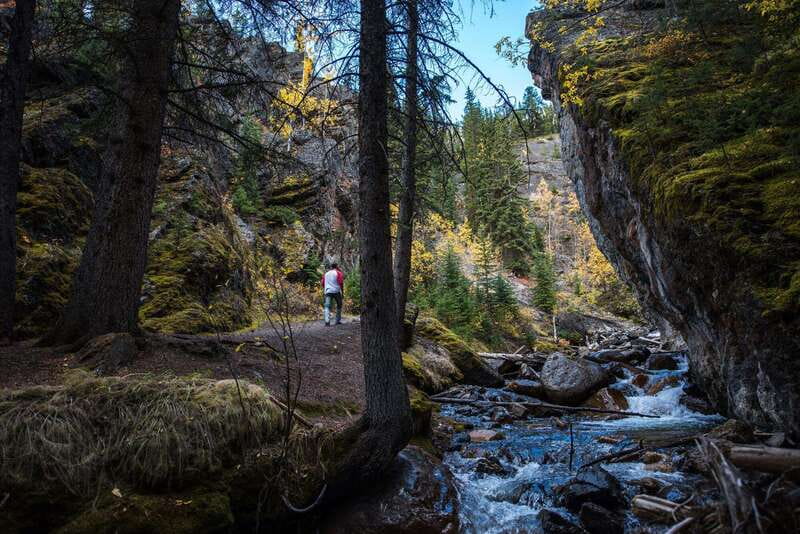
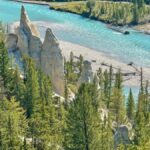
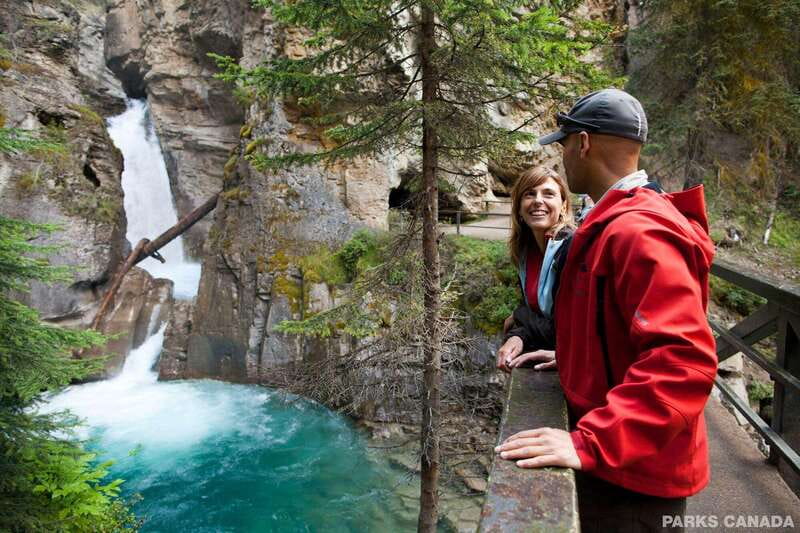
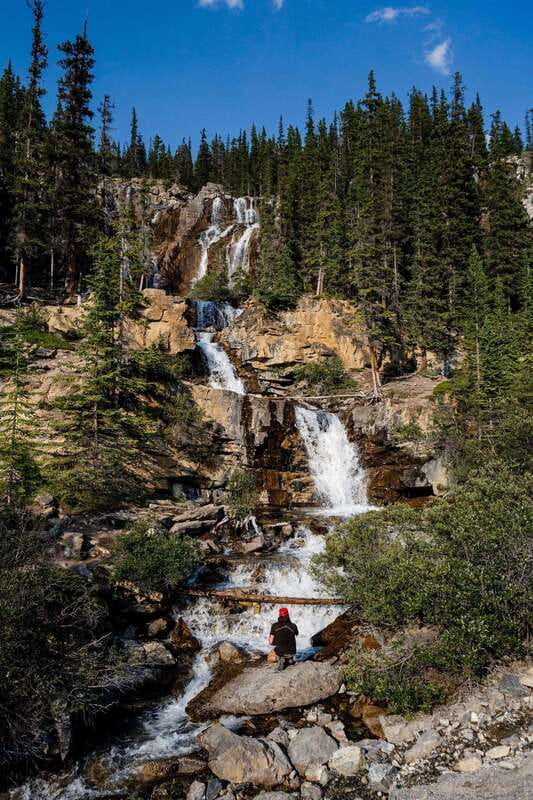
The waterfalls are the other star. You’ll find hidden waterfalls along the trail, and the vibe is that they appear in pieces—rounded into view, then revealed more as you walk closer.
What makes this part especially good for a camera is the rhythm. Each turn can bring a new viewpoint, so you’re not waiting 2 hours for one big payoff. You’ll have multiple chances to capture the falls from different angles, and the guide helps you time your stops so you’re not rushing or missing the best perspective.
There’s also a strong “scenic payoff per minute” feel. The tour is designed so you spend your energy on looking well, not climbing endlessly. One person described the walk as enjoyable and easy, and another noted that there was only a little climbing focused around the waterfall areas.
Still, keep one practical thought in mind: if you assume it’s a short stroll, you might be surprised by distance. One group reported that a route expectation of 5 km turned into about 11.5 km. That doesn’t mean it’s dangerous or punishing—it just means you should plan for real walking time.
Wildlife and local flora: What to watch for (and how not to scare it)
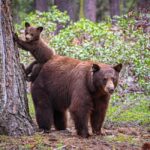
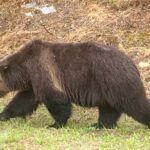
This tour is built for wildlife curiosity, not wildlife chasing. You’ll get opportunities for wildlife viewing, and the guide shares insights about the local ecosystem and local flora and fauna as you walk.
Here’s what I’d expect you might spot:
- Deer moving through brush
- Chipmunks darting around trees
- Majestic birds soaring overhead
- And yes, even elk can show up early—there was an elk sighting at the parking area on one occasion
The practical value is in how the guide frames it. When you know what you’re looking for, you stop scanning like a panic birdwatcher and start noticing calmly. You’ll also understand why certain plants and landscapes matter, which makes the walk feel connected instead of just pretty.
Two quick tips that fit this kind of guided nature walk:
- Keep your voice low around wildlife. It’s a nature walk, not a concert.
- Move slowly when you stop for photos, so you don’t accidentally crowd an animal or block the view for others.
Photography coaching: Turning scenic moments into usable shots
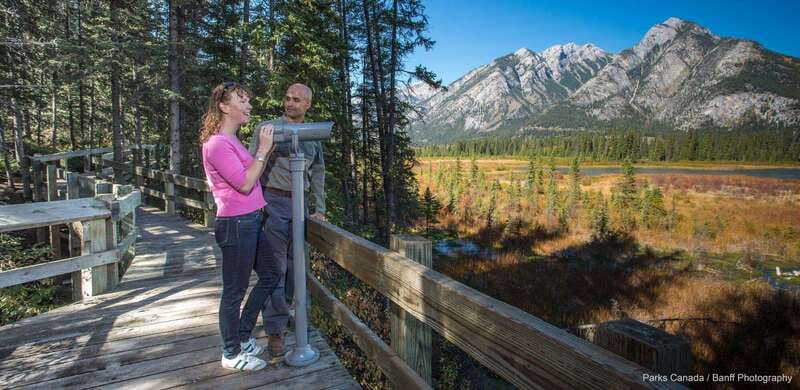
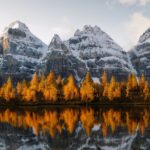
Banff is already photogenic, but the guide’s photography tips make a real difference. You’ll get chances to take striking photos throughout the hike—hot springs, waterfall viewpoints, mountain views, and seasonal wildflowers when they’re in bloom.
The best part is that the tips aren’t generic. Guides on this kind of walk typically focus on how to frame quickly as the scene changes. Here, that’s perfect because the best view often happens right after a bend.
A couple practical things you can do before you even start:
- Bring your camera ready, not buried deep in your pack
- Use layers and warm gear, because cold hands make you miss shots
- Plan for short pauses. The group stops often enough to photograph, but you’ll still be moving through the best light and angles
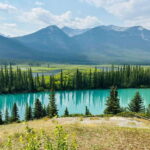
If you enjoy landscape photos, expect the scenery to give you mountain vistas and lush valley views. If you prefer wildlife shots, stay patient—this tour gives you the chance to see animals, not guaranteed close-ups.
How hard is the 3-hour walk? Pace, layers, and real footwear
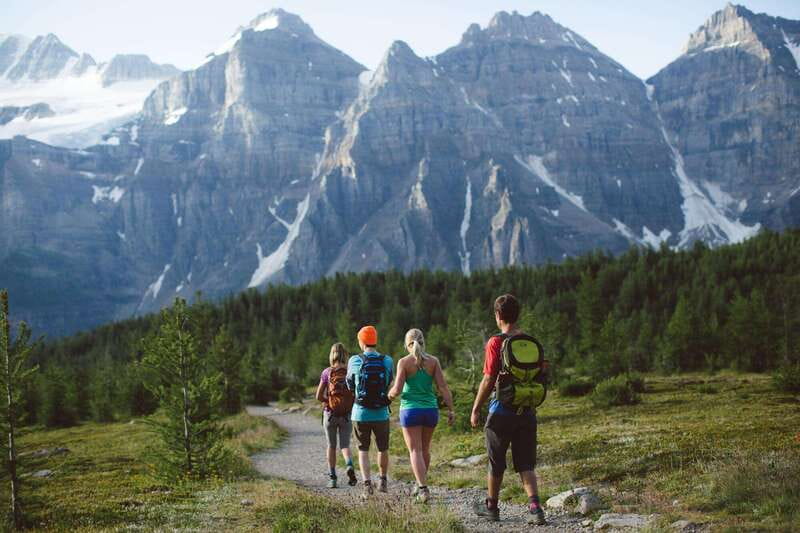
The walk runs about 3 hours, and it’s described as an easy walk in a natural setting. That’s good news if you want nature without signing up for a full-on day hike.
But don’t confuse “easy” with “zero effort.” You’re still in mountain country. Uneven ground, changing temperatures, and repeated short climbs or steps around viewpoints can add up. One person specifically thought they’d be doing less terrain than they ended up doing, so I’d treat this as moderate walking rather than a gentle neighborhood loop.
What to bring is simple and on point:
- Comfortable shoes (you’ll be glad you wore the right ones)
- Camera
- Water
- Weather-appropriate clothing, with layers
Also note what’s not allowed: no smoking.
Finally, if you’re sensitive to cold, layers are non-negotiable. The tour’s in-season wildflowers and mountain views are great, but the temperature can shift while you’re out there.
Price and what $65 actually buys you
At $65 per person, this tour sits in a mid-range bracket for guided experiences. The best value part is that the guide isn’t just there for direction. You’re paying for:
- A professional guide
- A safety briefing and equipment
- Opportunities for wildlife viewing during the walk
- Photography tips during the hike
- Bear spray provided by the guides
Those add up fast. If you tried to do it alone, you’d likely spend time figuring out routes and you’d miss the interpretive layer—plus you’d be doing the safety thinking yourself.
What you should budget beyond the $65 is also clear:
- Transportation to the meeting point is not included
- Food and drinks are not included
So the real cost is $65 plus whatever you spend getting to Cave and Basin and feeding yourself afterward. If you plan a morning snack or pack water beyond what you bring, that’s on you—but the tour itself keeps costs transparent.
Who should book, and who should pass
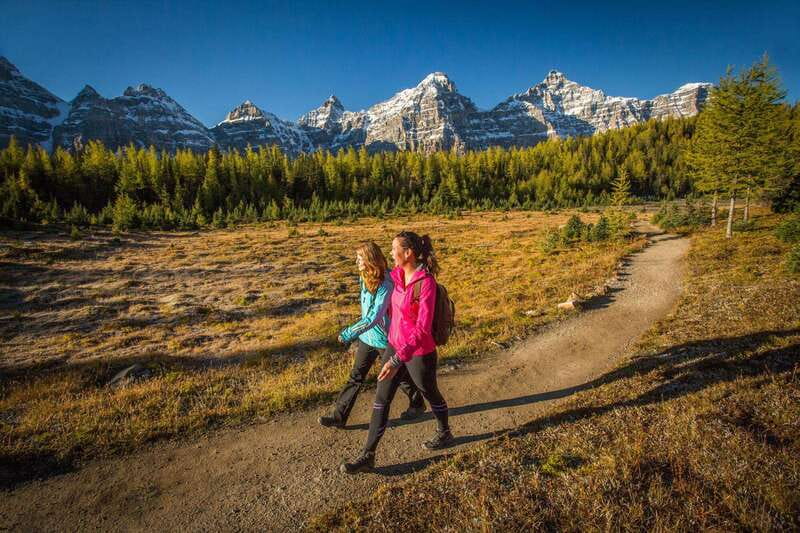
This tour fits best if you want a guided nature walk with strong scenery and practical help.
You’ll likely enjoy it if:
- You want hot springs and waterfall viewpoints without doing heavy route planning
- You like wildlife viewing and want your guide to point out what matters
- You care about photos and would rather get tips while you’re standing there
- You’re traveling with family members who can handle a walking tour (there’s also guidance that it’s suitable for families and participants of all ages)
But it may not fit if:
- Your child is under 6 years old (not suitable)
- You need wheelchair access or have mobility impairments (not suitable for wheelchair users)
- You want minimal walking. Even if it’s generally described as easy, distance can run longer than expected
One more practical note: smoking is not allowed, and bear spray is part of the safety setup, so follow the guide’s instructions closely.
Should you book this Banff Thermal Waters and Hidden Waterfalls walk?
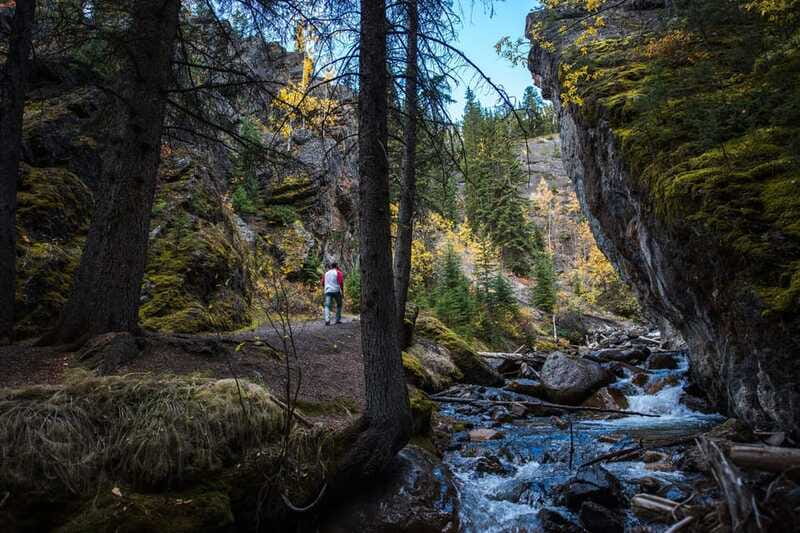
If your ideal Banff day includes geothermal hot springs, a few waterfall reveals, and a guide who helps you see more than you’d notice alone, I think this is a strong booking. The best-case scenario is that you leave with clear photos, a calmer understanding of the local ecosystem, and a sense of having walked through Banff rather than just driven past it.
I’d book it if:
- You want the photography help while the views are happening
- You prefer an organized walk with safety equipment included
- You’d rather pay for guidance than spend your day guessing where the best spots are
I’d hesitate if:
- You’re not comfortable with extended walking (plan for more than you expect)
- Mobility needs make the route unsuitable
- You’re trying to do a day with food and transport fully included in one price (this one doesn’t cover that)
FAQ
Where does the tour start?
The meeting point is outside the Gift Shop in the Cave and Basin National Historic Site parking lot. Your guide will be there with a clipboard and you should let them know you’ve arrived.
How long is the tour?
The guided walk lasts about 3 hours.
How much does it cost?
It’s $65 per person.
What should I bring?
Bring comfortable shoes, a camera, water, and weather-appropriate clothing. Dressing in layers is recommended since temperatures can change.
Is transportation or food included?
Transportation to the meeting point is not included, and food and drinks are not included.
Is it suitable for young children or wheelchair users?
It’s not suitable for children under 6, and it’s also not suitable for people with mobility impairments or wheelchair users.
If you want, tell me your travel month and your fitness level, and I’ll suggest how to pack and what time of day usually feels best for this kind of hot springs and waterfall walk.