REVIEW · BANFF
Canmore/Banff: Explore Banff & Wildlife
Book on GetYourGuide →Operated by Explore Banff Tours & Transfers · Bookable on GetYourGuide
Banff’s wildlife moments can be fast. This 4-hour tour blends Banff scenic viewpoints with real chances to spot animals in their habitat, plus a guide who connects the dots between what you see and how Banff became iconic. I also love that you get to focus on both photography stops and wildlife viewing rather than just driving past scenery. One thing to consider: wildlife sightings can never be guaranteed.
I like the way the route keeps things practical, with smart short stops and quick scenic opportunities, so you’re not wasting the day trying to figure out where to go next. If you’re visiting in winter, do plan around the fact that bear sightings are highly unlikely between November and March.
In This Review
- Key Points Worth Marking on Your Map
- Banff in Four Hours: The Smart Value of $69
- Pickup That Actually Works: Hotels to Van, Van to Hotels
- Wildlife Spotting With Realistic Expectations
- The Guide Factor: Better Odds, Better Stories
- Banff Stops That Matter: Surprise Corner to Lake Minnewanka
- Surprise Corner Viewpoint (quick hit)
- Fairmont Banff Springs (photo moment)
- Bow Falls (water + mountain energy)
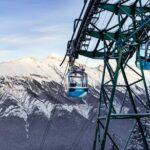
- Mount Norquay (bigger views)
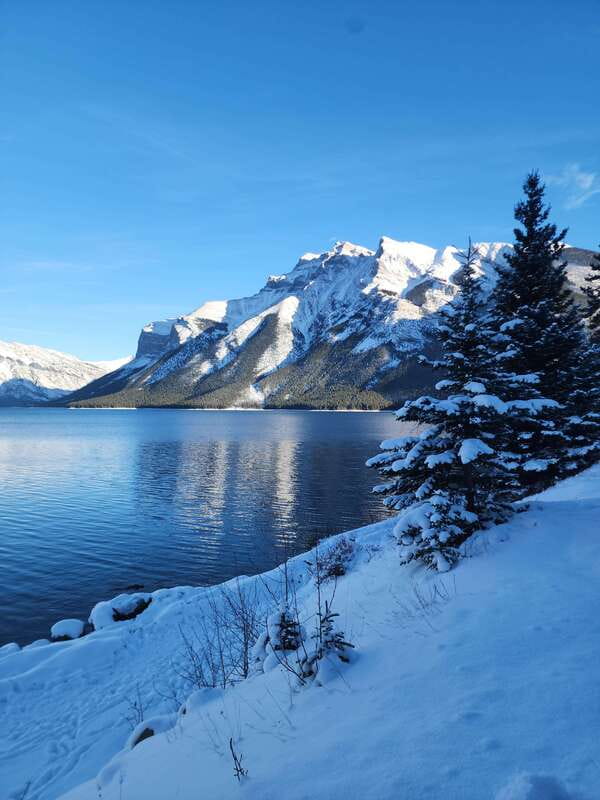
- Lake Minnewanka (big-scale scenery)
- What’s Included (and Why That Adds Up)
- What to Bring: The Small Gear That Makes the Day
- Who This Tour Fits Best (and Who Should Skip It)
- Should You Book Explore Banff’s Banff & Wildlife?
- FAQ
- How long is the Banff wildlife and sightseeing tour?
- What does the tour cost?
- Are wildlife sightings guaranteed?
- Is pickup included, and where does it start?
- What stops are included during the tour?
- What should I bring if I book?
Key Points Worth Marking on Your Map
- Prime wildlife viewing areas for animals like elk, deer, and bighorn sheep, with no guarantees
- Scenic hits in a tight 4 hours, including Bow Falls and Lake Minnewanka
- Expert guidance that adds meaning, not just pointing out views
- Park entry fees included, so you’re not doing extra admin on the spot
- Bring binoculars and warm layers, because weather and animal activity can change fast
Banff in Four Hours: The Smart Value of $69
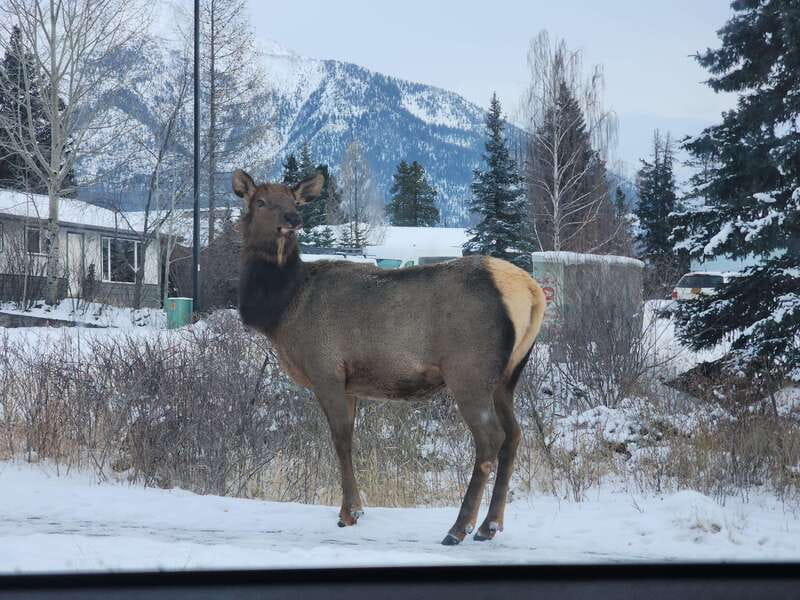
For $69 per person, this tour is built for people who want Banff’s “wow” factor without committing to a full day of planning. You’re paying for guided route decisions, transportation between key spots, and access that saves you time—especially the national park entry fees that are included.
The biggest value isn’t only the stops; it’s the guide’s role in helping you actually see things. Banff is busy, and wildlife can be shy, distant, or just in the wrong mood. Your guide leads you to places where your odds are better, and they’ll also share the local context behind what you’re looking at.
Your time window is also a plus. Four hours is long enough to feel like you did something meaningful, but short enough to keep room for dinner plans, soaking in hot springs, or adding a second activity the same day.
You can also read our reviews of more tours and experiences in Banff
Pickup That Actually Works: Hotels to Van, Van to Hotels
The tour is set up around convenient pickup options—15 locations total—spread across Banff and Canmore. If you’re staying near places like Banff Train Station, major hotels in town, or visitor areas in Canmore, you’ve likely got a smooth start.
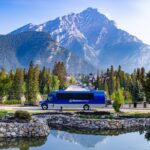
Here’s the practical part: show up early. You’ll want to be at the main entrance or lobby about 5 minutes before your scheduled pickup. The vehicle is easy to identify, with an Explore Banff logo on the sides and rear.
Drop-off is just as thoughtful, with 15 possible return points in Banff and Canmore. That means you’re not left scrambling for transit at the end, which matters more than people think when you’re planning around weather, timing, or getting back to your hotel.
Wildlife Spotting With Realistic Expectations
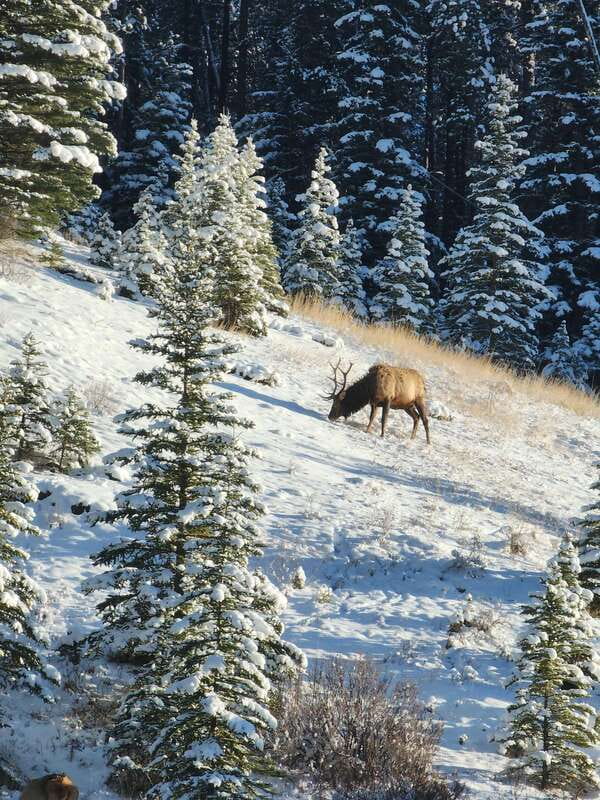
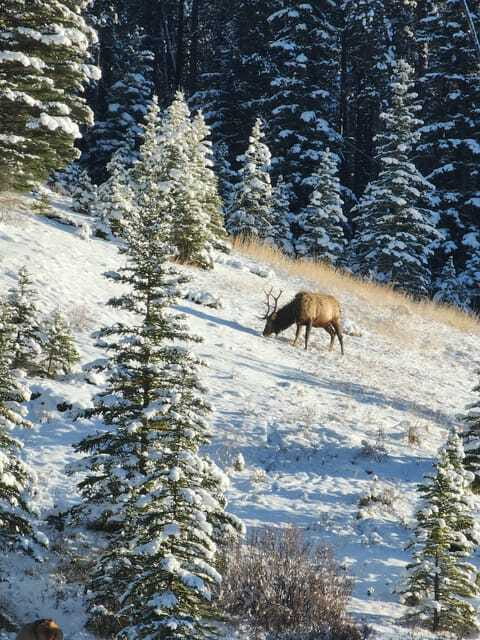
Wildlife is the headline, and it’s also the part with the most “don’t-count-on-it” energy—in a good way. The tour doesn’t promise sightings, but your guide does lead you to prime wildlife viewing areas to maximize chances.
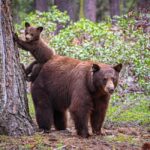
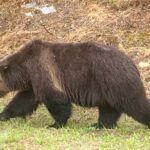
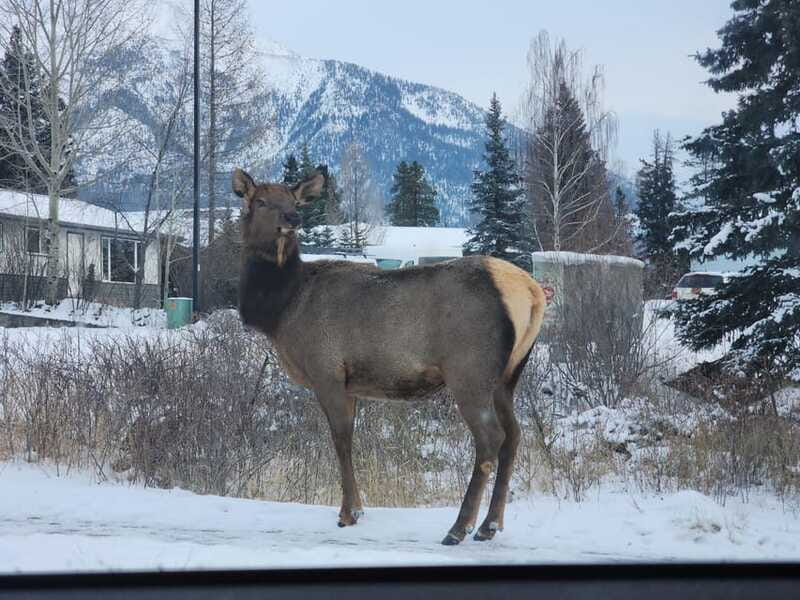
Common targets can include elk, deer, and bighorn sheep. You might also spot coyotes, and with luck, animals like lynx, wolf, bear, or moose. That “with luck” matters, because animals can be far away, keeping distance, or simply tucked into terrain you’d never choose on your own.
Winter note: if you’re traveling between November and March, plan for bear sightings to be highly unlikely. That doesn’t ruin the tour—other animals can still show—but it keeps your expectations aligned so you don’t feel shorted.
One more practical tip: bring binoculars if you have them. If you don’t, you’ll still be able to enjoy the scenery and you’ll still get guided help—but binoculars turn distant movement into identifiable animals. A camera also helps, especially for those moments when you catch a flash of fur and suddenly everyone goes still.
The Guide Factor: Better Odds, Better Stories
The guide isn’t a background detail on this tour. They’re the reason the day feels coordinated and productive.
In past trips, guides like Phoebe have been praised for creating a great wildlife experience—people reported seeing mule deer, big horn sheep, and elk, including animals with babies. Another guide, Austin, was noted for being extremely knowledgeable and accommodating, with stops at many local spots that made the trip feel worth the time.
What you can take from that: good guides do two jobs at once. They help you find animals, and they help you understand what you’re looking at in a way that makes the views feel less random.
If wildlife is your main goal, I’d treat this tour like a strategy session. Follow instructions, stay alert, and give the guide a chance to do the routing work.
Banff Stops That Matter: Surprise Corner to Lake Minnewanka
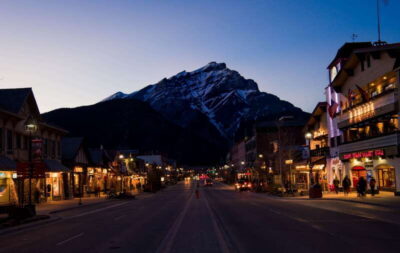
This route balances town energy, waterfalls, viewpoints, and big-mountain views. Some stops are short, which means you’ll move efficiently—but it also means you should be ready to step out quickly, take photos, and then get back on board.
Surprise Corner Viewpoint (quick hit)
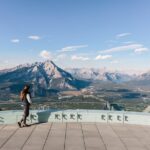
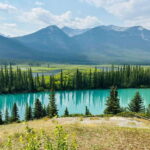
You’ll start with a scenic viewpoint stop at Surprise Corner, designed for panoramic viewing. This is the kind of place where the “wow” comes fast. The downside is you won’t have long to linger, so don’t plan on a long walk or extended photo session. Think of it as a quick orientation moment: get your bearings, then keep going.
Fairmont Banff Springs (photo moment)
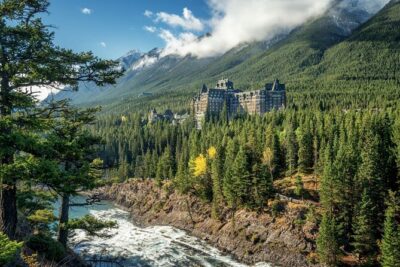
You’ll also get a stop for Fairmont Banff Springs. Even if the timing feels brief, it’s a classic sight and a strong Banff photo backdrop. If you’re hoping for a long break or time inside the property, manage expectations—this tour is focused on moving between highlights and wildlife areas.
Bow Falls (water + mountain energy)
Next up is Bow Falls, one of the most recognizable Banff water features. This stop tends to reward you with that classic mix: rushing water sound, the feeling of scale, and mountain views that make the town look like it’s built into something wild.
This is a good moment to slow down and actually watch the water line. It’s also one of the easiest places to capture a strong photo without needing hiking boots or extra planning.
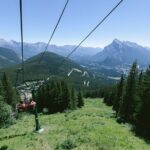
Mount Norquay (bigger views)
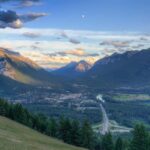
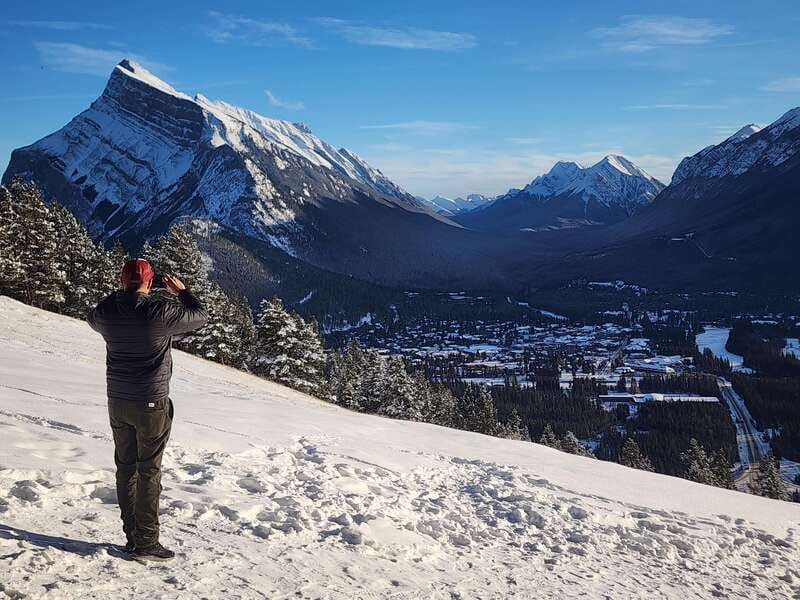
You’ll head to Mount Norquay, which is all about altitude and perspective. From viewpoint-style stops, the main value is clarity. You see the way the Rockies stack up and how wildlife habitat sits right beyond the edges of the town.
Practical note: weather can shift quickly at elevation. Warm layers help, and comfortable shoes help if you end up walking a bit more than expected around viewpoints.
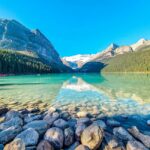
Lake Minnewanka (big-scale scenery)
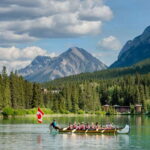
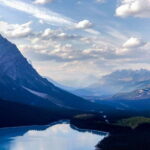
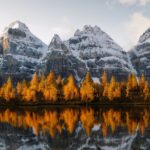
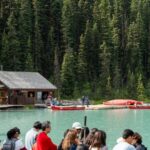
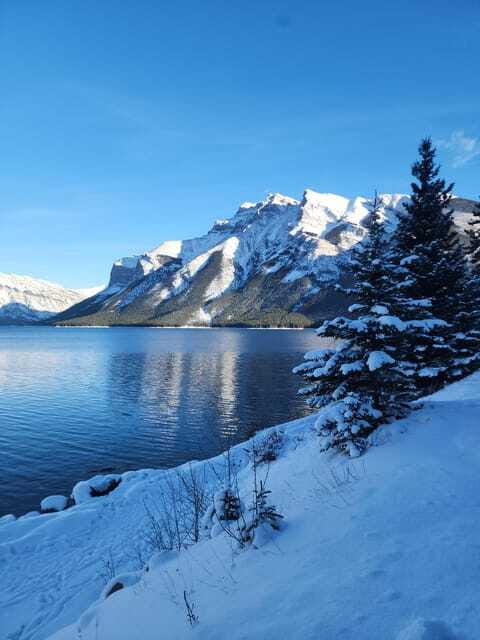
The tour finishes the scenic arc with Lake Minnewanka. This is the stop that tends to feel most expansive—quiet water views with strong mountain presence behind it. It’s also a nice change of pace from waterfall energy.
If you’re a photographer, Lake Minnewanka is often where you’ll want a few extra frames, because the angle of light can change and the scenery can look different minute to minute.
What’s Included (and Why That Adds Up)
This tour includes several items that often cost you extra if you plan solo:
- Transportation to key areas in and around Banff
- National Park entry fees
- Expert guides focused on wildlife and the local ecosystem
- Stops at iconic locations like Bow Falls and Lake Minnewanka
- Access to prime wildlife viewing areas
- Water refills (bring a reusable bottle)
- A flexible itinerary designed around maximizing wildlife chances
That last piece—flexibility—matters. Wildlife doesn’t follow a schedule, and the best guide plans for that without turning the day into chaos.
What’s not included is simple: snacks/meals. I strongly suggest you eat before you go or pack a snack. Four hours passes faster than you think once you’re scanning tree lines and checking every hillside for movement.
What to Bring: The Small Gear That Makes the Day
This tour is outdoors-focused, so come prepared and you’ll enjoy it more:
- Comfortable shoes (viewpoints and short walks add up)
- Warm clothing (even if the town feels mild)
- Camera
- Water in a reusable bottle for refills
- Snacks (since meals aren’t included)
- Binoculars (huge help for wildlife spotting)
Also, if you’re the type who wears layers poorly, fix that before you leave. Banff weather changes, and you’ll want to adjust fast.
Who This Tour Fits Best (and Who Should Skip It)
This experience works well if you:
- Want Banff’s key highlights without building an itinerary from scratch
- Care about wildlife, but you like having a guide improve your odds
- Enjoy short scenic stops paired with frequent scanning for animals
- Want a half-day plan that doesn’t steal your whole trip
It may not fit you if:
- You’re traveling with kids under 6 (not suitable)
- You use a wheelchair (not suitable)
- You expect guaranteed wildlife sightings (none are promised)
Also, if you’re booking in winter, keep an eye on daily conditions. The tour can be affected by seasonal and daily weather, and a minimum of 4 guests is required for the shared tour to run.
Should You Book Explore Banff’s Banff & Wildlife?
I’d book this if you want a focused Banff experience: scenic stops you can recognize, plus wildlife odds you can’t easily replicate on your own. The included park entry fees, the guide-led wildlife strategy, and the short, efficient route make it feel like good value for a half-day plan.
I’d skip—or at least adjust expectations—if your main goal is seeing a specific animal for sure, or if you dislike outdoor time in cold weather. Also, come ready with a snack and warm layers, because this tour is about movement and waiting for the right moment, not meal breaks.
If you’re flexible, curious, and willing to scan a bit longer than you think, this is a very practical way to spend your hours in Banff.
FAQ
How long is the Banff wildlife and sightseeing tour?
It’s 4 hours total.
What does the tour cost?
The price is $69 per person.
Are wildlife sightings guaranteed?
No. The tour cannot guarantee sightings, but guides lead you to prime wildlife viewing areas to maximize your chances.
Is pickup included, and where does it start?
Pickup is included from multiple locations in Banff and Canmore (15 options). You should be ready at the main entrance or lobby 5 minutes before your pickup time.
What stops are included during the tour?
You’ll visit scenic viewpoints and landmarks such as Surprise Corner Viewpoint, Bow Falls, Mount Norquay, and Lake Minnewanka, plus a stop for Fairmont Banff Springs.
What should I bring if I book?
Bring comfortable shoes, warm clothing, a camera, water (for refills), snacks, and binoculars.