REVIEW · BANFF
Half-Day Guided Via Ferrata Climbing Tour in Banff
Book on Viator →Operated by Banff Norquay Summer Sightseeing Chairlift & Via Ferrata Tours · Bookable on Viator
Banff cliffs turn nervous into focused fun. You ride up via the Norquay chairlift, then clip into a via ferrata system for exposed climbing above Banff National Park.
I love how fast you learn the technique—no climbing background needed. The tour is led by an ACMG-certified guide, and that matters when you’re trusting your life to metal and rope. I also love the payoff: the Memorial, Sunrise, and Vista buttresses, plus a suspension bridge moment that turns the whole climb into a real Banff memory.
One thing to think about: this is an outdoor, weather-dependent activity. If conditions get unsafe, you could be offered a different date or a refund, so don’t book it as your only plan on a stormy day.
In This Review
- Key highlights at a glance
- Norquay chairlift access: the day starts above the crowd line
- How the guides teach via ferrata basics without intimidation
- The Memorial, Sunrise, and Vista buttresses: what the climbing feels like
- The suspension bridge crossing: the moment that makes it Banff
- What’s actually included (and why it helps your budget)
- Gear and clothing: the simple plan for comfort and control
- Timing, group size, and how the pace stays manageable
- Weather reality: why your “outdoor plan” needs backup
- Who this tour is perfect for (and who should skip it)
- Price and value: what makes this $196.24 feel fair
- Should you book Banff Norquay via ferrata?
- FAQ
- Do I need climbing experience?
- How long is the half-day via ferrata tour?
- What’s included for safety and equipment?
- What should I wear and do I need boots?
- What are the minimum age and weight requirements?
- What happens if weather is bad?
Key highlights at a glance
- Small groups (max 8) keep attention high and the pace manageable
- Chairlift ride to the start point cuts time and adds a fun warm-up
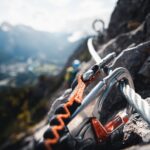
- Safety gear included (helmet, harness, via ferrata lanyards) means you can travel light
- Ridgewalker route links the Memorial, Sunrise, and Vista buttresses with classic exposure
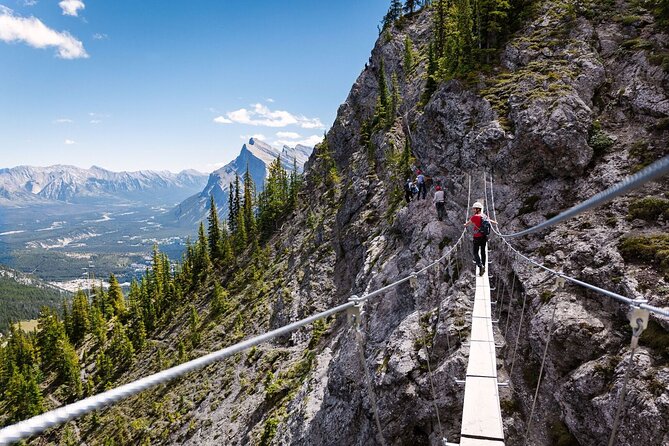
- Suspension bridge traversal is the signature moment above the cliffs
Norquay chairlift access: the day starts above the crowd line
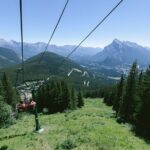
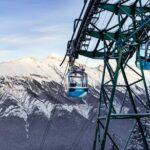
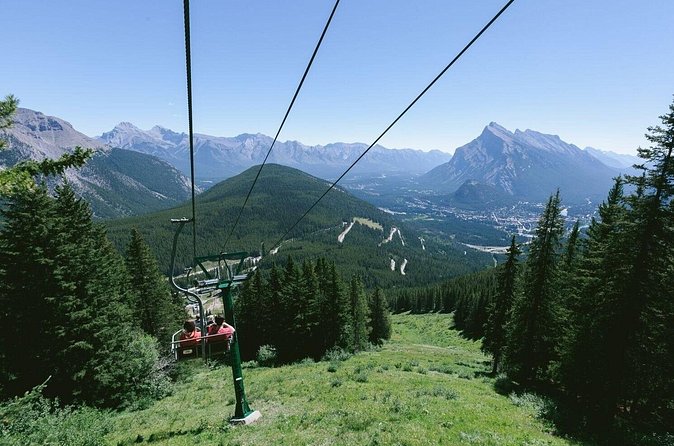
This tour feels efficient from the moment it begins. You meet at Mount Norquay Scenic Drive, then head toward a Banff Sightseeing Chairlift ride that takes you up to the via ferrata start point. That single decision makes a difference. Instead of spending your energy hiking, you arrive ready—physically and mentally—to start climbing.
You’ll also get an easy preview of how exposed this area is. The Norquay cliffs give you the kind of height that makes your brain wake up. If you’re the type who plans your escape routes mentally, that chairlift is where you’ll start doing that. The good news: the guide system is built around helping you progress step-by-step, so you’re not thrown into the deep end.
You can also read our reviews of more guided tours in Banff
How the guides teach via ferrata basics without intimidation
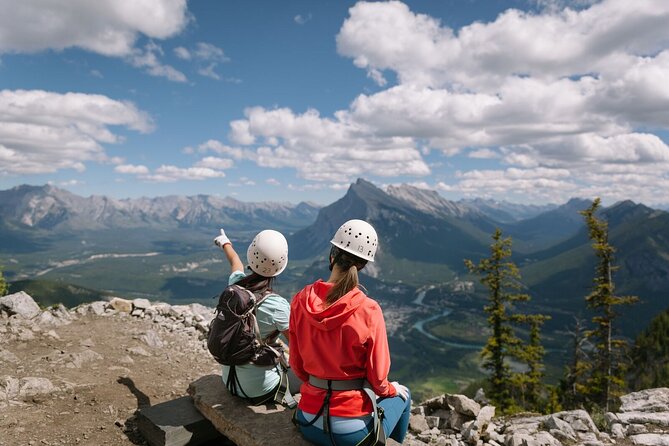
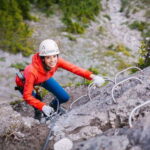
This is a true climbing experience, but they don’t assume you’ve done anything like it before. The key is the way they coach you. Before you get moving, you’ll go through how to clip in properly using the via ferrata lanyards, and how to move on the rock safely.
What I like about that approach is that it turns fear into tasks. Heights stop being a vague panic and start becoming specific actions: check your clip, maintain contact, keep three points of contact, move when you’re ready. In the guide stories people share, you can see that focus on safety and confidence-building. Guides named Ben, Greg, Katsu, and Allie show up in different groups, and the consistent theme is the same—professional instruction with a relaxed, encouraging tone.
Also worth noting: everyone has to sign an Exclusion of Liability Waiver before climbing. That doesn’t mean anything is sketchy—it just means the operator takes safety and risk seriously. You should, too. Bring the right mindset: listen well, ask questions, and move at the pace you can handle.
The Memorial, Sunrise, and Vista buttresses: what the climbing feels like
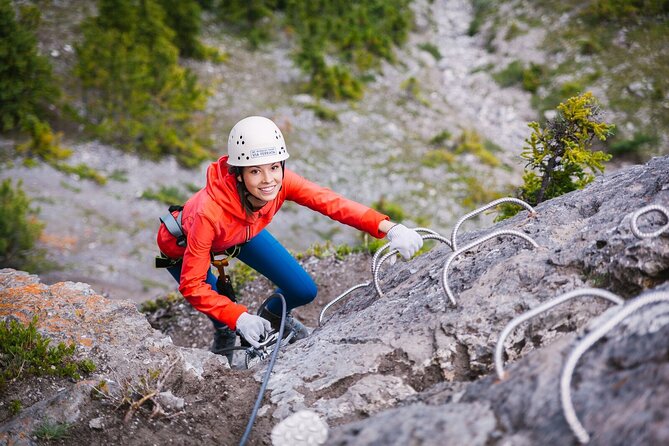
Your route runs along Norquay cliffs with stops that build the story of the climb. You’ll climb the Memorial, Sunrise, and Vista buttresses, which are the named sections that give this tour its rhythm.
Here’s how to think about it as a first-time rider:
- You’re not doing long continuous “hard moves” like a pure rock climb.
- You’re linking sections together where technique and balance matter.
- You constantly shift between gripping, stepping, and clipping, so you stay engaged rather than just grinding.
The half-day format helps. You get enough time for real effort, but not so much that you’re cooked by the time you reach the most famous section. People describe the route as accessible for different fitness levels, and you can see why: you’re supported by gear, you’re coached, and the group size stays small.
That said, it’s still physical climbing. The tour asks for a moderate physical fitness level, and you should be ready to keep moving on uneven rock with a harness on.
The suspension bridge crossing: the moment that makes it Banff
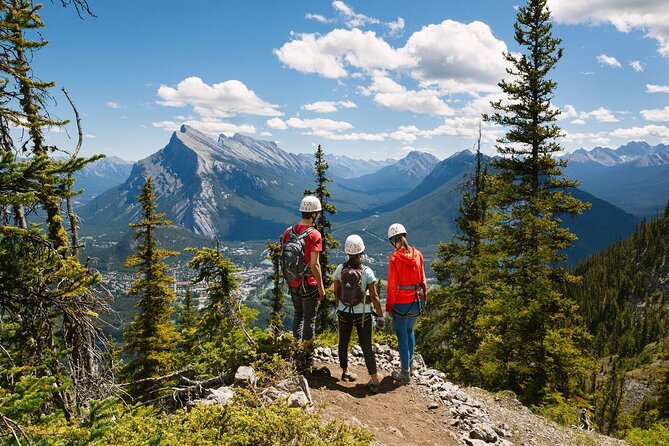
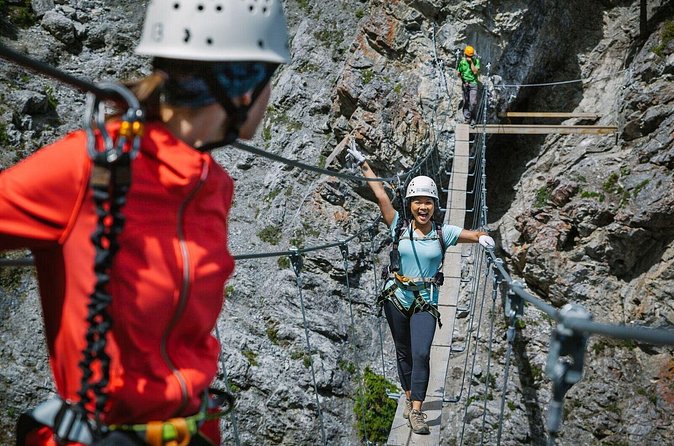
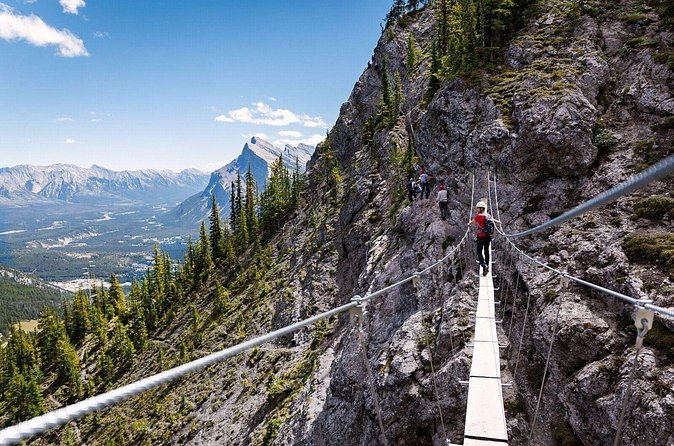
Every via ferrata has its signature thrill, and on this one it’s the suspension bridge. It’s part of the Ridgewalker experience, and it’s exactly the kind of feature that turns a “climb” into a “I remember this forever” activity.
If heights are your weak spot, you can treat this moment like a skill checkpoint. You’ll be clipped in, you’ll have a guide keeping an eye on you, and you can take it one step at a time—literally. One of the best bits from guest accounts is that even someone afraid of heights had an amazing time here. The point isn’t that fear disappears. It’s that the structure and safety system let you manage it instead of being overwhelmed.
Practically, plan for slow breathing and steady movement. Don’t rush just to prove you can. On a bridge like this, calm is your best performance enhancement.
What’s actually included (and why it helps your budget)
At $196.24 per person, this isn’t a bargain bucket activity. But when you look at what’s included, the price starts to make sense for a half-day that gives you real climbing, real exposure, and real equipment.
Your included items cover the big cost drivers:
- Safety equipment: helmet, harness, via ferrata lanyards
- Rainwear and backpacks (at no charge)
- Suitable hiking boots are available at no charge, though size availability isn’t guaranteed
- An ACMG-certified guide
- A Banff Sightseeing Chairlift ride to the start point
- A free shuttle bus to and from Banff
That last detail matters more than people think. You’re not stuck figuring out complicated timing on a mountainside. The shuttle helps keep the day smooth, especially if you’re visiting Banff and juggling other plans.
And if you’re the type who hates renting gear at the last minute, this setup is a relief. You show up, get kitted, get taught, climb.
You can also read our reviews of more tours and experiences in Banff
Gear and clothing: the simple plan for comfort and control
The operator provides gear, but you still want to show up prepared so your body works with the harness and cold mountain air.
Here’s the practical approach:
- Wear good hiking boots if you have them. Reviews also point out that boots help a lot.
- If you need rentals, remember boot sizing might not match perfectly because availability isn’t guaranteed. Bring tall socks if you tend to need extra cushioning.
- Pack a light rain layer. Even if the forecast looks okay, mountain weather changes. Rainwear is available, but you’ll be happier if you also have something that matches your comfort preferences.
- Use a calm, breathable base layer. You’ll warm up while climbing and then cool down while waiting your turn on the route.
One more thing: the route includes wet-rock risk in bad weather. Rain changes grip. You don’t want to discover that late. Bring clothing you trust.
Timing, group size, and how the pace stays manageable
This is a half-day experience—about 3 hours 45 minutes. It doesn’t drag, and it doesn’t pretend you’ll do nothing but “look at views.” You’ll climb, traverse, and move.
Group size is capped at 8 travelers, which keeps the experience from turning into a production line. In a smaller group, the guide can watch foot placements and help people clip correctly without making you wait forever.
You also need to check in 30 minutes prior to departure. That’s not optional fluff—it’s how they fit gear, handle waivers, and make sure everyone is in the right place before climbing begins.
If you’re traveling as a couple or small group, this tour structure also works well. You get shared excitement without feeling swallowed by a crowd.
Weather reality: why your “outdoor plan” needs backup
This via ferrata is serious about safety and depends on good weather. If conditions are poor, you’ll be offered a different date or a full refund.
This matters because exposure + lightning risk is not a “maybe” situation. So treat your booking like an active plan, not a guaranteed stamp in your itinerary. If Banff is in the middle of a stormy week, consider scheduling something flexible nearby.
If the day changes, you didn’t “lose your money.” You just need to keep your schedule adaptable.
Who this tour is perfect for (and who should skip it)
This is ideal for you if:
- You want a real hands-on adventure instead of just scenic sightseeing
- You’re curious about heights and exposure, but want guidance and structure
- You have moderate fitness and can handle climbing for a few hours
- You want big views without needing advanced technical experience
It’s also a strong choice for families and mixed-age groups because the minimum age is 12. For older kids and teens, the harness work and step-by-step instruction can feel empowering—especially with a guide who keeps everyone moving safely.
You should think twice if:
- You have trouble with moderate physical activity for any sustained period
- You’re uncomfortable with exposed settings and suspension elements, even with coaching
- You might struggle with the harness setup and movement on rock
And do check the weight limits: maximum 120 kg (265 lbs) and minimum 40 kg (88 lbs).
Price and value: what makes this $196.24 feel fair
At $196.24, you’re paying for more than access to a climb. You’re paying for safety systems, expert instruction, and the infrastructure that gets you into position fast.
The value equation looks better because:
- Equipment is included, so you don’t need a gear shopping trip
- The chairlift ride is included, so you’re not spending extra time hiking
- The shuttle is included, so your day stays on schedule
- The group size is small enough that the guide can actually work with you
Also, this is not just “vertical exercise.” You’re getting named buttresses—Memorial, Sunrise, Vista—and a suspension bridge crossing, which is the kind of memorable feature you usually pay extra for in other adventure categories.
If you want even more challenge, there’s an upgrade option people describe as a longer route with more challenges (often referred to as doing the skyline). If you’re already confident, that upgrade can make the experience feel even more complete.
Should you book Banff Norquay via ferrata?
Book it if you want a guided, first-timer-friendly way to experience climbing and exposure in one of Canada’s most scenic settings. The combination of chairlift access, included safety gear, small group size, and professional coaching makes this a smart value for your time in Banff.
Skip it or reschedule if you’re expecting rough weather to dominate your trip and you can’t be flexible. And if heights are your biggest concern, remember that the experience is structured so you can take it step-by-step—just don’t plan on rushing.
If you’re even a little curious, this is the kind of activity that changes how you think about what you can handle.
FAQ
Do I need climbing experience?
No climbing experience is required. You’ll be taught how to use the via ferrata gear and move safely.
How long is the half-day via ferrata tour?
It’s approximately 3 hours 45 minutes.
What’s included for safety and equipment?
All safety equipment is provided, including a climbing helmet, harness, and via ferrata lanyards.
What should I wear and do I need boots?
Rainwear, backpacks, and suitable hiking boots are available at no charge, but size availability is not guaranteed. If you have good boots, bringing your own can help.
What are the minimum age and weight requirements?
The minimum age is 12 years. The maximum participant weight is 120 kg (265 lbs), and the minimum is 40 kg (88 lbs).
What happens if weather is bad?
The experience requires good weather. If it’s canceled due to poor weather, you’ll be offered a different date or a full refund.